

Ever wonder why your baby wakes up so often? Newborns sleep in little bursts, usually only 20 to 50 minutes at a time, even though they add up to 14 to 20 hours in a day. It’s a bit like taking a short break on a long car ride, where even a quick nap can help refuel a tiny body and give a little boost to a growing brain.
Understanding this unique sleep pattern can feel like a sigh of relief. It helps you know that these gentle, short sleep cycles are normal, setting the stage for more peaceful nights as your baby grows. Let’s take a closer look at how your little one’s sleep works and what you might expect in the coming days.
newborn sleep cycle: Calm nights ahead

Newborns usually sleep in short bursts that last about 40 minutes overall, though sometimes it can vary between 20 and 50 minutes. Their little bodies need regular breaks to feed and adjust, much like a quick rest stop on a long drive.
Over the course of a day, a newborn might sleep 14 to 20 hours in total, broken into little naptimes of two to three hours. This pattern is mostly because their tiny tummy needs frequent refueling. Think about it like a mini car that stops often for a quick pit stop.
Because their internal clock isn’t fully formed yet, newborn sleep can seem a bit unpredictable. They haven’t learned to tell day from night, which keeps things in a mixed rhythm of light sleep and active moments. This gentle back-and-forth helps shape their growing brain and builds the pathways for later on. With time and regular routines, these small sleep sessions will slowly blend into a steadier routine.
Phases Within the Newborn Sleep Cycle

Newborns don’t sleep in a single, deep stretch. Instead, their sleep is a gentle dance between quiet and active moments. When they’re in the quiet phase, it’s a lot like non-REM sleep, the little one rests softly and peacefully, almost as if they’d drift into a daydream. Then there’s the active phase, known as REM sleep, where you might notice soft twitches and flickers of rapid eye movement. This active time is key, it helps spark brain growth and builds the early connections that future learning depends on.
Most of their sleep is spent in these lighter stages. Think of it like this:
- Quiet Repose Period: The baby looks calm and moves little, a time that quietly supports their growth.
- Active Sleep Stage: There are gentle twitches and delicate eye movements that help kickstart brain development.
- Transitional Stage: This brief period connects the two phases, helping your little one shift smoothly between the quiet and active states.
- Shifting Balance: As time goes on, the baby’s sleep leans more toward deeper, more restorative slumber, moving away from mostly light sleep.
In those first three to six months, you might notice that the sleep cycle gets a bit longer, starting at around 40 minutes and stretching to about 90 to 120 minutes. As your baby grows, these cycles evolve naturally, building towards longer, deeper sleep that truly nurtures their overall development.
Daily Variations in the Newborn Sleep Cycle

Newborns naturally move between wake times and naps, usually in about 40-minute segments. Their sleep routines can change depending on the day. On a quiet weekend, they might enjoy a longer daytime snooze, while a busy weekday could bring shorter naps instead.
| Age in Weeks | Total Sleep per 24h | Typical Cycle Length |
|---|---|---|
| 0–2 | 14–20 hours | About 40 minutes |
| 3–4 | 14–20 hours | About 40 minutes |
| 5–6 | 14–20 hours | About 40 minutes |
| 7–8 | 14–20 hours | About 40 minutes |
Every little detail in the home, like noise and light, can also affect how well a baby sleeps. For example, imagine a room with soft light and gentle quiet, this peaceful setting might help the baby settle into a longer sleep, much like a soothing bedtime story helps create a calm mood.
Guidelines for Developing a Healthy Newborn Sleep Cycle

Helping your baby settle into a natural sleep cycle begins with a gentle, loving daily routine. Babies thrive on clear signals that tell them when it’s time to wake up and when it's time to rest.
- During the day, let your little one enjoy natural sunlight and the familiar sounds of your home. This helps set their inner clock.
- At night, keep rooms dark and quiet during feedings and diaper changes to create a calm, soothing atmosphere.
- Feed your baby every 2–3 hours, following their hunger cues. A well-fed baby is more likely to enjoy a peaceful sleep.
- Establish a simple bedtime ritual, perhaps a diaper change, a change into soft pajamas, a lullaby, and a cozy swaddle. This routine signals that sleep is near.
- Pay attention to your baby’s natural nap cues during the day, and keep naps short enough to support a good night’s rest.
Remember, every baby is unique. Fine-tune these suggestions to suit your little one’s needs, and enjoy the progress toward quiet nights and joyful days.
Troubleshooting Newborn Sleep Cycle Challenges
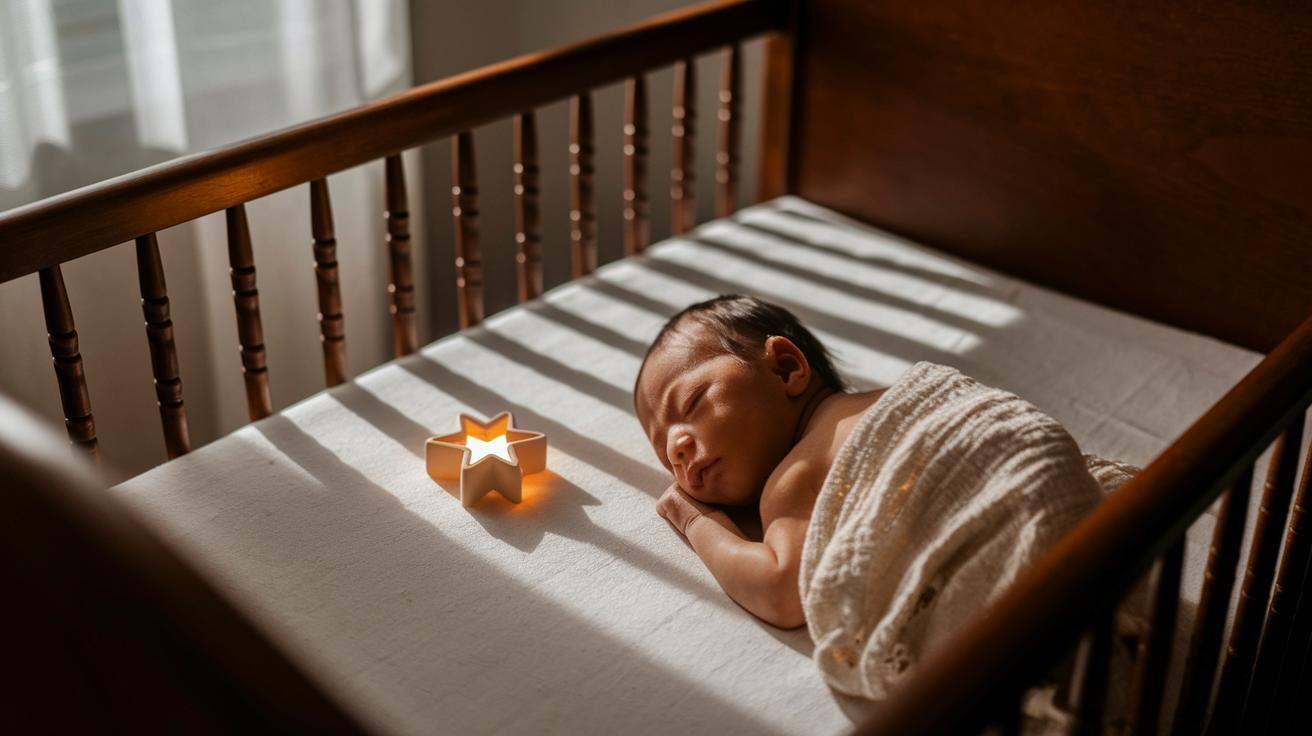
Newborn sleep can feel like a little mystery, leaving both your baby and you a bit off-kilter. Recognizing these common sleep challenges can help set the stage for calmer nights.
Day-Night Mix-Ups
Babies often get confused about day and night during the first couple of months. They might sleep more when it's bright out and fuss when it gets dark. Try exposing your baby to natural light during the day and add soft, familiar sounds. It gently guides their body clock into a cozy rhythm.
Overtiredness Cues
When your baby gets too tired, it might be harder for them to settle down. You might notice signs like yawning or rubbing their eyes. As soon as you see these hints, start a simple, soothing routine. It reassures your little one that it's time to sleep.
Nap Length Surprises
Sometimes a nap lasts over two hours, which can make bedtime trickier and lead to more wake-ups during the night. If a nap drags on too long, consider gently waking your baby. This helps keep naps balanced and makes nighttime sleep a bit easier.
Balancing the Environment
A quiet, unstimulating day or a busy, loud night can confuse your baby's sleep cues. Try keeping the daytime environment softly engaging, while letting the night settle into a calm, dim atmosphere. This way, your baby learns to associate light with wakefulness and darkness with sleep.
Monitoring Newborn Sleep Cycle Milestones
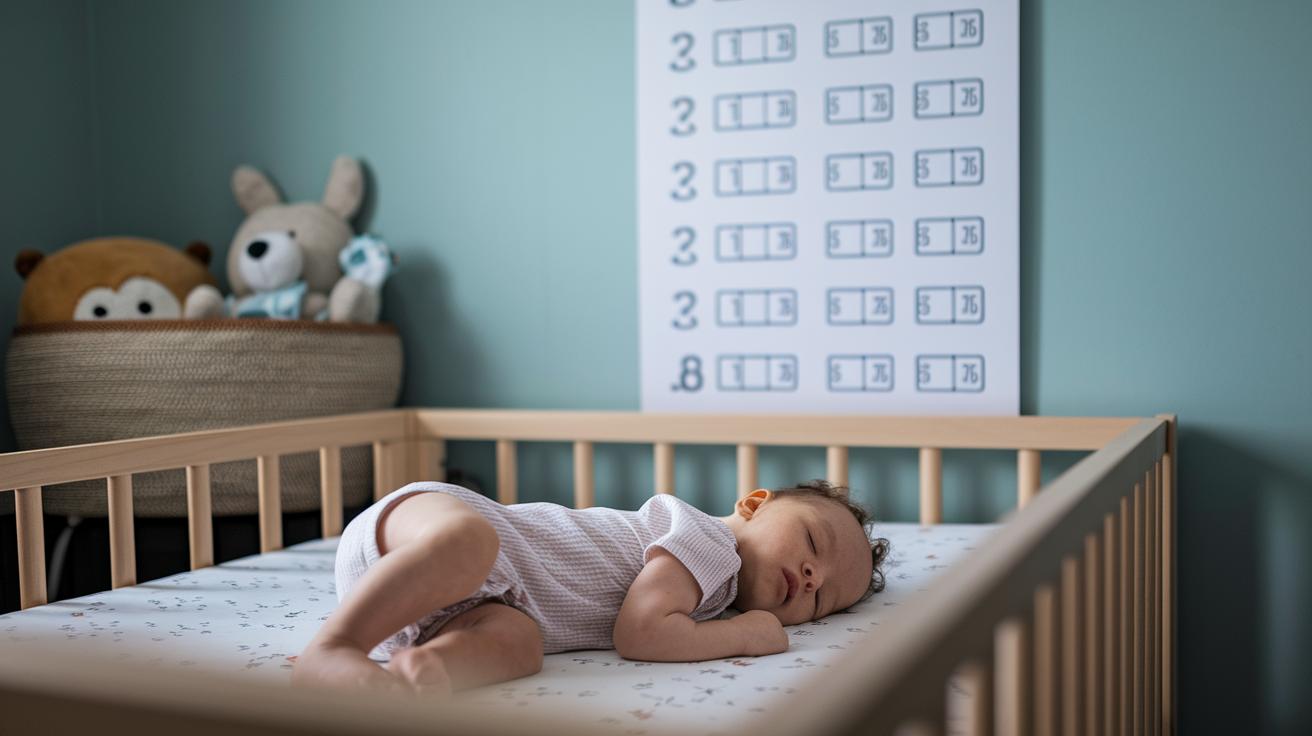
In the first few weeks, you might notice your baby’s sleep slowly finding a rhythm. During weeks 0 to 8, nap times and wake periods can be all over the place, with quick, uneven sleep cycles. By the time your baby reaches 3 to 6 months, these cycles usually lengthen to about 90 to 120 minutes. Then, around 5 to 6 months, the mix of active (REM) and quiet (NREM) sleep starts to look more like what you’d see in older children. Think of these shifts as gentle weekly changes that pave the way for steadier, more restful sleep.
Keeping track of your little one’s sleep can make a big difference. A simple chart where you note down nap durations, wake times, and total sleep each day can really help you spot patterns. And if you ever feel that sleep seems extra erratic or shifts too quickly, it’s a good idea to touch base with your healthcare provider for some personalized advice.
Final Words
In the action, we explored what makes a newborn sleep cycle so unique, from brief bursts of rest to gradual shifts in sleep phases. We covered tips on balancing feeding, light exposure, and soothing routines to support better sleep. Simple strategies help manage challenges like day–night mix-ups and extended naps. Each step moves closer toward a gentler, more predictable sleep pattern for your baby. These insights offer a clear path to calming nights and happier days as you nurture safe, healthy development.
FAQ
What is a newborn sleep cycle chart?
A newborn sleep cycle chart shows the pattern and length of sleep cycles, including quick shifts between light (NREM) and active (REM) sleep. It helps you understand your baby’s typical sleep structure.
What does it mean when a newborn sleeps 22 hours a day?
When a newborn seems to sleep 22 hours a day, it indicates they are resting a lot. Although typical sleep ranges from 14 to 20 hours, each baby is unique and may vary slightly.
How do newborn sleep cycles change week by week or by age?
Newborn sleep cycles change as days go by. In early weeks, cycles are short and irregular, but over time they lengthen and begin to consolidate into longer naps and nighttime sleep.
What is the typical length of a newborn sleep cycle according to the NHS?
The NHS notes that a newborn’s sleep cycle lasts about 40 minutes, though it can vary between 20 and 50 minutes. This short cycle helps accommodate frequent feedings and ongoing brain growth.
How do baby sleep patterns change by month?
Baby sleep patterns gradually mature each month. Early on, sleep is broken into short bursts, but as your little one grows, naps and nighttime sleep become more structured and predictable.
How long should a newborn sleep without feeding?
A newborn typically sleeps for about 2 to 3 hours without feeding. Their small tummy size means they need regular nourishment to support rapid growth and energy throughout the day.
What is the 5-3-3 rule for babies?
The 5-3-3 rule for babies offers a gentle guideline for establishing a calm sleep routine. It’s a flexible framework meant to ease your baby into restful sleep, and it’s best to seek advice from your healthcare provider.
What are the five stages of newborn sleep?
The five stages of newborn sleep include lighter stages of sleep, deep restful sleep, and active REM cycles. Together, these stages support vital brain development and overall growth.
Which week is often seen as the hardest for a newborn?
Many parents find that the very early weeks, especially the first couple of weeks, can be the toughest. During this time, your baby is still learning feeding cues and adjusting their sleep rhythms.