

Have you ever wondered if there's a little trick to help your baby sleep all through the night? It can feel so hard when your little one wakes up repeatedly. But a warm, cozy bedtime routine might be just what you need. In this post, I'll share some thoughtful tips, like slowly adjusting feedings or making the nursery a peaceful hideaway, that can turn bedtime into a calming ritual. With these simple steps, you and your baby may soon enjoy nights filled with more peaceful rest.
Rapid Solutions for How to Get Your Infant to Sleep Through the Night
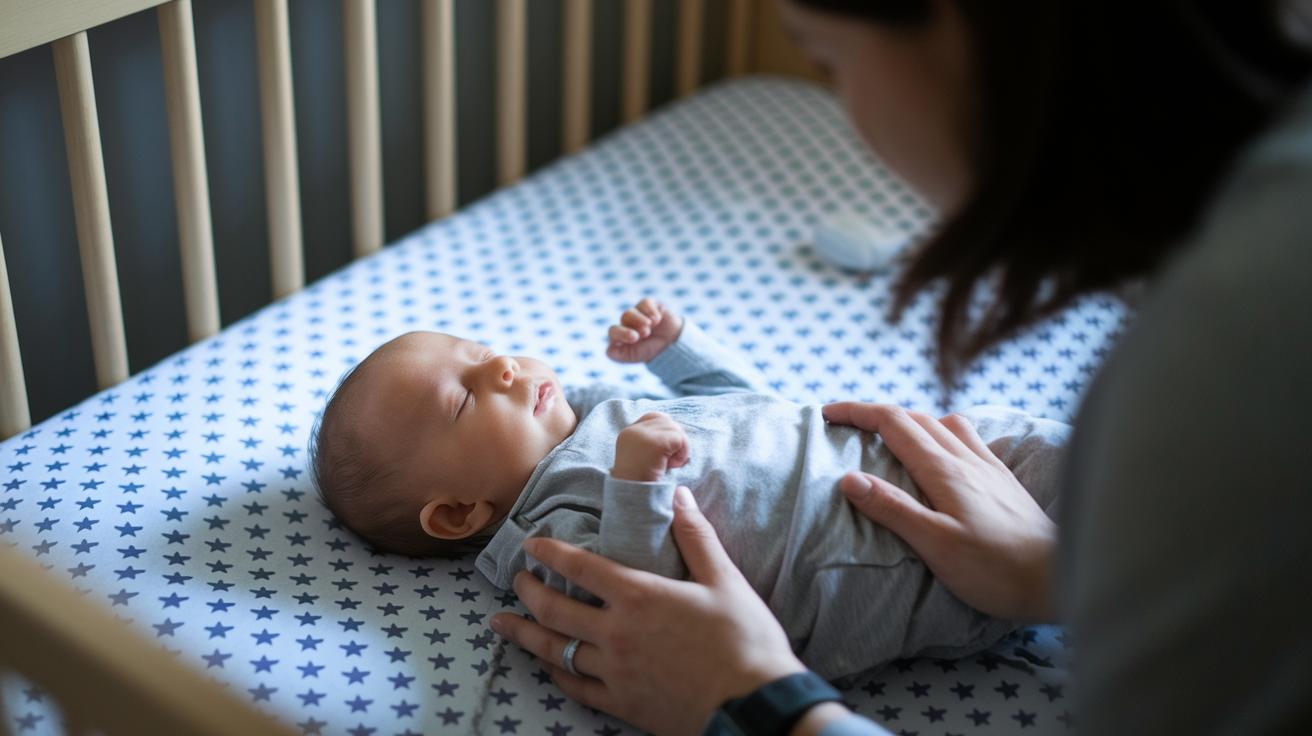
Getting your little one to sleep soundly all night means around six uninterrupted hours or even a stretch of 10–12 hours with minimal check-ins. Many parents notice that as early as 10–12 weeks, some babies start taking longer naps, though a full night’s sleep often settles in by about six months, every baby is unique.
Newborns usually need feeding 8–12 times in 24 hours, waking every 2.5–3 hours until they start putting on weight steadily. Experts often suggest that once your baby’s growth is steady, around 3–4 months, you can slowly stop intentional night feedings. It can be really helpful to gradually adjust feeding times and extend the interval between them as your baby begins to learn how to self-soothe.
Creating a cozy sleep environment is key. You’ll want a room temperature between 68 and 72°F, blackout shades to keep the room dark, and a gentle white noise machine set below 50 decibels, placed at least 7 feet away from the crib. I remember when I set my nursery to a cool 70°F and dimmed the lights at bedtime, my little one drifted off so easily.
Simple, consistent sleep routines also make a big difference. Avoid strong sleep associations like using feeding as the only way to fall asleep. Instead, a predictable routine can really help manage those little wake-ups, making nighttime more restful for both baby and you.
Establishing Consistent Bedtime Routines for Infant Night Sleep

A warm bedtime routine gently tells your baby that it's time to relax. When you create a simple, steady series of calming activities, your little one finds it easier to settle down for sleep. For instance, you might begin with a cozy warm bath that soothes the senses, followed by a soft massage that eases away any day's worries. Then, a feeding paired with a brief story or lullaby wraps up the day with a tender, comforting hug.
Setting a bedtime between 6 and 8 pm often works naturally for your baby. By filling the day with bright, playful moments and then softening the lights as evening comes, you help your baby sense the difference between day and night. As the dusk arrives, lower the lights and keep the sounds gentle, almost like a quiet whisper saying, "It's time to rest."
- Bath time relaxes muscles and creates a calm mood.
- A gentle massage feels just like a warm, loving hug.
- Feeding while sharing a short story or soft song builds a sweet bond.
- Practicing being "drowsy but awake" from around three months can help your baby learn to settle on their own.
Step by step, this routine shows your baby that bedtime is near, making those precious moments leading to sleep a little easier and a lot more peaceful.
Age-Based Sleep Milestones to Help Infants Sleep Through the Night

When your newborn is just a few weeks old (0 to 4 weeks), expect sleep periods of about 2.5 to 3 hours at a time. At this stage, day and night can feel mixed up. It’s normal for little ones to wake so often, they slowly learn to stretch out their sleep as they grow.
By the time your baby is between 1 and 3 months old, you might notice those sleep stretches getting longer, sometimes reaching 4 to 6 hours by the 12th week. This extra sleep can give you a few more calm moments between feedings.
Around 4 to 6 months, many infants are ready for longer, 6+ hour sleep stretches. Short wakeful periods during the day, usually 1.5 to 2.5 hours long, help keep them relaxed so they don’t get overtired.
At 6 months and beyond, some babies start sleeping 10 to 12 hours at night, with just one brief wakeup for a quick feed or cuddle.
- 0–4 weeks: Sleep cycles of about 2.5–3 hours
- 1–3 months: Longer sleep stretches of 4–6 hours
- 4–6 months: Sleep periods of 6+ hours with short wake windows (1.5–2.5 hours)
- 6+ months: Potential for 10–12 hours of sleep overnight with one brief awakening
Evidence-Backed Sleep Training Techniques to Promote Self-Soothing

When your baby reaches 4 to 6 months, many caring parents start exploring sleep training to help their little ones learn to settle on their own. This gentle approach gives your baby space to find comfort and eventually self-soothe, which can be a real game changer for bedtime routines.
One popular technique is called the Ferber method. With this method, you let your baby fuss for a few minutes before softly reassuring them with a gentle voice, "You’re safe, little one." It’s just like leaving a thoughtful note by their crib, a small reminder of your presence that helps build their confidence.
Another option is the Chair method. For the first few nights, you sit close to your baby’s crib, offering that warm, nearby presence. Then, over several nights, you gradually move your chair a little further away. Imagine it like stepping back from a cozy campfire; your baby still feels the warmth even as they start to stand on their own.
There’s also the Fading method, which means slowly reducing your involvement over time. For instance, if you usually rock your baby or give lots of cuddles at bedtime, you gradually lessen these actions until they’re more independent.
Then there’s the Pick-Up/Put-Down method. If your baby gets upset, you give them a gentle cuddle by picking them up, and once they settle down, you carefully return them to their crib.
Some families find that the Cry-It-Out method works best. This approach involves letting your baby fuss for short spells so they learn to calm themselves. Just remember, while this method might bring quick results, it takes consistency and lots of patience.
Finally, respectful sleep training is all about tuning into your baby’s cues. This method encourages a secure bond while gently guiding your child to settle on their own, balancing reassurance with a nudge towards independence.
| Method | Approach |
|---|---|
| Ferber | Controlled checks with soft reassurances |
| Chair | Starts close and gradually moves away |
| Fading | Slowly reducing bedtime involvement |
| Pick-Up/Put-Down | Responsive soothing by picking up and returning baby |
| Cry-It-Out | Short periods of fussing to learn self-soothing |
| Respectful | Following your baby’s cues with gentle support |
Each of these techniques offers a unique way to help your baby become a happier, more rested little person. Have you ever noticed how a soft touch or a kind word can change a moment? It’s little moments like these that remind us just how special parenthood can be.
Perfecting the Sleep Environment to Support Infant Night Sleep

Creating a calm and cozy space for your little one is all about balancing temperature, light, sound, and safe bedding. Try setting the room temperature between 68 and 72°F so it neither feels too warm nor too chilly.
In the evening, dim the lights or use blackout shades in the early morning. Imagine the sky slowly softening into a gentle twilight, this helps signal that it’s time to wind down.
Keep a white noise machine humming softly at 50 dB or less, placed at least seven feet away. Picture a steady, friendly hum that hushes away the usual household sounds, giving your baby a lullaby of calm.
Instead of loose blankets, opt for a secure swaddle or a cozy sleep sack to keep your little one safe and snug.
| Environmental Factor | Guideline |
|---|---|
| Temperature | 68–72°F |
| Light | Blackout or dim lighting |
| Sound | White noise ≤50 dB, ≥7 ft away |
| Bedding | Secure swaddle or sleep sack |
Troubleshooting Regression and Night Wakings in Infant Sleep

Sometimes your baby’s sleep routine takes an unexpected turn because of developmental milestones or teething. Around four months and then again between eight and ten months, you might see your little one becoming fussy and waking up more often. It may even look like they’re rubbing their eyes repeatedly, a gentle sign that they’re feeling more tired than usual.
If reflux is bothering your baby, try keeping them upright for about 20 to 30 minutes after feeding. Taking the time to burp them well can also ease any tummy discomfort. Think of it like untangling a knot in a scarf, each little adjustment can make a big difference.
Watch for clear signs of tiredness, such as frequent crying, yawning, or eye rubbing. In these moments, it might help to squeeze in a short extra soothing session at bedtime or move the bedtime routine 15 to 30 minutes earlier. More daytime cuddles, bonding, and playful moments can also reduce fussiness at night.
If sleep troubles persist for more than two weeks or you notice other concerns, it might be a good idea to seek advice from a professional. Persistent sleep issues can sometimes signal a sleep regression, and expert guidance can offer strategies to bring back those peaceful nights.
Final Words
In the action of creating safe sleep routines, we explored practical tips for comfort and rest. We broke down age-based milestones, environmental tweaks, and sleep training methods that gently encourage deep, uninterrupted nighttime sleep. Each section helped simplify how to get your infant to sleep through the night with step-by-step guidance. The steps we shared aim to ease your routine and brighten your days with more restful nights. Keep trying new ideas, and enjoy every peaceful moment with your little one.