

Have you ever wondered if your baby's sleep habits are truly normal? A simple sleep chart can show you patterns and help bring a peaceful routine to your family. Imagine a tool that mixes easy research with real-life tips from caring parents everywhere. This friendly guide highlights important sleep and feeding cycles so you can fine-tune nap times and bedtime without any hassle. Let this gentle helper support you in understanding your child's needs and creating cozy nights for everyone.
Interpreting Your Infant Sleep Chart: A Quick-Start Guide
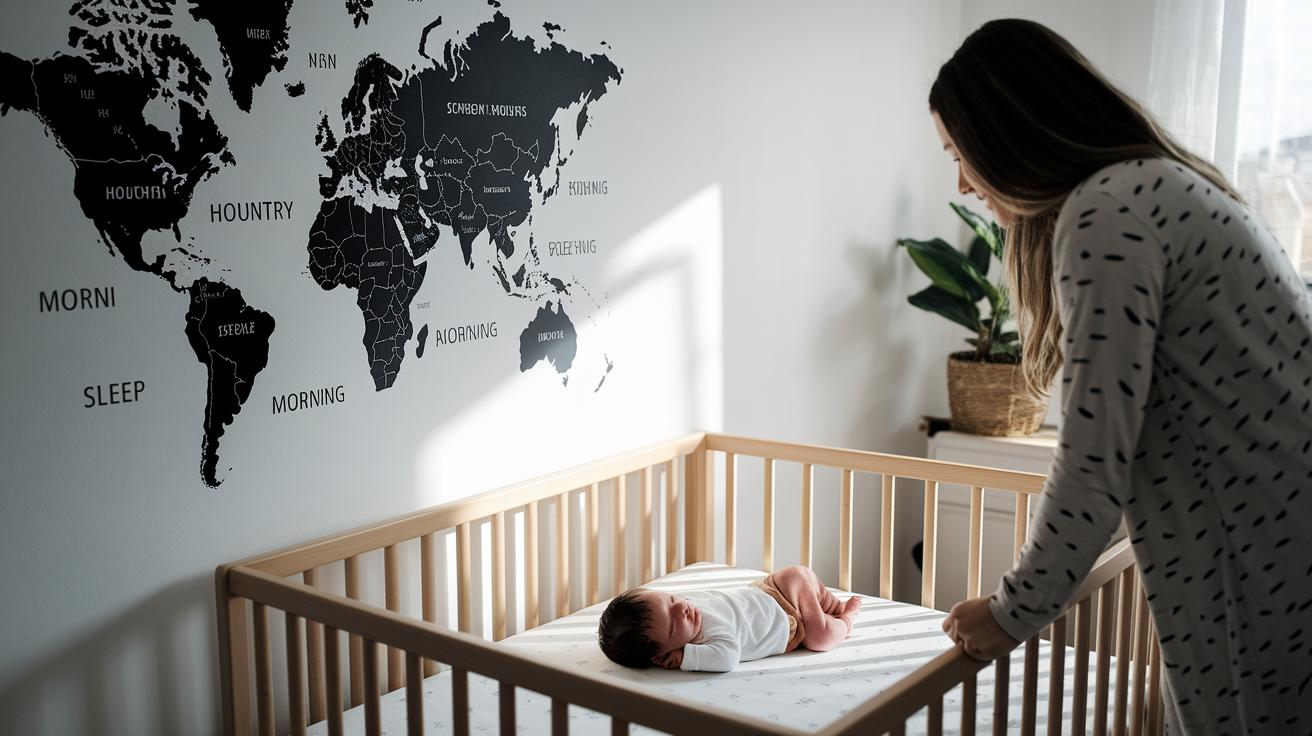
Imagine having a friendly guide that brings together insights from parents around the world with research from nine different countries. It gives you a simple look at typical feeding and sleep routines, from Australia to the United States, showing that newborns often sleep about 16 to 17 hours each day. As your baby grows, their sleep slowly drops, and you might notice small differences influenced by different cultures. For instance, Swiss babies often enjoy around 14 hours of sleep, while Japanese infants tend to sleep nearly 100 minutes less than their Kiwi friends.
This baby sleep schedule guide is like a snapshot that lets you compare your little one’s habits with a wide range of global experiences. Many U.S. parents even observe that kids between 4 and 12 months may get less than 12 hours of sleep daily. It’s a gentle reminder that every baby is unique, and variations in sleep can feel perfectly normal.
Think of the chart as your weekly sleep tracker. It can help you notice if your little one might need a small change in their bedtime or feeding window. Enjoy using this flexible tool as part of your family’s journey toward a restful, cozy night’s sleep.
Infant Sleep Chart for Newborn Cycles: What to Expect
Newborns usually need about 14 to 17 hours of sleep in a day. Their sleep comes in little bursts that last between 30 minutes and 2 hours. It’s not about long naps, but a collection of gentle, broken rests. The chart is here to help you keep track of these moments along with feeding times, which often happen every 2 to 3 hours. Imagine your baby waking up right when a 90-minute nap ends, that’s a common scene in early days.
This chart isn’t meant to lock you into a strict schedule. It’s more of a guide to tune in to your baby’s cues, when they’re full and when they’re sleepy. At this stage, sleep is about more than just rest. It supports your little one’s brain growth and helps make those important neural connections. Think of it as a gentle way to understand your baby’s sleep needs, where even a short nap plays its part in growing a happy, healthy child.
So, take it easy and adapt as you go. Observe, adjust, and celebrate each small win on your journey to a calm, soothing sleep routine.
Age-by-Age Infant Sleep Chart Overview: Tracking Growth
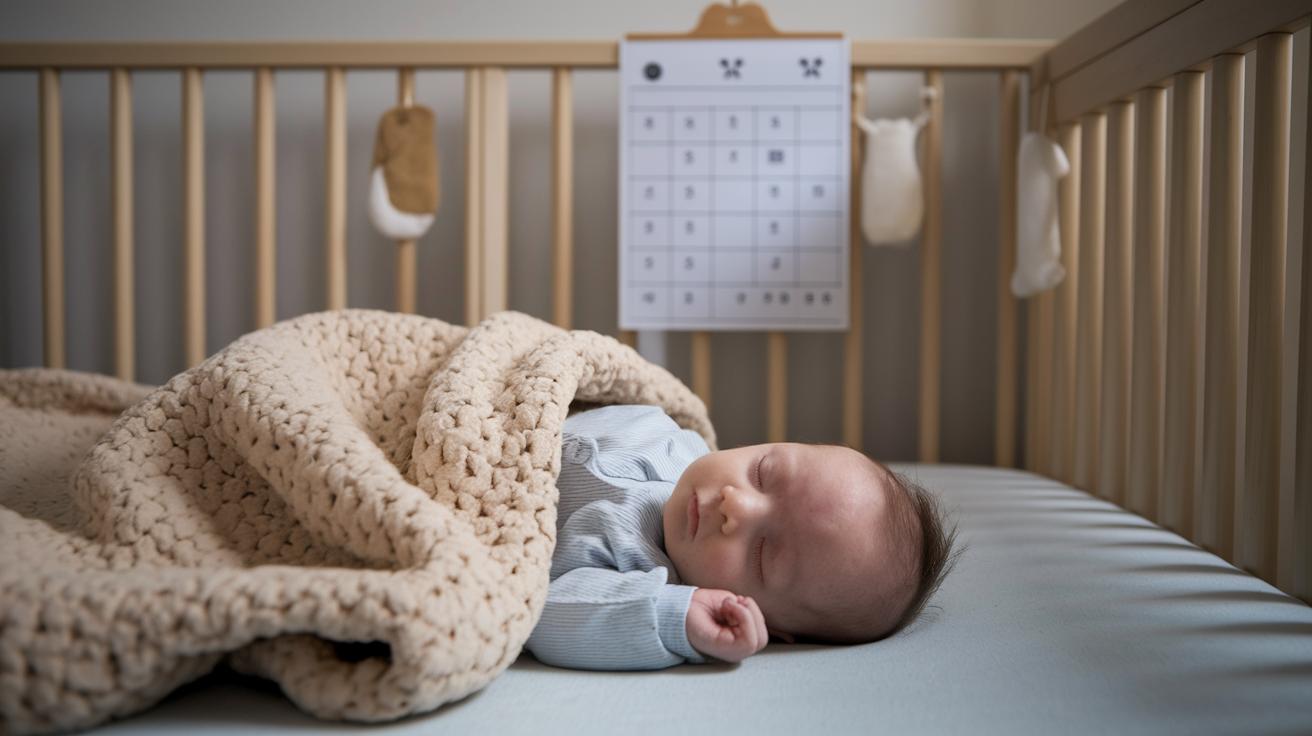
Keeping track of your baby's sleep is easier than you might think. Look at the chart below to see how your little one's nap and overall sleep patterns change as they grow. In those first few weeks, from 0 to 2 months, their naps are short and unpredictable, with sleep coming in little bursts. It’s a busy time for your baby’s brain as new connections form every day.
By the time your baby is 3 to 5 months old, you may start noticing a smoother flow in their sleep. Even though naps are still short, the baby begins to settle into a 24-hour rhythm. It feels a bit like finding a gentle groove that fits their natural cues.
Then, as your baby reaches 6 to 8 months, you might see three regular naps each day. Around 8 to 9 months, one of those naps can start to fade away as sleep needs change. By the time they hit 9 to 12 months, many babies move to two steady naps and more set bedtimes, which can make planning your day a little easier and more predictable.
| Age Range | Naps per Day | Total Sleep/24 h | Notes |
|---|---|---|---|
| 0–2 months | Multiple (irregular, 30 min–2 h) | 14–17 hours | Variable bedtimes; frequent wake-ups |
| 3–5 months | Multiple (short naps) | Approximately 14–16 hours | Emerging 24-hour cycle; early transitions |
| 6–8 months | 3 naps | Approximately 14–15 hours | Last nap may drop by 8–9 months |
| 9–12 months | 2 naps | Approximately 13–14 hours | More consistent bedtimes; structured pattern |
Use this guide as a gentle reminder that every baby is unique. It can help you notice the little shifts and adjust your routine so your baby gets the calm, restorative sleep they need.
Infant Sleep Chart: Enjoy Calming Sleep Routines

Have you ever noticed how a sweet routine can bring peace to both you and your baby? An infant sleep chart is like a gentle guide that helps create a predictable, soothing daily pattern while still honoring your little one's natural signals.
Think of it as a step-by-step plan that’s flexible enough to match your baby’s unique rhythm. Here are some simple steps to try:
- Change your baby’s diaper just before nap or bedtime so they feel fresh.
- Dress your little one in soft, breathable pajamas that signal it’s time to relax.
- Sing a quiet lullaby or play some gentle music to fill the room with calm.
- Wrap your baby in a cozy swaddle, almost like a warm, loving hug.
- Place your baby safely in the crib on a firm, flat surface, clear of any loose bedding.
- Dim the lights and keep background noise low to create a peaceful sleep space.
- Choose a consistent bedtime window – perhaps around 7–8 pm, or shift it to 8–10 pm based on your baby’s cues.
These easy steps not only help set up a comfortable nap (about 45 minutes to 1 hour for newborns and a bit longer as they grow) but also bring a reliable, calming rhythm to your day. Stick with this gentle routine and let your sleep chart be your flexible guide to a night of restorative sleep for your precious little one.
Monitoring Trends with the Infant Sleep Chart: Data Tracking

Keeping track of your baby’s sleep can help you discover patterns and gently adjust your daily routine. A simple daily nap log paired with a weekly sleep tracker can reveal your little one’s unique sleep rhythm in a clear, comforting way.
You can jot down details like when your baby starts and finishes a nap, note down feeding times, and capture any little cues they show. For instance, you might see that a nap began at 10:15 a.m. and ended at 10:45 a.m. before being followed by a feeding cue.
Using a weekly sleep tracker is like having a friendly guide. It includes age-appropriate wake windows and sample schedules that allow you to compare day-by-day progress easily. And when you create custom logs, you can include observations such as your baby’s mood or any changes in their surroundings. These details work together to give you a trusted record of your baby’s behavior.
Printing out daily and weekly templates makes updating these notes a breeze. You simply record the sleep start and end times, feedings, and any small behavioral notes. This way, you can see little patterns emerge or spots where your baby might be regressing, so you can adjust their routine with care.
Every note in your log is like a tiny window into your baby’s world. In time, these observations help you understand those natural cues, offering you a gentle guide as you support your baby’s sleep and growth.
Troubleshooting and Safe Sleep with the Infant Sleep Chart

Sometimes, sleep setbacks pop up unexpectedly, and it can feel a bit unsettling. A few gentle tweaks can help your little one settle back into a calm routine. For instance, if bedtime fades into a struggle, try easing into it by shifting the bedtime gradually instead of sticking to one strict time. This way, you align with your baby's natural sleep cues, creating a warm and reassuring ritual. Plus, keeping the same wake-up time every morning helps set a steady pace for the day.
Research supports these nurturing approaches over any sudden changes. Imagine a quiet lullaby, a soft swaddle, or a gentle rocking motion, simple routines like these create a safe, cozy space for your baby. And don’t forget the basics: always place your baby on their back on a firm, flat surface, free from bumpers and loose bedding. This little step is key to reducing sleep risks and boosting safe rest.
Keep an eye on your baby’s changing sleep patterns. When you notice adjustments that match developmental leaps, you can update your sleep chart slowly. It’s all about listening to your baby’s cues and tweaking the routine as needed. With this thoughtful approach, you create a comforting guide that helps foster peaceful nights and joyful days for your family.
Final Words
In the action, we explored how to use an infant sleep chart to understand sleep cycles, tweak routines, and track emerging sleep trends. The guide details newborn cycles, daily routines, and gentle troubleshooting tips to support safe, soothing sleep. Light-hearted advice shows how flexibility and recognizing your baby's cues nurture healthy growth. Every sleep moment can turn into a calm, caring practice that reassures both you and your baby. Enjoy each step as you discover new ways to support peaceful nights and joyful days.
FAQ
What does an infant sleep chart show?
The infant sleep chart shows age-specific sleep needs, total sleep hours, and nap frequency. It helps parents quickly understand sleep patterns and developmental changes based on global research and parent-reported data.
How can I access an infant sleep chart PDF for daycare?
The infant sleep chart PDF for daycare is often available as a free download. It provides a handy reference for caregivers to easily track infants’ sleep routines and patterns by age.
What information does an infant sleep chart template include?
The infant sleep chart template includes daily sleep totals, nap counts, and age-specific sleep patterns. It offers straightforward guidance so parents can establish and maintain a soothing routine.
How does an age-by-age infant sleep chart assist parents?
An age-by-age infant sleep chart breaks down sleep needs from newborn phases to older infants. It details changes in nap frequency and total sleep, helping parents adjust routines as their baby grows.
What is a 15-minute infant sleep log used for?
A 15-minute infant sleep log records sleep start and end times in short intervals. It helps parents spot subtle sleep trends and fine-tune nap schedules to better suit their baby’s needs.
When do babies usually sleep from 7pm to 7am?
Babies often sleep from 7pm to 7am, though schedules can vary with age. The sleep chart offers recommended bedtime windows to support a calm transition from day to night.
How does a baby sleep chart address sleepwear or clothes?
A baby sleep chart may offer tips on sleepwear, suggesting fabrics and styles that promote safety and comfort. It helps parents choose sleep clothes that regulate temperature and create a cozy sleeping environment.
Is there an infant sleep chart for California available as a PDF?
An infant sleep chart for California in PDF format blends global research with regional insights. It provides parents with localized guidance on sleep patterns and stages for a practical everyday tool.