

Do you feel frustrated when bedtime turns into a wild toss-and-turn session?
Many parents see their little ones struggle with odd sleep patterns that leave everyone tired.
Sometimes a small change in your nightly routine can take you from restless hours to a cozy, calm evening.
In this guide, we'll share the common sleep habits and help you notice when your baby might be having a tough night.
With gentle, step-by-step tips, you'll learn how to support your baby’s natural rhythm for more peaceful nights and bright, joyful days.
Understanding Infant Sleep Issues: Normal Patterns Versus Problematic Signs

Newborns usually sleep around 16 to 17 hours each day. They drift off in many short naps rather than in one long sleep, which slowly helps them adjust to life outside the womb. By about four months, many babies start showing a more steady routine, sleeping 12 to 16 hours a day. They typically enjoy a mix of daytime naps lasting around three to six hours and roughly nine to eleven hours of sleep at night. This predictable pattern can help busy parents feel more at ease with their daily schedule.
When a baby has consistent naps and wakes up predictably, it’s a great sign of normal development. If your baby settles into a nap without too much fuss and enjoys balanced wake times, they are growing just right. But if they wake up frequently at night, struggle to fall back asleep, or stay awake longer than usual, it might mean they are having trouble finding the right rhythm. Such changes can impact not only your baby’s rest but also their mood.
Catching these small shifts early can really help keep sleep troubles from growing into bigger issues. A slight tweak in bedtime routines or a chat with a pediatrician might be all it takes to bring back those sweet, peaceful nights.
Below is a quick guide to typical sleep behaviors:
| Age | Typical Nap/Wake Pattern |
|---|---|
| 0-3 months | About 30-45 minute naps |
| 3-4 months | Wake windows of 60-120 minutes |
| Up to 6 months | 1-3 nighttime feedings are normal |
| 3-4 months | A temporary sleep regression can occur |
| After 4 months | Persistent night wakings might be a red flag |
infant sleep issues: Restful Nights, Brighter Days

Sometimes our little ones miss the signs that it's time for a nap, and before you know it, they're overtired. When that happens, they might stay awake longer, turning into little bundles of fussiness. It really helps to gently shift them from being awake to nap time, easing them into sleep with a soft routine.
Bright lights, loud sounds, or even uncomfortable room temperatures can make it hard for your baby to relax. Imagine a room that's too chilly or too warm, or even a tight swaddle that doesn't feel just right; these things can stop them from drifting off easily. And yes, a wet diaper might add to that discomfort, keeping them more alert than they should be.
Changes like growth spurts or teething can also throw off sleep patterns. During these phases, your baby might need extra feedings or might simply be uncomfortable from sore gums, which can lead to more frequent wake-ups. But don’t worry; these tough nights are normal and usually pass with a bit of time.
Even minor illnesses, like a cold or a bit of ear discomfort, can shake up your baby’s sleep routine. If your little one has a stuffy nose or a slight fever, it might become harder for them to settle down and sleep through the night. We all go through these challenging times, and soon enough, routines are back on track.
Implementing Bedtime Routines to Alleviate Infant Sleep Issues

A steady bedtime routine helps your little one know that sleep is coming up and lets both of you unwind after a busy day. Simple, calm activities and the right wake windows of 60–120 minutes (check out the sleep schedule for 3 month old) can turn bedtime into a sweet, comforting ritual. This familiar routine tells your baby’s body it’s time to rest, easing transitions during those growing phases and cutting down the number of nighttime wake-ups.
Start with a diaper change in a softly lit room. Next, offer a gentle feeding or some nursing. Then, give your baby a warm bath to help them relax. Dress them in cozy pajamas while you sing a soft lullaby, and finally, let them settle in their crib to learn self-soothing.
Following these calm steps each evening shows your little one that sleep and security go hand in hand. With a daily routine, even if sleep challenges pop up, that familiar pattern acts as a gentle guide back to rest. This warm, steady approach helps your baby feel safe and encourages peaceful nights, leading to brighter, more relaxed days together.
infant sleep issues: Restful Nights, Brighter Days

The American Academy of Pediatrics advises that you always put your baby on their back when it’s time to sleep. This simple change helps lower the risk of SIDS. A firm mattress with a snug, fitted sheet is key to creating a safe crib space. Try to steer clear of loose blankets, soft toys, or bulky items that might block your baby’s breathing. These safety tips provide your little one with a secure base to rest, and for more details, checking out the safe sleep guidelines for infants can be really helpful.
Creating a calm sleep environment is just as important. Keep your baby’s room comfortably cool between 68°F and 72°F so they can relax easily. Dim the lights with blackout curtains; they help signal that it’s bedtime and keep distractions at bay. A white noise machine can also be a gentle helper, masking sounds that might otherwise disturb your baby’s sleep. Together, these steps create a soothing and predictable bedtime routine.
Swaddling can work wonders in calming the startle reflex that sometimes wakes babies. When your little one is snugly wrapped, they often feel safe and drift off more peacefully. But remember, once your baby begins to roll over, it’s time to stop swaddling so they can move around safely. Adjusting how you swaddle as your baby grows is a great way to maintain both safety and comfort.
Navigating Sleep Regression Episodes in Infant Sleep Issues

Have you noticed that around four months, your baby's sleep patterns start to change? As they grow, their sleep cycles adjust, and naps that used to be long now shrink to about 30–45 minutes, with more frequent night wakings popping up.
During this time, your little one usually gets about 4–5 hours of daytime sleep spread over 4–5 naps. It might feel a bit frustrating when those naps are shorter, but it’s just a natural part of how their sleep develops. In most cases, this phase lasts anywhere from 2 to 6 weeks before settling into a more predictable routine.
It really helps to give your baby a chance to settle back on their own. When they wake briefly during the night, try leaving them in their crib for a few moments so they can learn to soothe themselves back to sleep.
Keeping a consistent routine can make a world of difference. Stick with your usual bedtime rituals, feeding times, and that calm sleep environment you’ve built up. This steady approach makes it easier for your baby to adjust to their changing sleep cycles. And for now, it might be best to hold off on any new sleep training methods, rely on the gentle, familiar strategies you know work for your little one.
Identifying Red Flags and Consulting Pediatric Sleep Specialists for Infant Sleep Issues
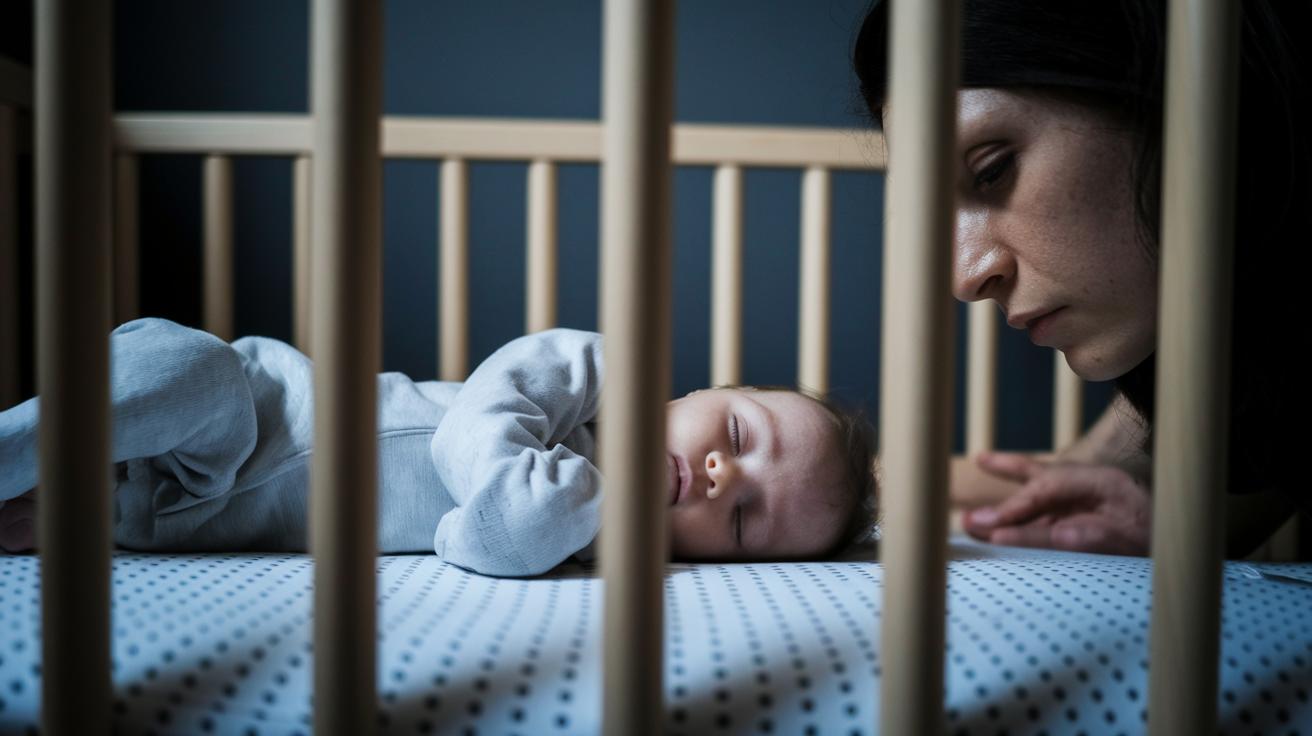
We all want our little ones to get the best sleep, but sometimes their patterns might be telling us more than just normal growing pains. It can feel a bit worrying when you see signs that last for a while, and it's always best to keep an eye on them before a small concern becomes a bigger problem.
Here are a few signs you might notice:
- Episodes that look like your baby stops breathing for a moment or starts choking
- Trouble with gaining weight as expected
- Sleepiness during the day that doesn’t seem normal
- Breathing that feels different or unusual at night
If you see any of these signs, it might be a good time to talk with a pediatric sleep specialist. A caring expert can check if there’s an underlying issue, like reflux, sleep apnea, or another condition, and let you know the best way to help your baby rest easy.
Final Words
In the action of creating a cozy sleep space through consistent routines, we reviewed the basics of sleep needs, safe crib practices, and spotting red flags. We shared practical steps to ease infant sleep issues while highlighting key signs of regressions and triggers like overtiredness and room discomfort.
Every tip, whether it's a calming bath or a snug swaddle, helps build a secure, nurturing environment. Enjoy the peace and comfort that comes from knowing your baby’s sleep is cared for.
FAQ
What are the signs of baby sleep disorders and infant sleep disturbances?
The signs of baby sleep disorders include irregular sleep patterns, short naps, frequent night wakings, and trouble settling. Noticing these may help parents decide if further evaluation is needed.
Why might my baby, even at two months, not be sleeping deeply?
The baby may not sleep deeply as mild disruptions in sleep cycles are common. Overstimulation, minor discomfort, and developmental stages can result in lighter sleep, even in two-month-olds.
What might be the medical and neurological reasons a baby won’t sleep at night?
Medical reasons and neurological sleep disorders can affect baby sleep. Issues like reflux, teething discomfort, or abnormal sleep cycle patterns may lead to frequent awakenings and disturbances during the night.
Why isn’t my one-month-old baby sleeping well?
At one month, infants naturally sleep in short bouts and wake frequently for feedings. Their sleep is still adjusting to a day-night rhythm, making irregular patterns quite normal.
How can I put a baby to sleep in 40 seconds?
Putting a baby to sleep quickly can work by using a calm, soothing routine. Gentle rocking, soft sounds, and dim lighting may help your baby relax swiftly into sleep.
What is the 5 3 3 rule for baby sleep?
The 5 3 3 rule is a guideline suggesting five minutes of quiet time, three observable sleep cues, and three steps to promote sleep. It helps establish consistency in baby wake and sleep times.
What is the most common infant sleeping problem and when should I be concerned?
The most common infant sleeping problem is frequent night wakings due to sleep cycle transitions. Concern arises if issues persist beyond normal regression phases or are accompanied by other health signs.
What is considered the hardest week with a newborn?
The hardest week with a newborn is often when sleep and feeding routines are unpredictable. Parents may feel overwhelmed as they adjust to new responsibilities and the baby’s constant care needs.