

Have you noticed your eight-month-old waking up at night? At this age, little ones start trying out new moves like crawling and standing. These exciting skills can bring extra energy that changes sleep patterns and leads to shorter naps and busier nights. It might feel tough right now, but this is just another part of growing up. With a few gentle tweaks to your routine, you'll soon find your nights returning to a calm and peaceful rhythm.
8 month old sleep regression: Calm nights ahead
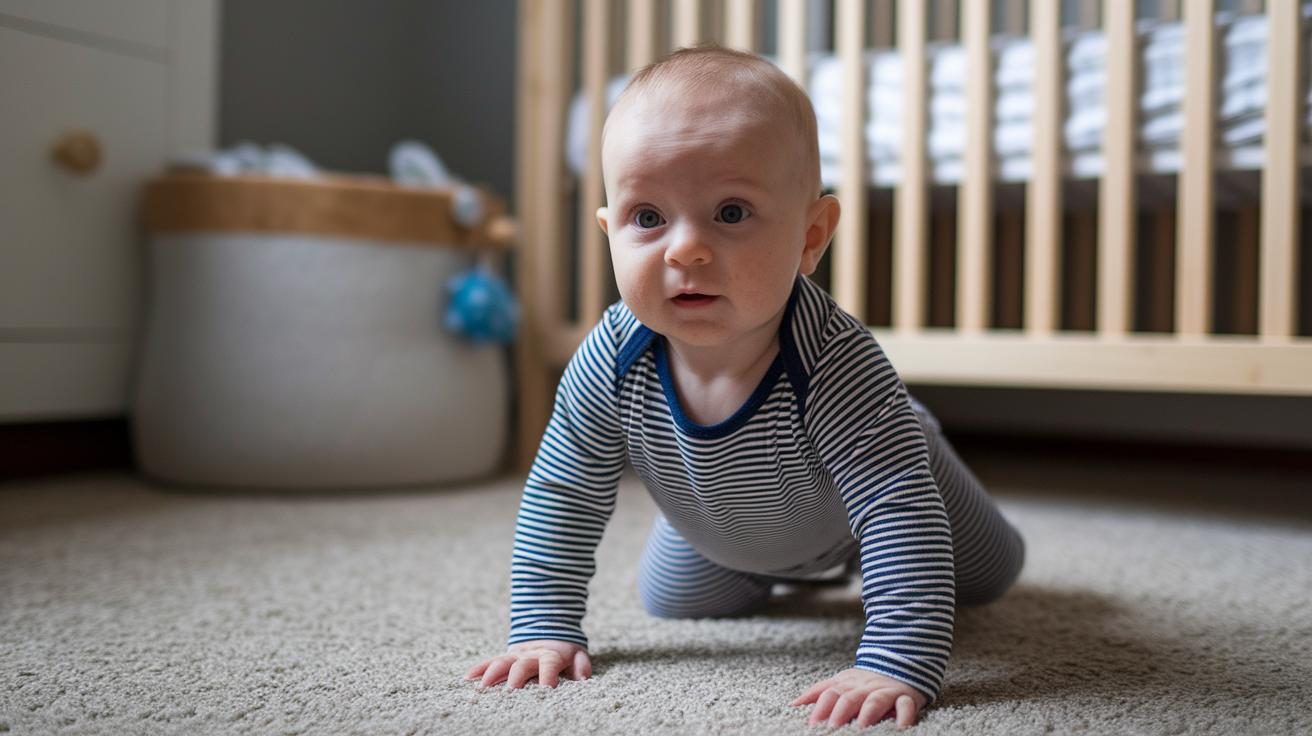
Around 8 months, your baby might start to change sleep habits. Sometimes this phase lasts just a few days, and other times it may stick around for weeks. You might notice your little one waking up more often at night or taking shorter naps. It's all a natural part of growing up.
At this age, your baby is busy learning new skills like crawling, standing, or even babbling in new ways. These exciting milestones can make it hard for them to settle down because their busy brain wants to practice these new moves, even during sleep.
Sometimes, as they become more aware of the world, they might feel a bit uneasy when they're alone. That feeling can interrupt what used to be long, peaceful sleeps.
This change in sleep patterns isn’t a sign that your previous routine has failed. Instead, it's a colorful chapter of growth and discovery. Recognizing these shifts can help you adjust your daily routine and bedtime cues so that calm, restful nights come back sooner. Remember, this phase is temporary, and soon your baby will find their new rhythm.
Recognizing Signs of 8 Month Sleep Regression
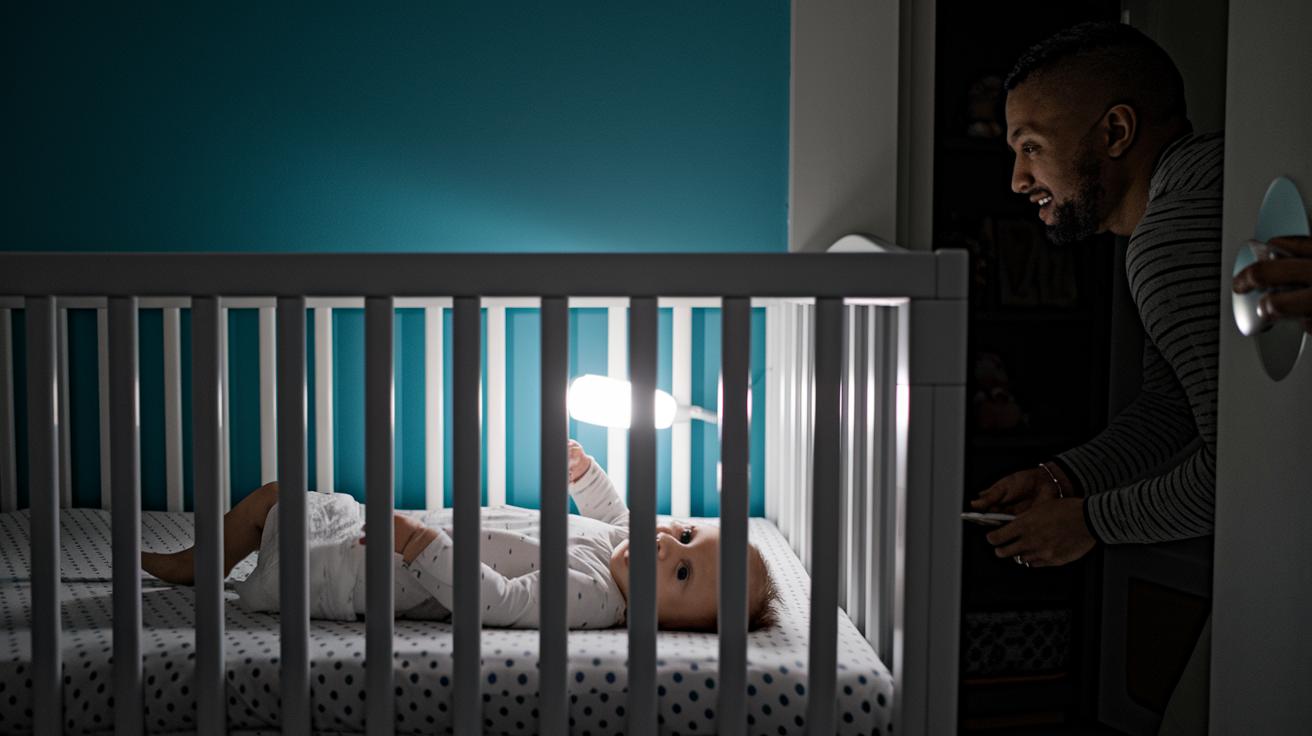
At eight months, you might notice a few gentle changes in how your baby sleeps. It’s a phase many parents experience, and while it can be a bit challenging, it’s often just a temporary shift. Here are some signs that your baby might be going through sleep regression:
-
More frequent night wakings: If your little one who once snoozed for nearly 12 hours now wakes up several times, you may find yourself wondering why they’re not settling as deeply. Imagine your baby softly stirring in the quiet night instead of enjoying a long, uninterrupted sleep.
-
Shorter daytime naps: Those long, cozy naps of 2–3 hours might become chopped up into shorter bursts. The peaceful sleep during the day might feel a bit fragmented, leaving you adjusting throughout the afternoon.
-
Increased fussiness at bedtime: You might see more tears or resistance when it’s time to wind down. This extra fussiness could be because your baby’s busy processing all the new skills they’re learning during the day.
-
Brief teething discomfort: Sometimes, emerging molars can cause a bit of discomfort and lead to restless sleep. But if you notice these changes lasting more than a week, teething may not be the only reason behind the disturbed slumber.
It’s natural to miss the predictable sleep patterns of earlier months. Even though these shifts can feel unsettling at first, they often pass as your baby grows. Spotting these signs early can help you adjust your routine so that you can guide your little one back to peaceful, restful nights.
Causes Behind the 8 Month Old Sleep Regression
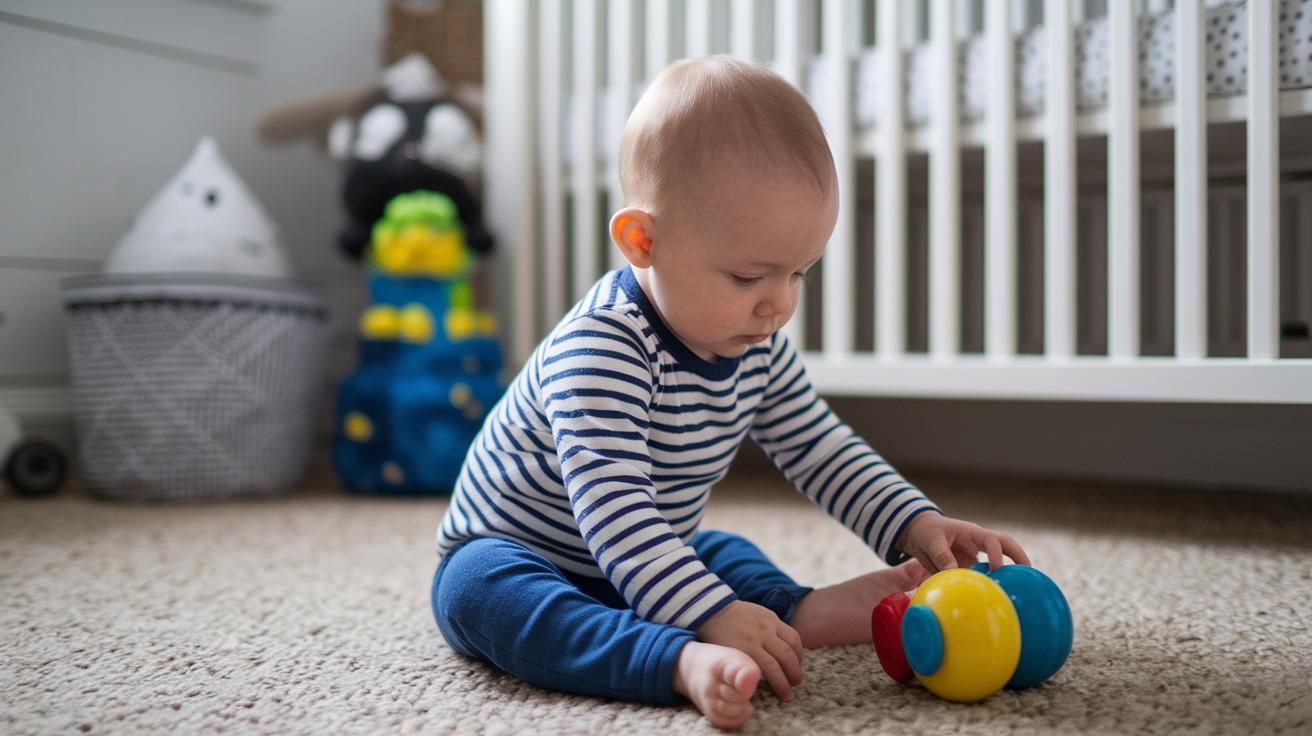
Developmental Milestones
At eight months old, your little one is busy learning new tricks. Their tiny hands are getting quite good at grabbing things and their legs might start showing signs of standing. Every crawl and every cute babble is like a little performance, sparking extra wake-ups because your baby is so excited to practice these new skills.
Separation Anxiety
Your baby is also starting to see you as a separate person. This new awareness can bring a bit of unease when they’re left alone in their crib. Sometimes, you might hear gentle calls during the night as they reach out for your comforting presence. These moments of needing reassurance are completely normal as they adjust to feeling safe even when you're not right by their side.
Nap Transition Impact
Another big change is moving from three naps to two during the day. This shift can sometimes leave your baby feeling overtired if they miss that extra break. Think of it like skipping a little rest when you’re busy, it can make bedtime harder to settle into. And while teething might add a little extra fuss now and then, it usually isn’t the main cause if these sleep hiccups continue for more than a week.
Optimizing Nap Schedules to Support Sleep Consolidation

Start by gently shifting your baby’s morning nap a bit later, about 15 minutes every two or three days. This little change fits your baby’s natural wake times and can help decrease bedtime fuss. I even heard from a parent who said that a small 15-minute tweak made bedtime much easier.
Then, think about gradually letting go of the third nap. Over one week, trim that extra nap by 10 to 15 minutes. This slow change gives your baby a chance to settle into a fuller midday rest and helps prevent overtiredness as you move from three naps to just two.
Keep the awake periods between naps around 2.5 to 3 hours. Sticking to this schedule can make sure your little one isn’t too tired before nap time and supports smoother, more peaceful sleep at night.
Try these simple nap consolidation tips:
- Shift the morning nap by about 15 minutes every few days.
- Gradually shorten the extra nap by 10–15 minutes each day.
- Maintain wake times of roughly 2.5–3 hours and use calming cues like dimming the lights and gentle white noise.
- Offer quiet rest time even if your baby doesn’t fully sleep right away.
Taking these small steps can make bedtime smoother and help everyone in the family enjoy more restful nights.
Strategies for Overcoming 8 Month Old Sleep Regression

When your baby’s sleep routine changes, it can feel a bit overwhelming. But a few thoughtful adjustments can help bring back the calm in your evenings. A steady schedule for naps and bedtime sets a predictable rhythm that your little one can rely on, making sleep feel like a warm, comforting hug.
One way to ease the transition is by sticking to consistent nap and bedtime times. One parent shared that once they set clear times, their baby started easing into sleep with less fuss at night. This regularity helps your baby build an inner clock that whispers, "It’s time to rest."
Another gentle approach is to encourage your baby to learn to fall asleep independently. Try easing away gradually, maybe with a little pick-up-put-down technique. In doing so, you help your baby feel safe while giving them a chance to find their own comfort, just like taking those first small steps on their own.
During the day, include plenty of active play to help your baby use up energy. Think of it as a fun little workout, crawling around or practicing standing can help your baby feel more relaxed come bedtime. Many parents have noticed that a busy morning leads to a quieter, more peaceful night.
Finally, consider setting up a short wind-down period before bed. Spend about 20 to 30 minutes with dim lights, soft voices, and maybe a gentle tune. These little rituals turn bedtime into a soothing, familiar pause that helps signal to your baby that it’s time to settle down.
Each of these tips is a small step towards creating a nurturing bedtime routine, helping you and your baby rediscover peaceful nights again.
Creating a Soothing Sleep Environment for Regression

Have you ever wondered how a few simple changes can turn your baby’s room into a peaceful retreat? When you create a calm, inviting space, your little one feels secure and ready to drift off into cozy sleep. Aim to keep the room cool, around 68 to 72°F, dark, and clear of unnecessary clutter. A firm mattress with a snug fitted sheet, just as safe sleep guidelines suggest, really makes a difference.
Here are a few friendly tips that might help:
- Keep the room at a steady, comfortable temperature so your baby can enjoy uninterrupted sleep.
- Use soft, continuous white noise. It gently mutes household sounds and helps your baby settle.
- Choose lullabies that are calm and sweet at a low volume. They serve as a warm signal that it’s time to rest.
- Dim the lights and simplify the decor. A quiet, low-stimulus room softly guides your baby into sleep.
These small adjustments can build a nurturing environment that feels safe and inviting. In times of regression, a peaceful room like this makes bedtime a little easier and a lot more comforting for both you and your baby.
When to Seek Professional Advice During Sleep Regression

Sometimes, baby sleep struggles can go on for weeks, leaving you feeling worried and unsure. If you’ve tried adjusting routines but your little one still isn’t sleeping well, it might be time to chat with your healthcare provider. Keep an eye out for signs that go beyond normal sleep regression. For example, if your baby consistently refuses to feed or seems overly sleepy during the day, these could be hints of something else, like reflux or allergies.
Think about reaching out if you notice:
- Sleep troubles lasting several weeks despite changes in the routine.
- Unusual behavior, such as big shifts in feeding habits or constant drowsiness during the day.
- Ongoing sleep disruptions that don’t seem to improve no matter what you try.
By getting a professional evaluation, you can feel more at ease knowing there’s a plan tailored just for your baby’s sleep needs. Their advice might also offer new strategies to help smooth out bedtime and bring calmer nights and days for both of you.
Final Words
In the action, we explored what the 8 month old sleep regression really means. We touched on changes in sleep habits, signs like night wakings, and the reasons behind these shifts. We also shared practical steps, from adjusting nap times to creating a soothing sleep space, to help guide you through this period.
Remember, every baby is unique, and with small changes, you can support a smoother sleep routine. Bright days ahead as you gently help your little one find more rest and comfort.
FAQ
Frequently Asked Questions
Q: What are the common signs of 8 month sleep regression and why do they occur?
A: The 8 month sleep regression shows as frequent night wakings, shorter naps, and increased fussiness. These signs often appear as your baby reaches new developmental milestones like crawling and babbling.
Q: How long does the 8 month sleep regression typically last?
A: The 8 month sleep regression usually lasts a few days to several weeks, and it may come and go as your baby continues to develop new skills.
Q: How can I improve my 8 month sleep schedule and help my baby sleep through the night?
A: Keeping a steady schedule with fixed nap times and a calming bedtime routine helps. A quiet, soothing sleep setting can lead your baby to sleep through the night more easily.
Q: What are effective sleep training techniques for an 8 month old?
A: Sleep training at this age uses gentle methods like gradual withdrawal and establishing consistent routines. These techniques encourage your baby to learn self-soothing skills for more peaceful nights.
Q: How can I tell if my 8-month-old’s sleep issues are due to regression or teething?
A: Teething typically causes brief discomfort, while sleep disruptions from regression last longer and coincide with new developmental skills, making them more than just teething issues.
Q: What is the 10 5 3 2 1 rule for sleep?
A: The 10 5 3 2 1 rule is a step-by-step guide that helps ease bedtime rituals and gradually reduce sleep crutches, promoting independent sleep skills in your baby.
Q: What is meant by the “8 month crisis”?
A: The term “8 month crisis” describes the period when rapid developmental changes disrupt sleep patterns, leading to more night wakings and challenging routines for both baby and parent.