

Ever noticed your usually quiet 4-month-old waking up at night more often? It’s not that something’s wrong. Instead, your baby’s sleep is changing from the gentle nap of a newborn to a mix of deeper and lighter sleep. It might seem a bit unsettling at first, but this is a natural and important part of growing up. Let’s explore some simple ideas to create peaceful, cozy nights for you and your little one.
4 month old sleep regression: Calm, cozy nights
Around four months, many parents notice that sleeping becomes a bit more challenging for their little ones. Suddenly, sleep may not come as easily, and naps might feel shorter than before. It’s simply your baby’s natural way of transitioning from the easy, newborn sleep pattern to a mix of lighter and deeper sleep states.
You might see your baby fussing a bit more at bedtime or waking up every hour or so. When these changes happen, like shorter naps lasting only 30 to 45 minutes or unpredictable sleep times, it can be a sign that your baby’s sleep cycles are starting to change. It may feel confusing at first, but this phase is normal and shows that your baby’s body is growing and adapting.
Sometimes, your little one might also call for more soothing or extra feeds during nighttime awakenings. Sticking to a gentle and flexible sleep routine can help bring back a sense of calm. Remember, this change is all part of growing up, and soon enough, things will settle back into a new rhythm that works for you and your baby.
Understanding Why the 4 Month Old Sleep Regression Occurs
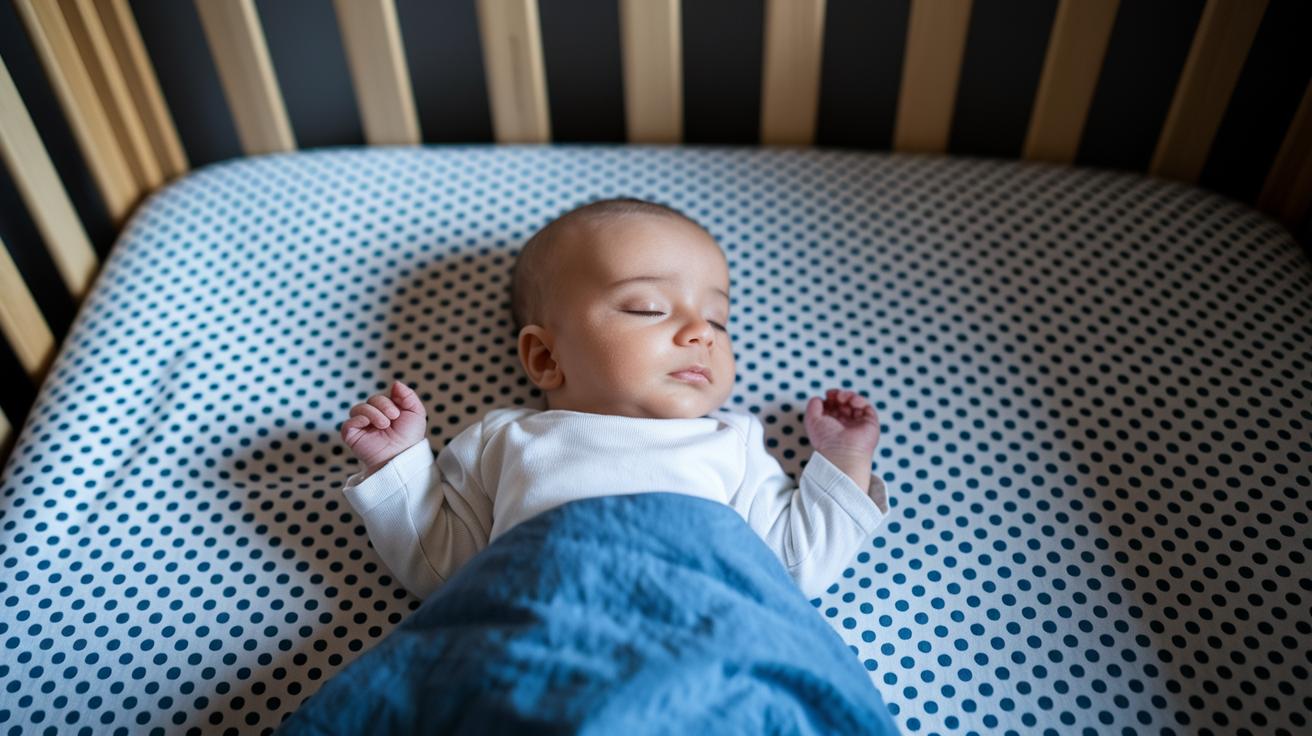
Around four months, many little ones start to change how they sleep. Their sleep, once light and even, begins to mix light and deep periods, almost like a mini version of adult sleep cycles. It’s kind of like watching a dim light slowly brighten to show new details.
Babies aren’t sleeping poorly. Instead, their sleep rhythm is simply maturing as they grow. This shift comes from inside their developing bodies, not because their bedtime routine isn’t good.
Even though a comfy crib, the right room temperature, and soft lighting can help soothe your baby at night, this change in sleep pattern is a natural part of growing up.
Recognizing Key Signs of 4 Month Old Sleep Regression
Around four months, you might notice your little one’s sleep start to change. Your baby might seem fussier at bedtime, and settling into sleep can take a bit more time. It’s common for them to wake every 45-90 minutes, and naps may shrink to just 30-45 minutes. Sometimes, naps shift to the later part of the day and evenings get a whole new look.
One parent said, "My baby used to relax at dusk, but now every evening is a new struggle to fall asleep."
Noticing these cues helps you adjust your soothing routine. This change marks the shift from a newborn sleep system to one with more light and deeper sleep stages.
Timeline for the 4 Month Old Sleep Regression
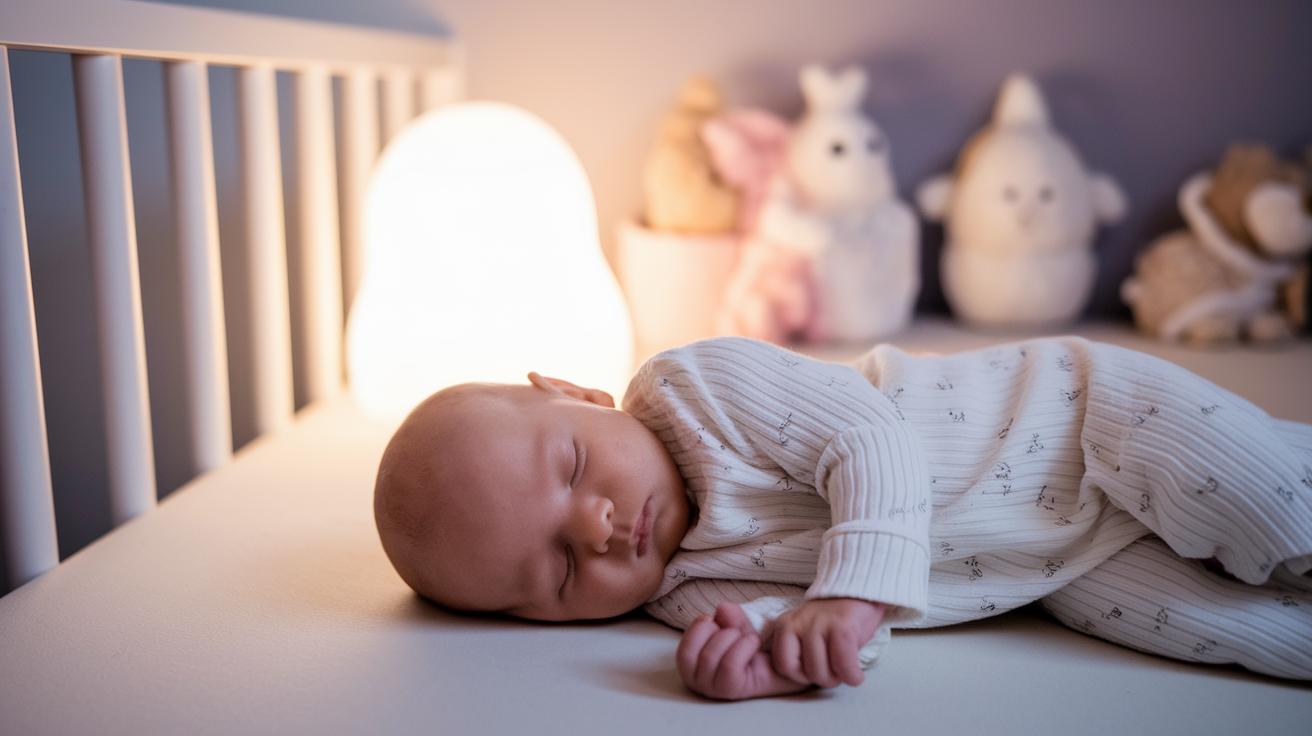
Around 3 to 5 months, many little ones begin to shift their sleep habits, with the biggest changes often showing up around 4 months. It’s a time when you might see your baby move from the steady sleep of newborn days to a new routine that mixes lighter naps with deeper sleep.
Usually, this change lasts about two weeks for most babies, though sometimes it can stretch to a month as they learn how to switch between different sleep stages on their own. I’ve heard parents say, "It was like a sudden switch, I found myself having to soothe my baby every time they woke up."
This evolving sleep pattern is completely normal and a clear sign your baby is growing and developing. As they mature, their bodies naturally get better at handling different sleep cycles. With time, your little one will learn to settle into sleep more easily, making way for those calm, cozy nights you’ve been looking forward to.
4 month old sleep regression: Calm, cozy nights
Sometimes, a little schedule change is all it takes to help your baby settle into a smoother sleep routine. Try keeping wake times between 90 and 120 minutes, and stick to three naps a day. When you feed every 2.5 to 3.5 hours, you help ensure your baby isn’t waking up because of hunger. It’s like a gentle lullaby that soothes both of you during this period of change.
Establishing a comforting bedtime routine can really make a difference. For example, you might:
- Feed your baby to settle their hunger.
- Change them into soft, cozy pajamas as a signal that it’s time for bed.
- Read a quiet, calming story before placing them in the crib, still drowsy yet awake.
This little routine tells your baby that nighttime is for rest, easing any bedtime battles. You can further help by creating a sleep-friendly space. Use blackout curtains to darken the room, keep the air pleasantly cool between 68 and 72°F, and minimize any background noise. A consistent environment reinforces the idea that sleep is a safe, special time.
When your baby wakes briefly at night, take a moment before you approach. Turn down bright lights and keep sounds soft. A gentle touch or a pacifier can be just the reassurance they need to settle back on their own. Bit by bit, these adjustments, from wake windows to feeds, build a nurturing pathway through this temporary sleep change, leading you both to more peaceful, cozy nights.
When and How to Seek Professional Advice for 4 Month Old Sleep Regression
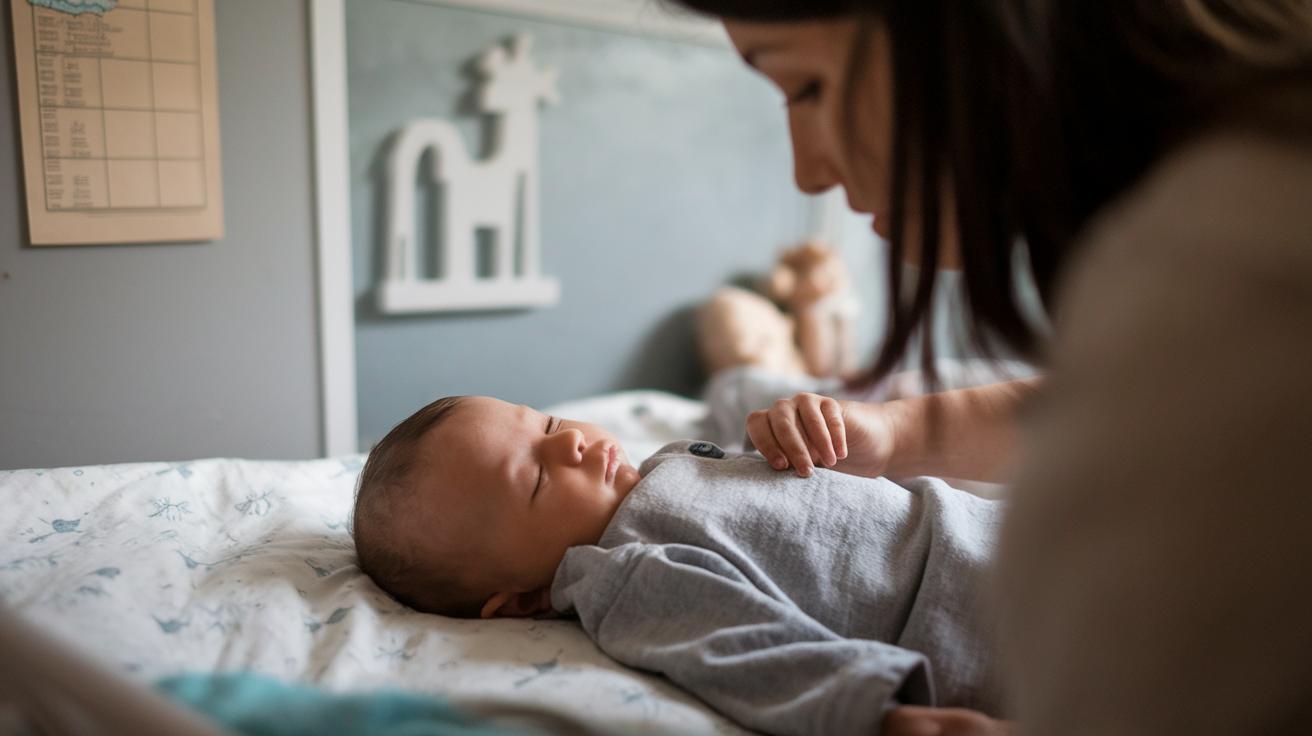
If your baby’s sleep troubles keep going for more than a month, it might be time to reach out to your pediatrician. Look for signs like slow weight gain, signs of feeling unwell, or more irritability than usual. These little clues can mean there’s more happening than usual sleep changes, and a doctor can help rule out issues like reflux or allergies.
It’s a good idea to ask for advice if the sleep problems seem especially tough or if you’re feeling overwhelmed. A reliable pediatrician can share practical tips on feeding and sleep routines that really meet your baby’s needs during this delicate phase.
Remember to take care of yourself too. When sleep feels scarce, consider switching up night duties or even heading to bed a bit earlier. Taking a little extra time to rest can help you feel calmer and more ready to face the nights ahead.
Final Words
In the action, we explored the core elements that mark the 4 month old sleep regression. We discussed the signs, why changes occur, and practical ways to ease the sleep disruptions. The tips shared help manage those frequent night wakings, shorter naps, and fussiness. Our hope is that understanding these shifts empowers you to create a comforting sleep environment during this change. Every phase brings growth, and with caring adjustments, brighter nights are ahead. Keep embracing these small steps toward peaceful, nurturing sleep time.
FAQ
What are 4 month sleep regression signs and why is my baby not sleeping well?
The 4 month sleep regression signs include shorter naps (around 30–45 minutes), frequent night wakings, fussiness, and difficulty settling. These changes happen as the baby’s sleep cycles shift during development.
What is the typical sleep schedule for a 4 month old?
A typical 4 month sleep schedule involves wake windows of 90–120 minutes, three daytime naps, and a routine bedtime. This structure supports the baby’s changing sleep patterns.
When does the 4 month sleep regression start, and can it begin at 3 months?
The 4 month sleep regression can start as early as 3 months and usually peaks around 4 months, marking a normal transition in sleep cycles that lasts about two weeks for most babies.
How long does the 4 month sleep regression last?
The 4 month sleep regression typically lasts around two weeks. Some babies may experience disruptions for up to a month while their sleep cycles adjust naturally.
What are practical solutions for managing the 4 month sleep regression?
Effective solutions include keeping consistent wake windows, establishing a calming bedtime routine, scheduling regular feeds, and creating a sleep-friendly environment with a dark, quiet room.
What is the fastest way to help my baby pass the 4 month sleep regression?
The fastest way involves sticking to regular routines, soothing gently during night wakings, and providing a stable sleep environment, all of which help babies transition more smoothly between sleep stages.
Is the 4 month sleep regression a myth?
The 4 month sleep regression is not a myth. It is a real developmental phase where changes in sleep cycles result in temporary sleep challenges for the baby.
Does the 4 month sleep regression happen suddenly?
Yes, the 4 month sleep regression can appear suddenly as babies quickly transition from uniform newborn sleep to alternating light and deep sleep stages.
What do parents on Reddit say about the 4 month sleep regression?
Parents on Reddit often share that they faced similar sleep struggles around four months and found comfort in community tips, knowing that this sleep phase is common and temporary.