

Have you ever wondered if a simple sleep training method could help bring more peaceful nights for both you and your baby? Many parents have shared their joy at watching their little ones learn to settle down on their own, without the fuss and tears.
Sleep training is all about gently guiding your baby to become more independent at bedtime. It’s like giving them a little nudge toward a smoother transition from wakefulness to sleep. In this article, we explore trusted techniques that can lead to calmer evenings and happier mornings.
Let’s take a closer look together to find the method that feels right for your home.
Overview of the Best Sleep Training Methods for Babies
Sleep training is all about helping your little one learn to soothe themselves and fall asleep on their own. It’s a gentle way to pave the path toward peaceful nights and happy, energized mornings. In many cases, babies start sleeping six or more uninterrupted hours after just a few nights. There are various proven techniques available, so you can pick one that fits both your baby’s personality and your family’s routine.
When you choose a method, think about what feels right for you and your little one. Some methods, like the Ferber and Chair techniques, offer a bit more structure with planned check-ins and gradually less time by the crib. Others, such as the Minimal Tears or Pick-Up/Put-Down methods, lean toward a softer transition, allowing you to stay close while your baby learns to drift off independently.
| Method | Key Feature | Typical Duration |
|---|---|---|
| Ferber Method | Set calm check-ins after brief pauses | 3-5 days |
| Chair Method | Slowly decreasing parental presence | 5-14 days |
| Fading (Minimal Tears) Method | Gently removing sleep aids bit by bit | Several weeks |
| Pick-Up/Put-Down Method | Calming baby with hands-on comfort gradually lessened | Varies – a gradual shift |
Ultimately, it’s about finding what feels right in your home. Whether you lean toward a structured method like Ferber or prefer the gentle approach of Minimal Tears, choose a plan that supports your baby’s natural sleep patterns and fits your family’s lifestyle. And remember, it’s perfectly okay to tweak your plan as your baby grows and changes.
Popular Best Sleep Training Method Techniques Explained

When it comes to helping your little one learn to drift off on their own, mixing different sleep-often methods can really make a difference. Each approach offers its own gentle pace and kind of support, tailored to what you and your baby need.
Ferber Method
This method is all about letting your baby learn to calm down by themselves. Picture laying your baby in the crib while they're still awake, and then checking in at set times – maybe after 3 minutes, then 5 minutes, and later 10 minutes. Many parents see real progress in just a few days. It’s a way to offer some comfort while giving your baby a chance to build their own soothing skills. I remember a friend saying, "I put my baby in the crib awake, waited a little, then went in for a quick cuddle before stepping back."
Chair Method
Here, you sit near the crib to show a calming presence for your baby. Night by night, you slowly move your chair farther away until you're even outside the room. This gentle move helps your baby build confidence in falling asleep on their own. Most parents notice changes within about one to two weeks.
Pick-Up/Put-Down Method
When your baby starts crying, you pick them up to soothe them and then gently place them back in the crib once they've calmed down. Doing this repeatedly helps your baby spend more time sleeping in the crib as they feel secure knowing you’re close by.
Gentle Sleep Training
This approach works by taking away one sleep aid at a time, like rocking or a pacifier, over several nights. It’s a softer route that avoids overwhelming your baby, even though it might take a bit longer overall.
Minimal Tears (Fading) Method
Finally, the minimal tears method slowly fades one sleep prop at a time to keep crying to a bare minimum. This careful, step-by-step process helps your baby transition to sleeping independently with as little upset as possible.
Step-by-Step Implementation of Your Best Sleep Training Method
Starting your baby's sleep training can feel like a gentle journey. When your little one begins to sleep for long stretches, about six hours between feeds (usually around 4 to 6 months), it might be the perfect time to try these steps.
- First, if your baby is already enjoying long sleep sessions, it shows they're ready for some extra guidance.
- Next, build a calm, repeatable bedtime routine. This could be a warm bath, a soft story, and a quiet lullaby. Imagine how a soothing routine can set the tone for a peaceful night.
- Then, create regular feeding and nap times during the day. These consistent signals help your baby learn that sleep is just around the corner.
- Choose a night when your baby has been calm for at least two hours before bedtime. A gentle start can make all the difference.
- Feel free to adjust the bedtime by about 10 to 15 minutes earlier or later. This little tweak can match your baby’s natural sleep signals.
- Finally, keep track of how each night goes for 3 to 7 days. Notice how your baby responds and gently adjust check-in times or comfort methods as needed.
Following these steps gives you a straightforward way to build a bedtime ritual that fits your family’s life. By watching your baby’s cues and staying consistent, you're setting up a routine that helps your little one enjoy a calm, restorative sleep every night.
Pros and Cons of Each Best Sleep Training Method

Fading (Minimal Tears)
• Pros: This method minimizes crying, keeping everyone much calmer.
• Cons: It takes time, progress may be slow and could stretch over several weeks.
Ferber
• Pros: With a clear schedule and brief check-ins, many parents see improvement in just 3 to 5 days.
• Cons: The planned crying can be tough on both baby and parent.
Cry-It-Out/Extinction
• Pros: It often cuts down on sleep issues very quickly, some parents even notice a better night’s sleep on the very first evening.
• Cons: The initial upset might be high, which can be challenging if your little one is very sensitive.
Chair Method
• Pros: You stay close to your baby, offering reassurance all along the way.
• Cons: It can take up to two weeks for your baby to learn how to fall asleep on their own.
Pick-Up/Put-Down
• Pros: This hands-on approach comforts your baby by picking them up when needed, creating a sense of security.
• Cons: It does require more active effort from you, and changes might happen more slowly.
Expert Insights and Parent Testimonials on Best Sleep Training Method
Experts believe that matching sleep training to your baby's own rhythm makes bedtime a smoother process. Recent studies show that when you listen carefully to your child's cues and adjust your routine, bedtime can become much easier. One parent mentioned how their baby fell asleep faster when the routine was changed to suit his needs.
Sleep consultants also share that syncing sleep training with your family's daily life creates a naturally calming scene. One specialist said, "A flexible and personal check-in routine can really help," highlighting the importance of balancing a steady approach with attentive care.
Many parents find that turning to trusted parenting advice helps make these adjustments feel caring and effective.
Safety Considerations and Ideal Environment for Sleep Training
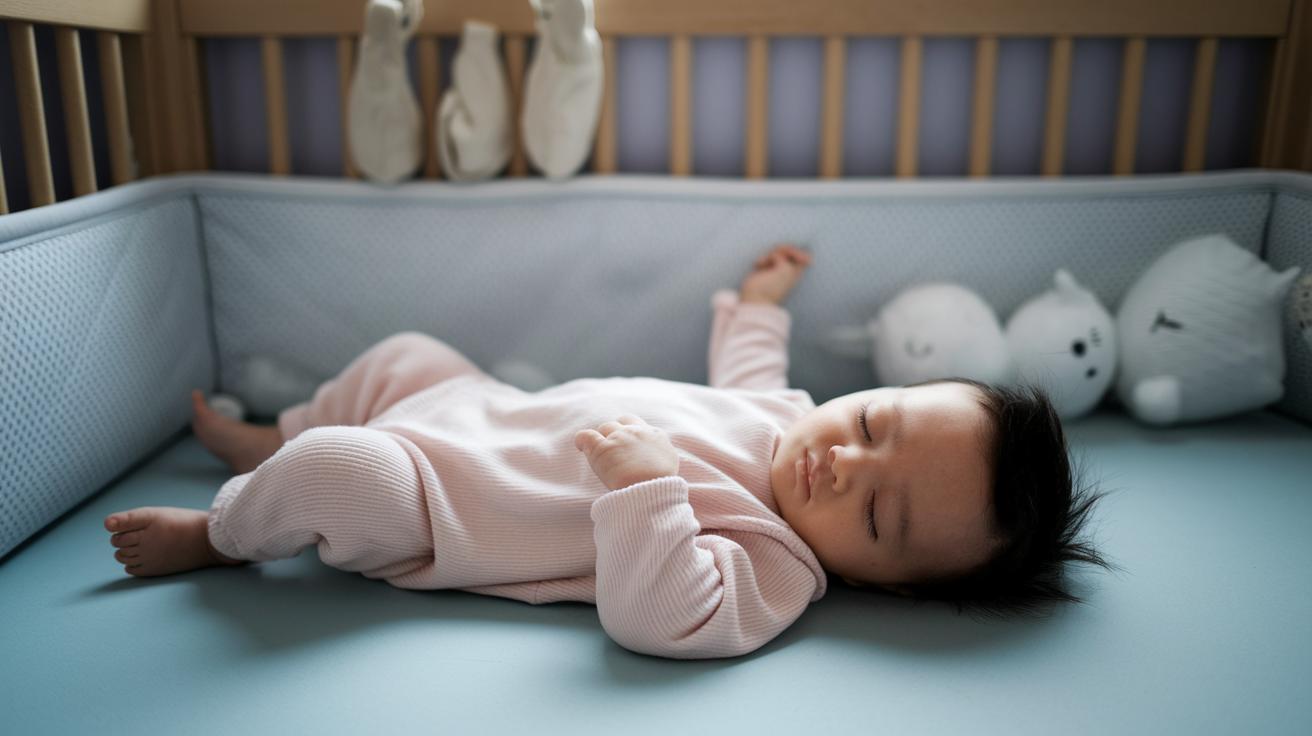
A safe sleep space is the heart of a good sleep routine. Always lay your baby on their back in a firm crib that has no loose bedding or toys. This trusted advice is recommended by pediatric experts to keep your little one secure all night. Keeping the room between 68 and 72°F ensures your baby stays cozy without getting too warm.
Next, set up a peaceful nursery to help your baby wind down. Imagine using soft, dim lights and a gentle white-noise machine to signal that it's time to sleep. These little touches make bedtime feel calm and safe. Trusted safety advice suggests reducing hazards in the room, so you can rest easy knowing your baby is in a nurturing space.
Keep an eye on the crib and the room’s atmosphere. When you adjust things to match your baby’s needs, you create a loving space where safety and comfort go hand in hand.
Best Sleep Training Method Yields Peaceful Nights
As your little one grows, you may notice that sleep patterns sometimes change during important developmental steps. It’s common to see sleep regressions around 4 months, around 8-10 months, or when your baby goes through a big change. For instance, if your baby starts waking more often during a growth spurt, it might be time to adjust your routine just a bit. Try reintroducing your soothing intervals or making gentle tweaks over 3 to 5 days. These small changes can help smooth out the night and keep the sleep routine steady.
A consistent bedtime ritual makes all the difference. Keeping a familiar pattern, like a warm bath, a cozy feeding, and a favorite story, signals that it’s time to sleep. It’s much like a little clockwork that helps your baby know just what to expect each night. It can help to keep an eye out for signs of sleep regression so you can adapt your soothing tactics as needed. This care and attention will help make sure those peaceful nights return, even when changes pop up.
Final Words
In action, this article walked through trusted sleep training options, clear steps, and thoughtful adjustments every parent can use. We highlighted common methods like controlled check-ins, gradual fading, and hands-on support, alongside the need to create a safe sleep setting. We also shared insights from experts and real parent experiences, making it easy to weigh pros and cons. By choosing the best sleep training method for your family, you can create a calm bedtime routine and enjoy more peaceful nights ahead.
FAQ
What are the best sleep training books?
The best sleep training books provide detailed guidance and expert advice for teaching your baby self-soothing techniques. They offer clear steps to build healthy sleep habits at home.
What is the best sleep training method mentioned on Reddit?
The best sleep training method on Reddit often highlights gentle, structured techniques like the Ferber and Chair methods that work well with many families, emphasizing gradual progress.
How does the Ferber method sleep training work?
The Ferber method sleep training works by letting your baby try to self-soothe while you check on them at increasing intervals. This approach builds independent sleep skills over a few days.
What is the best sleep training method for a 1-year-old and a 2-year-old?
The best sleep training method for one- and two-year-olds typically blends consistency with gentle techniques—methods like Ferber, Pick-Up/Put-Down, or a soft fading approach, chosen based on the child’s temperament.
What is the best sleep training method for a 3-month-old?
The best sleep training method for a three-month-old is very gentle, focusing on soothing routines and minimal intervention since newborn sleep patterns are still forming.
How does the Chair method sleep training work?
The Chair method sleep training works by having a parent sit next to the crib and gradually move further away each night, easing the baby into independent sleep while maintaining a comforting presence.
How does the Pick-Up/Put-Down method work?
The Pick-Up/Put-Down method works by soothing a crying baby through gentle picking up and comforting, then returning them to the crib. It helps increase the time the baby learns how to fall asleep alone.
Which sleep training method is most effective?
The sleep training method that proves most effective depends on your baby’s personality and your family’s routine. Many parents find success with structured approaches like Ferber combined with gentle, supportive techniques.
What is the 5-3-3 rule for sleep training?
The 5-3-3 rule for sleep training describes a guideline that adjusts the time between check-ins in a structured way, helping your baby gradually learn to settle on their own.
What is the 10-5-3-2-1 rule for sleep?
The 10-5-3-2-1 rule for sleep training details a sequence of check-in intervals that start longer and get shorter, providing a structure that guides your baby toward independent sleep.
Is the Ferber method better than Cry It Out?
The Ferber method differs from Cry It Out by incorporating scheduled check-ins that balance support and independence, making it a choice for parents seeking a structured yet comforting approach over complete non-intervention.