
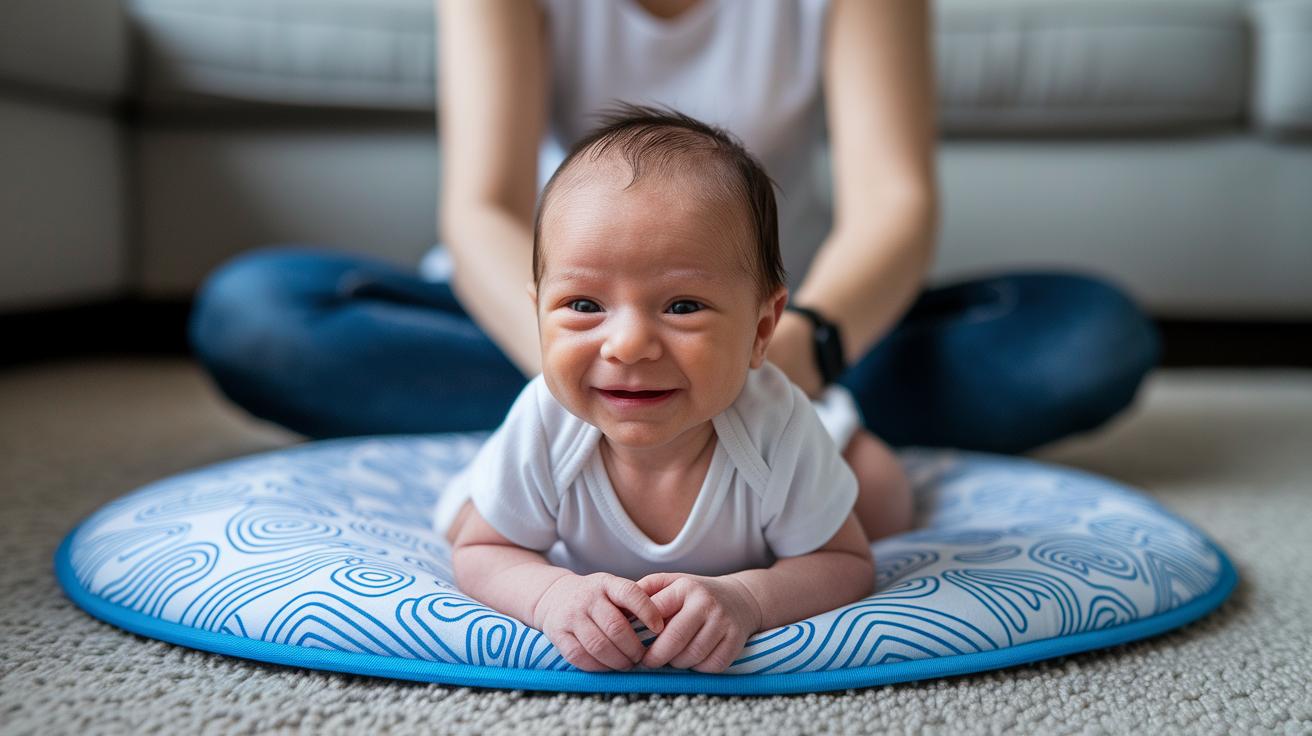
Have you ever wondered when to start tummy time with your newborn? A lot of parents feel unsure, but experts say it’s best to begin during the first week at home.
Imagine your little one gently lifting their head, slowly building muscle strength while getting ready for fun milestones like rolling and crawling. Even a few minutes each day can help improve neck control and bring out those sweet smiles.
By making tummy time a loving, everyday moment, you’re helping your baby grow stronger and gain confidence with every joyful giggle.
Age to Begin Tummy Time with Your Newborn
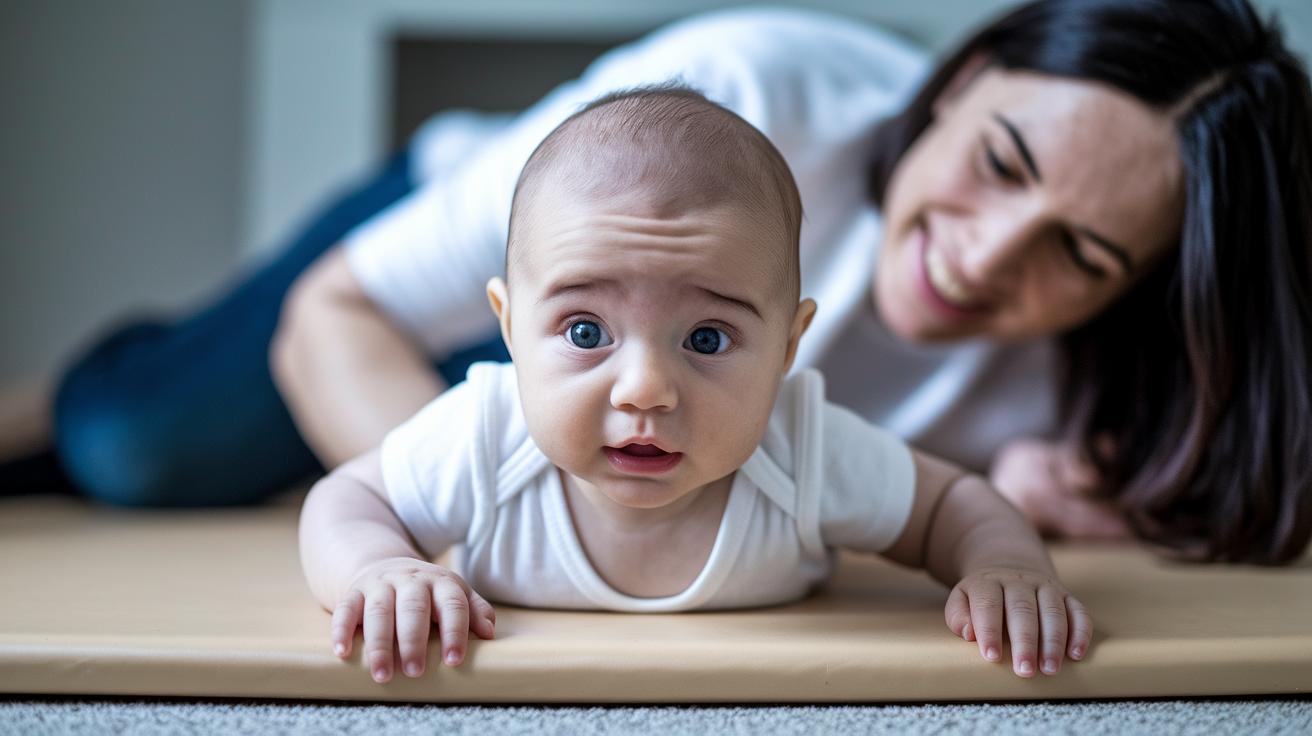
Doctors say those early moments at home are so precious for your baby's growth. The American Academy of Pediatrics recommends starting tummy time as soon as your little one comes home, usually within the first week. Picture your baby as a tiny explorer, finding joy as they lift their head during a few gentle minutes on their tummy.
Try starting with two or three sessions each day, lasting about three to five minutes each time. These short sessions add up to around 15 minutes in a day. It works best to schedule tummy time after a nap or a diaper change when your baby feels calm and alert.
These early tummy time moments help build the muscles needed for head lifting, rolling, and even crawling later on. Get down on the floor with your baby, smiling and talking or singing softly. That simple face-to-face time turns these moments into delightful, bonding experiences, supporting those important motor skills and future milestones.
When to Start Tummy Time with Newborn: Smiles
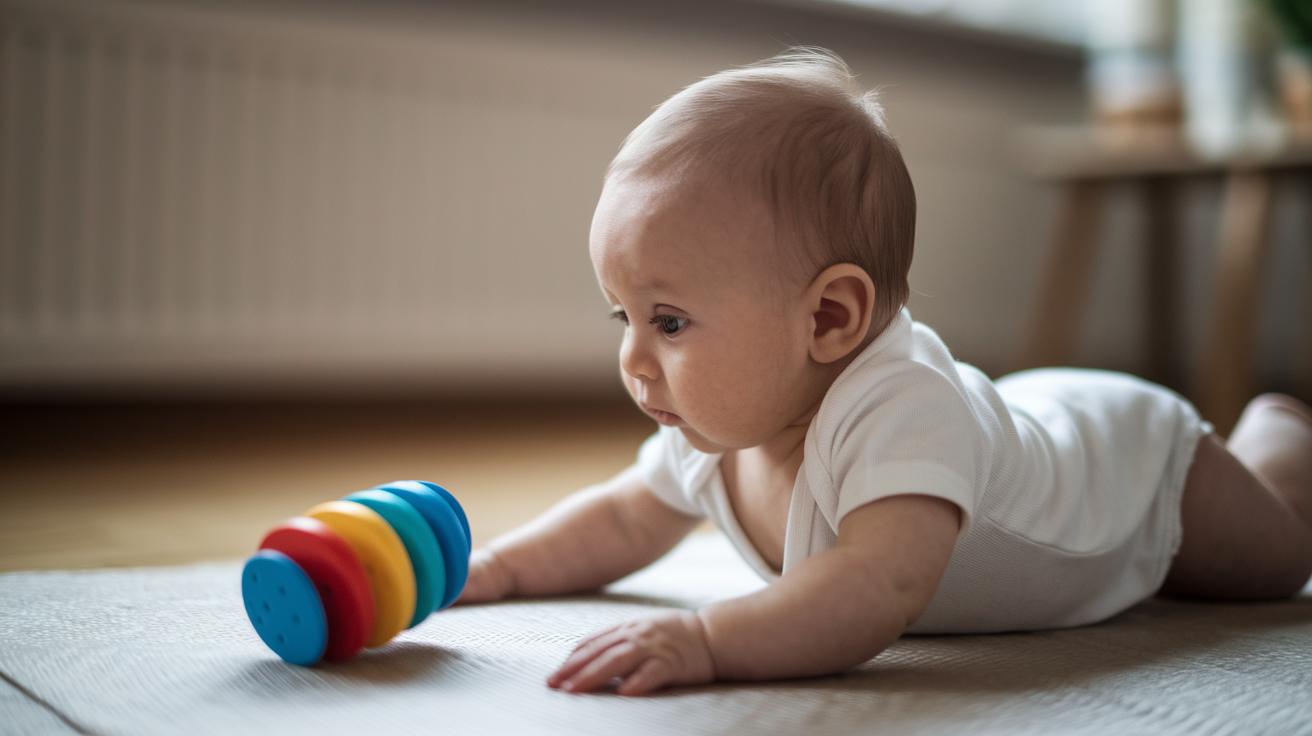
Introducing tummy time from the start helps your baby build the muscles needed for head lifting, rolling over, sitting up, crawling, and eventually walking. Even a few minutes here and there each day can boost neck control and shoulder strength, while also softening any flat spots on their head.
Each tummy time session is more than just exercise, it’s a gentle, heartwarming moment for both of you. Imagine your little one lifting their head just enough to notice a soft, high-contrast toy. It’s a sweet scene that brings a smile to your face and sparks sensory exploration along with motor skills.
Keep these moments light and loving by using easy-to-hold toys like a short rattle or a similar simple plaything. With your attentive supervision, these sessions become a delightful part of your daily routine.
Preparing a Safe Environment for Newborn Tummy Time

Let’s start by finding a firm, flat space for your baby. Imagine spreading out a clean play mat or blanket on a sturdy floor where there’s no risk of loose bedding or soft objects. It’s like setting up a little, secure playground right in your living room.
Keep a close eye on your baby during tummy time. Stay nearby while your little one is awake and without a swaddle, it’s like being their personal guardian, ready to smile, chat, or sing a gentle tune as they explore.
Plan tummy time when your baby is naturally calm. Perhaps after a nap or at least 20–30 minutes after feeding. This simple timing helps keep your baby comfortable and happy, almost like preparing a cozy, quiet space just for those precious moments.
| Tip | What to Do |
|---|---|
| Safe Surface | Use a firm, flat area free from any loose materials. |
| Supervision | Always stay close to keep your baby safe and sound during tummy time. |
| Right Timing | Choose moments when your baby is relaxed and well past feeding time. |
Step-by-Step Guide to Newborn Tummy Time Sessions

Start by gently laying your little one on your chest, tummy down, with their arms tucked in and a little tilt to their head. Think of it as planting a tiny seed that's getting ready to grow strong.
Aim to have tummy time three times a day, keeping each session between three and five minutes. If your baby isn’t up for a longer period, try a shorter one after a calm diaper change or a cozy feed. Watch for that sweet moment when they lift their head steadily, it's a little sign of growing neck strength.
Get down on the floor for some cozy face-to-face time. Sit next to your baby and hold a high-contrast toy just above their eyes to encourage a gentle head lift. If it feels too hard, adjust your angle or bring the toy a bit closer, imagine it like a sunflower leaning towards the light.
Keep an eye out for any signs of tiredness or fussiness. If your baby starts drooping or turning away, it's best to wrap up the session and let them take a little break. Starting with short intervals and slowly building up the time can work wonders. Every little effort is a win!
- Stop the session before your baby shows any signs of discomfort.
- Offer lots of praise to celebrate these small muscle-strengthening moments.
- Feel free to change the surroundings to keep tummy time calm and enjoyable.
Engaging Techniques and Toys for Newborn Tummy Time
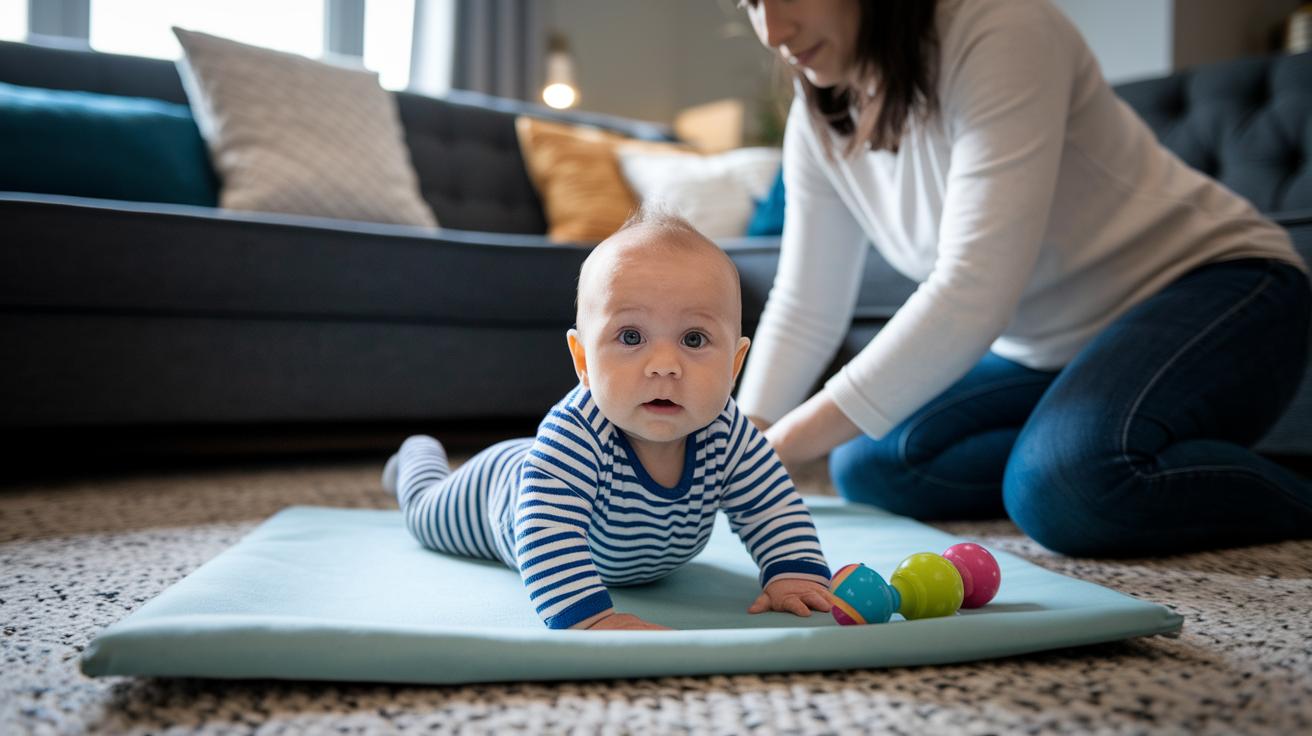
When it's tummy time, try offering a quiet rattle with bold colors or a play mat with fun patterns. A bright, simple rattle can catch your baby’s eye like a friendly wink, inviting them to explore. Imagine your little one’s face lighting up as the shiny colors dance around, gently encouraging them to lift their head to see what’s happening.
You can also mix in some soft sensory play. Lightly tickle your baby's back or sing a soft, face-to-face nursery rhyme while cuddling close. These calm, loving moments not only keep your baby engaged but also wrap them in a soothing hug of trust. Switching toys every few minutes can keep things fresh and spark new moments of discovery, even a baby-safe mirror can offer delightful self-reflection.
Here are some hands-on ideas to try:
- Use a high-contrast rattle or a patterned play mat to catch their attention.
- Mix in gentle tickles and cozy nursery rhymes during face-to-face time.
- Rotate a variety of safe toys, like a baby-friendly mirror, to inspire curiosity.
- Watch your baby closely and adjust activities as needed to keep them smiling.
Each of these gentle play ideas turns tummy time into a warm, creative adventure for both you and your baby.
Tracking Newborn Tummy Time Milestones

In the first few weeks, you might notice your little one turning their head from side to side, sometimes lifting it just a bit while resting a cheek down. It’s a small but heartwarming sign that their neck and shoulder muscles are slowly getting stronger during tummy time.
Around one month, many babies can lift their head about 45° when lying on their tummy and even start propping themselves up on their forearms. Picture a tiny explorer discovering a new view, seeing that little burst of effort might just bring a smile to your face.
By two months, you may see your baby lifting their chest as they balance on their forearms and follow objects with their eyes. At three months, expect to see them pushing up on their hands, stretching their arms fully, and reaching out for nearby toys. These gentle milestones help you easily track their progress and adjust tummy time as their strength grows day by day.
Final Words
In the action, we shared clear guidelines on when to start tummy time with newborn, offering practical tips for daily sessions. We explored safe setups, simple step-by-step techniques, and engaging ways to help build your baby’s strength. Each section focused on making tummy time both fun and secure. Remember, small sessions add up over time and bring big wins for your baby’s development. Enjoy these precious moments as your little one grows with care and confidence.