
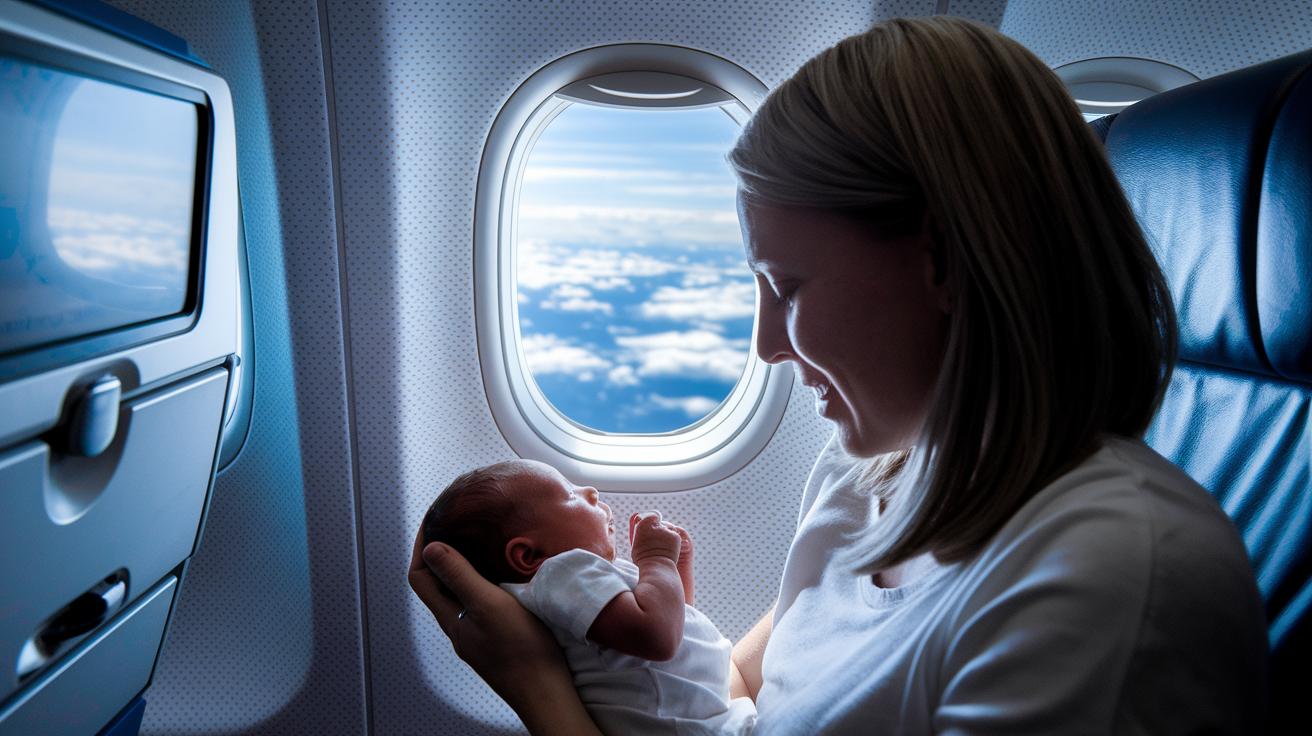
Have you ever thought that flying with your newborn might be easier than you expect? With a bit of planning and a few handy tips, you can change a stressful flight into a calm, pleasant journey. Imagine choosing a seat that makes feeding and moving around simple, all while knowing the rules ahead of time. This guide shares easy, step-by-step ideas to help relax your mind and enjoy every moment of traveling with your little one. Have a smooth trip and see how a small plan can really make a big difference.
Flying with Newborns: Key Steps for a Smooth Flight

Flying with a newborn can feel a bit overwhelming, but a little extra planning goes a long way. Every detail counts, from checking infant ticket rules to picking the best seat. Some airlines let little ones under two travel as lap infants with little or no extra cost if you’ve booked in advance. Often, you might need a birth certificate to prove your baby’s age, so it’s smart to confirm the requirements with customer service or on the airline’s website. With thoughtful planning, you can relax and enjoy your journey rather than fretting over unexpected issues.
A few simple choices can truly transform your travel experience. It helps to pick seats that offer privacy when nursing or let you move around with ease. Make sure your essential gear, like a car seat or stroller, is checked without extra fees. And don’t forget, U.S. airlines usually offer family pre-boarding, giving you a little extra time to settle in before the rest.
- Confirm airline policies for newborn fares and lap seating
- Choose seats that are good for feeding and easy movement
- Schedule flight times around your baby’s sleep routine
- Plan for baggage and gear check-in (car seat, stroller)
- Arrange for family pre-boarding and early arrival
- Pack sanitizing wipes and comfort items
Taking these steps helps set the stage for a calm, smooth flight with your little one. By confirming policies and making plans that fit your baby’s needs, you can cut down on stress and enjoy a more pleasant trip for the whole family.
Booking and Airline Policies for Newborn Air Travel

When flying with your baby, picking the right fare and seat can make the trip so much easier. Many parents choose between a lap infant seat, which might be free or come at a lower cost on some airlines, or going for a full seat with an FAA-approved car seat to give extra peace of mind. Some airlines even have special bulkhead seats that offer bassinets. It’s a great idea to ask about these options when you book.
Here are some things to think about:
- Lap infant versus purchased seat decision
- FAA-approved car seat rules and where to put it
- Booking bassinet or bulkhead seats
- Gate check rules and any fees for strollers and car seats
- Joining airline loyalty programs
When picking an airline, look for one that’s known for being family-friendly and flexible with flight reservations. Airlines that let you board early give you a little extra time to settle in and organize your essentials before everyone else gets on. Taking a few minutes to check these details ahead of time can make your journey smoother and keep your little one safe and comfortable. Enjoy the flight and those sweet moments along the way!
Packing and Gear Essentials for Flying with a Newborn

When you’re getting ready to fly, it helps to think of diapering like a little safety net for your baby. Pack an extra outfit (just in case), lots of diapers, wipes, and a wet bag for any spills. It’s really like having a mini emergency kit for those unexpected moments.
Next, remember to pack feeding and comfort items. Be sure you have enough breastmilk or formula, extra bottles, and even pre-measured baby food. A pacifier or a special bottle for takeoff and landing can make a big difference when it comes to easing ear pressure. These items help keep your little one happy and relaxed, even when the flight gets a bit bumpy.
It also pays to pack smart. Place these essentials in your carry-on so you can reach them easily. A few clear pouches can make security checks a breeze while keeping your diapering, feeding, and comfort supplies neat and accessible. Have a protective bag handy for gate-checking your car seat or stroller, and throw in some hand-sanitizing wipes to keep your seating area clean. This organized approach really helps you find what you need in a flash, giving you one less thing to worry about as you travel.
Navigating Airports and Boarding with Your Newborn

When planning your airport day, try arriving early. This little extra time helps you check in without a rush and lets you snag all the baby essentials you need. Many airports get how traveling with a newborn can be a whirlwind, so arriving ahead of schedule often means you can enjoy benefits like pre-boarding, making the whole journey feel smoother.
At security, a friendly tip: let the officers know you’re carrying baby food and bottles. Using a baby carrier can really free up your hands as you make your way through the checkpoint. Also, having your baby’s documents, like a birth certificate or a passport copy for lap infants, ready to go helps avoid delays and keeps things running along nicely at the TSA family lanes.
After clearing security, it’s a good idea to check in with your boarding gate early. When it’s time to board, gate-checking your stroller and car seat before you get on the plane cuts down on last-minute stress. Taking a moment to get settled at the gate gives you time to organize your things, soothe your little one, and step onto the plane with a warm, confident smile.
In-Flight Care: Feeding, Sleeping, and Entertainment for Newborns

Feeding Tips
During takeoff and landing, try offering your baby a bottle, breast milk, or pacifier. This little trick helps ease ear discomfort by syncing feeding time with the flight’s pressure changes. If you're bottle-feeding, pre-fill a few extra bottles since cleaning up on the plane can be a hassle. Think of it as having a mini dining kit on hand, just a small effort that makes a big difference.
Sleeping Strategies
When it comes to sleep, a smart seat choice can really help. Try to match your baby’s nap and bedtime routines with the flight schedule if possible. For longer trips, consider booking a bulkhead seat that might come with a bassinet option. This setup gives your little one a flat, cozy spot to rest, creating a familiar and soothing environment right in the sky.
Entertainment Suggestions
For babies over six months who need a bit more to keep them occupied, pack along a few soft, age-appropriate toys or set up a quiet music app. These gentle distractions provide just enough sensory play without overwhelming your baby. Even a few small, thoughtful items can help turn quiet moments into pleasant, engaging times for both of you.
Soothing and Comfort Strategies during Baby Flights

When you travel with your little one, sudden shifts in cabin temperature can catch you off guard. A smart trick is to dress your baby in layers. A cozy onesie teamed with a soft jacket or a gentle blanket lets you easily add or remove a layer, much like dressing for a day with changing weather.
During takeoff or when the plane experiences turbulence, soothing your baby can be as simple as a tender rock or a quiet lullaby. You might also find that a white-noise app in the background helps calm the mood. Offering a pacifier or a bottle can relieve ear-pressure discomfort, making those noisy moments a bit more bearable for those tiny ears.
Staying calm is perhaps your best helper in these situations. When delays or mild turbulence arise, a relaxed parent creates a warm and reassuring atmosphere for their baby. Taking a few slow, deep breaths and reminding yourself that a little crying is completely normal can really make a world of difference for both you and your little traveler.
Managing Common Mid-Flight Challenges with Newborns

When you're in the airplane lavatory, you'll notice a pull-down changing table. As soon as you place your baby on it, secure them with the straps provided. Keep a small drying cloth nearby to quickly wipe off any dampness.
If your baby starts to fuss during the flight, try soft adjustments in your area. Dim the lights and use a gentle hum to create a little calm space that helps your baby settle down.
During a bout of turbulence, take a moment to check your seating arrangement. Decide if it's safer to have your baby in their car seat or in your arms. A quick look and a friendly word with the flight attendant can clear up any uncertainty.
After an unexpected spill, grab some sanitizing wipes and quickly clean the tray table, armrests, and nearby surfaces. This simple step prevents a small mess from turning into a big disruption.
Final Words
In the action, the article breaks down smart planning, careful packing, and in-flight care into clear steps so you feel ready for every moment. Each section offers practical tips, from confirming airline policies and selecting seating to soothing techniques and handy gear ideas.
Following these simple tips for flying with newborn can make air travel smooth and nurturing. Enjoy a calm, confident flight with your little one and trust in your well-prepared plan.
FAQ
Frequently Asked Questions
Q: What are some tips for flying with a newborn?
A: The tips for flying with a newborn include checking airline policies, opting for family pre-board, scheduling flights around your baby’s nap times, and packing extra comfort items to ease stress for both of you.
Q: What are some tips for international travel with a baby?
A: The tips for international travel with a baby involve verifying infant travel requirements, preparing necessary documents like birth certificates or passports, and packing sufficient supplies to keep your little one comfortable throughout the journey.
Q: How safe is it to fly with a 6-month-old or a 1-year-old baby?
A: The safety of flying with young infants is supported by following airline guidelines, using proper seating options, and preparing feeding items for ear-pressure relief, making the flight experience manageable for both parent and child.
Q: When can a newborn travel by plane or by car?
A: The timing for newborn travel depends on your baby’s health and your pediatrician’s advice. Typically, air travel for a full-term baby can start after a couple of days while car trips may be safe once your baby has settled a bit.
Q: What is the best way to fly with a newborn?
A: The best way to fly with a newborn is by planning ahead—review airline policies, book family pre-boarding, choose comfy seats, and pack feeding supplies and pacifiers that ease ear pressure during takeoff and landing.
Q: What is the hardest week with a newborn?
A: The hardest week with a newborn is often the first week when routines are still forming and both baby and parents adjust to new patterns, though comfort and familiarity gradually grow with time.
Q: How can you prevent a baby’s ears from hurting on a plane?
A: The method to help prevent ear discomfort involves feeding or using a pacifier during takeoff and landing, which soothes and balances ear pressure, providing relief for your baby during the flight.