
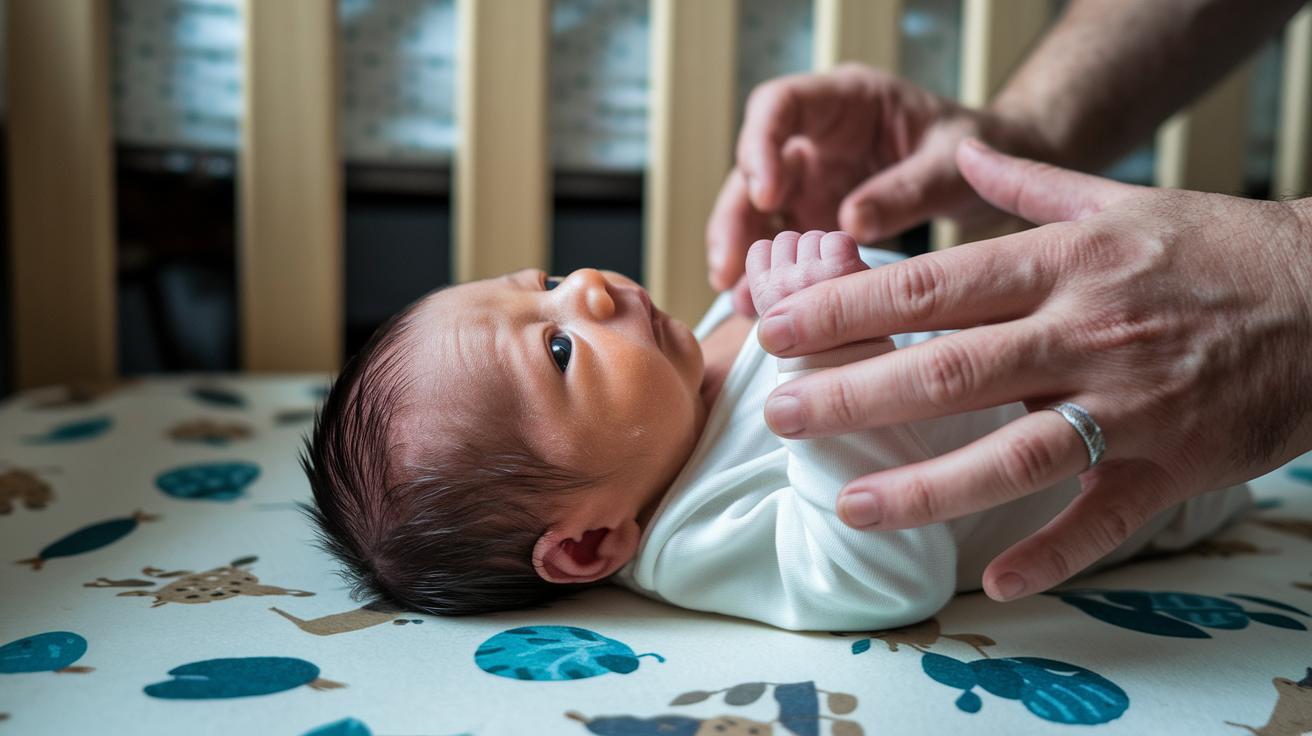
Have you ever noticed those sweet, little moments when your baby lifts their head during tummy time? It might seem small, but every chin lift shows that your little one is working hard and growing stronger. In the days and weeks after birth, these gentle movements are the first steps toward rolling, sitting, and even crawling. Each tiny lift is a sign of joyful growth, and every little bit really matters.
when can newborn hold head up: Joyful Growth
It doesn’t take long before you start noticing little signs of strength in your baby. Even in those early days, you might see your little one gently lifting their head while lying on their tummy. Their neck muscles are still soft, so even a short lift is a tiny cheer for progress. Sometimes, you might catch a sweet little chin lift as soon as one week old, all thanks to natural reflexes that help guide those first movements. These moments are quietly wonderful and can be very reassuring as you cuddle and support your baby through each precious milestone.
| Age Range | Milestone |
|---|---|
| 0–1 week | Brief head raises during tummy time |
| 1–2 months | Starting to lift the chin while on tummy |
| 3–4 months | Head lifts reaching 45–90° when prone |
| 5–6 months | Full head and chest lift while on tummy |
As your baby gains a bit more control, these small feats are paving the way for bigger adventures like rolling over, sitting up, and eventually crawling. It’s amazing how a little extra head lift or a steadier hold can light up your day, reminding you that each moment of growth is worth celebrating. Regular tummy time and gentle play help build the strength that leads to more fun and exploration.
Neuromuscular Foundations of Head Control
Right from birth, having a bit of head lag is completely normal. At first, your baby’s head might droop because those neck muscles are still very fragile. The body’s natural reflexes, like the tonic neck reflex, give your baby a brief moment of head lift, hinting at the progress to come. By around one month, you might notice a few seconds of chin lift during tummy time, a gentle sign that the muscles are starting to work together. And by the time your baby is around two months old, if you hold them while seated, their head will feel steadier. This is their first step toward strong neck support, leading to many more developmental milestones in the months ahead.
Factors Influencing Newborn Head Control Development

Even before your little one is born, many important factors are at work to build neck strength. How your baby lies in the womb and their birth weight can affect muscle tone. If your baby arrives a bit early or is slightly smaller, it might take a little longer for those first chin lifts. Good nutrition and plenty of tummy time after birth go a long way in strengthening those muscles.
- Prematurity and gestational age
- How your baby is positioned in the womb
- Differences in muscle tone (whether the muscles are a bit loose or stiff)
- Regular tummy time to encourage strength
- Overall nutrition and health
At about two months, regular checkups let your pediatrician keep an eye on these early changes. They gently check your baby’s neck strength to catch any small delays early. With a few tweaks in tummy time or feeding, you can feel reassured that your baby is on a steady path toward strong head control and new physical milestones.
Activities and Positioning to Encourage Head and Neck Strength
When you set your baby in the right position, you're helping them build strong arms, neck, and shoulder muscles, all essential for happy, joyful movement. Right from day one, short tummy time sessions let your little one learn how to lift their head and take in all the new sights and sounds around them. Experts suggest starting with 1–2 minute sessions a few times a day, and slowly working up to 15–20 minutes by the time they're 3 months old.
Here are some easy ways to get started:
- Start tummy time on day one with brief sessions.
- Gradually add a little more time and repeat the sessions.
- Help support your baby’s upper body on their forearms during tummy play.
- Place bright, colorful toys at eye level to gently encourage them to lift their head.
- Try varying the positions: sometimes chest-down, other times on their shoulders, or even in your lap.
Step by step, each little moment counts. Mixing up these positions gives your baby a chance to try different angles, safely building the strength they need for new milestones like rolling over or sitting up. It’s a bit like piecing together a puzzle, every tiny effort leads to a fuller picture of their growth. For more cozy tummy time tips, check out our guide on when to start tummy time with your newborn.
Warning Signs of Delayed Head Control and When to Seek Help
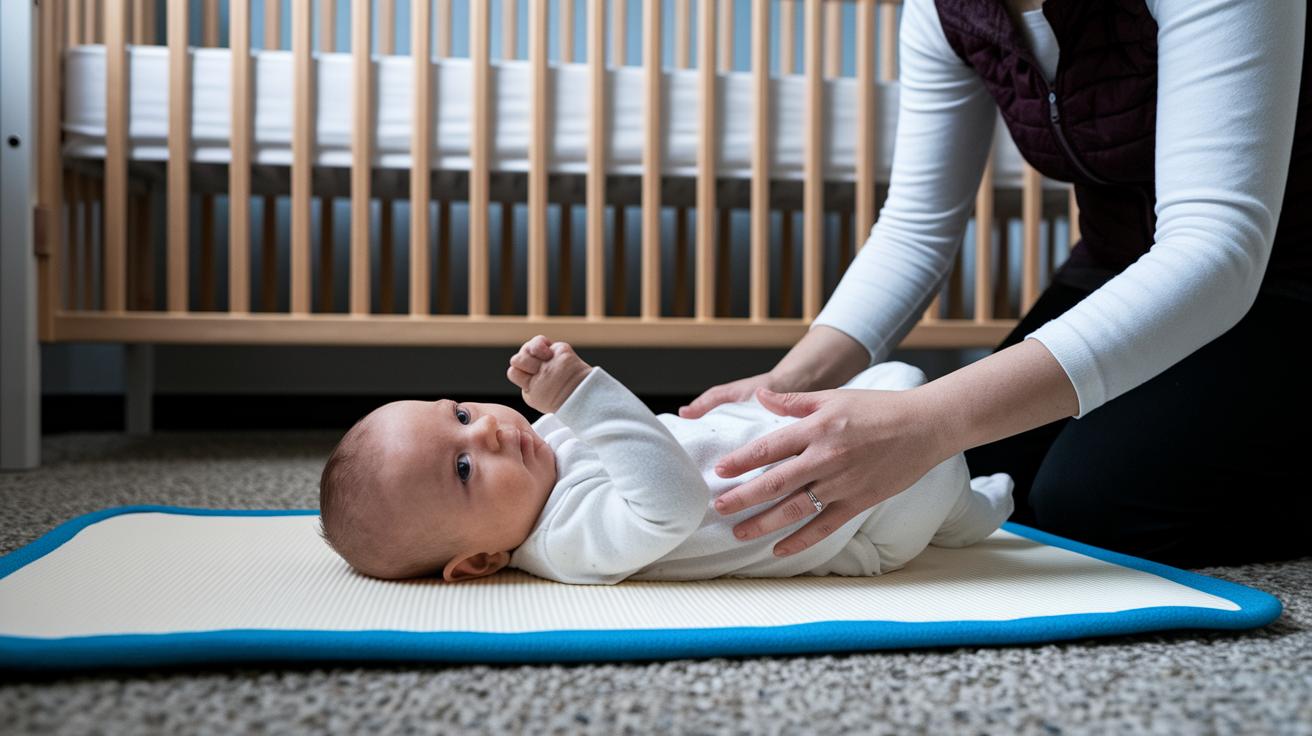
By the time your little one turns 3 months, you usually see them lifting their head at more than a 45° angle during tummy time and keeping it steady when you support them. If you’re not noticing these moves, it might be a clue that head control is taking a little longer to develop.
You know, sometimes these early signals can gently hint at lower muscle strength or other underlying factors. Just to give you an idea, here are a few things that might show up:
- Your baby isn’t lifting their head during tummy time.
- Their head movements seem floppy or uneven.
- There’s no progress when they’re in a supported sitting position.
- They don’t display the neck righting reflex, which helps them adjust their head when moved.
If you catch any of these signs, it might be a good idea to have a chat with your pediatrician. A careful look by a professional can ease your mind and help decide if a referral to a pediatric physical therapist might be useful to boost muscle strength and coordination. Regular checkups are often a great way to catch these things early and start supporting your baby’s journey with extra care.
Next Milestones After Mastering Head Control
Once your baby starts showing steady head control, a whole new journey of movement begins. That strong little neck is the first sign they're ready to explore more. You might see them rolling over at about 4 to 5 months, and that little tumble is so full of promise. Before you know it, between 5 and 7 months, your baby could start sitting up on their own, a true sign of growing balance and strength.
Each new move builds their core and helps them get ready for even more independence. With lots of tummy time and a little loving help along the way, crawling often comes next around 8 to 10 months. Soon after, between 9 and 12 months, they might even pull themselves up to stand. Every step is a heartwarming milestone that shows just how much they're growing and learning every day.
| Milestone | Typical Age |
|---|---|
| Rolling Over | 4–5 months |
| Sitting Up | 5–7 months |
| Crawling | 8–10 months |
| Pulling to Stand | 9–12 months |
Final Words
In the action, we saw that many babies might briefly lift their head early on, while true stability usually comes between 2 and 6 months. We explored steps like tummy time, safe positioning, and important check-ins to identify when can newborn hold head up as muscle strength grows.
Each phase builds a foundation for rolling, sitting, and crawling. Supporting these early moments brings comfort and joy as your baby celebrates every little win.
FAQ
When do newborns typically start lifting their heads?
The idea that newborns begin to lift their heads is seen when they briefly raise them early on. Many show early signs in the first days, with more noticeable lifts between 1 week and 3 weeks during tummy time.
What if my baby is not holding their head up at 3 or 4 months?
The notion that a baby isn’t holding up their head by 3 to 4 months may simply reflect normal variation. Neck strength builds gradually, and some infants take a little longer. If you’re worried, consider asking your pediatrician.
Is it normal for my 2-week-old to hold his head up?
The observation that a 2-week-old holds his head briefly shows early muscle work. At this stage, baby’s head control is very limited and needs gentle support, which is entirely normal.
When can babies sit up safely?
The idea of sitting up safely usually happens around 5 to 7 months as babies develop stronger neck and core muscles, building on earlier head control milestones.
Why can’t babies hold their head up initially?
The fact that babies can’t hold their head up at first is due to naturally weak neck muscles at birth. As they engage in tummy time and muscle development continues, head control gradually improves.
When can you stop supporting a baby’s head during holding?
The concept of stopping head support comes when a baby consistently controls head movements, typically after 3 or 4 months. Observing steady, controlled lifts often guides when less support is needed.
What milestones indicate developing head control?
The idea that head control marks a key milestone is shown by early brief lifts in the first week, starting chin elevation at 1 to 2 months, and lifting the head 45–90° during tummy time by 3 to 4 months, which leads to rolling and sitting.
What is often the hardest week with a newborn?
The notion that the first week is the toughest reflects the adjustment period for both baby and parents. It’s a time of new routines, sleep changes, and learning how to care for a tiny human.