
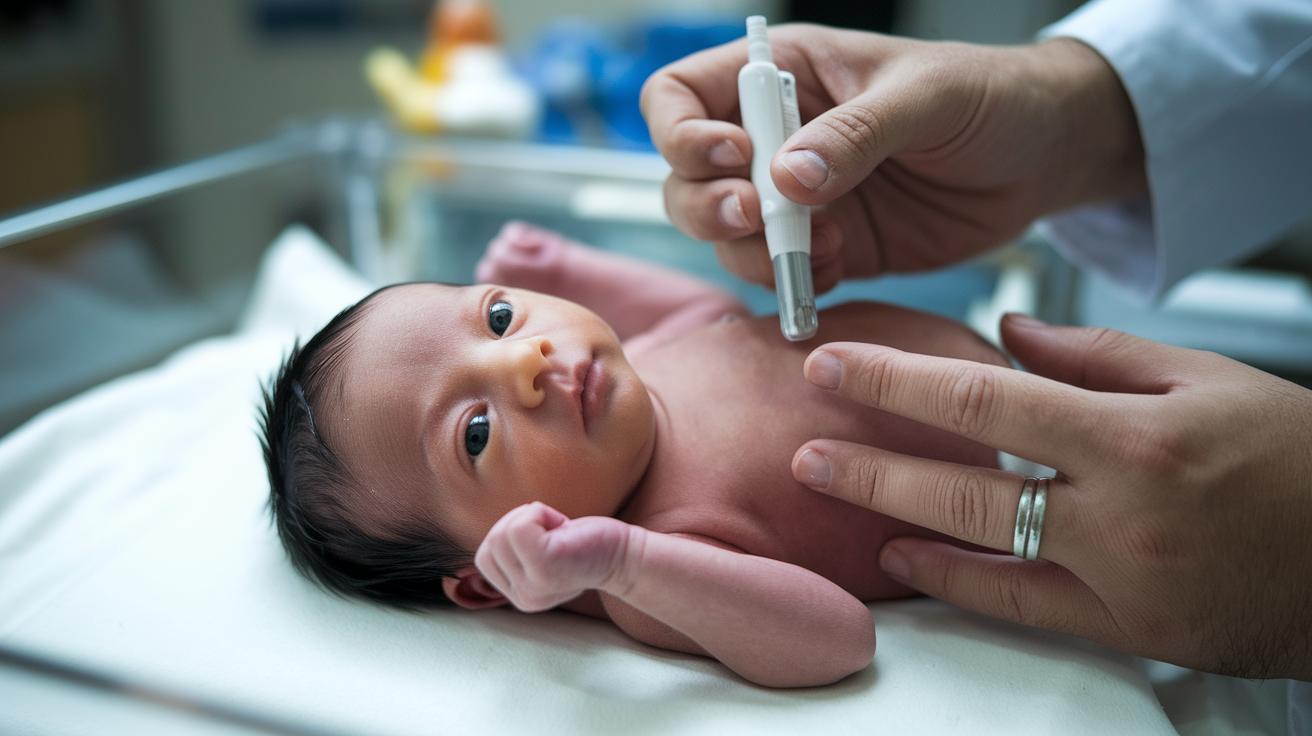
Have you ever been curious about what happens during your newborn’s first exam? It’s a gentle check-up where caring professionals look over every little detail, from your baby’s soft skin to those tiny weight measurements.
Think of it like getting a quick tune-up for your car that catches small issues before they turn into big worries. This simple exam not only puts your mind at ease but also gives your little one a bright, healthy start on their lifelong journey.
What to Expect in a Newborn Exam

We want to help your little one get started on the right foot. Within three days of birth, a caring health professional will gently examine your baby in a private space. They take extra care by washing their hands and using protective gear to keep your baby safe and your privacy respected.
This thoughtful check-up helps us learn about your baby’s health and keeps you feeling reassured and informed.
During the exam, the practitioner chats with you, asks a few simple questions, and records your baby’s weight on a standard chart. They also look at your baby’s color, muscle tone, and overall appearance with great care. Every step is designed to catch any early signs that might need attention.
Imagine it like giving your car a quick check-up after a long drive. Inspecting each part now can prevent a bigger issue later. Every little detail matters when it comes to your baby’s health.
Every newborn exam covers these important areas:
- Questions for parents
- Weight measurement
- General appearance check
- Head exam (looking at size, shape, and the soft spot)
- Skin inspection (noting any birthmarks, bruising, or cuts)
- Careful documentation of all findings
This careful approach makes sure every key part of your baby’s early health is looked at. By checking these six essential areas, health care professionals can spot any early challenges and share valuable insights with you. In doing so, they build a strong foundation of trust and care from the very first moments of your baby’s life.
Key Steps in the Newborn Exam Procedure
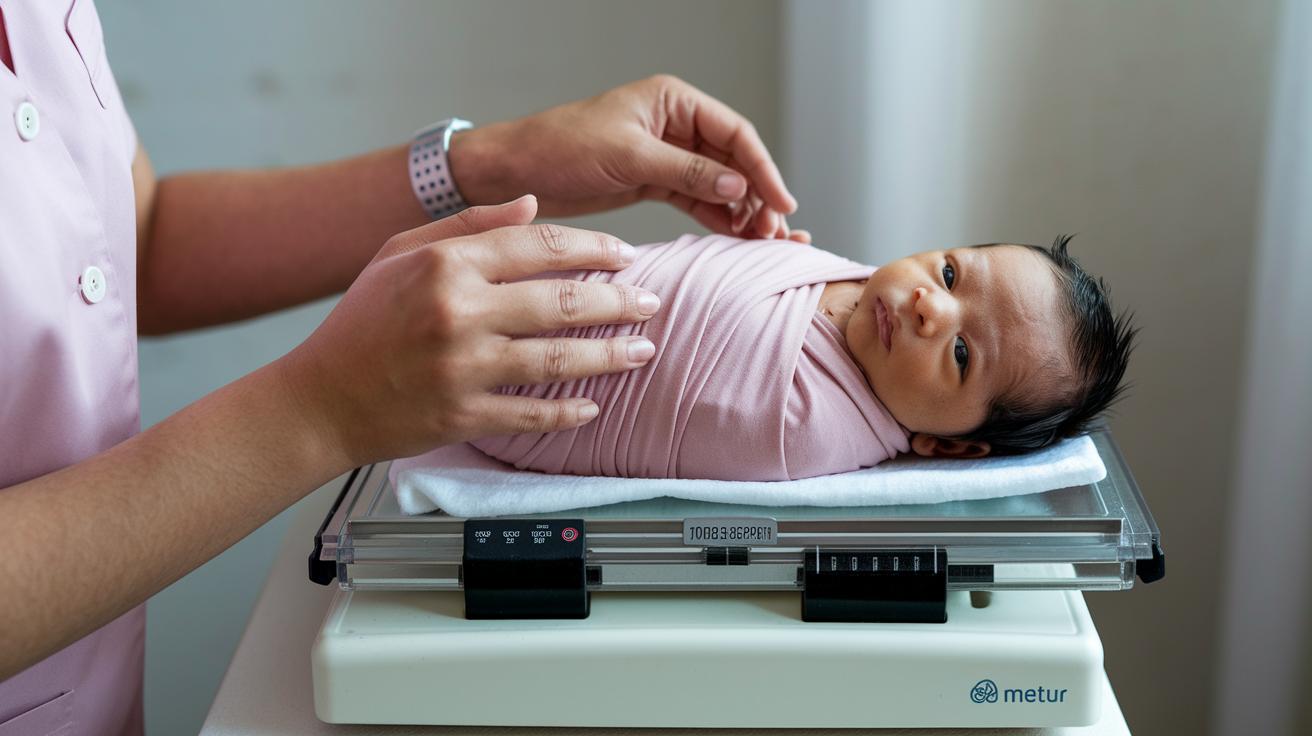
When your baby is first examined, a caring practitioner guides the process with a gentle, head-to-toe check. It all begins with a friendly conversation with you, ensuring that every little detail is noticed. Each step helps spot tiny signs that might need extra care so you can feel reassured.
- First, the provider chats with you about the birth story and how your baby is doing right away.
- Next, they use a trusted baby scale to measure your little one’s weight accurately.
- They then give a gentle look at your baby’s color, tone, and overall appearance.
- After that, the examiner carefully inspects the head, checking its size, shape, and soft spots to catch any differences.
- The skin is then examined closely for any marks, bruises, or scratches, with notes made on a detailed body map.
- Your baby’s face and eyes are looked at with extra care, making sure everything appears just right.
- The ears are checked to see if they’re symmetrical and free from any extra bits like skin tags.
- With a small depressor and a light, the provider then examines the inside of your baby’s mouth and the roof of the mouth to ensure there are no gaps.
- The neck is gently observed for any unusual folds or soft areas.
- The chest is listened to carefully to count breaths (typically 40-60 per minute) while the heart and lungs are also checked.
- They look at the tummy to make sure it isn’t swollen and gently press to detect any unusual size of organs.
- The genital area is carefully assessed to confirm that everything is in order.
- The lower limbs are examined for balance, with special tests (Barlow and Ortolani) performed on the hips to ensure they are stable.
- Finally, the back and spine are inspected, and the provider checks to ensure the anus is open and functioning properly.
Each of these steps is designed with care, helping ensure your baby’s healthy start and offering you peace of mind.
Assessing Vital Signs and Anthropometric Measures in the Newborn Exam

When your baby is first examined, the doctor gently checks key signs that tell us how the little one is doing. They measure the baby’s breathing, heartbeat, oxygen level, and even body temperature with caring tools like a pediatric stethoscope and a small thermometer placed under the arm. It’s like getting a little snapshot of early health that parents can trust.
They also record the baby's weight, length, and head size using a WHO growth chart. These numbers help spot any early clues that might need attention later, giving you peace of mind and a helpful guide to monitor your baby’s growth.
| Measure | Normal Range |
|---|---|
| Respiratory rate | 40–60 breaths/min |
| Oxygen saturation | ≥95% Sat, <3% difference |
| Head circumference | Plotted on WHO chart |
Each number offers a caring peek into your baby’s overall condition, almost like little milestones on a journey of growth. With this attentive exam, any tiny change in health is noticed early, so the care team can offer support and follow-up steps whenever needed. Isn’t it comforting to know that every little detail is watched over with such care?
Neurological and Reflex Testing in Your Newborn Exam

This part of the exam helps the healthcare provider see how your baby’s brain and nerves are working right from the start. A gentle check of reflexes shows how your little one responds to simple touches, giving early hints about their neuromuscular progress and overall health. The doctor carefully observes these responses to decide if any extra tests might be needed.
For example:
- Palmar grasp reflex – the doctor watches how your baby grips a finger or a small object.
- Sucking and rooting reflexes – these tests check how your baby instinctively latches on or turns their head when touched near the mouth.
- Stepping reflex – the examiner looks to see if your baby makes small stepping motions when held upright with feet touching a surface.
- Moro reflex – this looks at your baby’s startle response when gently eased into a little drop in support.
- Modified Sarnat exam – if there’s any concern about brain function, this test helps check for signs of neurological issues.
Any unusual results from these simple tests will lead the doctor to look a bit closer. It’s all about making sure your baby is off to a healthy start, and that they get any extra care they might need right away.
Lower Limb Examination

When checking your baby's lower limb, we take extra care to look closely at hip stability. We gently test muscle tone and movement to make sure every little leg is balanced.
- For the Barlow maneuver, we softly nudge the hip, much like giving a door a little tap to see if it swings open on its own.
- With the Ortolani maneuver, we gently guide the hip back into place, similar to setting a wobbly toy straight on a stable surface.
- We also check for evenness in the thigh-gluteal fold, like comparing two sides of a soft, evenly spread blanket.
If we notice any signs of instability, we might suggest a hip ultrasound to check for developmental hip dysplasia (DDH).
Documentation and Follow-Up Recommendations after the Newborn Exam

During your baby's exam, every little detail is carefully recorded using our special body-map templates, and then added to your baby's official health files. We note everything, from a tiny birthmark to overall check-up results, so nothing slips through the cracks. This complete record makes it easy for healthcare providers to check on any concerns and plan any extra care when needed. It also helps avoid any mix-ups, giving you peace of mind as you watch your little one grow.
• Parent communication: We explain the exam results clearly, answer all your questions, and make sure you know what each finding means for your baby's well-being.
• Safe sleep advice: We share friendly tips on safe sleep positions to help keep your baby’s sleep secure. For more details, visit https://bsnuggs.com?p=211.
• Scheduling follow-up: We let you know when the next pediatric visit should be and suggest any further assessments. Check out helpful first-time parent tips at https://bsnuggs.com?p=568.
During the exam, our warm and supportive environment lets you bond with your baby as you see the gentle care in action. This close interaction not only reassures you but also invites you to be an active part of noticing new developmental milestones, a sweet start to your baby's health journey.
Final Words
In the action of reviewing the newborn exam, we uncovered its essential steps, from the initial questions and weight check to detailed physical, neurological, and hip stability evaluations, along with thorough documentation and follow-up recommendations.
Each part works together to support your baby's health and development. Embracing these clear steps can ease your mind and keep your baby safe, ensuring the newborn exam sets the stage for early, gentle care.
FAQ
What is the newborn examination?
The newborn examination is a head-to-toe check performed within the first few days of birth by a qualified professional. It reviews vital signs, reflexes, and overall health to reassure and guide parents.
What does a complete newborn physical examination include?
The complete examination covers questions for parents, weight measurement, overall appearance, head and skin assessment, neurological reflexes, and hip stability tests. These steps ensure the baby’s early health and safe development.
Where can I find a newborn exam checklist or template?
The newborn exam checklist and template are structured guides used during the assessment. They list steps like vital checks, reflex tests, and parental questions to help health professionals perform a thorough and consistent evaluation.
Are there available PDF or PowerPoint resources for newborn examinations?
PDF documents and PowerPoint presentations offer clear, visual guides on newborn exam procedures. They serve as useful training tools for health professionals and ensure that every step of the evaluation is followed diligently.
What are the key reflexes checked during a newborn exam?
The key reflexes include the Moro, rooting, sucking, grasping, and stepping responses. These tests help assess the infant’s neurological development and provide insight into their alertness and muscle tone.
What makes the first week with a newborn particularly challenging?
The first week is often challenging because parents adjust to new routines while the baby undergoes vital examinations and assessments. Newborns require frequent feedings, sleep adjustments, and careful monitoring during this time.
What tests are done on newborns after birth?
Newborn tests include a thorough physical examination, vital sign measurements, reflex assessments, hip stability screening, and sometimes blood tests. These procedures help detect any issues early, ensuring the baby’s well-being.