

Are bedtime struggles wearing you out? By eight months, your little one should be getting 12 to 14 hours of sleep a day, but making that happen can feel like a real puzzle. Sleep training might be the gentle answer you need. It can turn tired, stressful evenings into calm, cozy moments. In this article, I share simple, step-by-step tips to help your baby learn how to soothe themselves into a peaceful rest. Imagine a bedtime where both you and your baby feel relaxed and cared for. Isn't that a wonderful way to end the day?
Sleep training 8-month old: Sweet Sleep Success

At 8 months, your little one usually needs between 12 and 14 hours of sleep each day. That breaks down to about 10 to 12 hours during the night plus two naps of 1 to 3 hours each. A steady bedtime between 7:00 pm and 8:00 pm, along with a wake-up at around 7:00 am, gently sets their internal clock. A soft cuddle or a soothing lullaby right before sleep can help ease them into dreamland, almost like whispering, "It’s time to rest," as they slowly relax.
Sticking to a consistent sleep schedule really helps your baby form healthy sleep habits and builds a dependable rhythm that soothes them. When routines are maintained, there are fewer disruptions and bedtime feels much more calming. This regular schedule can be a lifesaver during those sleep regression days common around 8 to 10 months when naps might shorten or night wakings might become more frequent.
Sleep training opens up gentle methods like gradually fading your presence, a pick-up-put-down approach, or using slow interval techniques to encourage self-soothing. These tactics not only help your baby learn to fall asleep on their own, but they also create a safe, peaceful sleeping environment in line with trusted safe sleep guidelines (https://bsnuggs.com?p=211).
Understanding sleep patterns of your 8-month-old

At eight months, your baby usually gets around 12 to 14 hours of sleep every day. That breaks down to about 10 to 12 hours at night, with a couple of naps during the day adding up to roughly 1 to 3 hours. It’s like having a well-tuned routine where long nighttime rest and short daytime breaks work hand in hand to keep your little one happy and growing.
When your baby is awake, they are typically alert for about 3 to 3.5 hours. This provides plenty of time for little adventures, learning new things, and enjoying some playful moments. Keeping a steady wake-up time, say around 7:00 am, can really help set a smooth rhythm for the whole day. Imagine a friendly alarm that gently nudges your baby to greet the day full of curiosity and smiles.
Step-by-step sleep training plan for your 8-month-old
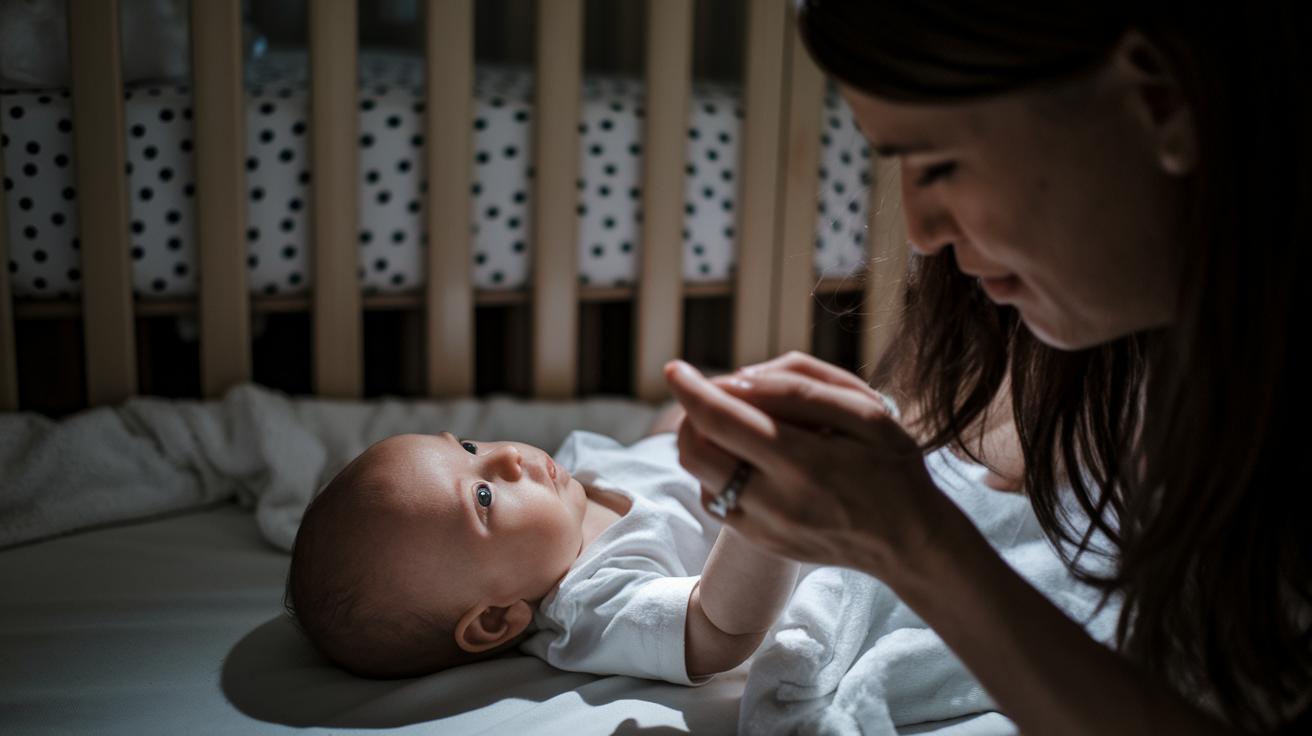
Your little one is ready to try a sleep training plan that’s all about gentle flexibility. At 8 months, many caring parents find that different methods can help their baby learn to fall asleep on their own. This plan will walk you through easy, step-by-step ways to foster a calm bedtime routine and nurture independent sleep.
- Gentle fading: Ease out your presence bit by bit at bedtime using a pick-up/put-down approach. Many parents notice a difference within one or two weeks.
- Ferber method: Check on your baby at regular intervals, start with about three minutes and slowly extend the time between checks. You might see progress in just three to four nights.
- Cry it out (extinction): Let your baby settle on their own without immediate intervention. This direct method often shows results in three to four nights, though it does need a steady routine.
- No cry method: Use soft, soothing reassurances so your little one learns to settle quietly. This approach might take a bit longer, but it gently encourages self-soothing.
The best choice really depends on your baby’s temperament and your own parenting style. Some methods may work faster, while the gentle approaches might need a little extra time, but both can be equally effective. Stay patient, keep things consistent, and pay close attention to your baby’s cues. Celebrate each small win, knowing that every baby finds their own pace.
Establishing a bedtime routine for your 8-month-old
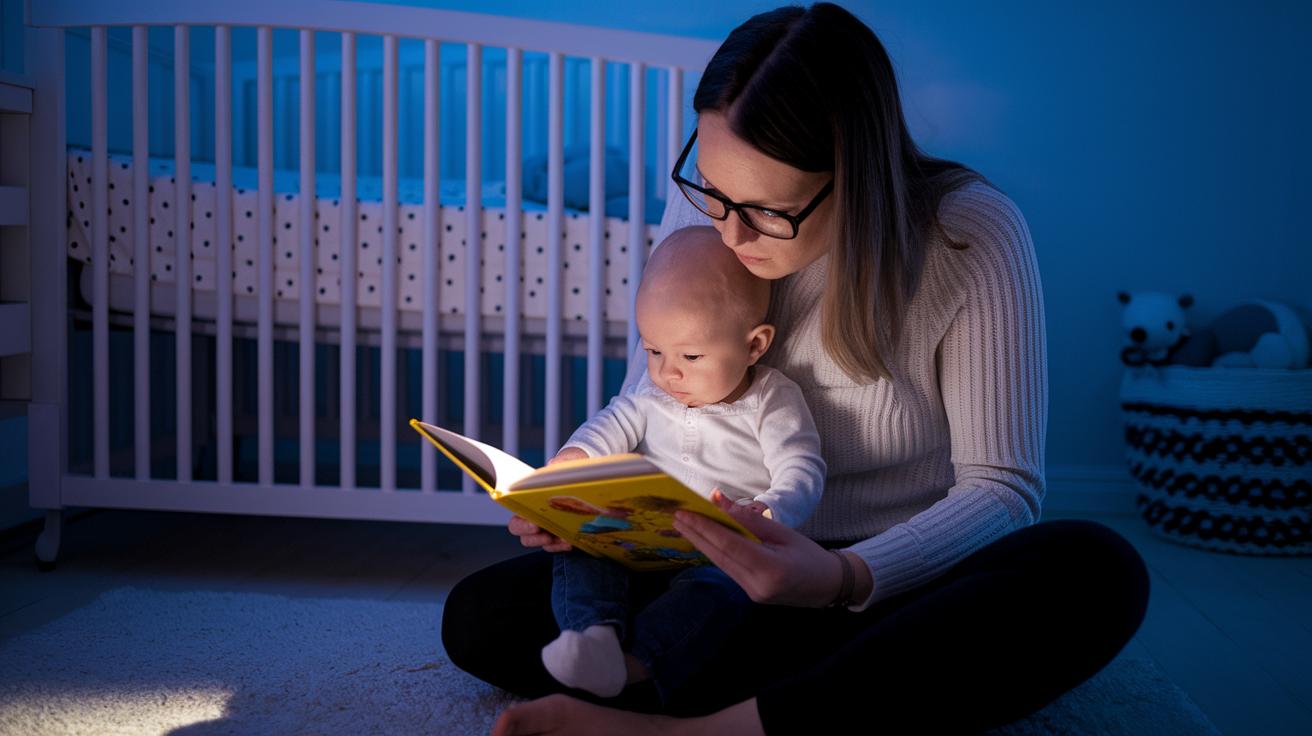
Start the evening with a soothing bath that helps your little one relax. After the bath, settle in for a gentle cuddle and share a quiet reading time with a soft, bright book that feels comforting and fun. A few minutes of tender cuddling or a slow, rocking sway wraps up this special pre-sleep routine. Many parents call this sequence Wake, Eat, Play, Sleep, it naturally tells your baby that sleep is just around the corner. For instance, you might whisper, "Time for a little story," while holding them close.
When it’s time for bed, place your baby in the crib while they’re still awake but feeling drowsy. Use familiar bedtime signals like soft, dim lights, a quiet room, and your loving voice to create a safe and peaceful space. Sticking to the same activities each night builds those gentle cues that help your child learn the crib is a cozy place to drift off to sleep.
Addressing 8-month sleep regression and challenges
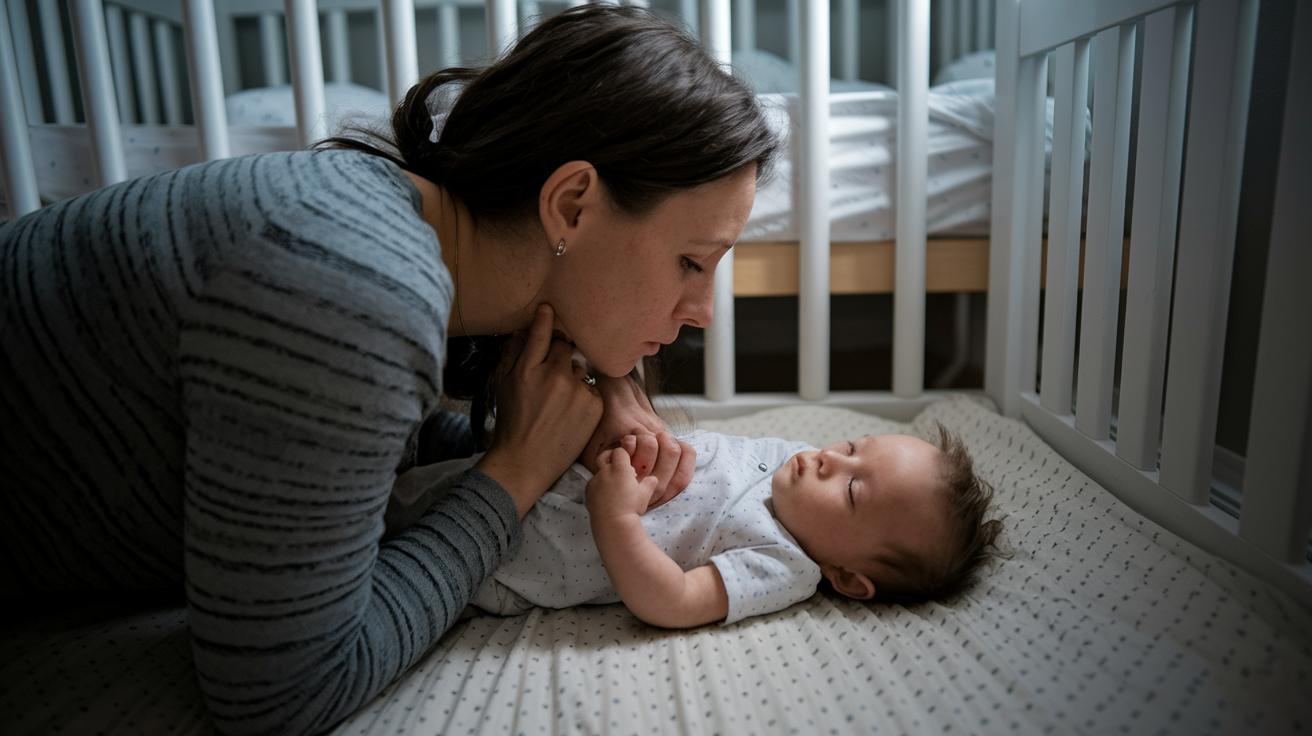
At this age, you might start noticing your little one waking up more often at night, taking shorter naps, or even resisting bedtime sometimes. These changes are a normal part of sleep regression and can last a few days or even several weeks. It's quite common for your baby to be a bit fussier as they work through lots of new physical, thinking, and feeling changes.
Sticking to a regular schedule can really help during these moments. Try adding a bit of new motor skill practice during their awake times and aim for wake periods of about 3 to 3.5 hours. Keeping nap times and bedtime routines the same each day creates a cozy and familiar rhythm for your baby, making it easier to settle back into sleep.
Remember, this phase won't last forever. A little patience and persistence go a long way, even those small setbacks are just part of the journey. And if you ever feel overwhelmed, reaching out to a sleep professional can offer you some extra support. Your loving care and steady routine are paving the way for quiet, sweet sleep soon enough.
Building sleep independence in your 8-month-old
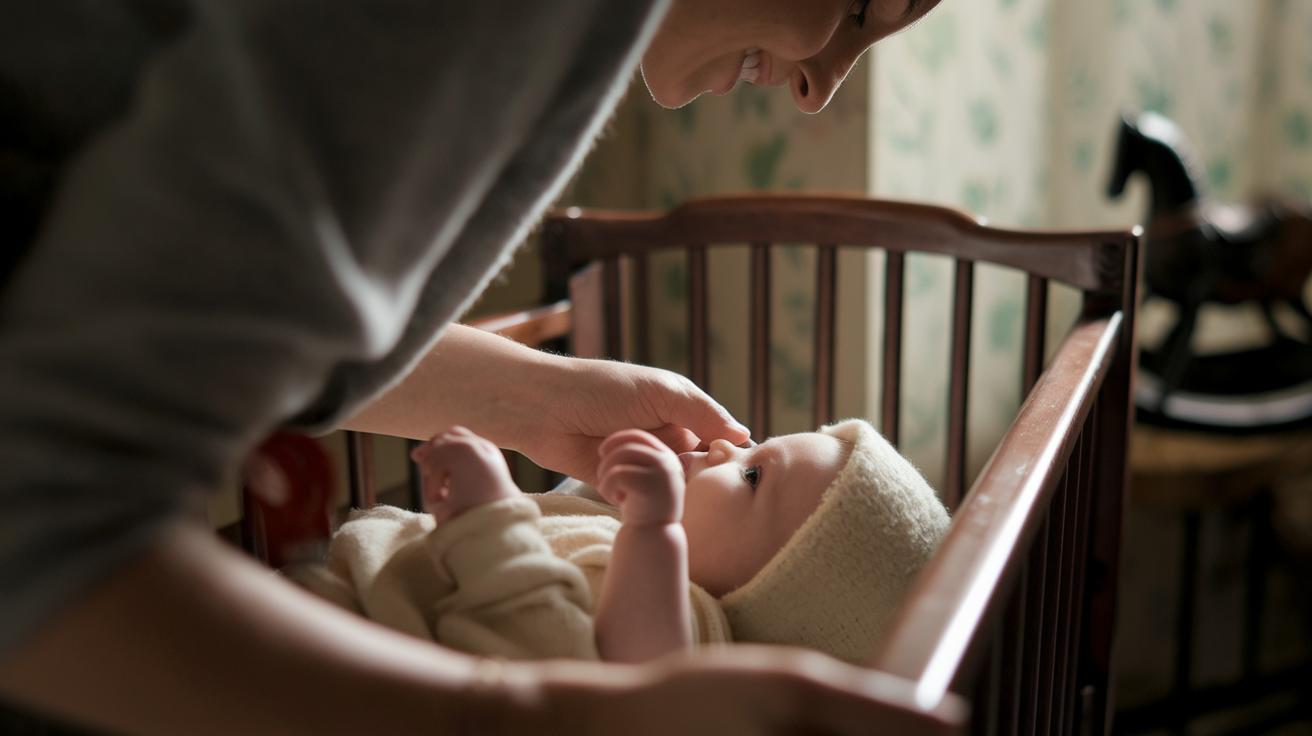
When your little one is drowsy but still awake, gently place them in their crib. This helps them see the crib as a cozy space where comfort and rest go hand in hand. You might softly say, "Let's get cozy in bed now," as you tuck them in, and gradually ease off sleep props like rocking or feeding to sleep.
At this stage, your baby is learning that things still exist even if they're out of sight, which can sometimes bring on a bit of separation anxiety. Remember, this is a natural milestone on the path to independence. Stay calm by using kind words and a warm smile, showing your baby that you are always close by, even as they learn to settle on their own.
Optimizing nap times during 8-month sleep training
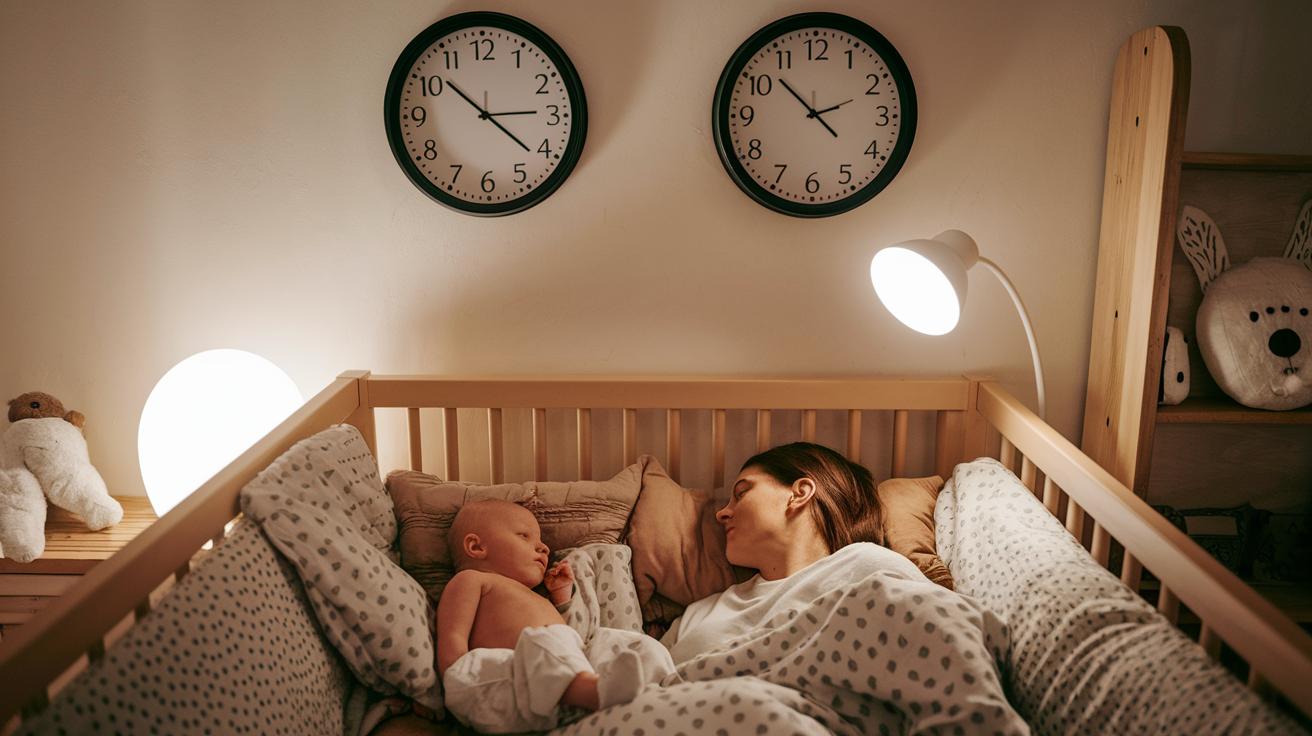
When you’re guiding your little one through sleep training, a steady nap routine can make all the difference. Try to plan a cozy morning nap around 9:30 to 10:00 am and a refreshing afternoon nap at 1:30 to 2:00 pm. This rhythm, spaced about 3 to 3.5 hours after waking, helps keep nap times smooth and prevents those long awake moments that might throw off bedtime.
| Nap # | Typical Time | Duration |
|---|---|---|
| Nap 1 | 9:30–10:00 am | 1–3 hours |
| Nap 2 | 1:30–2:00 pm | 1–3 hours |
Creating a sleep-friendly environment for your 8-month-old
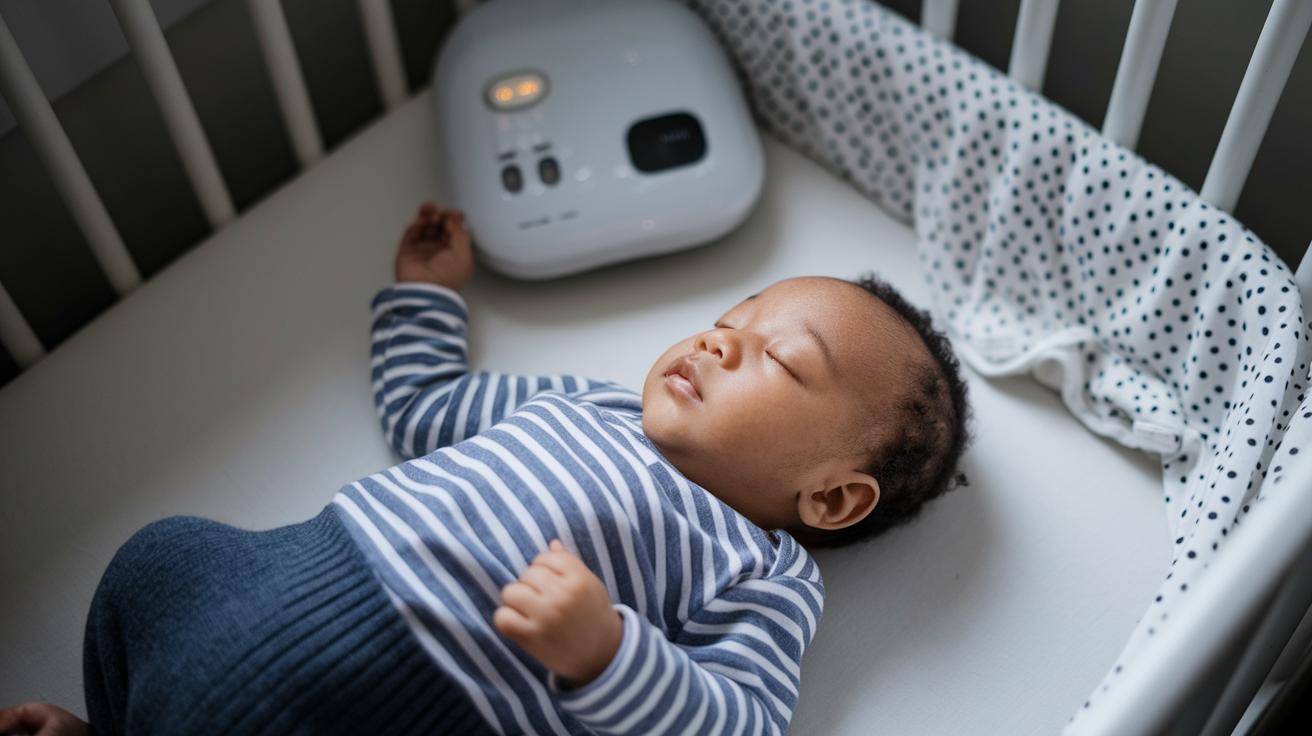
Start by setting your baby's room to a comfy 68–72°F. This cozy temperature makes the space feel like a warm hug just before bedtime. Nothing beats a dark, quiet room for a good night's sleep. Imagine using blackout curtains to keep out stray light and a gentle white noise machine to hush any sudden sounds.
Keep the nursery safe and simple. A firm mattress in a tidy crib goes a long way in creating a secure sleep haven. By following trusted safe sleep guidelines (safe sleep guidelines for infants – https://bsnuggs.com?p=211), you'll help your little one rest deeply and wake up feeling refreshed.
Final Words
In the action, we covered an overall sleep schedule, routines, and safety tips for your 8-month-old, highlighting everything from naps to bedtime rituals.
We walked through keeping consistent schedules, managing sleep changes, and encouraging self-soothing, all while making sure the sleep environment is safe and comfy.
Adopting sleep training 8-month old methods can bring calm and cheer to both baby and parent, making nights smoother and days brighter.
FAQ
How does sleep training an 8-month-old at night work?
The sleep training for an 8-month-old at night means setting a regular bedtime routine that includes calm activities and consistent timing to help your baby learn to settle on their own.
How should I approach sleep training for a breastfed baby?
The sleep training for a breastfed baby means adjusting feeding times while using gentle methods that support self-soothing and choosing techniques that keep both mom and baby comfortable.
What are some methods to sleep train an 8-month-old without resorting to crying it out?
The sleep training without crying it out means using gentle approaches like fading or the pick up/put down method, which help your baby settle and feel secure without prolonged distress.
Is 8 months too late to start sleep training, and how long should I let my 8-month-old cry during sleep training?
The sleep training at 8 months is common and not too late to start. If allowing brief crying, keep intervals to just a few minutes to help your baby learn to self-soothe gradually.
What does the 3 5 10 rule mean in sleep training?
The 3 5 10 rule in sleep training means beginning with a three-minute wait, then five minutes, and later ten minutes, slowly increasing intervals as your baby learns to fall asleep independently.
How do daytime naps help in sleep training an 8-month-old?
The sleep training for daytime naps means that structured naptimes prevent overtiredness and support a balanced schedule, which helps your baby maintain steady energy throughout the day.
How can I start sleep training my baby at 8 months old?
The sleep training for an 8-month-old begins with understanding your baby’s sleep needs, establishing a consistent routine, and selecting a gentle method to create a nurturing sleep environment.