
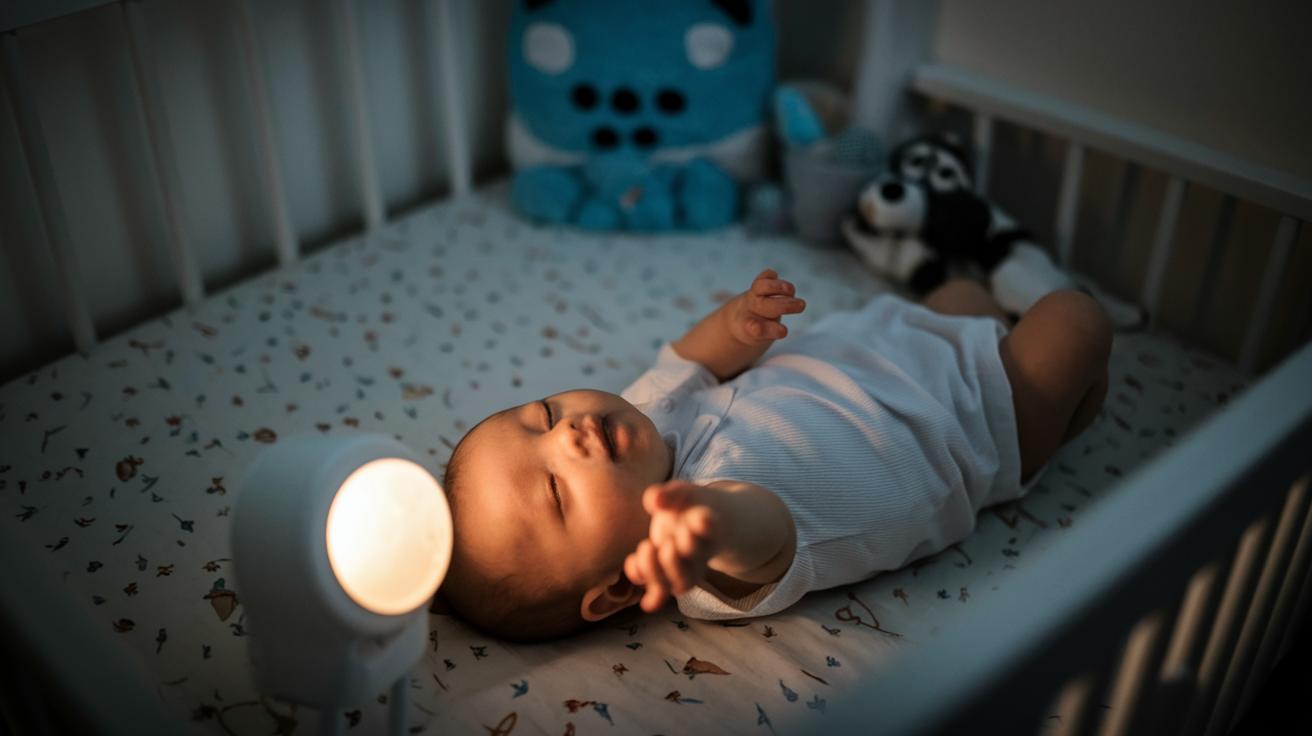
Ever wonder if your six-month-old can drift off by themselves? It may sound daring, but a gentle sleep routine can lead to more restful nights for both of you. At this age, your baby is ready to learn how to settle into sleep with a calm bedtime ritual. Placing your little one in the crib while they're still drowsy teaches them to find comfort on their own. In this post, I'll share simple, heartfelt tips to help your baby snooze peacefully, so you can enjoy quieter evenings together.
Sleep Training Fundamentals for a 6-Month-Old

Six months is a wonderful time to help your baby settle into a healthy sleep routine. At this age, many little ones are ready to learn how to soothe themselves to sleep. When you place your baby in the crib while they're still a bit drowsy, you’re gently teaching them that they can drift off on their own. Many parents notice a quieter night after just a few days of trying this approach.
Most six-month-olds do well with a steady daily schedule that includes regular nap times and wake-up moments. Experts recommend following a calm, familiar pattern at bedtime so your baby feels safe and relaxed.
Try these simple ideas:
- Keep the room calm with soft lighting and gentle sounds.
- Offer a small feeding before bed to comfort your baby without making them too alert.
- Stick to a consistent routine; if your baby wakes at the same time every day, let that guide your schedule.
The American Academy of Pediatrics tells us that this kind of consistency not only builds healthy sleep habits but also supports the overall rest your growing baby needs. Always check safe sleep guidelines if you need extra tips, and consider using a six-month sleep schedule to plan your day. With this approach, you can enjoy more peaceful nights for your baby and calmer, happier evenings for the whole family.
Sleep Training 6 Month Old: Calm Nights Ahead
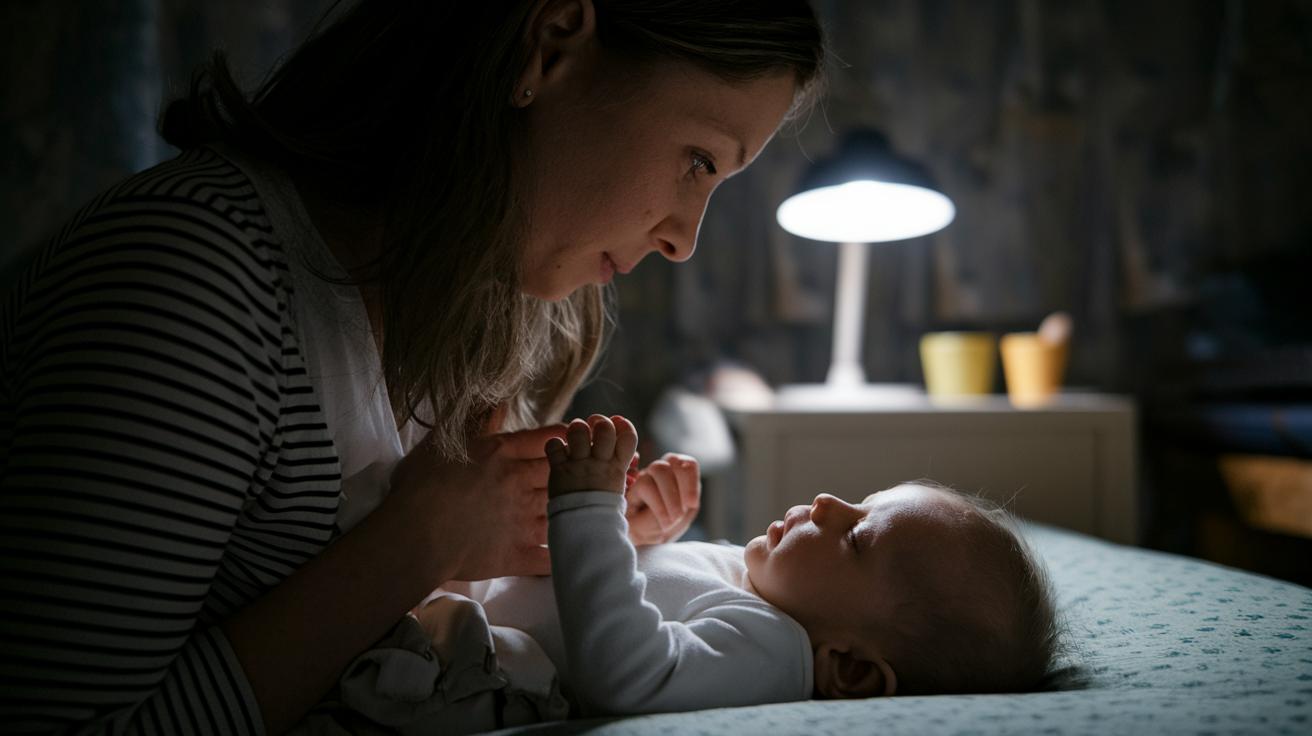
A gentle bedtime ritual helps your little one know that sleep is coming soon. Think of a 20- to 35-minute routine that might include a warm bath, a cozy feeding, a fresh diaper change, a little burping, and then setting your baby into the crib while still awake. This simple process makes your baby feel safe and helps build a little sense of independence at bedtime.
Start by creating a soft, calming mood. Dim the lights and play a white noise track that sounds like the ocean. Imagine it as a quiet lullaby that drowns out any distracting sounds. Keeping the same little cues every night, a soothing story or a gentle “goodnight”, can quietly signal to your baby that it’s time to rest.
If you’re pressed for time, you might even set aside bath time and stick to a 20-minute routine. Even in a shorter version, you can include feeding, a diaper change, and a calming story to give your baby all the gentle signs needed to settle down.
Follow these easy steps:
- Dim the lights and play some soft music or white noise.
- Feed, change, and burp your baby.
- Share a short story and place your baby in the crib while still awake.
Sleep Training Methods: Cry-It-Out vs No-Cry for 6 Months
Gentle Sleep Methods
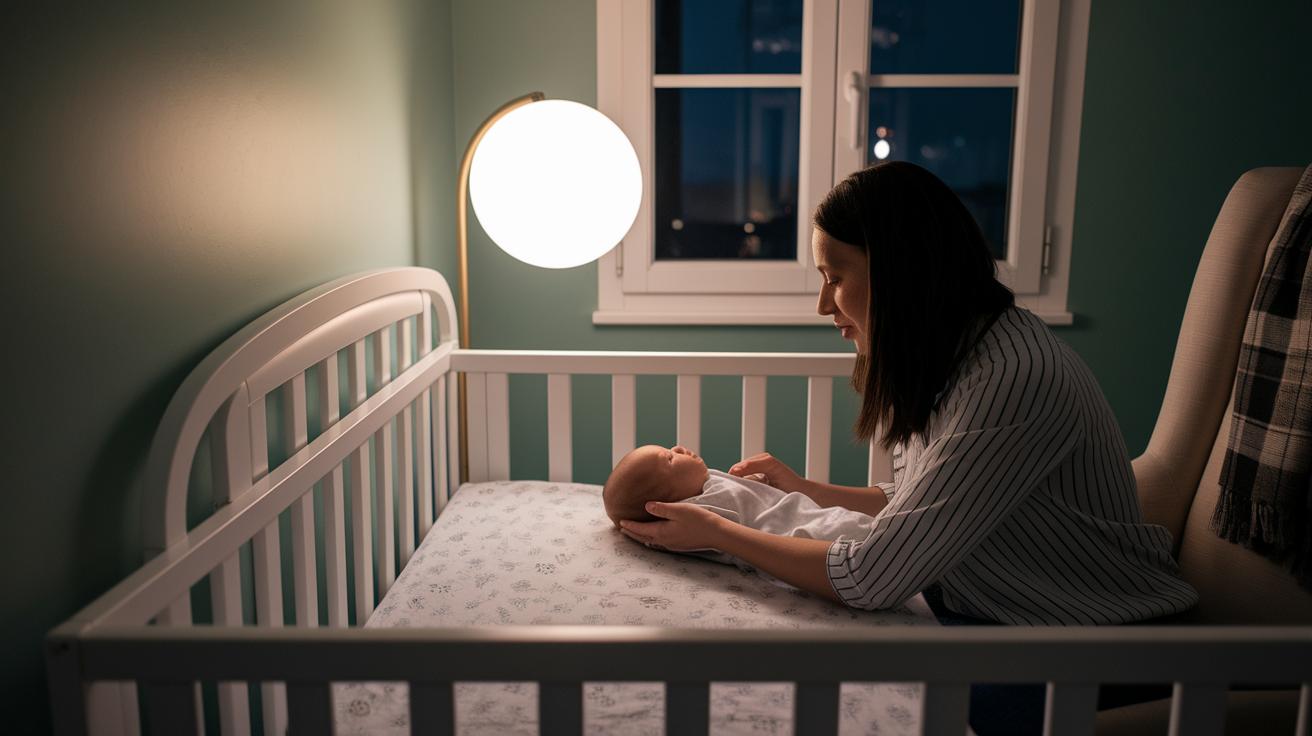
Gentle sleep techniques help your little one drift off with just the right touch of support. You start slowly by easing back your presence at bedtime. For instance, if your baby begins to cry as you step away, you might wait a few minutes before returning. Another way is the pick-up-put-down method. You gently pick up your baby when they start fussing and then lay them back down while they’re still sleepy. It’s a soft reminder that sleep is coming soon, all while giving your baby comfort.
Chair Method
With the Chair Method, you first sit close to your baby’s crib to offer a reassuring sense of security. Night by night, you gradually move your chair a bit further away until it eventually vanishes from view. This steady change lets your baby know you’re close, even if you aren’t right next to them, and eases the transition toward independent sleep.
Ferber Method
The Ferber method uses short, timed intervals to encourage your little one to settle on their own. You might start by waiting about three minutes before checking on your baby after putting them in their crib. When you do return, keep the visit brief and calm so as not to overstimulate them. As nights go by, you slowly extend the waiting time to 10 or 15 minutes. This step-by-step process often shows gentle results in just a few nights.
Cry-It-Out Method
In the Cry-It-Out method, you put your baby in their crib and then leave for a set period, even if they cry. It’s a firmer approach and can mean more tears at first, so it’s important to feel ready for it. Remember, every method has its own ups and downs. Choose the one that best matches your family’s style and your baby’s needs.
Sleep Training Daytime Nap Coaching at 6 Months

At six months, your baby usually takes about three naps each day, spaced roughly every 2 to 2.5 hours. A steady nap routine helps your little one enjoy rest and learn to calm down by themselves between playtimes. It all starts by noticing those sleepy cues and setting up a cozy, predictable nap time.
If a nap ends before 45 minutes, wait two or three minutes before stepping in. This little pause might give your baby a chance to settle on their own. Think of it as a gentle test, if your baby soothes themselves, you’ve helped build their confidence in falling asleep independently.
A simple five-minute nap routine can really set the tone. Try these easy steps:
- Change your baby’s diaper to keep them comfy.
- Pull the curtains so the room feels soft and dim.
- Read a short, sweet story out loud.
- Turn on some white noise to cover up any distracting sounds.
- Place your baby in the crib while they’re still awake.
- End with a calm, reassuring goodnight.
Start by using this routine for one or two naps a day, then gradually build up. Over time, your baby will begin to understand that it’s time to rest, making naps quieter and helping the whole day flow a bit smoother.
Sleep Training Environment: Safe and Soothing for Babies
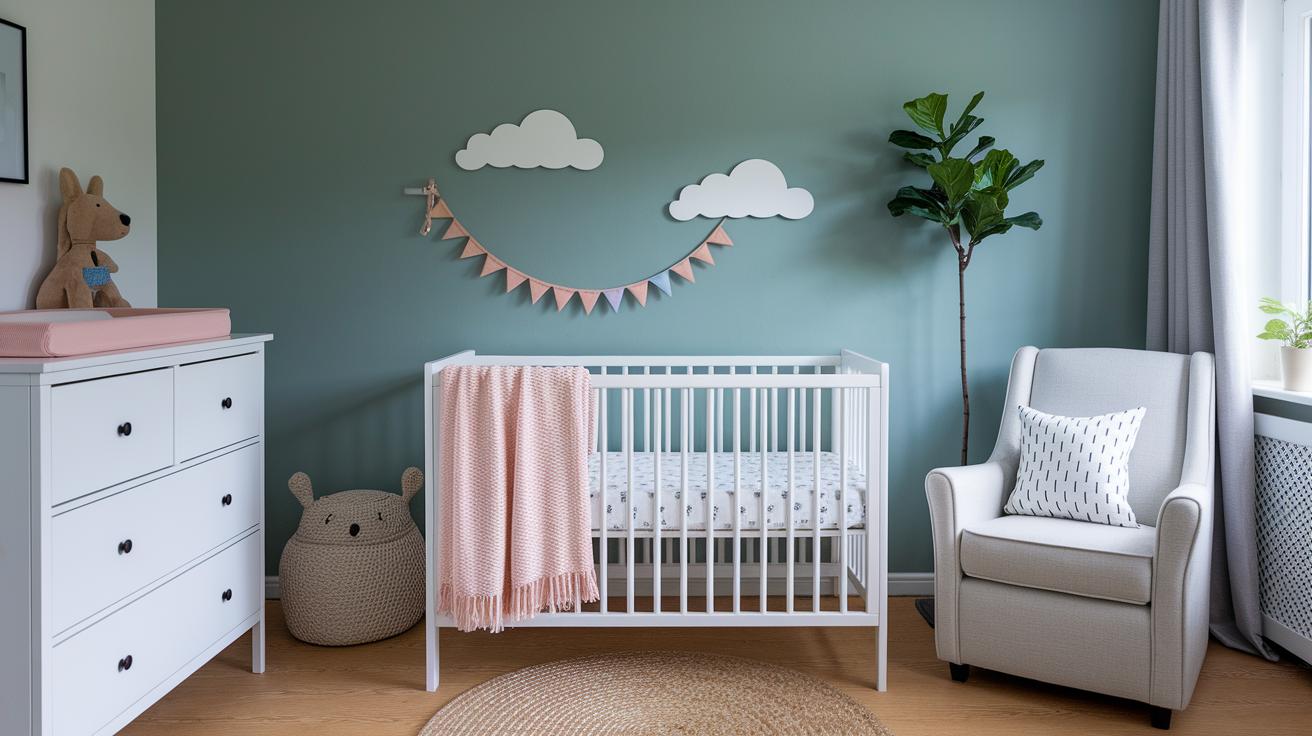
When setting up your baby’s room, think about safety and calm first. A firm mattress with a snug fitted sheet, and no extra loose bedding or toys, meets expert safety advice. It’s a simple way to keep your little one safe while they snooze.
Keep the room cool and comfy around 68 to 72°F. Imagine a space where dim, natural light is tucked away behind blackout curtains, replaced by a gentle glow that feels as soothing as a soft lullaby.
White noise can also work wonders. Many parents find that a steady, calming sound helps mask unexpected noises so that sleep comes easier. You might try a noise machine that mimics the sound of ocean waves, just like the soft, rhythmic hum of the sea.
Another little tip is to use a cozy swaddle or sleep sack. This can help reduce those sudden startle reflexes and wrap your baby in a sense of warm security throughout the night.
These simple, thoughtful tweaks not only boost safety but also create a comforting, nurturing space. In the end, your baby gets a spot that feels protected and relaxed, making way for a night of deep, uninterrupted sleep.
Sleep Training Troubleshooting: Overcoming 6-Month Sleep Hurdles
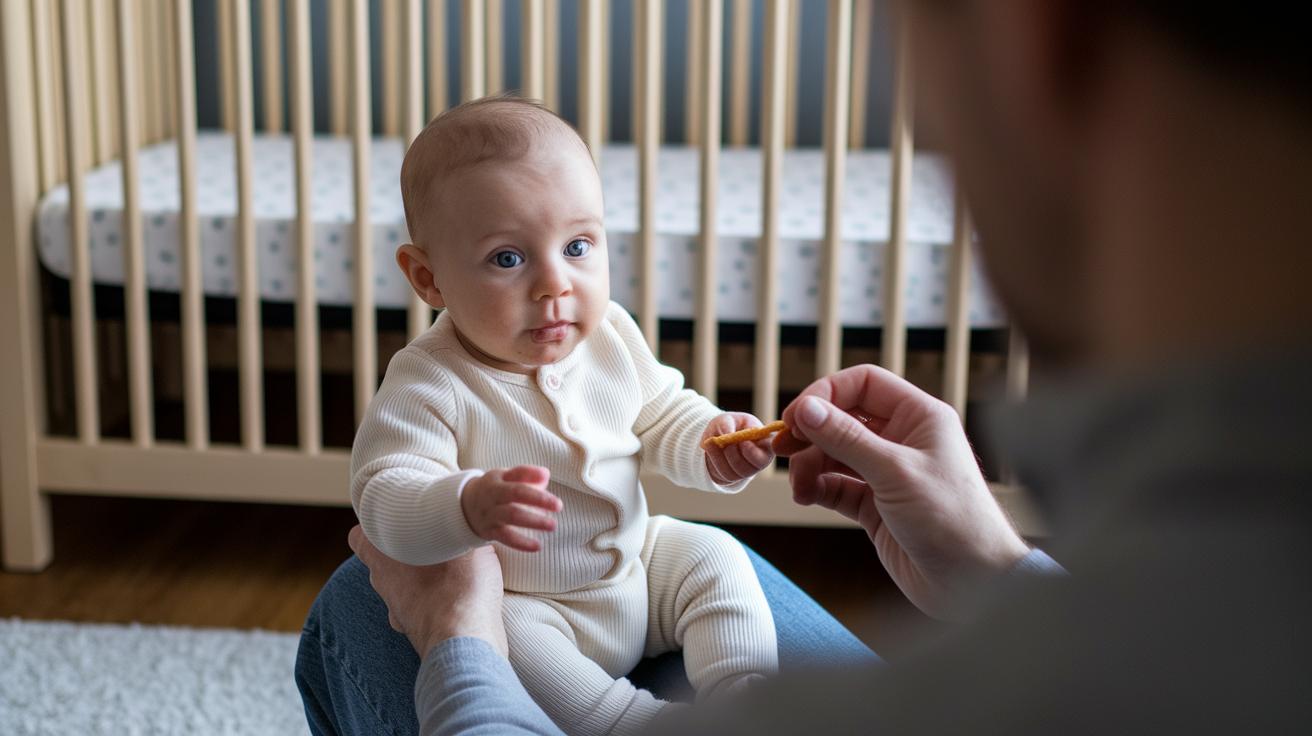
At around six months, your baby’s big developmental leaps can sometimes lead to some sleep hiccups. It’s pretty normal to see a few extra awakenings at night, maybe two or three times in one go, with a cry lasting close to ten minutes. If your little one seems to need extra help falling asleep, it might be a good idea to watch how they settle on their own before you jump in.
A helpful trick might be to take a look at their feeding schedule. Try offering two hearty snack feeds before bedtime. This extra boost could be just what they need to drift into a deeper sleep, cutting down those nighttime wake-ups. For example, after dinner, you might serve a larger, nutrient-packed snack that keeps them cozy and full until morning.
When your baby faces challenges like being under the weather or dealing with travel, keeping a few core routines in place can really comfort them. It’s perfectly okay if nap times get a little flexible during these moments. Sticking with familiar cues, like a gentle light, a loved story, or a constant white noise, can help guide them back to a smooth sleep rhythm.
Consider these steps:
- Check if your baby is truly falling asleep without you.
- Adjust feeding times to include two satisfying snack feeds before bedtime.
- Stick with your usual routines during changes, even if that means tinkering with nap times a bit.
Sleep Training Progress Tracking and Adjustments at 6 Months
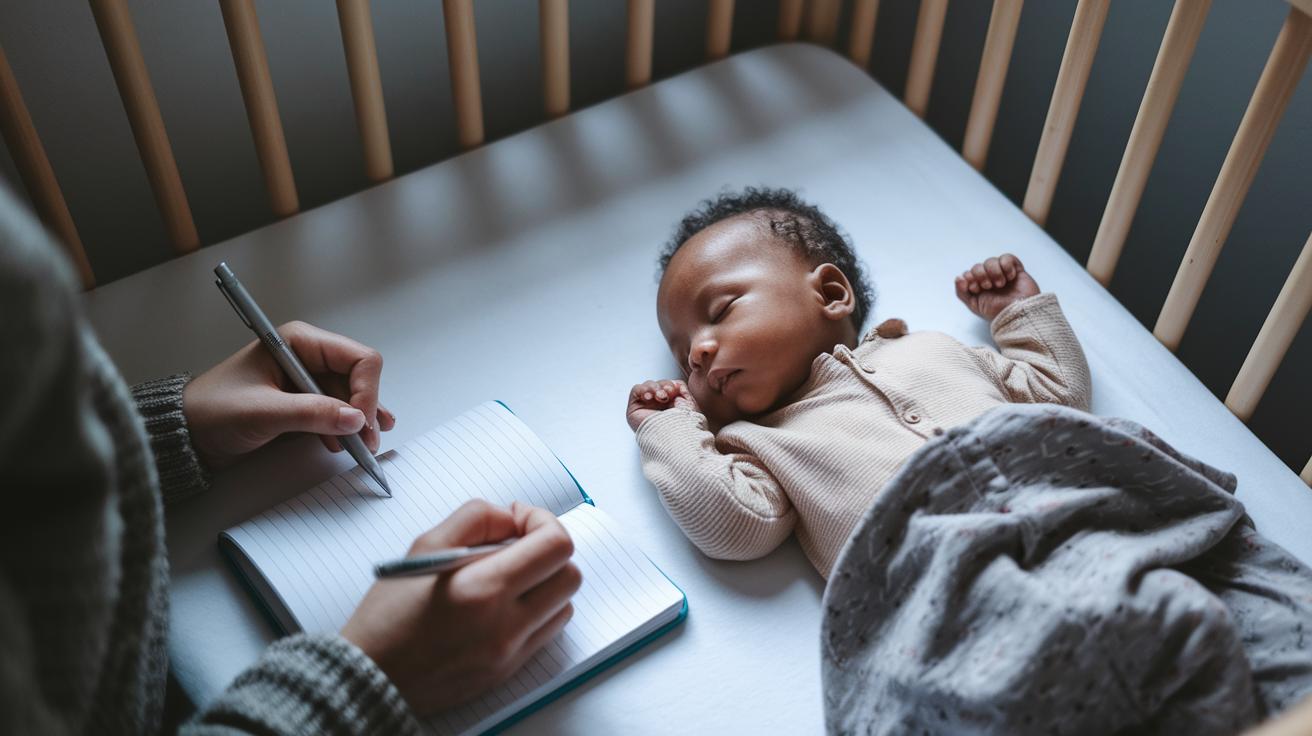
Keeping a simple sleep journal can be a real lifesaver as you watch your little one grow. Try jotting down details like nap times, when your baby wakes up at night, any moments of fussiness, and how long it takes you to soothe them. Each day, these notes help you see clear patterns, giving you gentle hints to tweak their routine. For instance, if you notice your baby is waking earlier than usual, it might be a good idea to expand the wake window from 2.5 to 3 hours.
Take a moment each week to review what you’ve recorded. You might see that your baby is taking a little longer to fall asleep. In that case, a slight adjustment of bedtime, maybe by 10 or 15 minutes, could make a world of difference. As your baby grows, you could even switch from three naps to just two, usually around seven months. This steady check-in helps you fine-tune sleep strategies so they keep up with every new milestone your baby reaches.
Keep capturing these moments every week, and you’ll find it easier to support your baby’s sleep journey with love and care.
Final Words
In the action, we covered key tips for sleep training 6 month old, from creating a soothing nursery to building consistent bedtime routines. We explored gentle methods like fading and the chair method, discussed daytime nap strategies, and shared troubleshooting ideas to tackle sleep hiccups. Tracking progress can help tailor routines as little ones grow and change. It’s all about finding calm, safe, and comfy solutions that work best for your baby’s well-being. Keep trying new methods and enjoy watching your baby drift off to a peaceful sleep.
FAQ
What does sleep training a 6-month-old on Reddit refer to?
The sleep training 6-month-old Reddit posts share parents’ real-life tips and stories, offering firsthand insights on gentle techniques and practical strategies from a supportive online community.
How does sleep training work for a 6-month-old breastfed baby?
Sleep training a 6-month-old breastfed baby means adapting routines around feeding times. Parents often modify schedules to help the baby learn self-soothing while ensuring feeding needs remain comfortably met.
How is sleep training used for a 6-month-old’s naps?
Sleep training 6-month-old naps involves establishing a short, consistent pre-nap routine. Cues like dim lights and gentle sounds can effectively signal that it’s time for a refreshing daytime rest.
What does sleep training a 6-month-old at night involve?
Sleep training a 6-month-old at night centers on crafting a steady bedtime routine. Simple steps such as a calming bath, light reading, and quiet music gently cue the baby for a restful sleep.
How is the cry-it-out method applied in sleep training a 6-month-old, and how long should it last?
The cry-it-out approach for a 6-month-old invites the baby to self-soothe during short intervals, often starting at about three minutes and gradually extending as the baby learns to settle independently.
How can you sleep train a 6-month-old without causing crying?
Sleep training a 6-month-old without crying typically uses gentle methods like fading or pick-up-put-down techniques, helping the baby adjust gradually while keeping distress to a minimum.
What does the Ferber method look like for a 6-month-old?
The sleep training 6-month-old Ferber method involves brief, timed check-ins, beginning at three minutes and extending gradually, to encourage self-soothing and smoother transitions into sleep.
How can sleep training work for a 7-month-old?
Sleep training a 7-month-old follows similar gentle routines as at six months, with minor adjustments for growth. Consistency remains key, as the baby benefits from a well-timed and calm sleep schedule.
Is 6 months too old to start sleep training?
The query about 6 months being too old finds that research backs this timing. At six months, many infants are ready for self-soothing and more structured sleep routines.
What is the 5-3-3 rule for sleep training?
The 5-3-3 rule serves as a guideline for nap routines—a five-minute pre-nap ritual with three-minute intervals for the baby to resettle, repeated as needed, helping build steady sleep habits.
What is often considered the hardest age to sleep train?
The hardest age to sleep train is frequently during periods of sleep regression when developmental leaps occur, requiring extra flexibility and gentle adjustments to maintain a steady sleep routine.