

Ever catch yourself wondering if your little one is in that deep, peaceful sleep? There’s something truly comforting about watching those quiet moments. When you see your baby breathing steadily with a calm, still body, you know they are resting deeply. In this piece, we share the simple signs that show your baby is in a safe, deep sleep. Soon, you’ll feel even more at ease with your baby’s sleep routine, enjoying every cozy, soothing moment together.
Deep Sleep Indicators in Newborns: Recognizing Key Signs
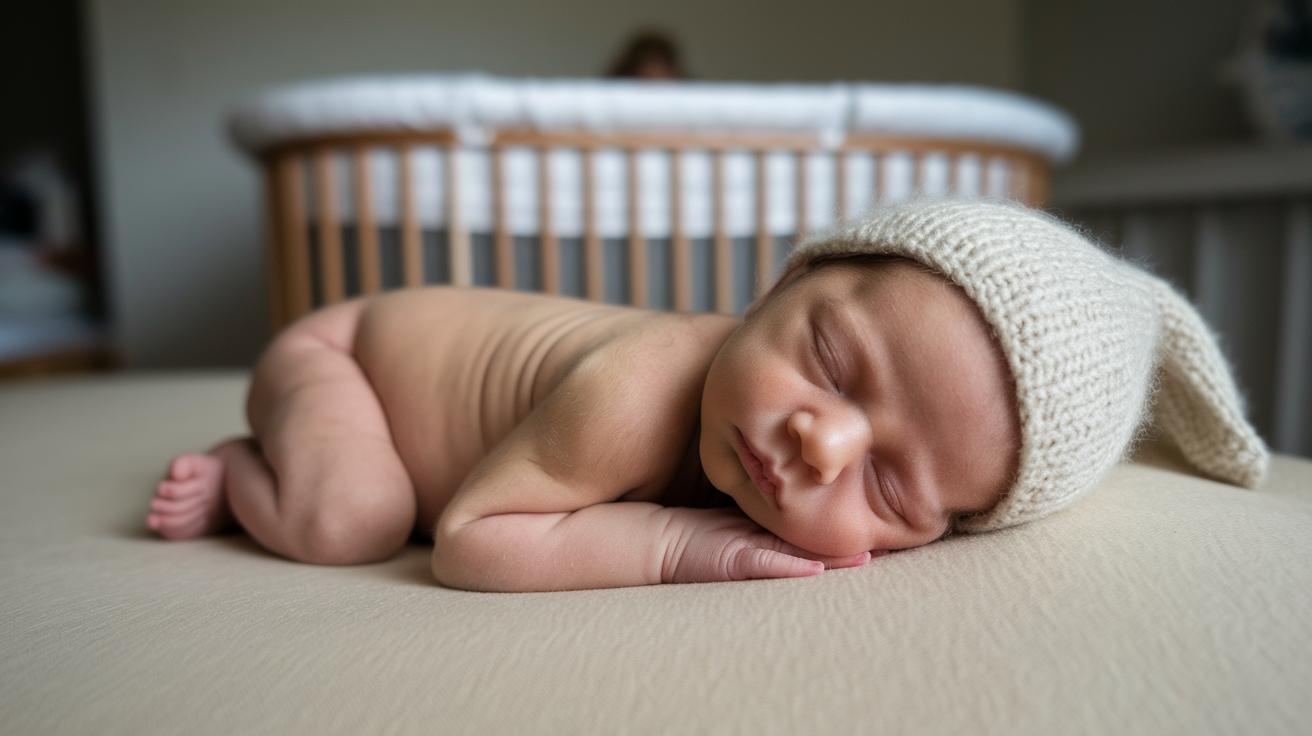
Quiet Sleep, which many call deep sleep, is a special time when your newborn rests deeply. In fact, they usually spend about half their sleep in this calm phase. It gives their little bodies a chance to grow, repair, and help build a strong, healthy brain.
During Quiet Sleep, you can spot a few clear signs that your baby is in a deep rest. Look for steady, gentle breathing, typically around 40 to 60 breaths per minute, and a very still body, with hardly any muscle movement. You’ll notice their eyelids stay softly closed, and there aren’t any big twitches or eye movements like in lighter sleep stages.
Seeing these signs can really help you feel confident about placing your baby in a safe sleeping spot. When their breathing is calm and their body is relaxed, it means they’re in that important phase of deep, restorative sleep. This makes it easier for you to keep a watchful, nurturing eye on them while also creating a secure sleep routine.
Understanding Newborn Sleep Cycles: Differentiating Deep Sleep and Active Sleep

Newborns have sleep cycles that last about 50 to 60 minutes, much shorter than adults'. They spend roughly half of that time in a light sleep state where you might notice little twitches, quick eye movements, and uneven breathing. The other half is a deeper, more restful sleep with calm, steady breathing. Because newborns don't build up sleep pressure like older children or adults, they wake for short, refreshing naps throughout the day.
Here’s a simple look at the differences between active sleep and deep sleep:
| Active Sleep | Deep Sleep |
|---|---|
| Babies show quick eye movements, gentle twitches, and uneven breathing. | Babies breathe steadily at around 40–60 breaths per minute. |
| There are spontaneous movements and sometimes small grunts. | Babies remain calm and almost completely still. |
| Muscle tone often changes throughout this phase. | Muscles relax nearly fully. |
| This phase can seem a bit like light dreaming. | This is the time for full rest, helping cells repair and grow. |
Understanding these sleep stages can help you create a safe and calming sleep space for your baby. Following advice like the sleep positioning tips from "Safe Sleep Guidelines for Infants" can support deeper, better quality sleep. This way, your little one can enjoy more balanced rest and wake up feeling refreshed.
Breathing and Movement: Physiological Cues of Newborn Deep Sleep
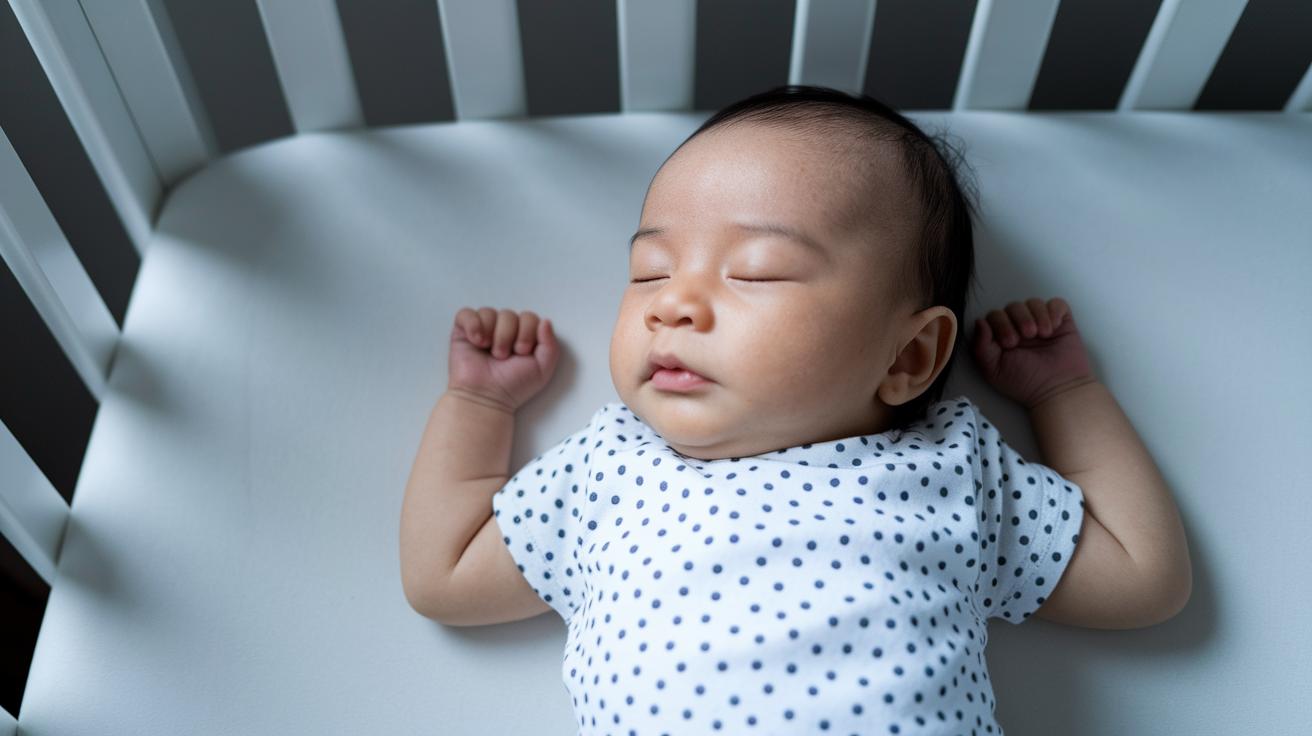
When your baby is in deep sleep, their breathing stays calm and steady, usually around 40 to 60 breaths per minute. Imagine gentle ocean waves rolling in and out, that soothing rhythm tells you their little body is settling down for a safe, peaceful rest.
At the same time, all muscle tension simply melts away. Their arms and legs feel completely soft, and their eyelids stay still without any quick movements. Noticing these signs can really reassure you that your little one is wrapped in a secure, tranquil sleep.
Visual Cues and Posture: Observing Your Newborn’s Deep Sleep Body Language
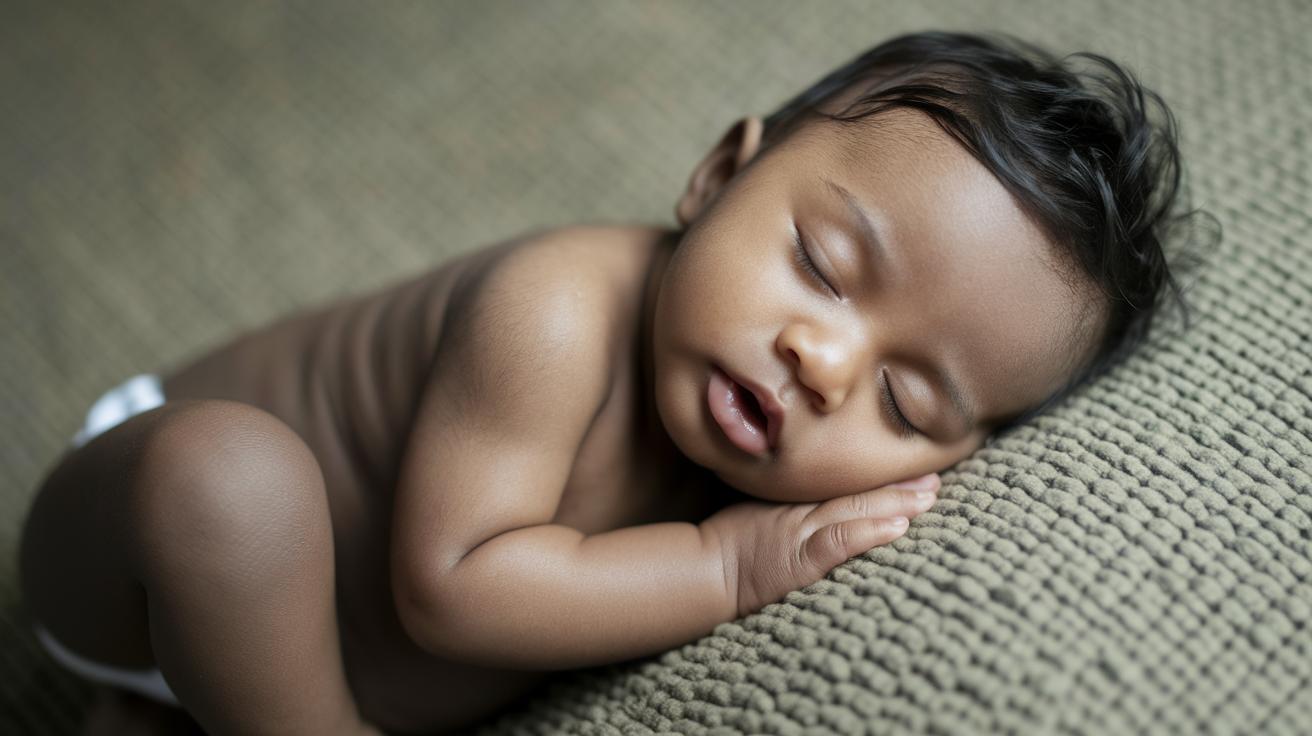
When your baby is in deep sleep, you might notice their arms are completely relaxed, resting gently alongside their body or even slightly curled. Their legs often show a soft, natural bend, a small hint that they are truly at peace.
Take a closer look at their face too. A relaxed jaw and a slightly open mouth add to the picture of calm. This quiet, steady breathing paired with almost no movement tells you that your little one is enjoying a deep, restful sleep.
Differentiating Deep Sleep from Seizure Activity: Safety Markers to Watch

When your baby is sound asleep, you might notice small, gentle twitching that’s perfectly normal. These little movements, like a quick hand flick or a soft arm twitch during a nap, show that your baby is simply in a deep, restful sleep.
Now, if you see movements that seem different, ones that are rhythmic, last longer, or even involve the whole body, this might be a sign to watch more closely. For example, stiff or arched postures, rolling eyes, or unusual tongue movements can be cues that something isn’t quite right compared to the peaceful pauses of deep sleep.
Whenever you feel uneasy about these moments, trust your gut and keep a close eye. If you notice any patterns like prolonged or repetitive movements, it’s a good idea to check in with your healthcare provider. Remember, those brief, isolated twitches during a calm sleep are usually nothing to worry about and mean your little one is resting safely.
Monitoring and Supporting Infant Deep Sleep: Tools and Techniques

It’s important to create a sleep space that lets you keep a loving watch over your baby's deep sleep. A trusted baby monitor can help you check in from another room. You can see how your little one’s breathing and movements follow a calm pattern, so you're always close by even when you're not in the same room. A little soft white noise paired with low light in the nursery sets the stage for a snug and peaceful sleep, allowing your baby to drift off naturally. And keeping the crib or bassinet near your room means you’re always ready to offer a comforting touch if needed.
Establishing a regular sleep routine is another way to support healthy sleep. A consistent pre-sleep routine, perhaps a gentle swaddle followed by some quiet, tender cuddle time, lets your baby know it’s time to relax. Many parents notice that waiting 20 to 30 minutes after your baby starts to doze lightly before settling them helps transition into a deeper, more restorative sleep. This small pause helps your child find that calm, essential rest needed for growth and happiness. Together, these simple tools and routines make it easier for you to watch your baby’s sleep patterns while ensuring a safe and nurturing environment for their growth.
Final Words
In the action, this article walked through the key markers that show deep sleep, like steady breathing and relaxed, quiet cues. It broke down newborn sleep cycles, compared active and deep rest, and outlined visual and physical signals. Practical tools, like baby monitors and consistent routines, help parents keep a watchful eye. Spotting the signs newborn is in deep sleep gives vital peace of mind. Every calm moment is a chance to connect and care for your little one.
FAQ
What are the signs that a newborn is in deep sleep?
The signs that a newborn is in deep sleep include stillness with calm limbs, closed eyelids without movement, and steady, regular breathing between 40-60 breaths per minute.
How long does it take for a baby to reach deep sleep at night?
The time it takes for a baby to reach deep sleep at night generally fits within a 50–60 minute sleep cycle when they gradually settle into a calm, restful state.
Can newborns go into deep sleep?
The fact that newborns can go into deep sleep is shown by their natural sleep patterns, where approximately half of their sleep is quiet, restorative deep sleep that supports their growth.
What is the 15-minute rule for newborns?
The 15-minute rule for newborns suggests waiting about that long before intervening to allow the baby to naturally transition into a deeper sleep phase without disturbances.
How is deep sleep connected to SIDS?
The relation between deep sleep and SIDS is that although deep sleep is a normal part of a baby’s cycle, maintaining safe sleep practices—like placing babies on their backs in a safe crib—is crucial to reducing SIDS risks.
What is considered the hardest week with a newborn?
The hardest week with a newborn typically refers to the early days when families adjust to new routines, feeding schedules, and sleep patterns while learning to care for their delicate little one.