
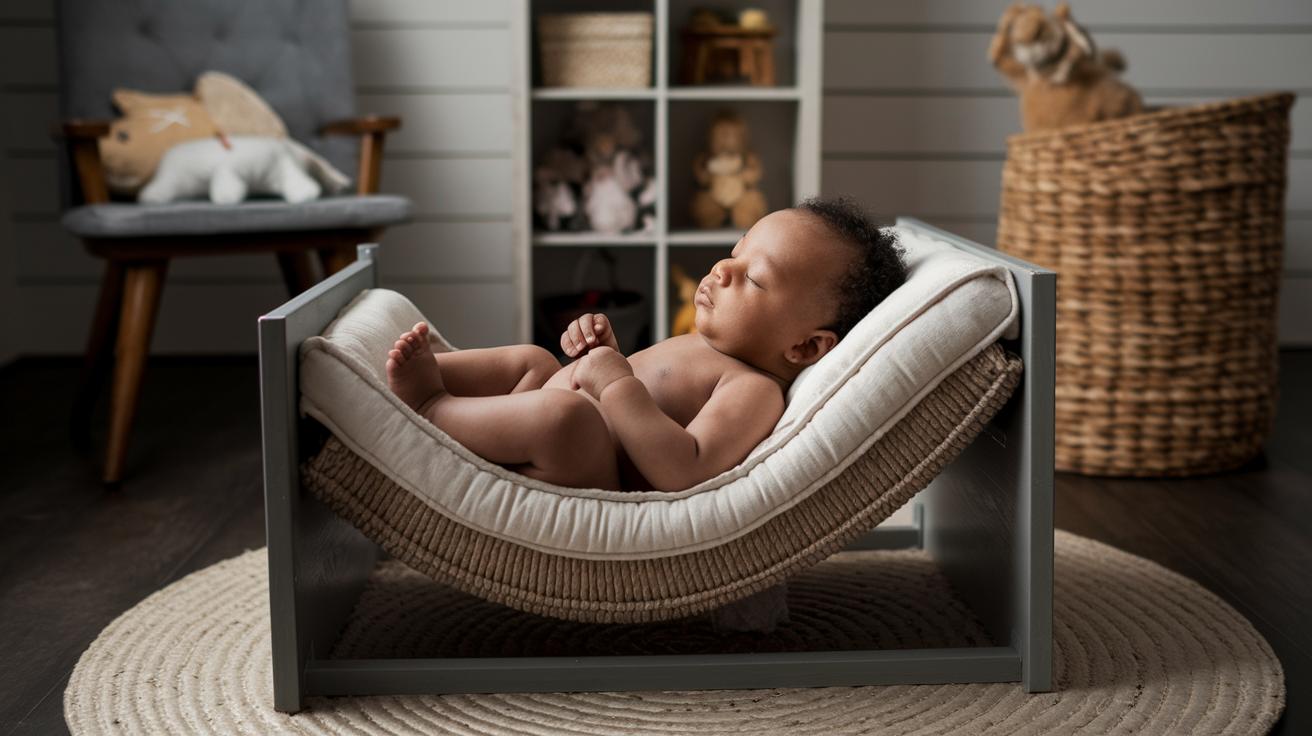
Did you know that a slight tilt can truly boost your baby's sleep safety and comfort? Some products might lean too far, and that extra angle can even make it harder for your little one to breathe. Experts suggest a gentle incline, around 5 to 10 degrees, can help ease reflux symptoms while keeping safety in mind.
In this post, we’ll take a closer look at the best guidelines to follow and explain why these recommendations matter for giving your baby a secure and cozy sleep environment.
Infant Sleep Incline: Safety Guidelines and Reflux Relief
The American Academy of Pediatrics tells us that a flat, firm sleep surface is best for our little ones. This simple setup helps lower the risks of suffocation and SIDS. You can review these safe sleep guidelines at the link provided, which many parents trust.
Keep in mind that using sleep products with too steep an angle, anything over 10 degrees, can be dangerous. A steep incline might cause your baby’s head to droop forward, potentially blocking their airway and making breathing tough. It’s a risk no parent wants to take.
Sometimes, a very gentle incline can ease the discomfort of reflux or colic. For a baby with reflux, a slight tilt between 5 and 10 degrees may help reduce those troubling episodes. However, this should always be done with careful, constant supervision because babies aren’t yet strong enough to adjust their head on their own.
Recent federal rules now limit any infant sleep product to a maximum of a 10-degree incline. Products exceeding this limit have been banned due to safety concerns. The U.S. Consumer Product Safety Commission strongly advises against using any inclined sleepers that go beyond this guideline, and they urge parents to stop using any non-compliant products immediately.
When it comes to managing reflux while keeping your baby comfortable, it’s always wise to check in with your pediatrician first. Look for sleep gear that clearly shows it meets the established safety standards. Taking time to review product certifications and expert advice goes a long way in creating a safe and nurturing sleep environment for your child.
Infant Sleep Incline Angle Guidelines and Regulatory Standards

Hey parents, here’s what you need to know about keeping your baby safe. The U.S. Consumer Product Safety Commission tells us that infant sleep products should not be tilted more than 10°. Experts agree, a gentle slope between 5° and 10° works best when you’re right there watching, because a steeper angle can cause the baby’s head to drop, making it hard for them to breathe.
Some states have taken action by banning sleepers that tilt too much. Always ask if a sleep product follows these guidelines and look for a trusted safety certification. With your careful watch, you help keep your baby safe while they rest.
Infant Sleep Incline vs. Flat Sleeping: Weighing Risks and Benefits
Using a flat, firm sleep surface can lower the risk of SIDS by as much as 50%. This sturdy base helps keep your little one's head in the right position, preventing it from drooping or the chin from tucking too far down. It's a safe choice, especially when your baby is sleeping on their own.
On the other hand, a slight incline can ease reflux symptoms by about 30%. Many pediatricians find this helpful for babies with severe reflux, but only when someone is nearby to keep an eye on them. Without supervision, an inclined sleep setup might let your baby slouch, which could block their airway.
If reflux or discomfort seems to be an issue, you might consider side sleeping. Imagine a gentle one-sided cuddle that soothes your baby. It may offer relief, just be sure to check that it’s safe by consulting trusted guidelines, like those in the article on newborn side sleeping.
Safe Alternatives to Infant Sleep Incline for Reflux and Comfort
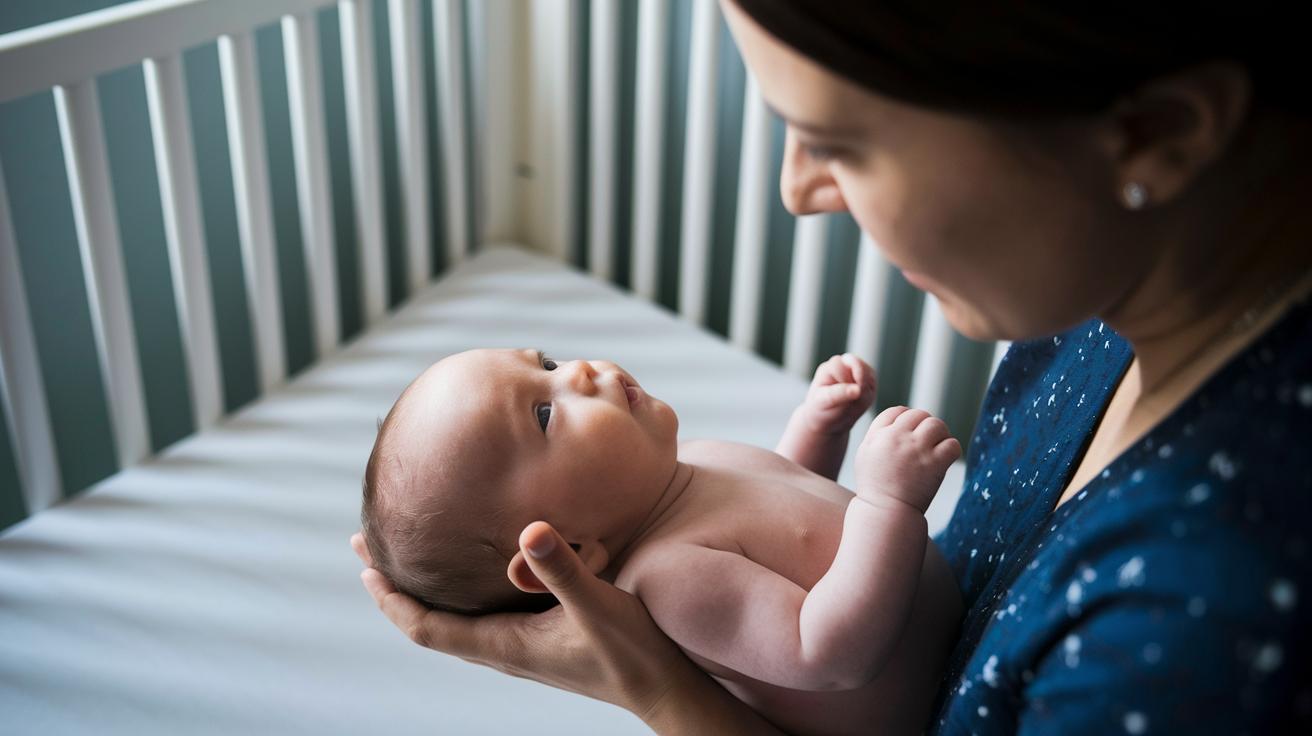
If your baby struggles with reflux, there are gentle ways to help them feel better at bedtime without relying on inclined sleepers. One simple tip is to hold your little one upright for 20–30 minutes after feeding. This gentle cuddle not only eases reflux symptoms but also creates a sweet bonding moment between you two.
Another helpful idea is to place a firm foam wedge under the crib mattress. Keep the angle at 10° or less, following pediatric advice. This slight tilt can ease discomfort without compromising your baby’s safety. Just be sure the wedge fits securely and that the crib stays free of loose blankets, bumpers, soft toys, or positioners.
When it’s time for play, consider using an upright swing or bouncer, but always keep a close watch. These are meant for alert times and should never replace a safe sleep space. A few minutes of supervised tummy time each day, around 3 to 5 minutes, can also be a gentle way to help with reflux and overall comfort.
Remember, every child is unique. By keeping an eye on your baby as you try these alternatives, you can ensure that each method truly supports their sleep and well-being.
Selecting and Using Infant Sleep Incline Products Safely
When picking a sleep incline, check that it holds a gentle angle up to 10 degrees. Look at the packaging for trusted CPSC and AAP logos. These marks show that experts have tested and approved the product for your baby’s safety.
Choose a product that lets you easily adjust the angle, has a firm non-slip backing, and a strong frame. Picture a cozy sleeper that holds your little one secure while gently raising their head for a safe rest.
Avoid older or secondhand models, as they might not meet today’s safety standards. A brand-new, certified unit is the best way to keep your baby safe during supervised naps and bedtime.
Remember, these sleep devices are made just for rest. Products meant for playing, like swings or bouncers, should never be used for sleep.
Final Words
In the action, this post compared safe sleep practices like flat surfaces with mild inclines and explained important safety guidelines. It looked at safe alternatives for reflux relief and shared advice on selecting products with certified, gentle angles, like a trusted infant sleep incline device. We hope these insights help you make choices that feel safe and caring. Every small step can build peace of mind, keeping baby safe, comfortable, and soundly resting. Stay confident and positive.
FAQ
What does a baby sleep incline do for reflux?
A baby sleep incline helps ease reflux by slightly elevating the head, which may reduce reflux episodes if used under close supervision. However, experts recommend flat, firm surfaces for unsupervised sleep to avoid risks.
Is it safe for an infant to sleep on a slight incline?
The safety of a slight incline is debated. While some say a gentle tilt can ease reflux, research shows even minor inclines can pose suffocation risks, especially when the baby is unsupervised. Flat sleep surfaces remain the safest option.
What should I know about the inclined baby sleeper ban?
The inclined baby sleeper ban exists because products exceeding a 10° tilt have been linked to accidents. Regulatory bodies have banned these products and advise parents to choose items that meet strict safety standards.
Is it safe to incline a baby mattress according to health guidelines?
Health guidelines stress that baby mattresses should be flat and firm. Inclining a baby mattress beyond a gentle angle is not recommended as it can increase the risk of head-slumping and airway blockage during sleep.
Can propping a baby up help when they have a cold?
Propping a baby up may aid breathing during a cold by aiding drainage, but it should only be done while you closely watch your baby. Unsupervised propped sleep is not advised due to safety concerns.
What is the 5-3-3 rule for baby sleep?
The 5-3-3 rule is not a widely recognized guideline in sleep safety. Experts focus on securing a safe sleep environment with flat, firm surfaces rather than using specific timing or positioning rules like 5-3-3.