

Have you ever stopped to think about how your baby’s clothes might impact their health? When you’re choosing between organic and conventional fabrics, it’s really more than a style choice, it’s about keeping your little one safe and comfy.
Organic clothes are made without harsh chemicals, almost like a gentle, natural hug for your baby’s delicate skin. And while traditional outfits might come with extra treatments, these can sometimes irritate sensitive skin.
Let’s take a closer look at both options and see why choosing the healthier path can make all the difference for your cherished little one.
Key Differences in Organic Baby Clothing vs Conventional Baby Clothing

Organic baby clothing is made from fibers grown without synthetic pesticides or GMOs. Instead, they use natural methods like rain-fed systems and crop rotation. This process not only saves up to 91% of water compared to conventional cotton but also supports a richer variety of wildlife. It’s like wrapping your baby in a soft hug straight from nature.
Conventional baby clothing often comes with synthetic chemicals, fertilizers, and pesticides. These treatments might leave tiny residues that can sometimes irritate sensitive little skin. Many parents have shared that switching to organic outfits means fewer nights dealing with itchy skin and more peaceful sleep for their little ones.
Traditional kids' apparel usually uses synthetic treatments to keep costs low, but that can come at the expense of fabric strength. Organic options, however, often last longer through countless washes, keeping that gentle, soft feel intact. In the long run, the durability of organic clothing gives you better value and less worry about wear and tear.
While the upfront cost of conventional clothes might be lower, organic baby clothing offers a safer choice for your child and a kinder approach to caring for our planet. It’s a choice that feels as nurturing as it is smart, blending comfort with care for the environment.
Health and Safety Aspects of Organic vs Conventional Baby Clothing

Organic baby clothing is made from non-toxic fabrics that feel gentle on your little one’s sensitive skin. These pieces are naturally hypoallergenic, meaning they’re free from chemicals that could trigger rashes, eczema, or dermatitis. Imagine a soft organic onesie wrapping your baby in a cozy, protective hug. Certifications like GOTS and OEKO-TEX® make sure that no unwanted chemicals are hidden in the fabric, giving you peace of mind.
Conventional fabrics can sometimes carry traces of pesticides or dyes, which may irritate a delicate baby’s skin. Many parents have noticed that their children get fewer skin issues when wearing organic clothing. It’s really simple to care for these items too, just wash them in cold water with a mild, fragrance-free detergent and skip the bleach to keep the fabric soft and pure.
When you choose clothing made with care, you’re giving your child a safer, more nurturing touch. Every little cotton thread is a promise of comfort and protection that supports both your baby’s health and your peace of mind.
Environmental Impact of Organic vs Conventional Baby Clothing

Organic cotton grows naturally with rain-fed systems and gentle, natural fertilizers that keep our soil rich. This thoughtful approach can cut water use by up to 91% and keeps harmful chemicals out of our waterways. Imagine dressing your little one in clothes that are as kind to the Earth as they are soft against your baby’s skin.
On the other hand, conventional cotton often relies on heavy irrigation and lots of chemicals. This way of farming can wear out the soil, pollute water, and even boost greenhouse gas emissions. Those extra chemicals might hurt local wildlife and add extra strain on our planet, making us all worry about the long-term impact.
Choosing organic baby clothing is more than just following a trend, it’s a promise to care for our future. When you opt for these non-toxic options, you're supporting a way of making clothes that gently protects our cherished Earth. Every organic piece is like a small, heartfelt hug for both your baby and our planet.
Cost and Long-Term Value of Organic vs Conventional Baby Clothing
Organic baby clothes might cost 15–30% more when you first buy them. But many caring parents notice that spending a bit extra up front really pays off later. These clothes are made with strong, natural fibers that stay soft and keep their shape wash after wash, which means you won’t need to buy new ones as often. In the long run, you might actually save money even if the price seems a bit high at first.
When you think about cost efficiency, here are a few points to consider:
- A slightly higher price now can lead to lower overall spending on your child’s wardrobe.
- Organic fabrics tend to last longer, so you don’t have to replace them as often.
- In many homes, the long-term savings make organic options really worth the extra cost.
Plus, many parents appreciate that the durability of organic clothes means they’re great for hand-me-downs or even resale. Spending a little more at the start can feel like a tough choice, but the benefits, for both your wallet and your baby’s comfort, make organic baby wear a smart investment.
Certification and Label Standards for Organic vs Conventional Baby Clothing
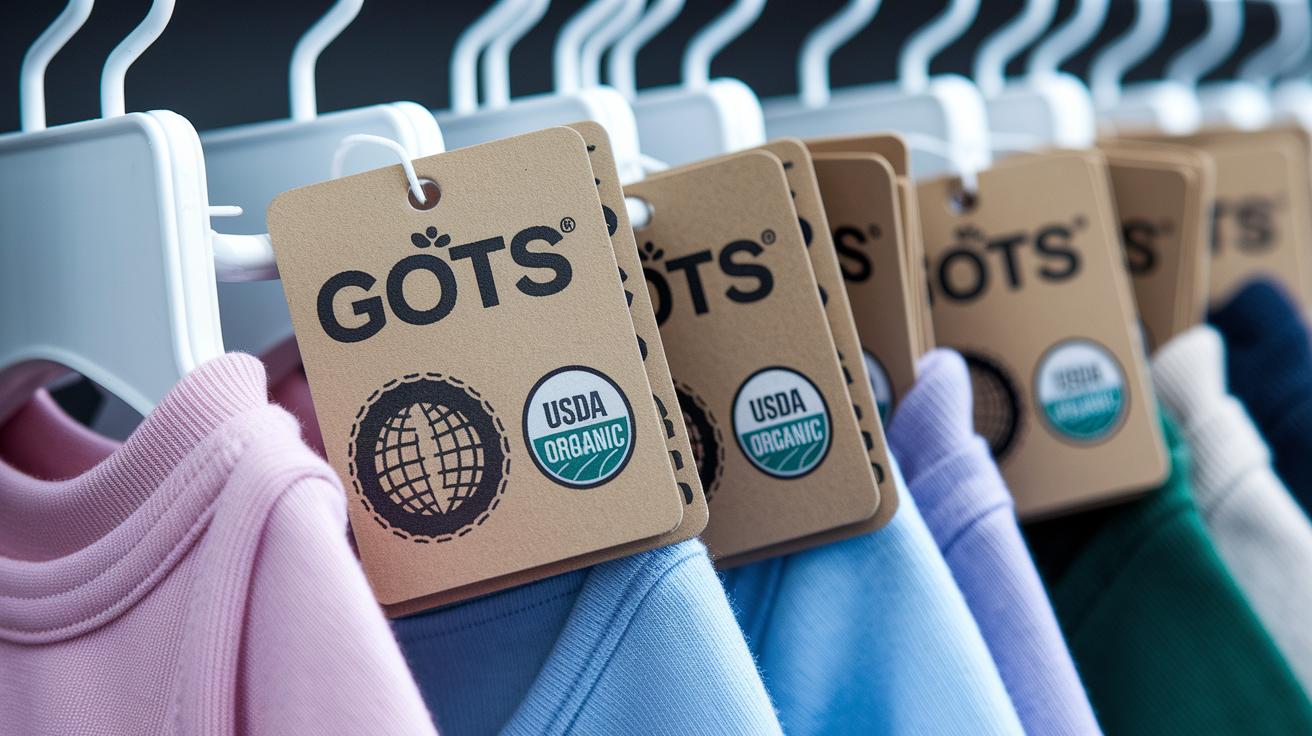
When choosing clothes for your little one, it’s important to look at the labels and certifications to ensure they are truly safe and healthy. Trusted marks like GOTS, OEKO-TEX® Standard 100, and USDA Organic are clear signs that the clothing meets high safety and eco-friendly standards. For instance, if a garment carries the GOTS label, it must have at least 95% organic fibers. This means the entire process, from growing the cotton to stitching the garment, follows strict guidelines for our environment and the people who make the clothes.
OEKO-TEX® Standard 100, on the other hand, tests fabrics to make sure they are free from harmful chemicals. This gives you peace of mind knowing that your baby’s clothes are safe, even though this label does not check the farming process itself. Meanwhile, when you see the USDA Organic label, it confirms that the raw materials are grown according to organic farming standards. That means no harsh chemicals come into play, keeping your baby’s sensitive skin safe. In contrast, conventional fabrics may not offer clear and consistent protections, so knowing what to look for on the label is key.
| Certification/Standard | Criteria | Guarantee |
|---|---|---|
| GOTS | At least 95% organic fibers; covers environmental and social practices | Ensures a full eco-friendly and ethical production process |
| OEKO-TEX® Standard 100 | Tests for harmful chemicals | Provides safety against unwanted substances in the fabric |
| USDA Organic | Meets organic agriculture criteria | Confirms that raw materials are free from harmful chemicals |
Practical Considerations for Choosing Organic vs Conventional Baby Clothing
When picking out baby clothes, start by checking the labels for fiber content and trusted certifications like GOTS and OEKO-TEX®. This helps you know the fabric is free from harsh chemicals.
Here are some friendly steps to follow as you review baby clothing:
- Look for labels that say 100% organic cotton or certified blends.
- Run your fingers gently over the fabric. It should feel as soft and comforting as your favorite cozy pillow.
- Check for any notes about natural dye options which can help reduce chemical treatments.
- Pay attention to the wash care instructions to ensure the garment stays lovely wash after wash.
These small checks can give you confidence that you're making safe and eco-friendly choices for your little one.
Final Words
In the action, we’ve broken down the clear contrasts between organic baby clothing vs conventional baby clothing. We looked at safety and health benefits, environmental impact, long-term value, and easy ways to verify label standards. Every detail helps you feel more confident in your choice and supports your baby’s comfort and well-being. The insights shared aim to guide thoughtful decisions and add a touch of reassurance to your daily routine. Choosing the best for your baby makes all the difference.
FAQ
Q: What differences do users see between organic and conventional baby clothing on Reddit?
A: Reddit users note that organic baby clothes are praised for being free of synthetic chemicals and offering a softer, safer feel, while conventional options may contain pesticide residues.
Q: What are the pros and cons of organic baby clothing compared to conventional options?
A: Organic baby clothing is celebrated for fewer chemicals, enhanced softness, and longer durability, though they cost more, whereas conventional garments might be less expensive but can harbor harmful residues.
Q: How does organic baby clothing compare to standard cotton baby clothing?
A: Organic baby clothing, including organic cotton, uses fibers grown without synthetic pesticides, making them gentler on a baby’s skin and more eco-friendly than conventional cotton.
Q: What does it mean when baby clothes are GOTS certified?
A: GOTS certified baby clothes are made with at least 95% organic fibers under strict environmental and social standards, ensuring that the garments are safer and gentler for your little one.
Q: Why choose organic baby clothes for your baby?
A: Choosing organic baby clothes means opting for fabrics free from synthetic chemicals, reducing the risk of skin irritations and supporting sustainable, eco-friendly farming practices.
Q: What brands offer organic baby clothing options?
A: Trusted brands like Makemake Organics, Honest Baby Clothing, and Colored Organics are known for their commitment to gentle fabrics and chemical-free production for your baby’s comfort.
Q: What certifications should I look for to verify the quality of organic baby clothing?
A: Certifications like GOTS, OEKO-TEX® Standard 100, and USDA Organic provide assurance of strict production practices and safety standards.
| Certification/Standard | Criteria | Guarantee |
|---|---|---|
| GOTS | ≥95% organic fibers and strict environmental standards | Fabrics free from harmful chemicals with ethical production |
| OEKO-TEX® Standard 100 | Tests for harmful chemicals in textiles | Ensures safe fabrics without toxic substances |
| USDA Organic | Raw materials grown organically | Guarantees adherence to organic farming practices |