

Have you ever thought about whether spending a little extra on baby clothes is truly worth it? Many parents ask the same thing when they see prices that can be 30 to 50 percent higher than the usual ones.
These special clothes promise safe finishes and a lasting, gentle softness, perfect for little ones with delicate, sensitive skin. Every extra dollar goes toward extra care, from carefully sourced fibers to thorough quality checks.
In this post, we’ll share what makes these garments so appealing while weighing the benefits against the costs. Many families find that paying a bit more means better care and more comfort for their baby.
Take a moment to see if this thoughtful extra spend might just be the right choice for your little one.
Organic Baby Clothing Cost-Benefit Snapshot
Organic baby clothing usually costs about 30–50% more than regular options. That extra cost comes from the extra care put into growing and harvesting the fibers. For instance, farmers often weed by hand and follow strict certification steps. In comparison, conventional cotton is mostly grown on large farms where cost is kept low, sometimes at the expense of care.
But it’s not just about the price tag. Organic clothes use safe, non-toxic finishes and get a GOTS certification to show that both the people making them and our planet are cared for. Many parents love that these garments stay soft and durable, even after many washes, making them gentle on a little one’s sensitive skin.
When you think about the benefits, the extra cost makes sense. Fewer worries about skin irritations, a clear pick for ethical practices, and clothing that lasts make organic baby wear a smart choice for your family.
Breaking Down Organic Cotton Infant Outfits Cost
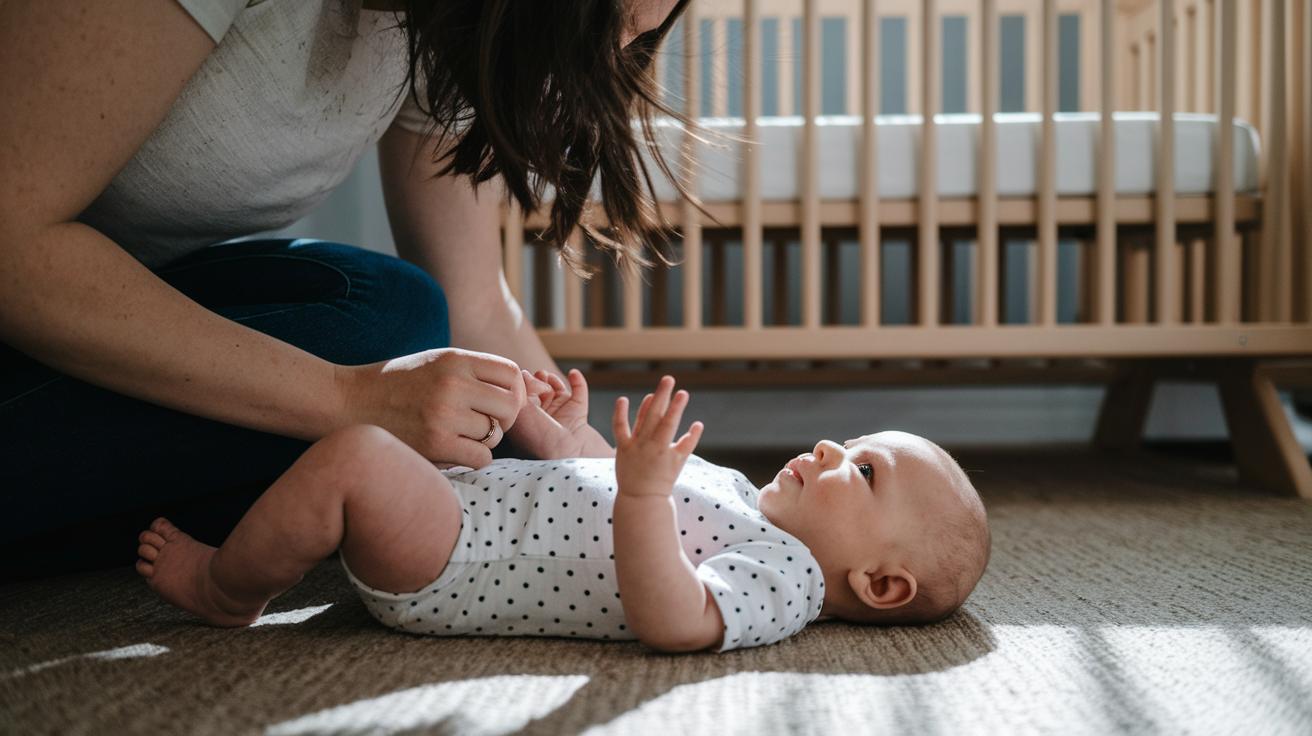
Organic baby clothes cost a little more because every piece is made with extra care. Farmers work by hand to keep weeds away and go through strict certification checks. This thoughtful process means the price is a bit higher. For example, an organic onesie typically runs between $18 and $30, whereas a conventional onesie is about $8 to $15. That extra cost helps pay for non-toxic finishes and ethical methods that protect your baby’s delicate skin and keep clothes lasting longer.
| Item | Organic Price | Conventional Price |
|---|---|---|
| Onesie | $18–$30 | $8–$15 |
| Two-piece set | $25–$40 | $12–$20 |
| Sleepsuit | $20–$35 | $10–$18 |
At first, these differences might make you hesitate. But if you watch for sales and balance your shopping by pairing organic items with more affordable pieces, you can create a warm, safe wardrobe without stretching your budget too far. It’s a bit like choosing the best ingredients for a hearty home-cooked meal, sometimes a little extra investment means more health and lasting value. In the long run, this small premium can mean fewer replacements, giving you peace of mind and smart savings over time.
Durability and Quality of Organic Baby Clothing
Organic baby clothes are made without the harsh chemical finishes that can weaken the yarn. They are built to keep their shape and bright colors wash after wash, so your little one stays stylish even after more than 50 washes. Even natural fibers like hemp and bamboo follow careful guidelines to ensure they are strong and keep moisture at bay, making sure your baby stays cozy all year long.
Parents often share how these garments stand up to everyday life. They notice that even after many washes, the outfits still feel soft and look nearly new, a real testament to clever design. Many have told us how their organic onesies keep their cheerful look, as seen with selections like organic cotton newborn onesies.
While these clothes may cost a bit more, many families feel it’s a smart investment. They save money in the long run by needing fewer replacements and offering lasting comfort for your busy days.
Safety Standards and Environmental Impact of Organic Baby Attire
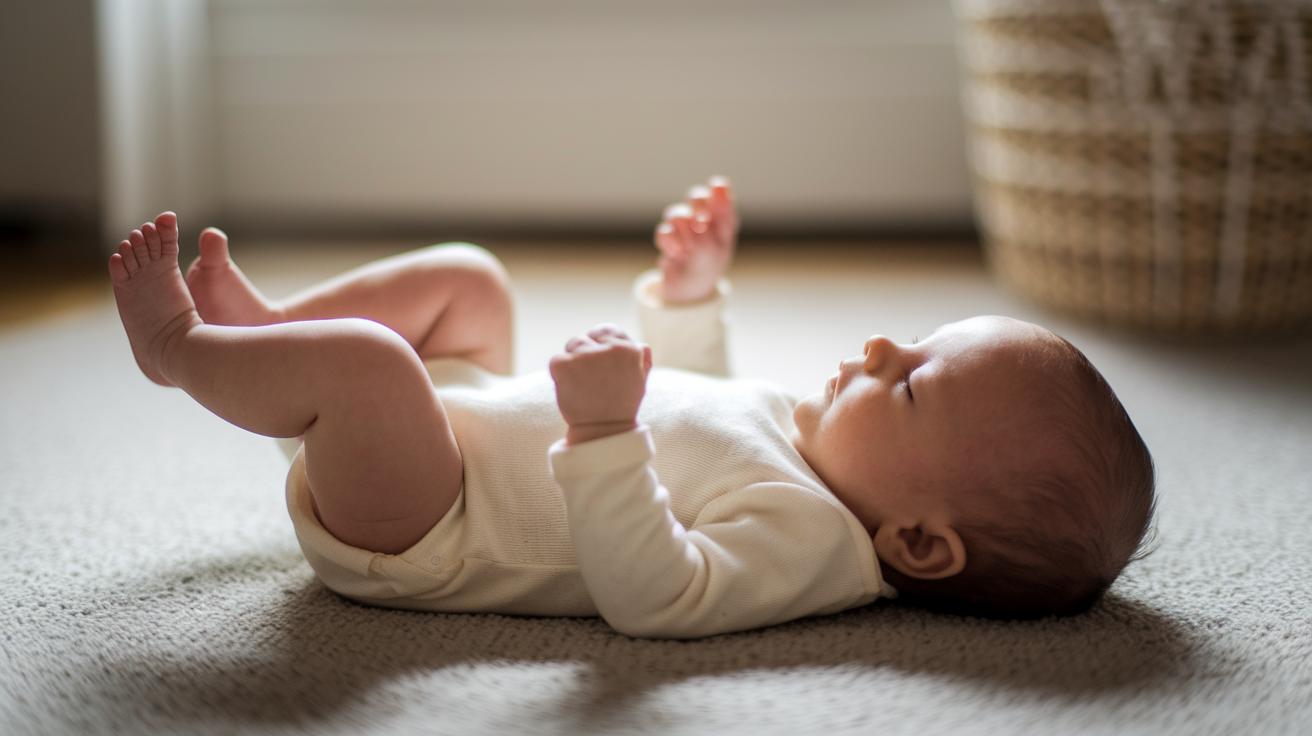
Organic baby clothes are created with non-toxic ingredients so you can feel safe and relaxed about what your little one wears. Designers work hard to follow strict rules that keep out harmful chemicals, making sure each piece is soft, safe, and gentle on delicate skin. It’s a comforting thought, knowing that your baby’s onesie is free from any hidden toxins that might cause irritation.
Here are some ingredients that organic attire avoids:
- Flame retardants
- AZO dyes with heavy metals
- Formaldehyde
- Pesticides
- Phthalates
- PVC
- Chlorine bleach
Choosing organic fabrics also means looking after our planet. Organic farming can use up to 91% less water, and it skips synthetic pesticides. This keeps our natural resources safe and supports cleaner production methods. By picking chemical-free wear, you’re not only caring for your baby, but also helping reduce carbon emissions and create a brighter future for everyone.
Certification and Ethical Production of Organic Infant Textiles
GOTS certification follows a strict process from the very start of growing the fiber to the final label on your baby's clothes. It means that fibers are grown without harsh chemicals, processed without toxic finishes, and made in safe settings where everyone is cared for. Experts check every step each year to ensure high standards are met. Think of it like a loving chef tasting every ingredient to make a special meal for your little one.
All this care does come at a cost. Hand-checking every field, using natural pest control, and performing detailed audits can make these items a bit pricier. But these practices mean that each garment is made safer and with respect for both the planet and the people who make them.
OEKO-TEX Standard 100 takes a closer look at the finished product by testing for any harmful substances, ensuring each piece is gentle on your child's delicate skin. Meanwhile, Fair Trade certification confirms that workers earn fair wages and work in healthy conditions. Knowing this, you can feel confident that your purchase is not only eco-friendly but also socially responsible.
So, take a moment to read the product labels. Look for clear marks from GOTS, OEKO-TEX, or Fair Trade on the tags. And if the details aren’t easily visible, don’t hesitate to ask for more information. Each step helps ensure that your choices truly support ethical practices you can trust.
Alternative Eco-Friendly Fibers Versus Organic Cotton
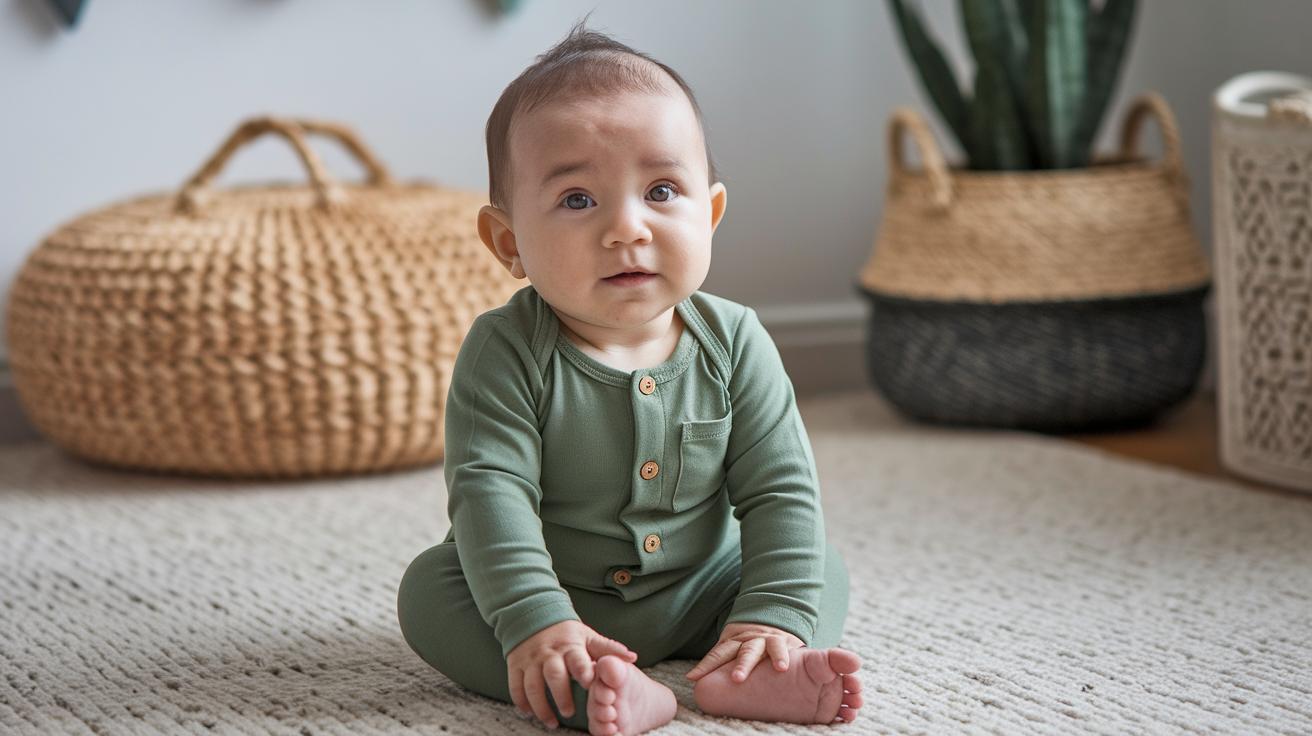
When it comes to picking natural textiles for your baby, organic cotton isn’t the only option. There are several eco-friendly fibers, each with its own special charm that can fit both your lifestyle and budget. They’re designed to give comfort and care in their own unique way.
Hemp, for instance, is incredibly strong and naturally fights off mold. It grows without the need for harsh pesticides, making it a smart, eco-aware choice. Sure, it can feel a bit rough unless it’s blended with a softer material. Still, its durability and moderate price can make it a favorite for many parents.
Bamboo is another great option. It feels ultra-soft and allows air to flow, which is perfect for keeping delicate skin happy. Some concerns pop up around the process used to turn bamboo into fabric if proper certifications aren’t in place. But many parents appreciate its smooth feel and find it suits their needs nicely at a balanced price.
Then there’s soy fiber. It stands out because it’s soft, biodegradable, and even has antibacterial properties. Its rarity usually means a higher cost, but for parents who carefully consider environmental impact, this special fiber might be worth the extra effort.
Wool rounds out the choices. It naturally keeps your little one warm and manages moisture well. Just remember, it may need a bit more delicate care when it comes to washing, and it usually comes at a higher price. Still, its natural warmth makes it a wonderful pick for cooler days.
| Fiber | Pros | Cons | Pricing |
|---|---|---|---|
| Hemp | Strong and mold-resistant | Can feel a bit rough | Moderate |
| Bamboo | Ultra-soft and breathable | Process may involve chemicals | Moderate |
| Soy | Biodegradable and antibacterial | Less available | High |
| Wool | Insulating and moisture-regulating | Requires extra care | Higher |
Consumer Experiences and Long-Term Value of Organic Baby Garments
Many caring parents have discovered that keeping a small collection of organic basics can really cut down on spending for creams and other treatments to soothe sensitive skin. They often notice that their little ones face far fewer skin issues when wrapped in fabrics free from harsh chemicals. This real saving on skin care makes the extra cost feel like a smart, heartfelt investment.
Seasoned parents often share a warm piece of advice: skip every trendy gadget or outfit and choose a few chosen organic pieces instead. They believe that a minimalist wardrobe filled with quality items grows right along with your child. When you focus on what’s truly good rather than chasing every new thing, life becomes so much simpler and more reliable. Reviews from parents highlight that a well-curated selection meets all the daily needs without fuss.
Plus, when you take good care of these organic garments, they last wonderfully over time. Many parents even mention that their beloved hand-me-downs or resold items can bring back up to 60% of the original cost. This remarkable return means that organic clothing isn’t just a safe choice, it also makes perfect sense for any budget-minded family. In every reused piece, the long-term value shines through, proving that good things really do go the distance.
Final Words
In the action, we explored the cost differences, durability, safety, and ethical production of organic baby clothing. We compared price points, explained eco-friendly fibers, and highlighted real parent experiences that show how well these items hold up through daily use.
Organic baby clothing worth the cost brings peace of mind by combining quality with safety and ethical practices. Every detail shows how this thoughtful choice supports both baby’s comfort and our shared care for the planet.
FAQ
Is organic baby clothing worth the cost as seen on Reddit and in 2022?
Organic baby clothing proves its worth when you prioritize safety, comfort, and ethical practices. Positive feedback shows many parents feel the extra cost is justified by better materials and fair production standards.
What are the benefits of organic baby clothes, including organic cotton and organic pima cotton?
Organic baby clothes, like those made from cotton and pima cotton, offer soft, chemical-free fabrics that are gentle on delicate skin and tend to last longer, providing a natural, nurturing feel for your little one.
What does GOTS certification mean for baby clothes?
GOTS certification means baby clothes meet strict safety and environmental standards, using non-toxic dyes and fair labor practices. This gives parents confidence in both the quality and ethical production of each garment.
Which organic baby clothes are best made in the USA?
Organic baby clothes made in the USA often adhere to higher quality and ethical standards. Local production means better oversight and safety checks, giving you added peace of mind with each carefully crafted piece.
Should babies wear organic clothing?
Organic fabrics can be a smart choice for your baby, as they are gentle on sensitive skin and free from harsh chemicals. Many parents appreciate that organic clothing offers extra comfort and a safer touch.
What are the downsides of organic cotton?
Organic cotton is gentle and eco-friendly, yet its main downside is a higher price tag. Some families may also find that there are fewer styles and colors available compared to more conventional fabrics.