
Have you ever noticed how baby clothes can feel like a gentle, warm hug? Organic fabrics have that special softness and feel light on your baby's skin while keeping out any harsh chemicals. Every parent wants the best for their little one, and choosing organic is a simple way to offer pure, healthy comfort. In short, fibers like organic cotton and bamboo wrap your baby in snug, chemical-free coziness every day.
Organic Baby Clothing Fabrics Explained: Pure & Healthy
Organic baby clothing fabrics come from naturally grown fibers that are kind to your baby’s delicate skin. They skip harsh chemicals and bright dyes, so even the most sensitive skin stays calm and happy. These fabrics have a history of reducing irritation, which is so important when your little one is wearing snug, close-touch clothing.
Organic cotton is a top pick for many parents because it's soft, breathable, and meets strict GOTS standards. Bamboo and eucalyptus fabrics offer a silky feel and help wick away moisture, making them great for warm sleepers or year-round wear. Their natural breathability helps keep your baby comfortable at just the right temperature.
Choosing organic means going for hypoallergenic fabrics that truly care for your baby’s health. Chemical-free clothing not only protects sensitive skin but also supports a cleaner environment. For more details on the benefits of organic baby clothes, see benefits of organic baby clothing. These natural fabrics are a trusted choice for parents who value safety and comfort in every piece of clothing.
Key Natural Fibers in Organic Baby Clothing Fabrics

When it comes to dressing your little one, natural fibers feel like a warm hug. They’re soft, light, and keep delicate skin safe while caring for our planet. These fabrics are chosen with love for their gentle touch and eco-friendly ways that every caring parent can appreciate.
Organic cotton is a real favorite. It’s grown using methods that protect our soil, save water, and spare energy. That’s why organic cotton infant pajamas feel so comfy and natural. Bamboo viscose comes from a carbon-neutral plant and breathes well, which helps keep your baby dry and cozy. TENCEL™ Modal is another wonderful choice, made from responsibly harvested wood, it feels luxuriously soft and kind to even the most sensitive skin.
Linen is known for its strength. It keeps its shape and stays smooth even after many washes, making it a smart pick for everyday wear. Muslin, a type of cotton gauze, is incredibly light and perfect for swaddles or warm summer days. And then there’s Merino wool, which naturally adjusts to temperature, resists allergens, and even helps fight off unwanted germs.
Every fiber brings its own charm. Whether it’s the classic comfort of organic cotton or the elegant softness of TENCEL™ Modal, these natural options help create a wardrobe that pampers your baby and protects our Earth.
| Fiber Type | Key Properties |
|---|---|
| Organic cotton | Protects soil, saves water, energy-saving |
| Bamboo viscose | Carbon-neutral, breathable, wicks moisture |
| TENCEL™ Modal | Sustainably made, low environmental impact, ultra-soft |
| Linen | Durable, keeps its shape, resists pilling |
| Muslin | Lightweight, delicate, great for swaddling |
| Merino wool | Adjusts to temperature, hypoallergenic, antimicrobial |
Comparing Conventional and Organic Baby Textile Materials
Let’s talk about conventional baby fabrics. These materials often use strong dyes and finishes during production. They tend to trap heat, which might make little ones feel too warm. Plus, the way they’re made usually involves high-energy methods and chemicals that can leave residues on the fabric. This means the soft skin of your baby might not get the gentle, breathable care it needs, and the process isn’t as kind to our planet.
On the flip side, organic baby textiles are a welcome change. They’re crafted from naturally grown fibers that skip the pesticides, harsh chemicals, and toxic finishes. Made using energy-smart methods, these materials save water, support healthy soil, and reduce environmental impact. Fabrics like organic cotton, bamboo, and TENCEL feel soft and let your baby’s skin breathe. It’s a thoughtful choice that keeps your little one comfy while also showing care for the Earth.
Certifications and Standards in Organic Baby Clothing Fabrics
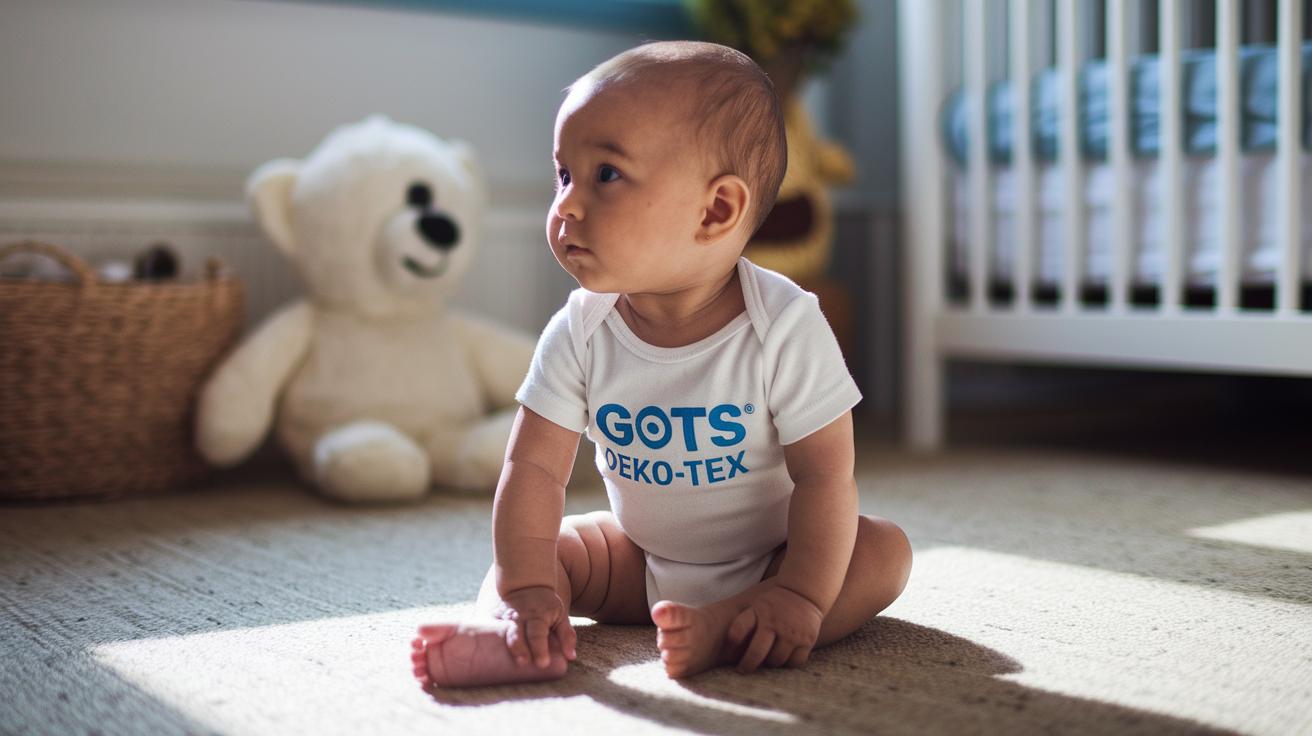
GOTS (Global Organic Textile Standard) is a badge you can trust. It shows that the fabric is made from organic fibers and built with care for both the earth and its people. With no pesticides or harsh chemicals, these labels guarantee that your baby’s clothing is as soft and gentle as a loving cuddle.
Oeko-Tex Standard 100 provides an extra layer of comfort. This certification means every fabric is carefully tested for any harmful substances, ensuring that your baby’s skin stays safe and free from irritants. It’s a simple, reassuring way to know the clothing you choose is truly dependable.
Fair Trade labels and similar marks make sure the clothes are made in fair working conditions with respect for our planet. They let you know that each piece of baby wear is produced ethically and with eco-friendly practices. When you see these labels, you can feel extra confident that you’re choosing safe, sustainable garments that care for your little one and our world.
Care Instructions for Organic Baby Clothing Fabrics
Keeping your baby’s organic clothes soft and safe is easier than you think. Start by using a gentle wash cycle with a mild, fragrance-free detergent. Choose cold or warm water to help the fabric stay true to its natural feel, like a warm, familiar hug.
After washing, it's best to let the garments air dry. If you must use a dryer, go for a low heat setting so the clothes keep their shape and texture. Avoid fabric softeners and bleach because they can change the hypoallergenic nature of the fabric.
For wool items, a little sunshine works wonders to naturally refresh the fabric. If you spot a stain from spills or diaper leaks, try a special wool wash instead of harsh cleaners. With these easy tips, your baby’s organic clothing will stay safe, durable, and as soft as a loving cuddle every time.
Health and Environmental Benefits of Organic Baby Clothing Fabrics
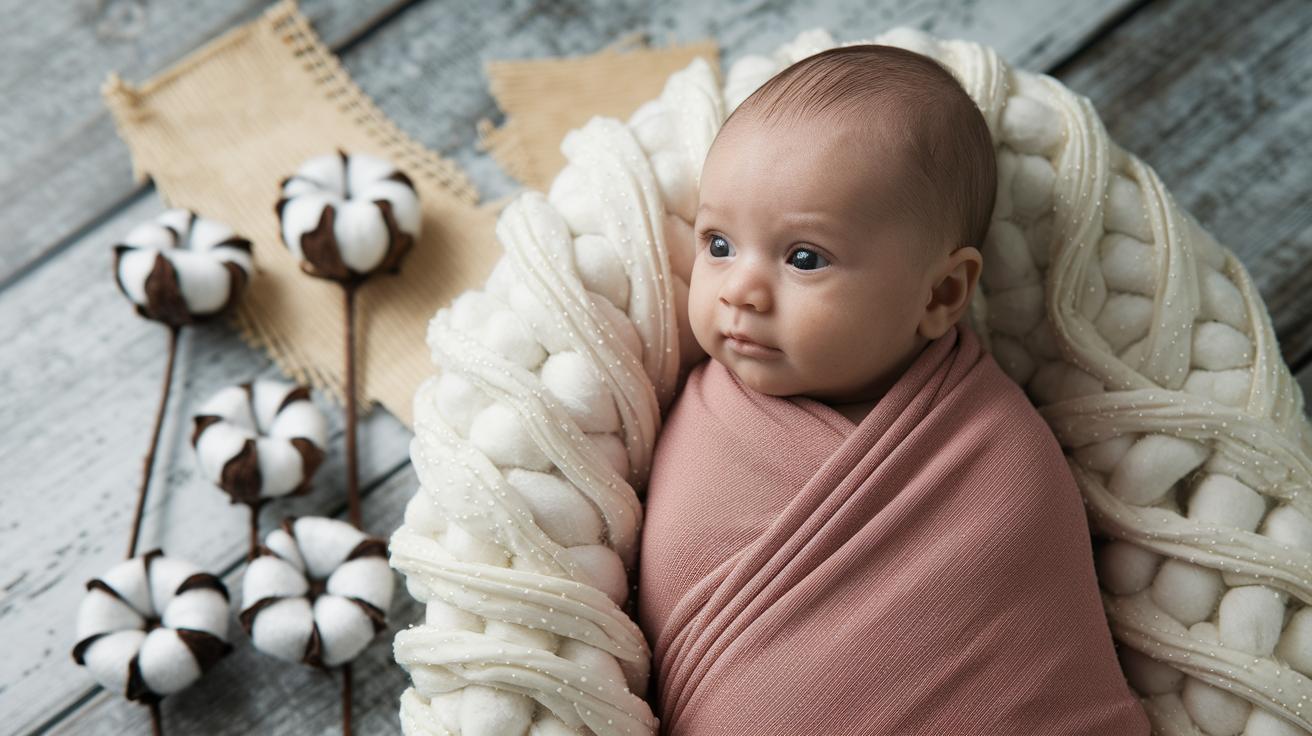
Organic fabrics work wonders. Recent studies show that natural textiles can manage moisture better than the usual materials we see. For instance, bamboo fabric keeps up to 20% more quickly than cotton, which means your baby's skin stays dry whether they're exploring or napping. It’s little details like these that give us clear, trusted reasons to choose these gentle materials.
The benefits extend beyond just keeping skin comfy. Organic production methods use much less water and create fewer carbon emissions. One study even found that sustainable fabric processing can lower water use by up to 50% compared to regular methods. And fabrics like TENCEL help regulate temperature, ensuring your little one feels cosy while also caring for the planet.
Every garment is a result of thoughtful design and careful testing. In controlled tests, TENCEL maintained a steady skin temperature even when little ones were busy playing. This focus on performance means that every piece not only soothes sensitive skin but also builds an eco-friendly wardrobe that makes a real difference.
Final Words
In the action, we explored what makes organic baby clothing fabrics explained so special, from gentle, natural fibers to certified, eco-friendly options. We examined key natural fibers, care tips, and how organic choices reduce skin irritants while caring for the planet. Every insight shares a simple, heartfelt reminder that safe, chemical-free fabrics support your baby's comfort and health. May these tips spark confidence and warmth every time you dress your little one, keeping both baby and earth in mind.
FAQ
What is the healthiest fabric for babies?
The healthiest fabric for babies is organic cotton. It is naturally soft, chemical-free, and gentle on sensitive skin, providing a safe and soothing option for your little one.
What makes baby clothes organic?
Baby clothes are organic when made from fibers grown without harmful chemicals. They are produced with natural methods that avoid pesticides, ensuring a safer, gentler fabric for your baby’s delicate skin.
Is bamboo or organic cotton better for babies?
Bamboo and organic cotton both offer gentle options. Bamboo is known for its silky feel and moisture-wicking properties, while organic cotton is praised for its softness and purity. The best choice depends on your baby’s specific needs.
What are not good fabrics for baby clothing?
Fabrics that are rough or chemically treated are not ideal for baby clothing. Such materials can irritate sensitive skin, trap heat, and may contain harmful substances that pose risks to a baby’s comfort and health.