
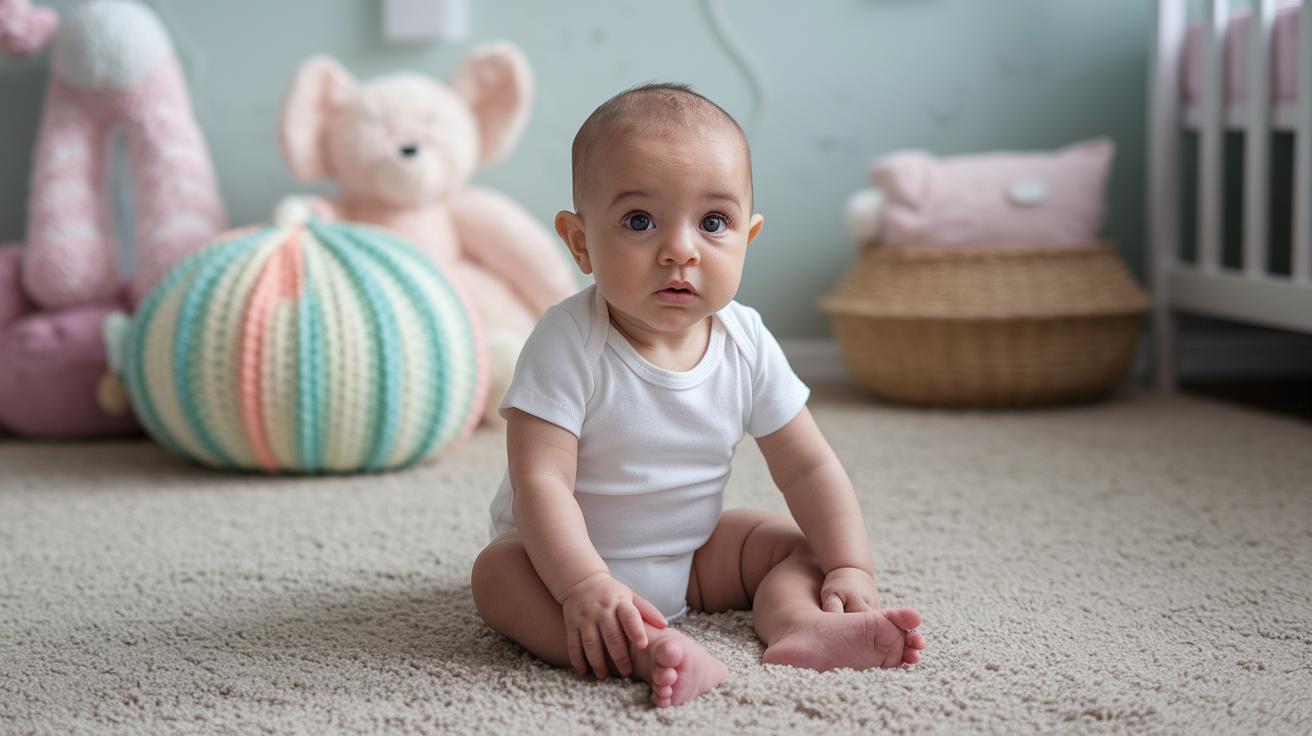
Have you ever stopped to think if your baby’s clothes truly care for their gentle skin? Certified organic fabrics keep harmful chemicals at bay, wrapping your little one in nature’s soft embrace.
This guide lovingly walks you through our favorite picks, showing how trusted labels bring both safety and comfort to every outfit. When you choose natural, pure materials grown without harsh additives, you're giving your child a warm, secure hug every day.
Take a moment to read on and see how simple choices can make a big, heartfelt difference in nurturing your precious little one.
Understanding Certified Organic Baby Clothes: Definition & Benefits
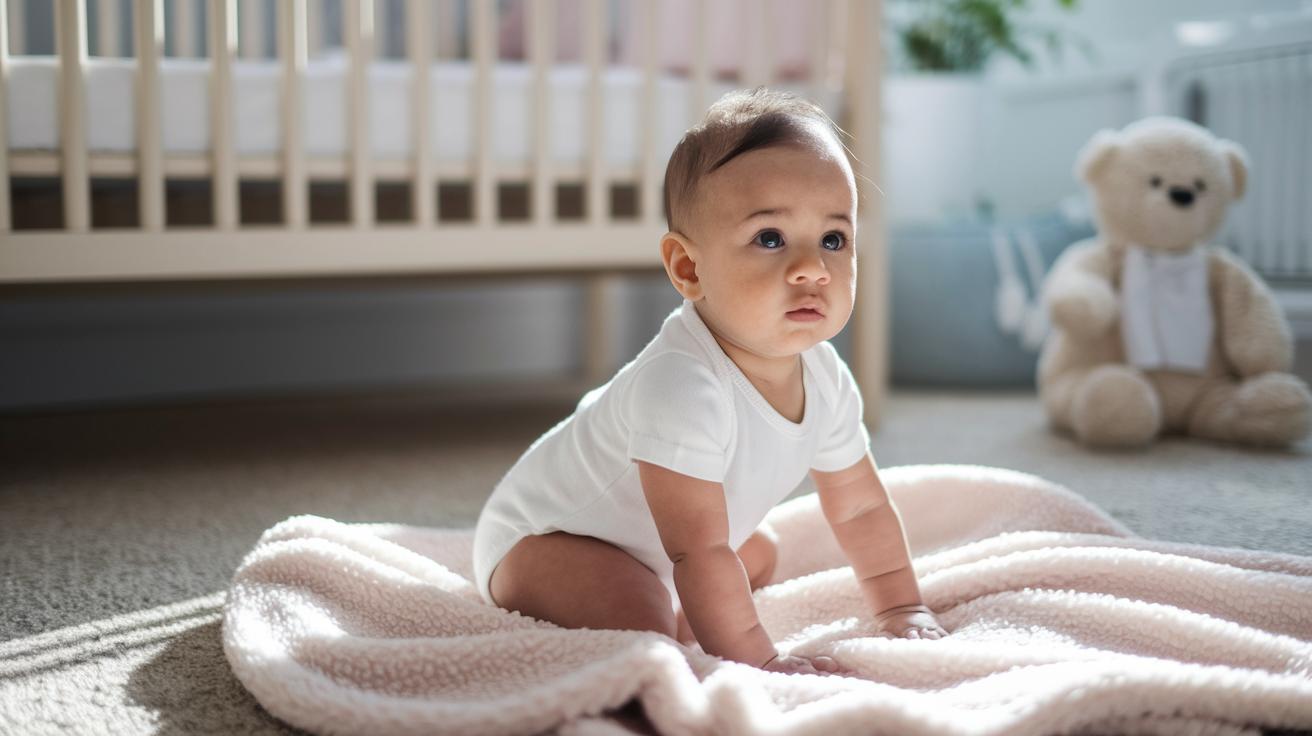
Certified organic baby clothes offer a safe, gentle hug for your little one’s delicate skin. These garments are made without toxic chemicals, which is important since babies have skin that is up to 30% thinner than an adult’s and can absorb substances more easily. By choosing organic fabrics, grown without harsh pesticides or synthetic fertilizers, you’re making a small choice that can make a big difference.
Take organic cotton for example. Often celebrated as the gold standard for baby fabrics, it’s grown naturally, free from toxic substances. Isn’t it amazing how a simple choice like this can help protect your baby’s sensitive skin?
Other natural materials can work wonders too. Bamboo, for instance, is exceptionally soft and gently wicks away moisture, keeping your baby comfortable during all those busy days. And hemp? It’s wonderfully breathable and durable, perfect for those active, little explorers. These fibers not only help prevent rashes and irritation, they also support a sustainable lifestyle you can feel good about.
A quick tip: always check for certification labels on baby clothes. These labels confirm that the garment truly meets organic standards, giving you peace of mind that your baby is wrapped in safety and comfort every day.
Certification Standards for Organic Baby Clothes
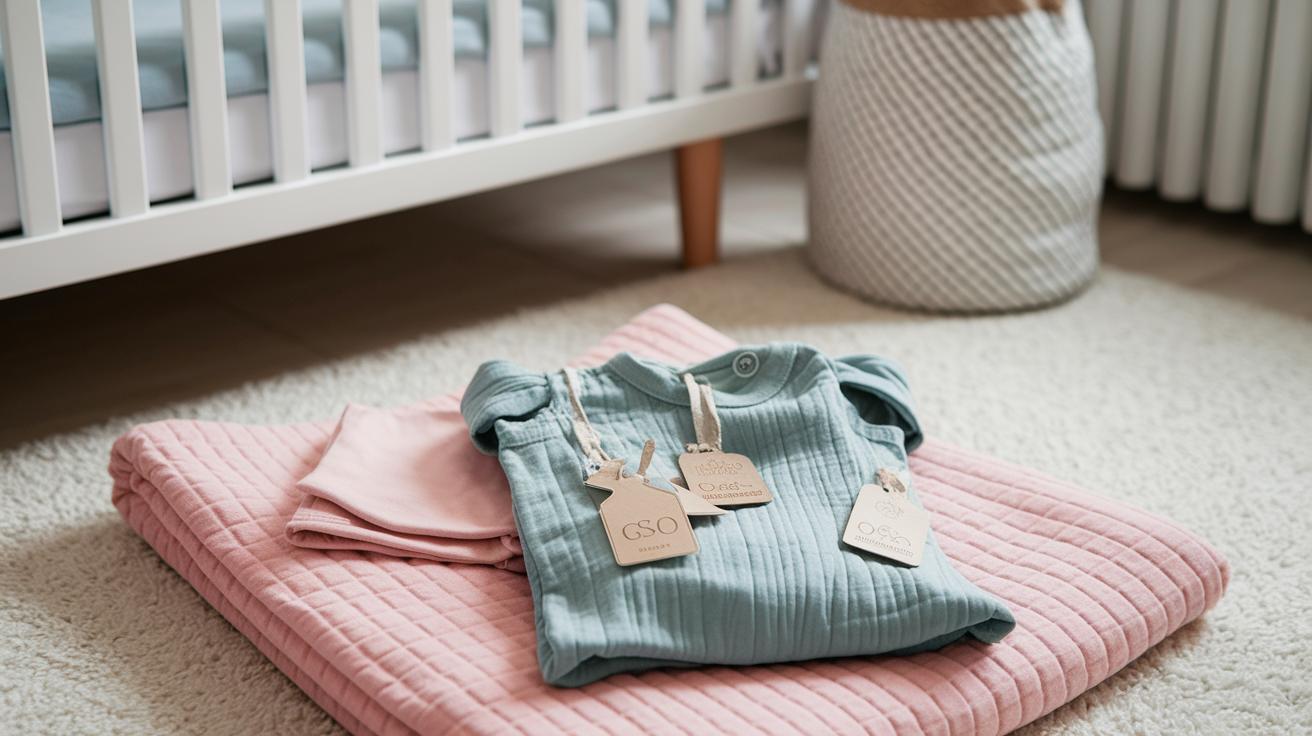
When you choose certified organic baby clothes, you can feel calm knowing they are safe and gentle. One well-known standard is the Global Organic Textile Standard (GOTS). This label means the fabric is cared for from start to finish, from processing and manufacturing to packaging and labeling. Every step is checked for harmful chemicals to protect your little one’s sensitive skin.
Another trusted certification is OEKO-TEX Standard 100. It tests finished products for over 100 substances, ensuring there aren’t any harmful chemicals left on the fabric. It’s like a final safety check before your baby wears the outfit. I remember one mom saying how finding the OEKO-TEX label on a sleeper made her feel completely reassured.
To see these certifications, just check the tag inside your baby’s garment. Here’s a quick side-by-side look at the two standards:
| Certification | Scope | Residue Testing | Social Responsibility |
|---|---|---|---|
| GOTS | All stages from processing to distribution | Thorough chemical tests | Includes social factors |
| OEKO-TEX 100 | Focus on the finished product | Tests for 100+ substances | Less focus on social issues |
Keep an eye on these little logos. Checking your baby onesie’s tag for a GOTS or OEKO-TEX seal is a smart way to make sure your precious one is wrapped in care and comfort.
Organic Fabrics in Baby Clothes: Materials & Safety Considerations
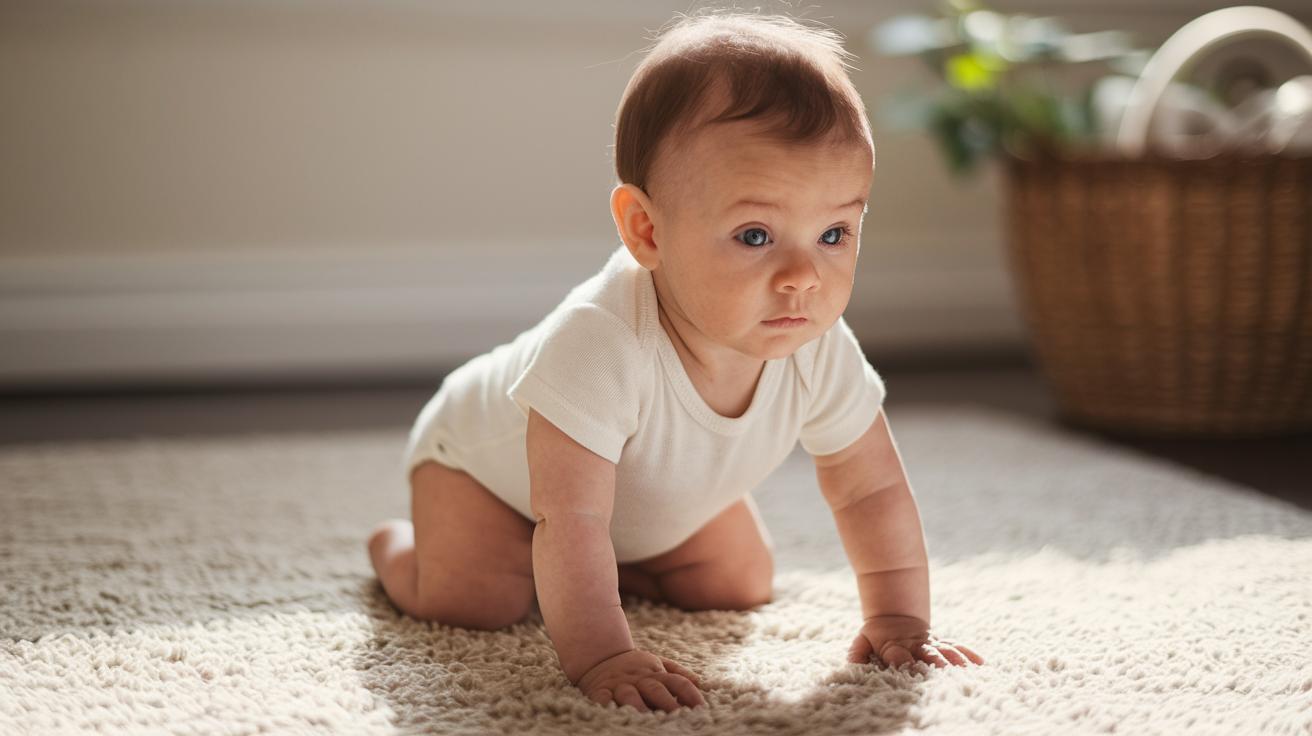
Organic fabrics offer a soft, safe option for your baby’s delicate skin. Organic cotton, for instance, is grown without harsh pesticides or fertilizers. Its natural softness feels like a warm hug, much like the gentle caress of an organic onesie on a cool morning.
Bamboo is another wonderful choice. It naturally wicks away moisture and is kind to sensitive skin, keeping your little one dry and comfortable. If you’d like to explore more, check out bamboo baby clothes at https://bsnuggs.com?p=339.
Hemp also makes a great pick for active little ones. It’s durable and breathable, staying cool and lightweight even during busy playtimes.
In contrast, synthetic fibers such as polyester and nylon can contain chemical residues like BPA, phthalates, formaldehyde, PFAS, and azo dyes. Since these chemicals might be absorbed by your baby’s skin, choosing certified organic fabrics is a clearer, safer option.
Buying Guide: How to Choose Certified Organic Baby Clothes
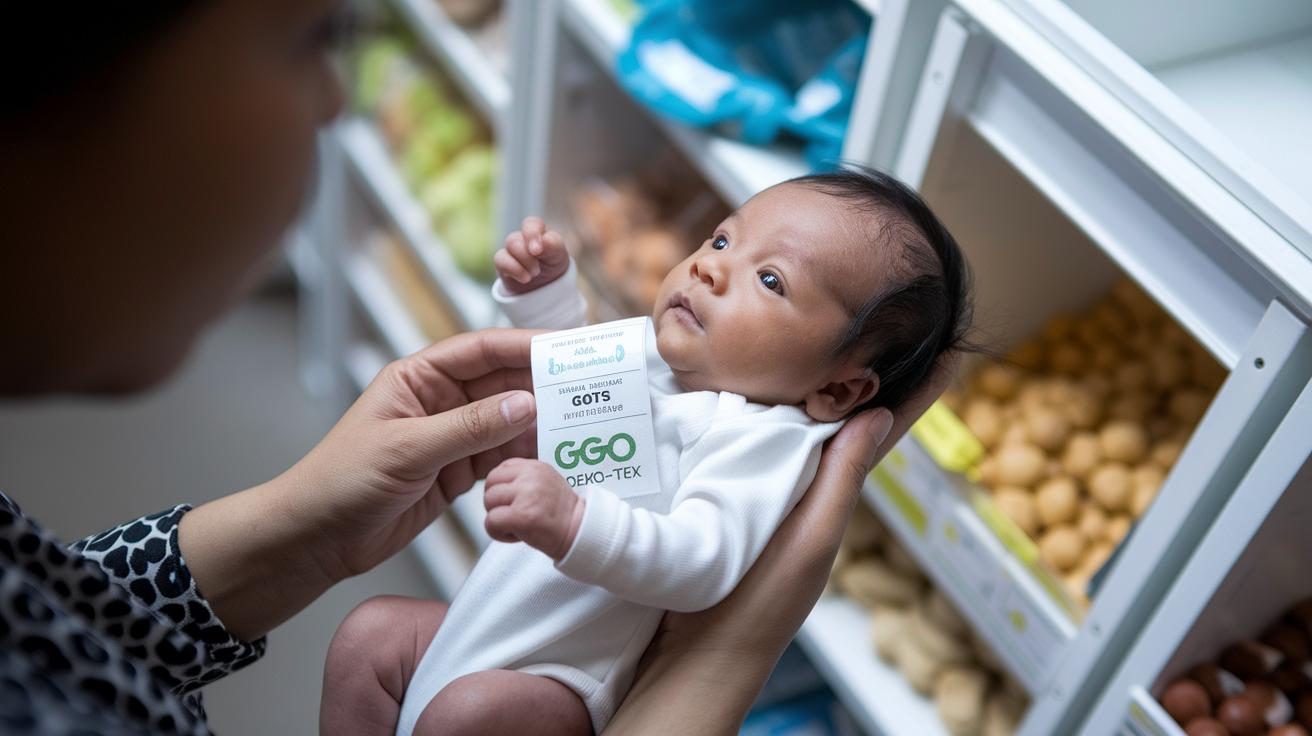
When you shop for organic baby clothes, it pays to look for labels that clearly show fiber percentages and trusted certification logos. These details help you steer clear of greenwashing and keep your little one safe from any harmful substances. Check that each garment carries a genuine stamp like GOTS or OEKO-TEX, as these tags confirm no toxic chemicals were used in making the fabric. For example, take a close look at the tags on organic cotton newborn onesies.
Here's a simple checklist to keep in mind:
- Read fabric labels carefully to verify certification logos and fiber percentages.
- Look for adjustable snaps and fold-over cuffs for extra comfort.
- Choose neutral colors so they easily match with different accessories.
When building a starter wardrobe, consider a few key items: Think about 5 to 7 bodysuits that offer a snug and safe fit, 3 to 5 footed sleepers with gentle, flat seams, and 2 to 3 hats or mittens for keeping tiny heads and hands warm. Also, add one soft swaddle or wearable blanket to support secure sleep, and round it off with bibs and burp cloths made from certified organic materials.
Each of these choices is about more than just fabric, they’re part of a collection designed to grow with your baby and make life a little easier. Every item should meet high organic standards, giving you the peace of mind that you’re protecting your baby’s delicate skin with a touch of love and care.
Caring for Certified Organic Baby Clothes: Laundry & Maintenance Tips
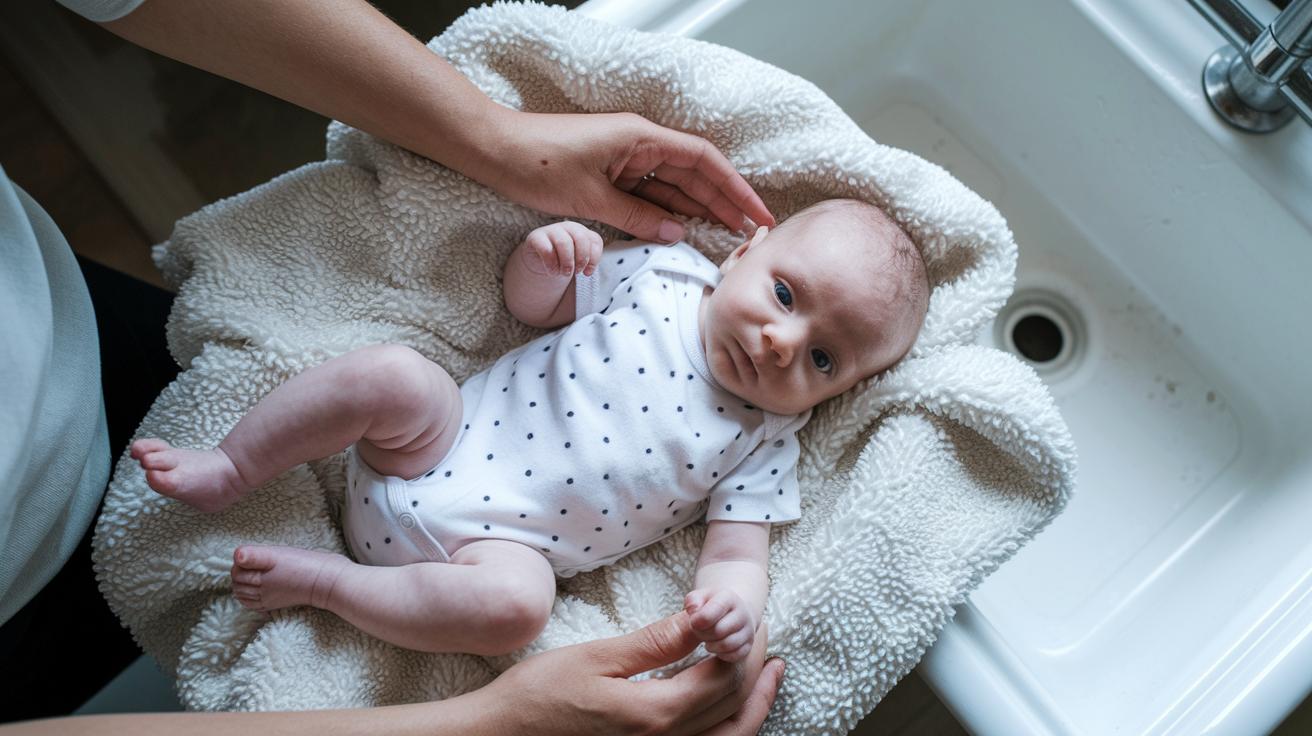
When washing your organic baby clothes, use cold water and a gentle cycle. I like to choose a plant-based, fragrance-free detergent because it helps keep the fabric soft and true to its certified quality. Imagine a delicate onesie being washed carefully, free of any strong scents.
If you notice a stubborn mark, consider reaching for a little baking soda or a splash of white vinegar. These natural helpers gently lift stains without hurting the fabric, almost like a caring pat that says, "Don't worry, I've got you."
For drying, air drying or using a low-heat tumble cycle is key. High heat can be too rough and might shrink those precious outfits. A gentle, patient dry keeps everything soft and long-lasting.
- Use cold water and a gentle cycle.
- Choose a plant-based, fragrance-free detergent.
- Treat stains with a pinch of baking soda or a splash of white vinegar.
- Dry by air or on a low-heat tumble cycle.
- Keep your clothes in breathable cotton bags, not plastic.
After washing, store your clean clothes in cotton bags that let them breathe. This helps prevent moisture and unwelcome pests, ensuring your baby’s favorites stay just as comfy and cheerful as ever.
Top Certified Organic Baby Clothes Brands & Product Recommendations
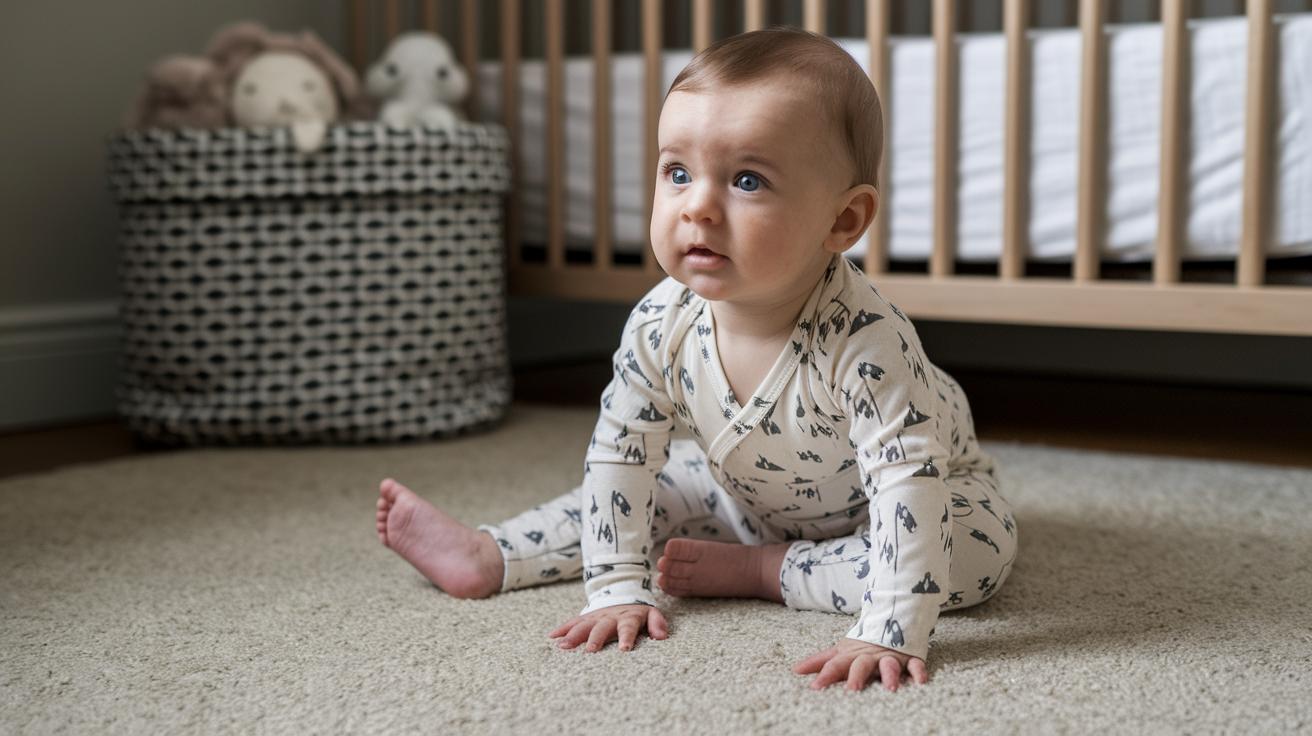
These top picks shine a light on trusted organic brands that put comfort and safety first for your little one. Every product is handpicked for its gentle, chemical-free fabric and smart designs that make a busy parent's day that much easier.
Take the Finn + Emma Organic Kimono Bodysuit, for example. It features side snaps and delightfully soft cotton that makes dressing your baby a breeze. Then there are the Organic Footed Sleepers. With built-in footies and smooth, flat seams, they help create a cozy atmosphere for a peaceful night's sleep.
For days when you're on the go, the Organic Essentials Sets are a dream come true. These coordinated bundles of bodysuits, hats, and pants keep everything stylish and simple. Parents are also raving about items like Burt’s Bees Everyday Jammies, Carter’s Little Planet Quality Basics, Home & Henry’s special occasion pieces, and even the Make Make Organics knit blankets. And with prices like a "love dad" graphic bodysuit at $22 or a basil green footie at $36, you can enjoy premium quality without stretching your budget.
| Product | Key Features | Price Point |
|---|---|---|
| Finn + Emma Organic Kimono Bodysuit | Side snaps, buttery-soft organic cotton | Price varies |
| Organic Footed Sleepers | Built-in footies, flat seams for comfort | Price varies |
| Organic Essentials Sets | Coordinated bundles of bodysuits, hats, and pants | Price varies |
| “love dad” Graphic Bodysuit | Fun design on certified organic fabric | $22 |
| Basil Green Footie | Comfort fit with gentle fabric for sleep | $36 |
Every choice is made with your baby's sensitive skin and your busy life in mind. These picks meet strict certification standards while offering smart features that grow with your baby, promising dependable and pure comfort for your tiny explorer.
FAQs on Certified Organic Baby Clothes Guide
Q1: Are all "organic" baby clothes free from chemicals?
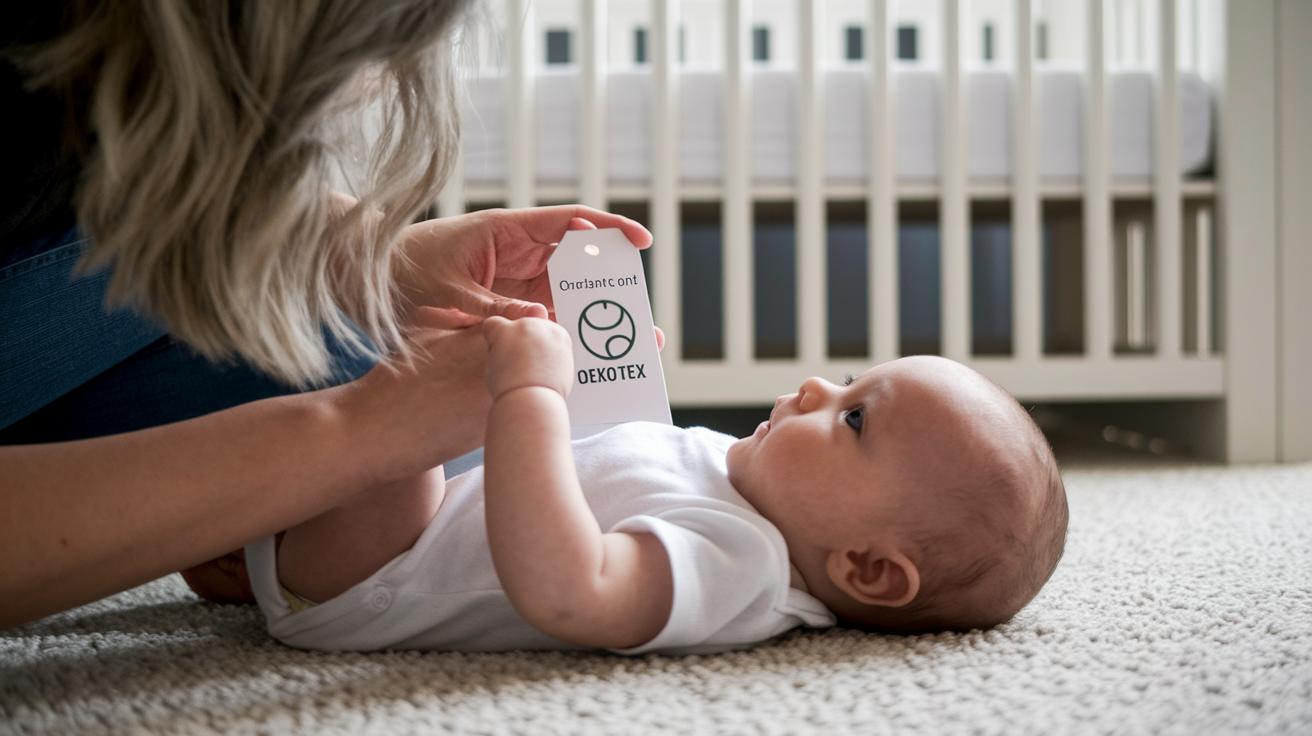
A: Not entirely. While no baby clothing can be 100% free from every trace, genuine certifications like GOTS and OEKO-TEX have checked these items carefully, which greatly lowers any risks. Always take a moment to look at the tag and confirm it meets trusted standards.
Q2: Is organic clothing more expensive?
A: Often, yes. Organic baby clothes might have a higher price tag at first. But they’re usually made to last longer and help prevent those annoying skin irritations linked to chemical residues. Many parents see it as a worthwhile investment for their child’s safety and comfort.
Q3: Which certifications can I trust the most?
A: Look for labels like the Global Organic Textile Standard (GOTS) and OEKO-TEX Standard 100. These certifications are well-respected because they ensure low chemical residues and safe manufacturing processes. They also show that companies care about social responsibility. This can really give you peace of mind.
Q4: Can I mix organic with conventional items?
A: Absolutely. It’s a smart move to choose organic items for those pieces that touch sensitive skin or are used during key growth stages. For parts of your baby's wardrobe that aren’t in direct contact with delicate skin, conventional options can be a good choice too.
A little tip: Taking the time to read labels carefully can truly transform your shopping experience, ensuring that each item supports your baby’s wellbeing.
These answers are here to help clear up common concerns and remind you why certified organic baby clothes can be such a caring choice for your little one.
Final Words
In the action, we explored how certified organic baby clothes protect delicate skin and keep your little one comfy. We looked at what makes a product truly organic, from clear certifications to safe, natural fabrics like organic cotton, bamboo, and hemp.
We also shared tips on choosing, washing, and caring for these fabrics. This certified organic baby clothes guide helps you feel confident in making the right picks for your baby. Everything we covered is here to make caring for your little one simple, safe, and full of gentle love.
FAQ
What are the best organic baby clothes?
The best organic baby clothes combine certified materials like organic cotton or bamboo with strict standards. They protect delicate skin while reducing exposure to harmful chemicals and are backed by trusted labels such as GOTS and Oeko-Tex.
What is the healthiest material for baby clothes?
The healthiest materials for baby clothes are certified organic cotton and bamboo. These fibers are grown without toxic chemicals, making them soft, breathable, and gentle on sensitive baby skin.
Are Gerber clothes Oeko-Tex certified?
The status of Oeko-Tex certification for Gerber clothes varies. It is best to check the product labels directly, as manufacturers update certifications to reflect current testing for harmful chemicals.
What are GOTS certified baby clothes?
GOTS certified baby clothes meet strict guidelines covering production and processing. They ensure that the fabric is grown and manufactured without toxic chemicals, providing a safe option for your baby’s delicate skin.
What defines luxury organic baby clothes?
Luxury organic baby clothes feature premium certified fabrics with refined designs. They offer exceptional softness and quality, ensuring that each piece is both stylish and safe for sensitive baby skin.
Which organic baby clothes brands or companies are trustworthy?
Trusted brands, including well-known names like Carter’s, offer organic baby clothes that meet established safety standards. They reduce chemical exposure by using certified organic materials, letting you shop with confidence.
Are there organic cotton baby clothes made in the USA?
Yes, organic cotton baby clothes made in the USA are produced following rigorous domestic organic standards. This ensures that the garments are free from toxic chemicals while supporting local manufacturing practices.
How does a certified organic baby clothes guide help parents?
A certified organic baby clothes guide explains key labels and certifications, helping parents easily identify safe, non-toxic options. It simplifies selection, ensuring that every purchase supports your baby’s sensitive skin and overall well-being.