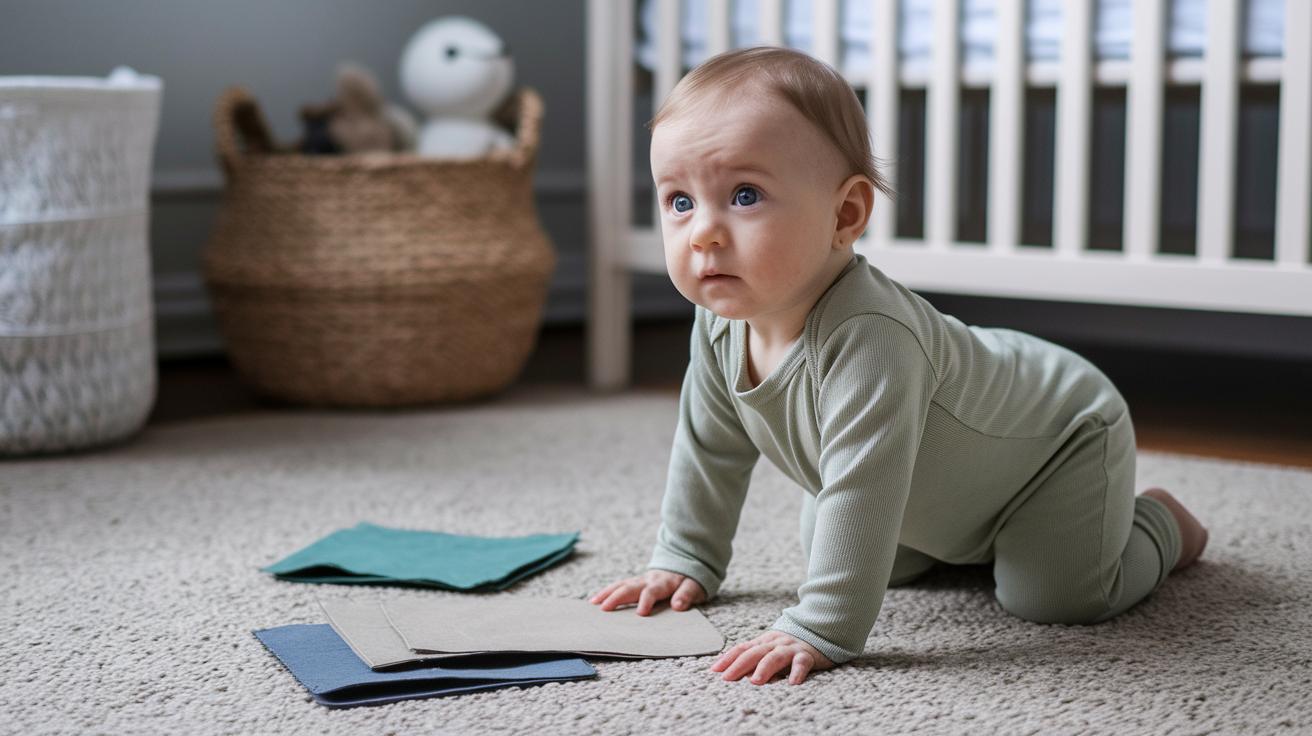
Have you ever worried that your baby's clothes might irritate their delicate skin? It might surprise you to learn that an infant’s skin is much thinner than an adult's, which means even tiny irritants can be a big deal.
Switching to organic fabrics like cotton, bamboo, or hemp really feels like wrapping your little one in a gentle, soothing hug. These natural materials help keep harsh chemicals at bay while also taking care of our planet. In truth, choosing organic baby clothing is a warm, thoughtful move that makes your child feel cozy, safe, and truly cared for every single day.
Why Organic Baby Clothing Fabrics Matter for Infants

Babies have super delicate skin that is about 30% thinner than an adult’s. This means they can get irritated more easily. Think about the gentle hug of a soft cotton onesie that shields your little one from rough, synthetic fabrics. It’s pretty amazing to know that newborn skin is so sensitive that even a tiny bit of chemical residue from regular fabrics might cause discomfort or rashes.
Many parents worry about harmful chemicals. Regular cotton is often grown with pesticides, leaving tiny traces that can bother your baby’s tender skin. Imagine a fabric that stands guard, naturally keeping away these unwanted chemicals without losing its soft, cozy feel. It’s like having a quiet protector for your child.
Organic baby clothing fabrics come with natural, sustainable, and hypoallergenic benefits. By choosing materials such as organic cotton, bamboo, or hemp, you help reduce the risk of irritation. These fabrics are made without harsh pesticides, which means your baby’s skin stays calm and happy. Plus, they offer the comfort your child deserves while caring for our planet too.
Organic Cotton Properties and Benefits in Baby Clothing
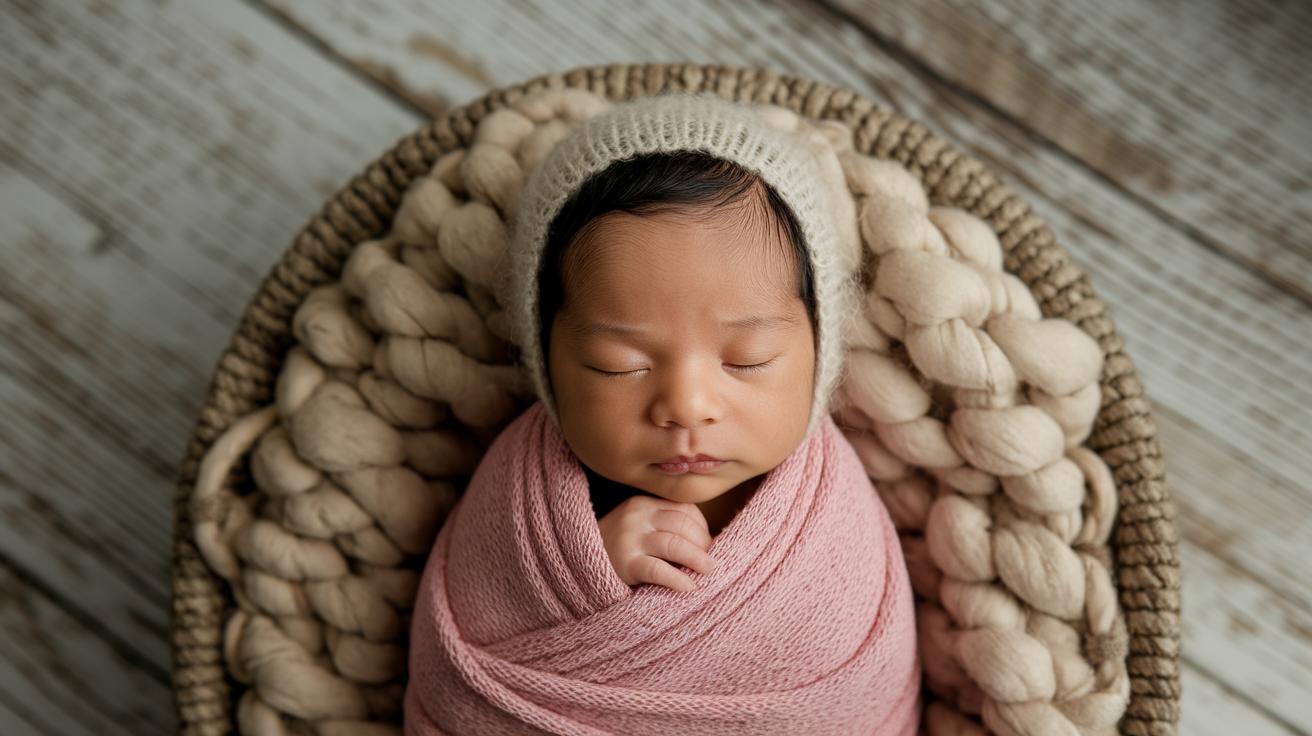
Organic cotton is a gentle friend for your little one. It’s grown without any harmful chemicals or pesticides, making it a safe choice for delicate, newborn skin. Just imagine wrapping your baby in a fabric that feels like a warm hug, soft, naturally hypoallergenic, and kind to sensitive skin. Many parents choose organic cotton to help ward off irritation and keep those tender skin moments worry-free.
Another lovely benefit of organic cotton is how it cares for our environment. It takes up to 91% less water to grow than regular cotton, which means it’s a smart choice for sustainable farming. Without harsh chemicals, every piece of organic fabric remains soft, breathable, and soothing for both newborns and toddlers. In other words, it’s good for your baby and great for the planet.
When it comes to everyday baby wear, organic cotton truly shines. Look for popular choices like organic cotton newborn onesies that offer a snug, cozy fit while letting your baby move freely. Its natural, breathable quality keeps little ones cool during busy days and calm during quiet moments. Parents love how its mild, soothing fibers make every outfit not just safe, but also perfectly comfy for all those joyful, everyday adventures.
Bamboo Fabric Advantages for Organic Baby Wear
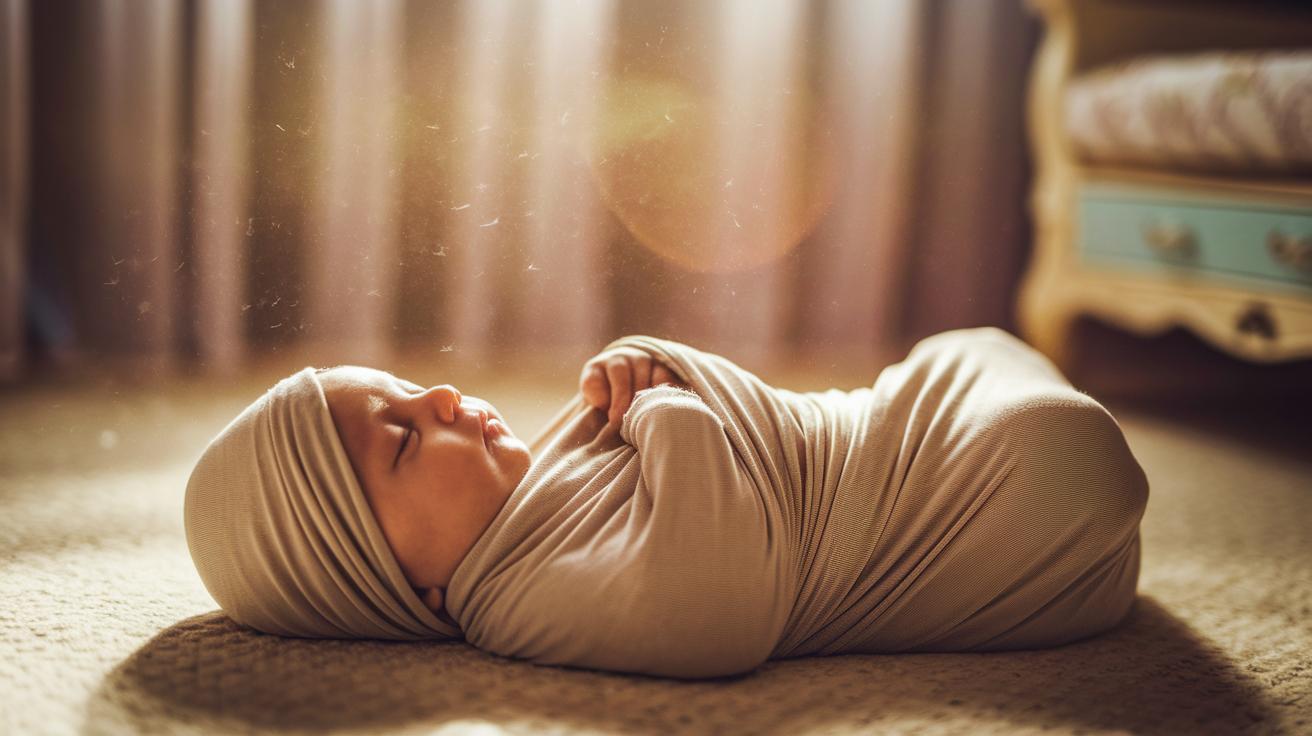
Bamboo fabric is quickly becoming a favorite choice for baby clothing because it feels so soft and gentle on tiny skin. Made from a fast-growing bamboo plant, it wraps your baby in a light, cloud-like coziness that feels just right, almost as if you're giving them a tender, natural hug.
What makes bamboo even more special is its natural way of keeping germs at bay while adjusting to your baby’s needs. This fabric helps fight off bacteria, so you can feel good about your little one staying safer and happier. And whether it’s a hot summer day or a cool evening, bamboo’s smart design keeps your precious one comfortable, like a built-in little air conditioner made just for them.
To keep that gentle softness intact, it’s best to wash bamboo items in cold water on a delicate cycle. This way, the fabric keeps its cozy feel, ready to offer loving care time and time again.
Hemp Fabric Advantages in Organic Baby Clothing
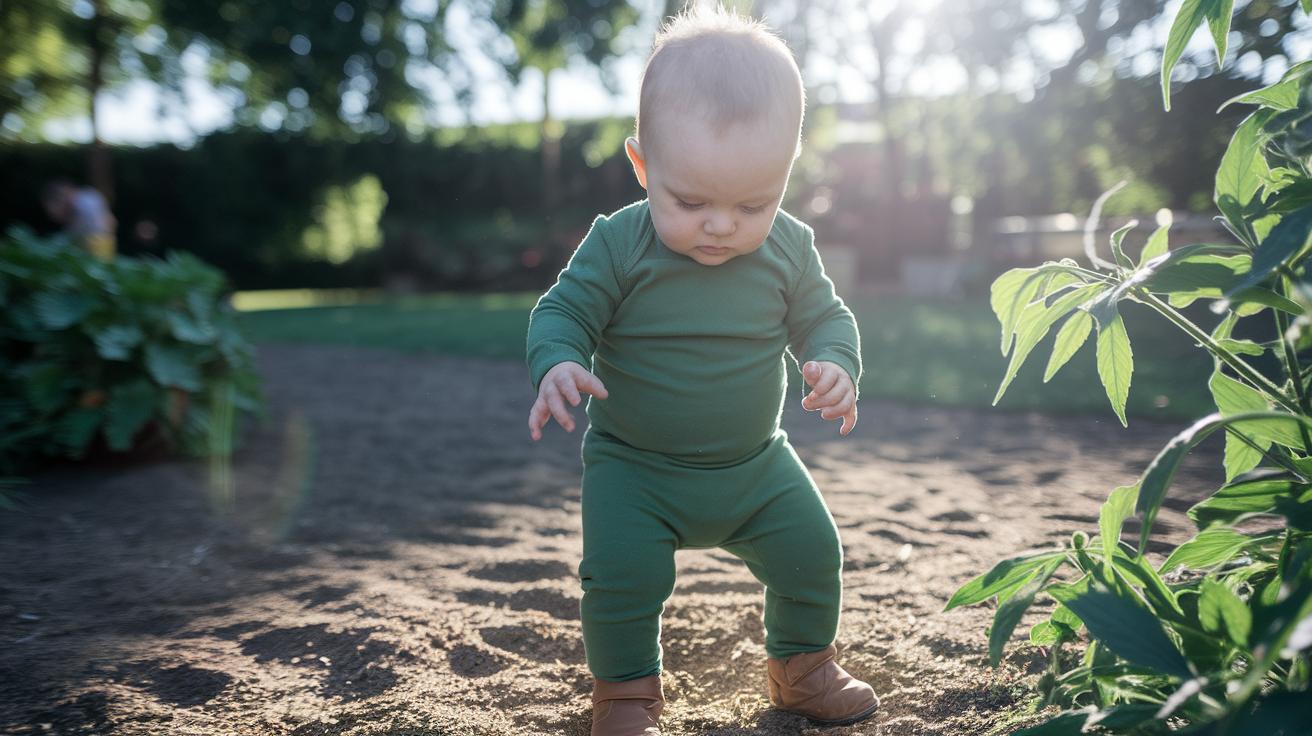
Hemp fiber is nature’s gentle helper. It uses only a little water compared to regular cotton, making it a friend to our precious resources. Grown with care and minimal chemicals, this fabric protects our water and the planet’s delicate balance. Many parents love that it not only cares for baby’s skin but also looks after our environment.
Hemp is built to keep up with busy, curious little ones. It’s strong enough for active play yet soft and cool on the skin, perfect for a day full of adventures. Plus, hemp naturally fights germs, meaning fewer extra chemicals in your baby’s world. Every cuddle and every little giggle reminds you that you’ve chosen a fabric that’s as durable as it is nurturing.
Organic baby clothing fabrics: cotton, bamboo, hemp – Cozy

When you choose clothes for your baby, it’s not just about the softness; it’s also about caring for our planet. Fabrics like organic cotton, bamboo, and hemp are made in a way that uses less water and fewer chemicals than regular ones. They feel gentle on your little one’s skin while keeping our Earth happy.
| Fabric Type | Water Use per kg | Chemical Processing Intensity | Durability Rating |
|---|---|---|---|
| Organic Cotton | ~1,800 L | Low | Moderate |
| Bamboo | ~1,200 L | Medium | Moderate |
| Hemp | ~300 L | Low | High |
Take a closer look at these numbers. Hemp saves the most water and stands up well to a busy, active little one. Organic cotton is another favorite because it uses much less water and stays mild on tender skin. Bamboo sits right in the middle. It grows quickly and strikes a balance, even though its chemical work can slightly lower its eco score. When picking fabrics for your baby, think about how the material feels in your hands and how it helps keep our world a little greener.
Certifications and Safety Standards for Organic Baby Clothing Fabrics
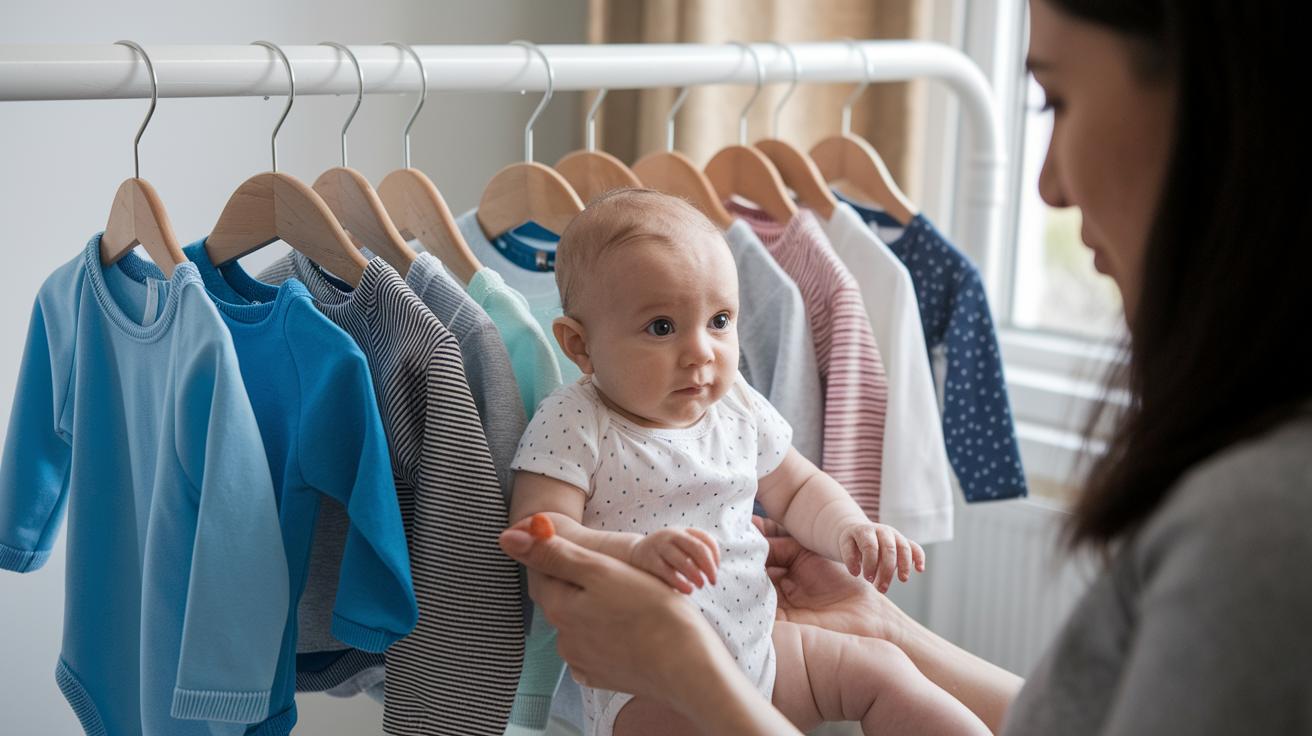
It’s really important to check if baby clothing is truly organic. Certifications like GOTS and OEKO-TEX let you know that a product has met strict safety guidelines. These trusted seals show that no harsh chemicals touched the fabric, while also ensuring that fair practices were followed during production. This means your little one’s skin stays safe and cared for, and you’re helping protect our planet.
Global Organic Textile Standard (GOTS)
The Global Organic Textile Standard (GOTS) covers every step, from the field where the crops grow to the final stitch on the fabric. It guarantees that no toxic chemicals were used and that fair work practices have been respected. When you spot a GOTS label on your baby’s outfit, think of it as a heartfelt promise that extra care and gentle oversight went into every detail.
OEKO-TEX & Other Labels
OEKO-TEX is another mark that brings extra peace of mind. It confirms that the clothing is free from substances that could irritate delicate skin. Other labels, like the EU Ecolabel, work in much the same way, meaning every piece has undergone careful chemical testing. As you shop, keep an eye out for these symbols so you know your baby is wrapped in safe, nurturing fabric.
Always be cautious of products with vague or missing certification details. If the organic claims sound too broad or there’s no clear evidence from a third party, consider it a red flag.
Care and Maintenance of Organic Baby Clothing Fabrics
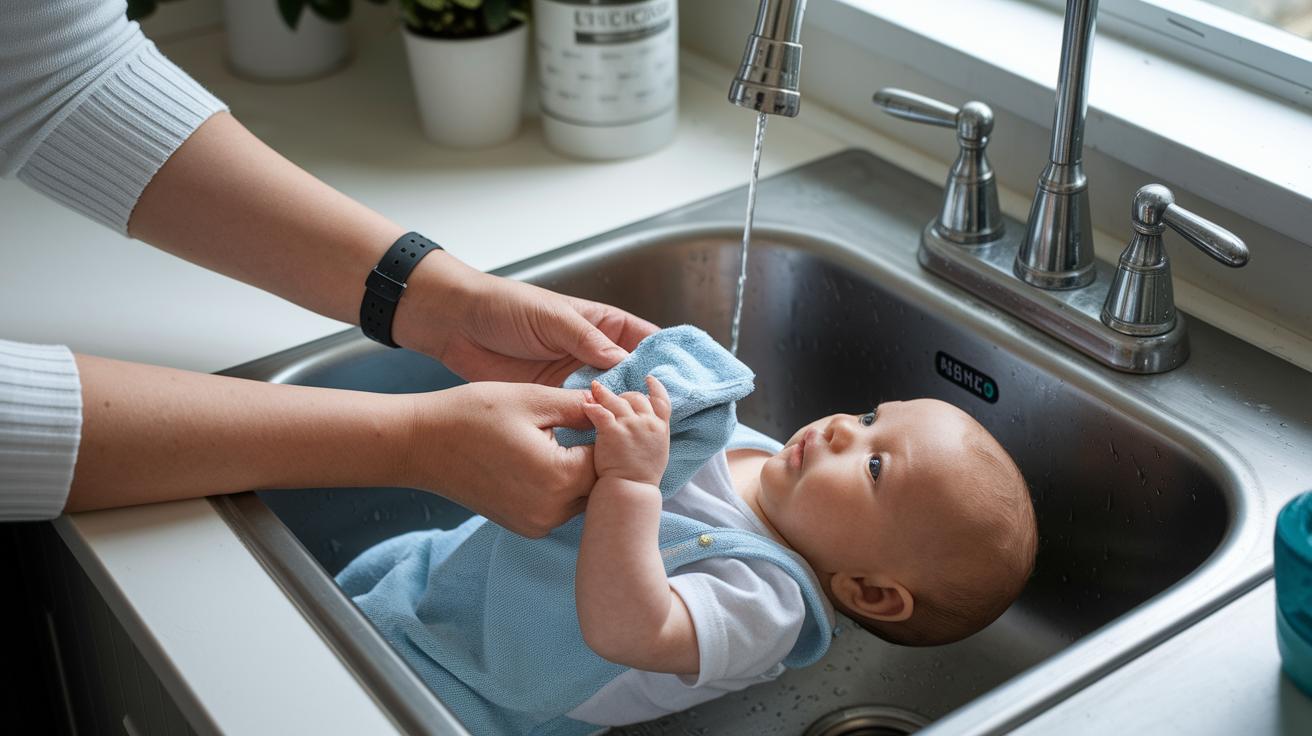
Taking care of your little one's organic clothes feels like a warm hug. Washing them with tender care keeps the fabric soft and safe, perfect for delicate baby skin. For natural materials like organic cotton and bamboo, using cold water on a gentle cycle helps keep them feeling smooth and true to nature. It’s a good idea to pick eco-friendly, fragrance-free detergents and steer clear of harsh chemicals like bleach and fabric softeners.
Here are some simple steps to follow:
| Step | Action |
|---|---|
| 1 | Separate whites and colors |
| 2 | Use a mild, child-friendly detergent |
| 3 | Select a gentle cycle and low spin |
| 4 | Air-dry or tumble on low heat |
| 5 | Fold carefully and store neatly |
Taking these small steps turns laundry day into a little ritual of love. By handling each wash with care, you help the fabric keep its shape and protective qualities, making sure your baby stays wrapped in natural, cozy comfort every day.
How to Choose and Shop for Organic Baby Clothing Fabrics

When you pick out a cute new outfit for your little one, start by checking the label. Look for familiar marks like GOTS or OEKO-TEX that show the fabric was made without any harsh chemicals. It’s like a gentle promise that your baby’s delicate skin will be safe and snug.
Next, think about the design. Choose pieces that are adjustable and work well as your baby grows. Soft, neutral colors and simple styles make it easy to mix and match, so you’re ready for everything from nap time to playtime.
Before you decide, take a moment to ask yourself some simple questions. Is the garment’s source clear and honest? Have other parents shared positive feedback about its quality and durability? Does it offer the flexibility needed as your baby blossoms? Trust your gut, choosing with care means you’re making a loving decision for both your child and the planet.
Final Words
In the action of choosing what’s best for your little one, we explored safe, eco-friendly options that protect delicate skin. We highlighted the gentle touch of organic baby clothing fabrics: cotton, bamboo, hemp along with easy care tips and trusted labels.
Every detail matters, from soft fibers to water-saving methods. Embracing these natural fabrics gives you peace of mind while keeping baby cozy. Enjoy the simple beauty of quality, sustainable baby wear for a healthier tomorrow.
FAQ
Q: What are organic baby clothing fabrics made of cotton, bamboo, and hemp, and where can I find reviews or wholesale info?
A: The phrase refers to baby clothing made from organic cotton, bamboo, and hemp. Reviews highlight their softness and natural benefits, while wholesale options cater to boutique buyers and moms seeking quality for their little ones.
Q: What are some natural fabric options for baby clothing?
A: Natural fabrics include organic cotton, bamboo, hemp, and their blends. Each offers gentle, hypoallergenic properties that work well with a baby’s sensitive skin and help reduce exposure to residues.
Q: What is the healthiest fabric for babies?
A: The healthiest fabric for babies is one that avoids chemicals and feels gentle. Organic cotton is a favorite due to its softness and breathability, while bamboo and hemp also offer natural antibacterial benefits.
Q: Is bamboo or organic cotton better for babies?
A: Bamboo and organic cotton both excel for babies. Bamboo is naturally antibacterial and thermoregulating, while organic cotton is soft, breathable, and uses much less water. Your best choice depends on your baby’s specific needs.
Q: Is hemp fabric safe for babies?
A: Hemp fabric is safe and reliable. It is naturally antibacterial, breathable, and durable, making it a secure option for active babies while using significantly less water during production.