
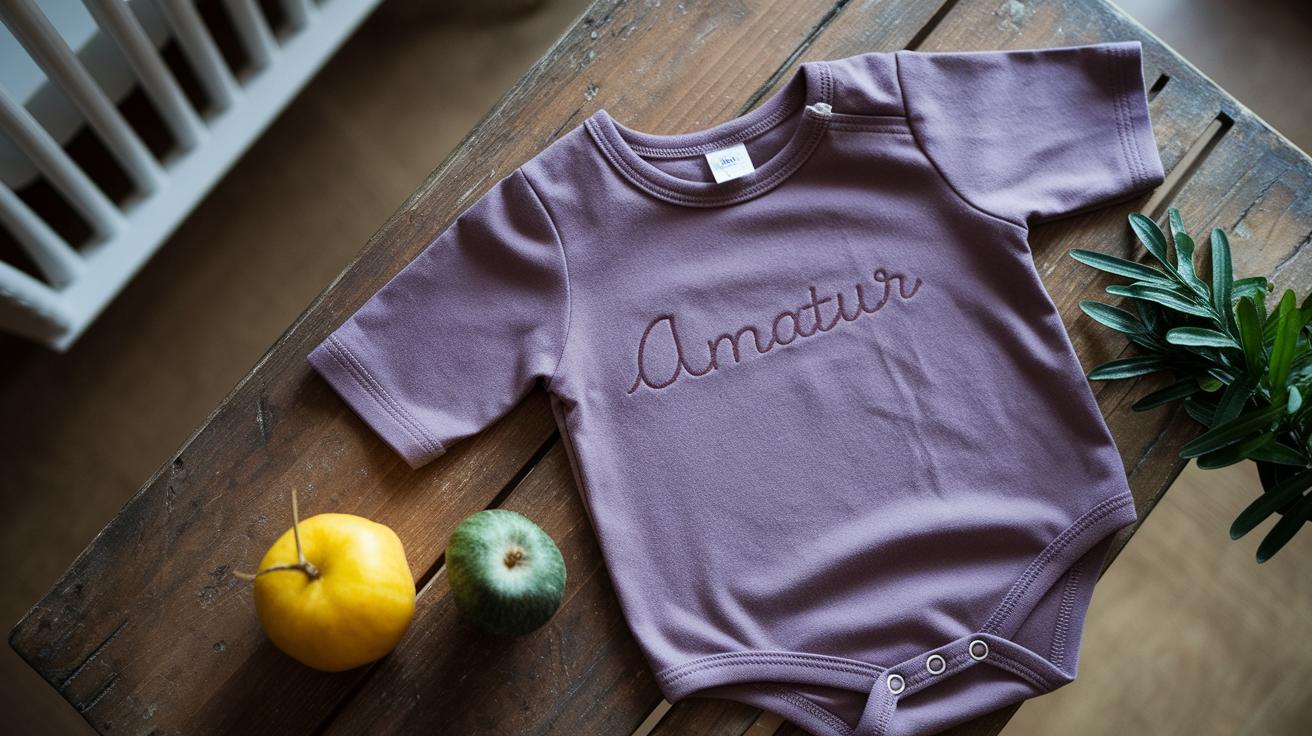
Worried about harsh chemicals on your baby's skin? Natural dyes might be the gentle solution you’re looking for. These dyes use everyday plants to add soft, natural colors to organic fabrics, almost like brewing a warm cup of herbal tea.
This method shields delicate skin and lends a hand to a cleaner planet. In this article, we explore how traditional, plant-based dyeing creates charming, chemical-free clothes that keep your little one safe while connecting them to nature's beautiful palette.
Natural Dyeing Processes in Organic Baby Clothing: Eco Touch
Natural dyes for baby clothes come from everyday ingredients like indigo leaves, madder root, pomegranate rind, and marigold petals. Imagine making a warm, soothing tea; that’s how these colors are gently extracted from nature. Using hot water or alcohol to steep plant parts, followed by careful filtration, helps keep the liquid pure and full of natural beauty.
Next, safe mordants like alum or iron are added to fix the dye onto the fabric. This step is all about locking in those lovely hues without using harsh chemicals. The colors, from soft pastels that comfort a baby’s delicate skin to earth tones that remind you of nature, are completely chemical-free and safe.
This eco dyeing process is kind to not only your little one’s skin but also our planet. The dyes, being biodegradable and renewable, show that style and sustainability can go hand-in-hand.
Before she even learned to smile, a baby wrapped in naturally dyed clothing felt the gentle touch of colors from nature’s own palette. It’s a sweet reminder that beauty can be safe and friendly to our environment.
By using time-honored botanical methods, manufacturers create garments that feel as trustworthy as they are charming. This approach celebrates nature’s gift of vibrant hues while staying true to organic practices, ensuring every outfit cradles a baby in pure, naturally rich color.
Safety and Non-Toxicity of Natural Dyes in Baby Apparel
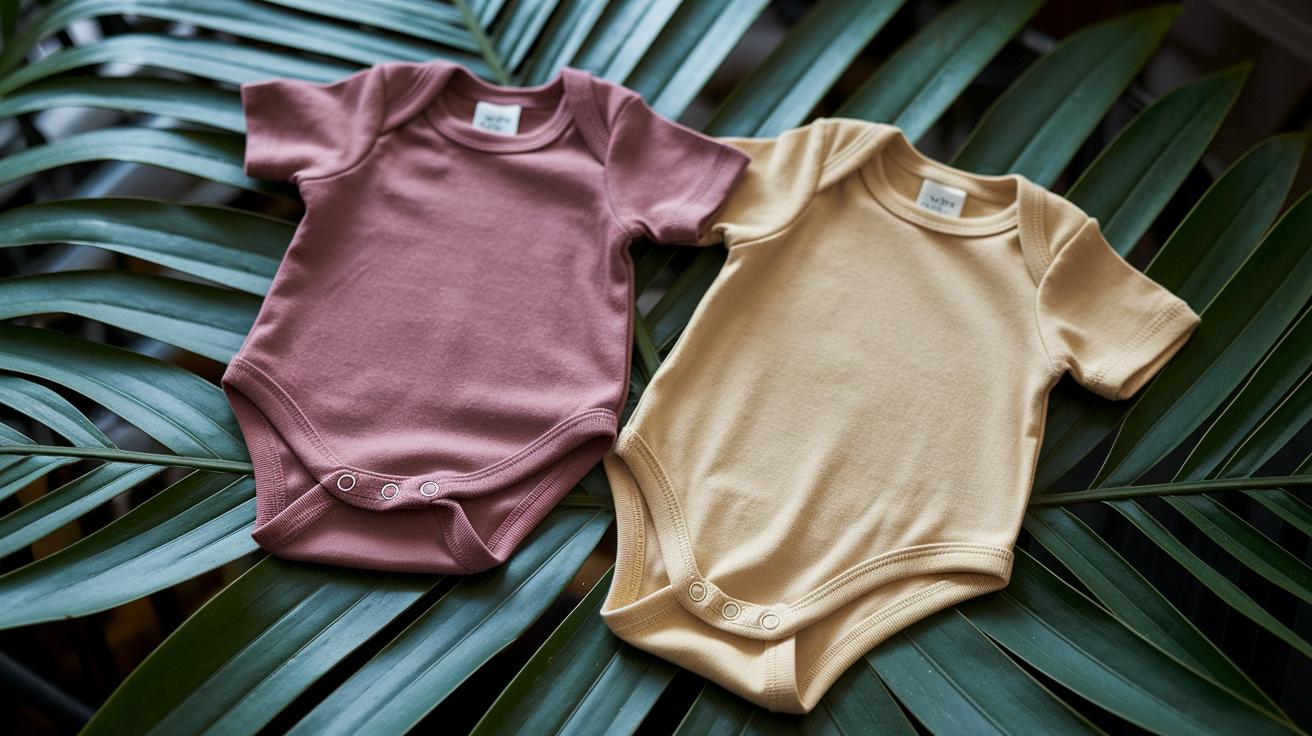
Natural dyes made from plant extracts are a gentle way to color your baby’s clothes without the worries of harsh chemicals. They dodge synthetic additives that can upset sensitive skin or even mimic hormones in delicate ways. When baby outfits are eco-dyed, they’re carefully crafted without mysterious, chemical agents.
Instead, we steer clear of substances like:
- Heavy metals (lead, chromium)
- Formaldehyde
- Azo dyes
- Phthalates
- Aromatic amines
This natural approach means there are very few chemical leftovers, making clothes dyed by nature a safer bet for your little one. It’s comforting to know that these methods help reduce the chance of skin irritation while still offering bright, cheerful colors.
I’d always recommend checking the label for “naturally dyed” and even doing a small patch test on your baby’s skin, just to be sure. Every baby is unique, and a little extra care can go a long way.
When you’re searching for trusted, naturally dyed options, look into certified organic baby clothes that have passed strict safety checks. That way, your baby can enjoy the soft, natural beauty of colors drawn directly from nature, giving you one less thing to worry about.
Sustainable Sourcing and Eco-Friendliness of Plant-Based Pigments
Plant-sourced dyes come straight from renewable botanical resources, easing the pressure on our environment. By using natural ingredients like indigo leaves, turmeric root, and madder, nature itself gifts baby clothing with lively, heartwarming colors. These dyes break down in just a few days when placed in compost, slashing water pollution by up to 80% compared to synthetic options.
The processes used to extract these hues work at low or ambient temperatures, meaning they use far less energy. It’s a bit like mixing a refreshing drink on a warm day without cranking up your appliances. Often, the raw materials are gathered from small farms or responsibly wild-harvested plants, a practice that not only supports sustainable agriculture but also gives a boost to local economies.
By choosing natural dyes, we lessen our reliance on petrochemical colors that can linger in the environment for years. When baby garments are colored with these plant-based pigments, they boast a full spectrum of enchanting shades, from soft pastels to rich, earthy tones, while keeping nature safe. As a parent, you can feel great knowing that every piece of clothing carries a gentle reminder of nature’s goodness and a promise to care for our planet.
Traditional and Artisanal Botanical Dye Methods Revived
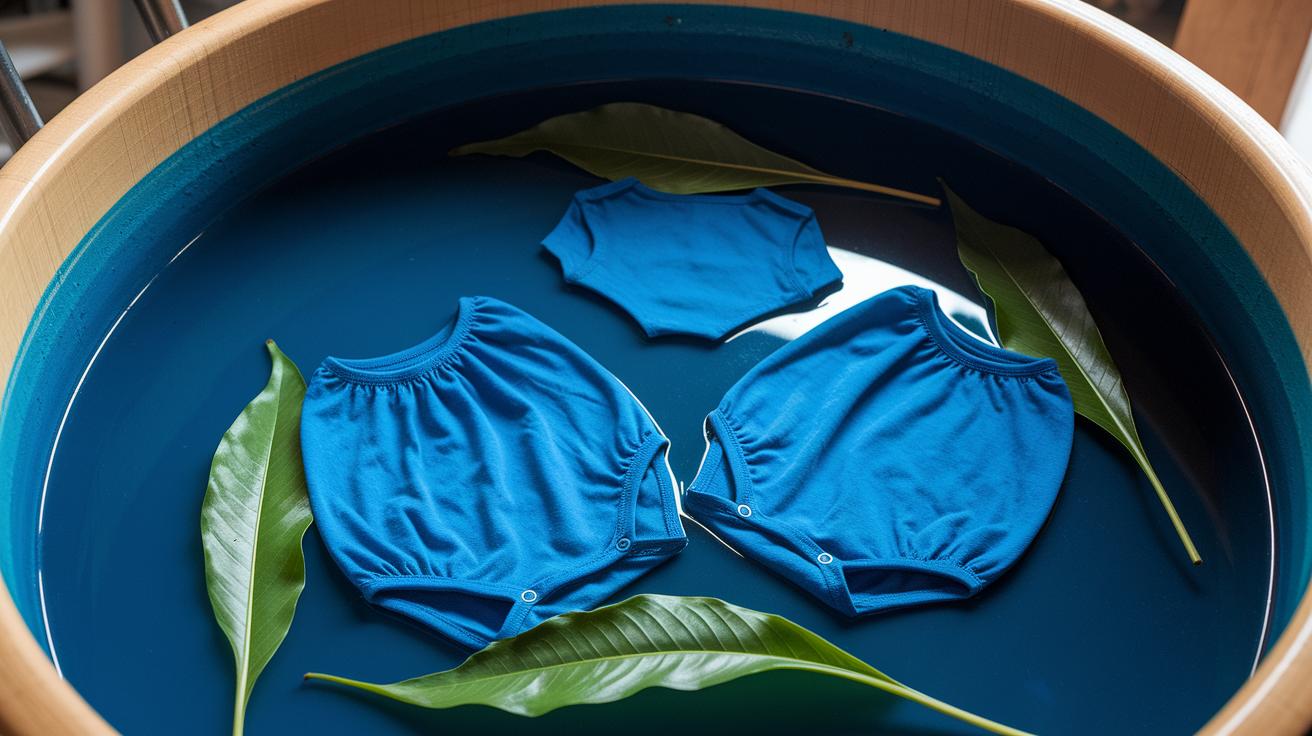
Imagine how history and nature come together in every batch of baby clothes. Indigo dyeing begins by gently fermenting indigo leaves to create a deep, lively blue. Artisans set up natural dye vats that help the leaves turn into a rich liquid dye. This age-old way avoids synthetic chemicals, keeping our little ones safe and showing a deep respect for our planet.
Turmeric dyeing brings a burst of bright yellow into the mix. By mixing turmeric extracts with a safe helper like alum, skilled hands produce colors that stay lovely over time. These cheerful yellows add warmth and joy to baby garments while honoring traditions that have been passed down through generations.
Madder dyeing transforms fabric with rich red tones through careful, repeated soaking in natural extracts. Each soak releases a bit more pigment, creating a consistent, lasting red. With thoughtful timing and care, each batch tells its own story, reflecting age-old methods meant to keep colors genuine and safe.
Each step of these artisanal processes connects modern baby clothing to traditions that celebrate nature, care, and heritage.
Certifications and Standards for Natural-Dyed Organic Baby Clothing
When you're choosing clothes for your little one, it helps to know exactly what goes into each outfit. Certified baby clothing that uses natural dyes gives you peace of mind, knowing that every piece is made with your baby's delicate skin and our planet in mind.
The Global Organic Textile Standard, or GOTS, really sets the bar. It says no synthetic dyes, heavy metals, or formaldehyde can be used. Plus, at least 70% of the fibers must come from organic sources. This means that every color on your baby's outfit remains true to nature while keeping things safe and gentle.
Then there’s OEKO-TEX Standard 100, which goes the extra mile. It checks for more than 100 harmful substances in textiles, so you can trust that the fabrics are free from risky chemicals. On the other hand, USDA Organic looks after the raw materials by focusing on how the plants were grown. Because of this, many brands choose to combine certifications to ensure both the fabric and the dye meet high safety standards.
Next time you're shopping for eco-friendly baby clothes, look for these trusted marks. They're a sign of care, from plant-based dye extraction all the way through to every final stitch. It’s all about making sure your baby wears something that’s both safe and kind to the environment.
| Certification | Coverage | Key Feature |
|---|---|---|
| GOTS | Organic fibers + dye processes | No synthetic dyes/chemicals |
| OEKO-TEX 100 | Textile safety | Tests for 100+ harmful substances |
| USDA Organic | Agricultural inputs | Verifies organic farming only |
Consumer Guide: Choosing Quality Natural-Dyed Organic Baby Garments

When you're picking out naturally colored baby clothes, start by checking for clear labels that explain everything. Look for a note about where the dye comes from and how it was made. This simple step helps you understand exactly what ingredients give the soft, natural hues, so you can feel good about your choice. You might even try a little test at home, dab a damp white cloth on a hidden seam. If any color comes off, it might be time to think twice.
Next, take a moment to feel the fabric. Natural dyes let the true texture of the material shine through. You want a fabric that's soft and gentle against your baby’s delicate skin. Often, small-batch or artisan makers use careful, hands-on methods that keep pollution low. It’s a smart pick when you want a little extra care in how your baby’s clothes are made.
Other helpful tips include:
| Key Point | Details |
|---|---|
| Transparent Supply Chain | Choose brands that trace every step from dye source to finished garment. |
| Third-Party Testing | Look for extra safety checks from independent lab tests. |
| Clear Dye Extraction Info | If the method isn’t clear, don’t hesitate to ask for details. |
Paying attention to these little details makes it easier to pick baby garments that are as caring as they are naturally beautiful. Enjoy the process knowing you're choosing something safe, comfy, and kind to both your baby and the world.
Innovations and Future Trends in Natural Dyeing for Infant Apparel
When it comes to coloring baby clothes naturally, fresh ideas are really shining through. One nifty method uses enzymes to extract colors, cutting water use by half. This means the process stays gentle on our planet while keeping our little ones stylish. And isn’t it wonderful knowing that even after countless washes, the colors stay as bright as your baby’s smile?
Another exciting technique is the use of microencapsulated pigments. These clever pigments lock in the vibrant hues, so every wash feels like a little celebration of color. Plus, there’s a growing trend of using friendly, non-pathogenic bacteria to help create rich, natural shades without any harsh chemicals. It’s a safe, smart way to bring nature’s beauty right into your baby’s wardrobe.
Recent research has been buzzing about new ideas like biodegradable starch fixatives and pH-neutral dye baths. These approaches make sure that the dyeing process is kind not only to fabrics but also to our earth. And with digital printing that uses botanical inks, manufacturers can add colors with amazing precision while reducing waste. Every tiny piece of baby clothing now has a story of modern, green production and thoughtful care.
Each of these advances brings us a step closer to a future where our little ones wear clothes that are as soft and cozy as they are kind to the world. It’s a brave new world of safer, eco-friendly baby apparel that parents can trust and feel great about.
Final Words
In the action of using plant-based pigments, every step, from extraction to certification, brings peace of mind for a baby’s delicate skin. The blog took us through dye extraction methods, artisanal techniques, and safety standards that ensure natural dyes in organic baby clothing remain gentle and eco-friendly.
Each process supports a sustainable, transparent approach that feels reassuring. It’s comforting to know each tiny garment is crafted with care, promising a soft touch and safe, healthy development.
FAQ
Q: How safe are natural dyes in organic baby clothing and what dyes are safe for babies?
A: The natural dyes in organic baby clothing are safe because they come from plant sources like indigo leaves and madder root, using safe fixatives that avoid harsh chemicals known to irritate sensitive skin.
Q: What are some of the best natural dyes used in organic baby clothing?
A: The best natural dyes for organic baby clothing are derived from plants such as pomegranate rind and marigold petals, offering a range of gentle hues while keeping the process chemical-free and eco-friendly.
Q: Which organic baby clothing brands prioritize natural dyes?
A: Many brands committed to organic baby clothing employ transparent labeling and natural dye techniques, ensuring they use plant-based pigments and safe fixatives to provide eco-friendly and child-safe garments.
Q: What is the healthiest material for baby clothes?
A: The healthiest material for baby clothes is often 100% organic cotton, as it’s grown without synthetic chemicals, offering a soft, breathable fabric that’s gentle on delicate skin.
Q: What should be avoided when choosing clothing for newborns?
A: When choosing newborn clothing, avoid items with harmful dyes, harsh chemicals, low-quality synthetic fibers, and unclear manufacturing practices that could irritate a baby’s skin.
Q: Can 100% organic cotton be dyed with natural dyes?
A: Yes, 100% organic cotton can be dyed using natural dyes; plant-based pigments work well on organic cotton to deliver safe, vibrant colors while maintaining the fabric’s natural softness.