

Ever wonder why your little one’s head has that soft spot? It’s not a flaw at all, it’s nature’s way of ensuring safe growth.
Imagine it as a little cushion that lets the skull expand as your baby’s brain blooms. This gentle gap is a sign that your baby is developing just as they should, which can bring you peace during every cuddle and tummy time.
In this article, we’ll share how this amazing feature helps early growth and why its changes are positive signs of healthy development.
What Is the Newborn Head Soft Spot and Why It Matters
The newborn head soft spot, also known as the fontanelle, is a little gap on a baby's skull where the bones have yet to join. It's covered by a tough membrane that keeps it safe while still being flexible. Babies have two main soft spots, a larger one at the top of the head and a smaller one at the back, both of which are a natural part of how a baby’s skull forms.
This soft spot plays a big role in a baby’s early growth. Its mix of flexible tissue and protective covering lets the skull grow as the brain expands. That natural cushioning means parents don’t have to worry too much while handling their little one, as long as they avoid pressing too hard on that area. It’s a sign that a baby’s brain and skull are developing just right, which is why a little extra care during tummy time or cuddles makes a world of difference.
During birth, the soft spot is even more helpful. It makes it easier for a baby to pass through the birth canal and helps the skull adjust as the brain grows in those first few months. Typically, the smaller soft spot closes around 2 to 3 months, while the larger one stays open for about 9 to 24 months before the bones slowly come together over the next couple of years. Regular check-ups with a pediatrician help ensure that these changes happen naturally and safely.
Types of Newborn Head Soft Spots: Anterior and Posterior Fontanelles

At the back of your baby’s head lies a little soft spot known as the posterior fontanelle. It feels like a gentle dip under a firm but flexible cover. Most little ones see this spot naturally close by around 2 to 3 months, and pediatricians check it during visits to ensure everything is growing as it should. Here’s a quick look at its details:
| Location | Size | Closure | Doctor’s Check |
|---|---|---|---|
| Back of the head | Small, with a slight dip | Typically sealed by 2 to 3 months | Monitored for normal development |
Right on the crown of your baby’s head is the anterior fontanelle, a bit larger and open for a longer time, usually from about 9 to 24 months, to make room for fast brain growth. Doctors keep an eye on its size and firmness during routine check-ups because any changes can offer important clues about your baby’s health. Even those rare extra spots, known as accessory fontanelles, follow a similar pattern of care.
| Location | Size | Duration | Additional Note |
|---|---|---|---|
| Crown of the head | Larger than the posterior fontanelle | Open from 9 to 24 months | Rare accessory spots are also checked |
Newborn Head Soft Spot: Signs of Healthy Growth
Your baby's head is busy growing, and it needs some room to do that. The soft spot on the head makes sure the growing brain has space while gently guiding the bones to come together at their own pace. When you see changes in these spots during regular doctor visits, it’s a comforting sign that your little one is developing well.
| Fontanelle Type | Typical Closure Age |
|---|---|
| Posterior | 2–3 months |
| Anterior | 9–24 months |
Many parents see these soft spot evaluations as delightful milestones, just like turning the pages of a favorite bedtime story. Routine pediatric visits help you keep track of these important changes, giving you extra reassurance that your baby's head is growing just the right way.
Safe Care Practices for Handling the Newborn Head Soft Spot

Taking gentle care of your baby's head is so important for their comfort and safety. Everyday routines like bathing, dressing, and playtime can be made extra safe for that precious soft spot with just a few mindful steps.
- When bathing or washing hair, avoid putting any direct pressure on the soft spot.
- Encourage siblings and visitors to be extra gentle when they’re near your baby’s head.
- Always lift your baby by cradling the neck to support the head properly.
- Choose cushioned, soft play surfaces to help reduce any bumps.
- Keep toys that might accidentally hit the soft area, such as hard objects or helmet-like items, out of reach.
Remember, every gentle cuddle, diaper change, or nap not only comforts your little one, but also supports their head and brain development. It’s all about keeping that tender touch and steady support. For more warm advice and helpful hints, check out the tips for first-time parents at first time parent tips.
Recognizing Abnormal Signs in the Newborn Head Soft Spot
When you're caring for your baby, it's important to notice if the soft spot on their head seems different. If it feels much firmer or flatter than usual, it might mean the bones are fusing too early. Keep an eye out for any small ridges along the skull seams, as these might be early warnings of changes. An area that’s hard to feel or oddly shaped could also point to potential concerns. It’s a good idea to talk with your pediatrician about any unexpected changes you observe.
Sometimes, a soft spot that appears sunken can be a gentle hint that your little one might not be getting enough fluids or nutrients. On the other hand, if the soft spot seems puffy or bulging, it may suggest increased pressure inside the head. Recognizing the difference between a sunken and a bulging soft spot is key to knowing when further evaluation is needed.
If you notice that the soft spot is consistently too flat or too puffy, or if its shape starts changing quickly, please get in touch with your healthcare provider right away. These early observations are important signals that can guide proper care for your baby.
Craniosynostosis and Other Conditions Affecting the Soft Spot
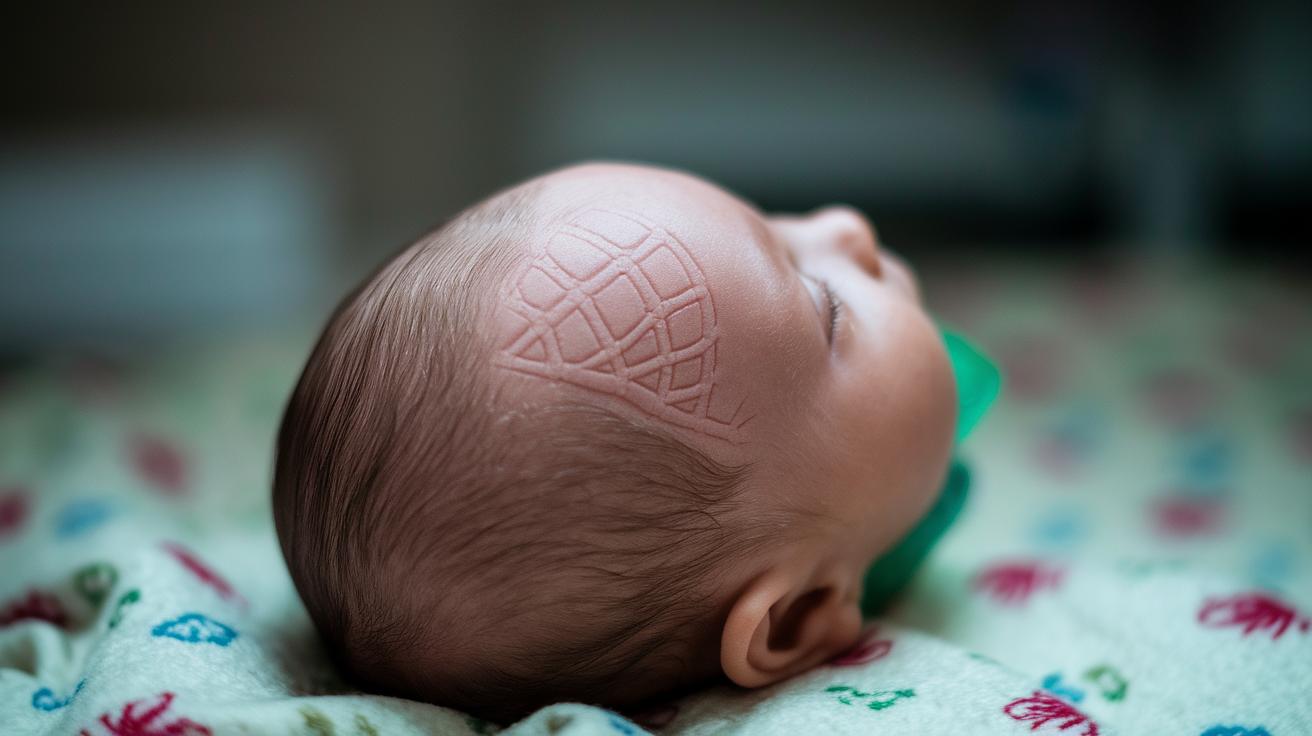
What Is Craniosynostosis?
Craniosynostosis happens when a baby’s skull bones join too soon. This early fusion can change the shape of the head and might squeeze the brain, which sometimes affects a child’s vision or learning. It shows up in about 1 out of every 2,500 births. Normally, that soft spot lets the head grow slowly and safely, so when it closes early, it’s something to keep an eye on.
Causes and Risk Factors
Often we don’t know exactly why a baby’s skull bones fuse early. In about 10–20% of cases, this condition is tied to genetic syndromes like Crouzon or Apert. Babies with these genetic links may also show other signs that need extra care. Many times, though, the condition comes without a clear reason, which means it’s extra important for parents to watch their baby’s head shape and overall growth closely.
Treatment and Outcomes
The usual approach to treating craniosynostosis is a gentle surgery that reshapes the skull to give the brain plenty of room to grow. After surgery, some babies might also use a special cranial molding helmet to help guide the head back to a normal shape. Early check-ups and quick action can make a big difference, so keeping up with regular pediatric visits is key. This way, if anything seems off, help is available right away.
When to Consult a Pediatrician About Your Baby’s Soft Spot
During your baby’s checkup, the doctor gives a gentle look at the soft spot to be sure it stays soft and grows normally. They also keep an eye on head growth to see that everything is on track.
If you notice any of these signs, it might be a good idea to call your doctor:
-
The soft spot looks noticeably bulged even when your baby is resting.
For example, "Even while napping, the soft spot keeps a clear bulge." -
The soft spot seems sunken or lower than the rest of the head.
For example, "When I gently touched it, it felt lower than the surrounding area." -
The baby’s head size is growing too quickly or unevenly compared to what is normal.
For example, "Measurements show a spike in head size that doesn't match the usual pace." -
The area feels firmer than expected when you press lightly.
For example, "The usual soft texture seems replaced by an unexpected firmness."
Monitoring and Tracking Fontanelle Development Over Time

When you gently feel your baby’s soft spot with clean fingertips, you can sense its natural beat, almost like tapping softly on a drum. Use a light, circular motion to notice the gentle rhythm of blood flow. This caring check lets you feel how the soft spot responds while keeping everything safe and calm.
Take a few moments to jot down what you observe, such as the shape and size of the soft spot and how it sits with the surrounding bone. Maybe it feels uniformly tender, or perhaps you notice a tiny change over time. Some parents even create a simple chart or snap a quick photo to compare later. These small notes turn routine home checks into a special way to stay close to your baby’s growth.
Next, bring your observations and any questions to your doctor. Sharing your personal insights can help paint a clearer picture of your baby’s progress and remind you that these gentle checks are a loving part of watching them grow.
Final Words
In the action, we've explored the essential features of the newborn head soft spot. We touched on its role in brain growth, the differences between anterior versus posterior fontanelles, and the normal timeline for closure. We've also covered safe care tips and signs that warrant a pediatric consult. Each part of this guide aims to support comfort, safety, and healthy growth for your baby. Stay encouraged and confident in giving your little one the best start possible.
FAQ
Q: When does the soft spot on a baby’s head close?
A: The soft spot usually closes when the back one fuses at 2–3 months and the front one between 9–24 months, with full skull fusion around age two.
Q: When should I worry about my newborn’s soft spot?
A: Worry arises if the soft spot appears overly sunken, bulging, or changes rapidly. These signs may reflect dehydration or increased pressure, warranting a prompt pediatric check.
Q: Why might my baby’s soft spot not pulsate?
A: The soft spot might seem to lack pulsation when your baby is calm or sleeping. If it’s consistently still or paired with discomfort, it’s wise to consult your doctor.
Q: What happens if my baby accidentally gets hit or pressed on the soft spot?
A: A gentle tap is usually harmless, but forceful impact could cause injury or irritation. Always handle your baby’s head with care and observe for any unusual behavior.
Q: Can a soft spot indicate a health problem or close too soon?
A: An unusually early closure or significant changes in the soft spot might signal early skull fusion or other issues. It’s best to seek medical advice if you notice any concerns.
Q: What is the difference between a normal and sunken fontanelle?
A: A normal fontanelle feels soft and may slightly pulse, whereas a sunken fontanelle could indicate dehydration or malnutrition, making it important to have it evaluated.
Q: How long does it take for a baby’s skull to fully harden?
A: The skull gradually hardens with full ossification typically reached by about two years. Regular pediatric visits help monitor this natural progress.