
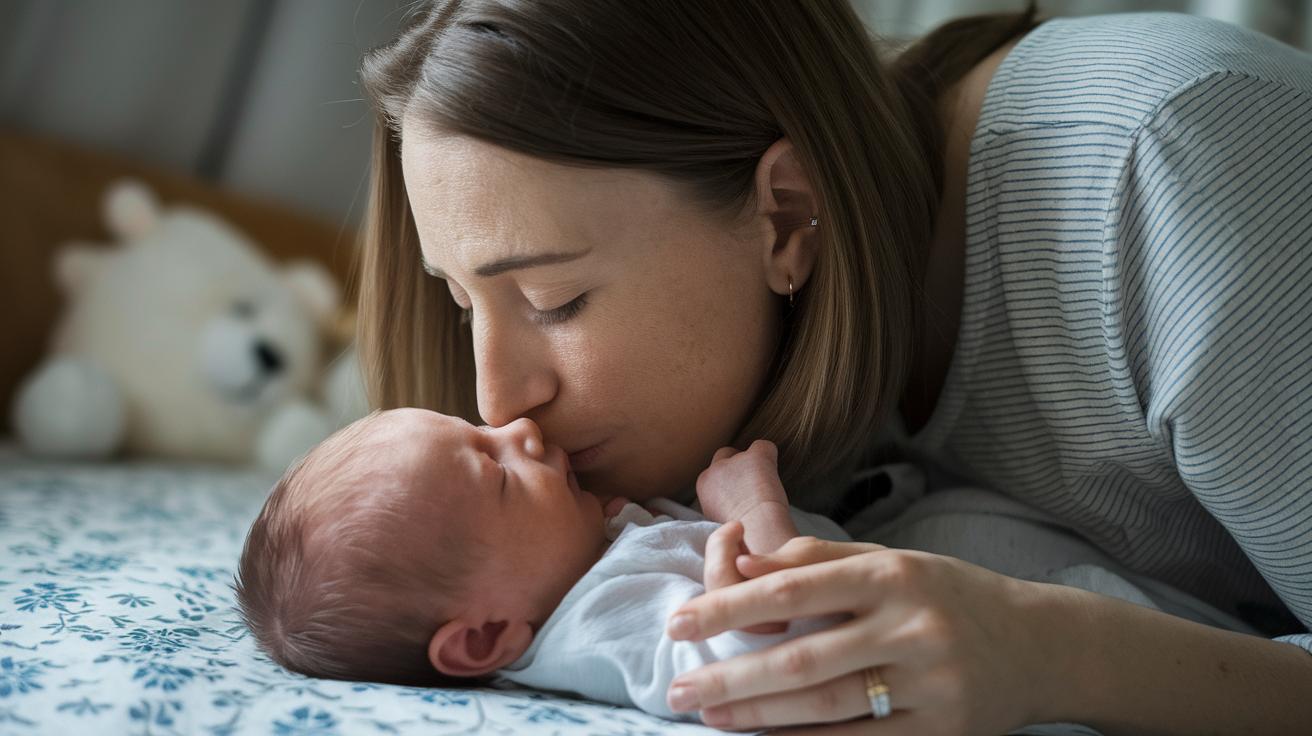
Have you ever wondered if a sweet kiss on your newborn is truly safe? Many caring parents worry that even a gentle peck might carry germs onto delicate skin. It may sound surprising, but while your little one is still growing strong, even a soft kiss can come with its own risks. Experts share friendly tips to help you keep your loving gestures both warm and safe. With a few simple changes, you can protect your baby’s health while still sharing those precious moments of closeness.
Understanding the Safety of Kissing Your Newborn

It’s only natural to want to shower your little one with kisses. Your baby’s immune system is still very delicate, like a precious treasure, so every loving gesture calls for a bit of extra care.
Newborns can pick up common illnesses like RSV and influenza quite easily. There’s also a chance for viruses such as HSV-1 to be passed along during a kiss, which can be dangerous. Even tiny traces from lip balms, skincare, or food can irritate your baby’s tender skin. Many doctors suggest keeping physical affection gentle by choosing facial touches over direct lip-to-skin kisses.
There are lots of simple, loving alternatives to share those warm moments safely. Think of soft cheek kisses, gentle cuddles, a comforting conversation, or those sparkling moments of eye contact that can light up your day. These small adjustments can help keep your baby safe while still nurturing that precious bond.
Here are some gentle reminders:
- Always wash your hands before snuggling up close.
- Skip kissing if you’re showing signs of a cold sore or any active infection.
- Choose sweet, gentle cheek kisses rather than direct lip contact.
- Limit visitors to help reduce the chance of new germs.
- Keep your baby’s items and surroundings clean using baby-safe products.
Health Risks of Kissing a Newborn and Guidelines for Infection Prevention
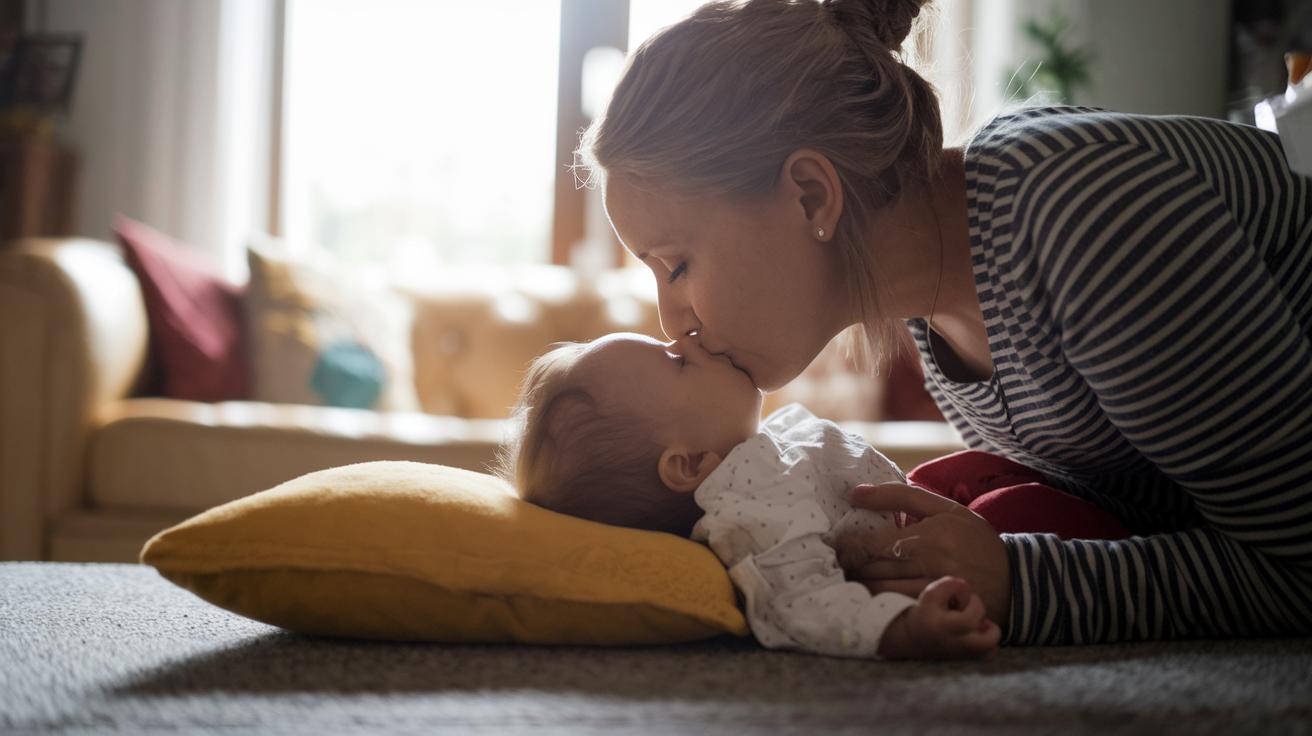
Recent studies tell us that even a soft kiss can share germs if a caregiver is showing even the slightest signs of a cold. Many families found that switching from lip kisses to gentle forehead pecks helped keep their little ones healthier during the peak of cold season. One parent said, "I saw my baby stay healthier once we changed from direct lip kisses to light, loving cheek snuggles." It’s a simple switch that could really lower the risk.
| Pathogen | Transmission Method | Potential Outcome |
|---|---|---|
| HSV-1 | Direct contact with lips on baby’s skin | Serious infections affecting the skin, eyes, mouth, or organs |
| RSV | Germs spread through tiny droplets in close contact | Severe respiratory issues like pneumonia or bronchiolitis that may need a hospital visit |
| Influenza | Close face-to-face exposure | Respiratory illness that can quickly become serious |
Experts now recommend that caregivers stay aware of even a small sign of a cold, like a tickle in the throat. If you're feeling off, it might be best to hold off on kisses until you feel better. Also, cleaning everyday items like your lip balm can help reduce germs. Regular hand-washing and easing back on direct face contact, especially during illness peaks, add an extra layer of care.
Simple steps like gently wiping your baby’s face after a tender kiss can give you that extra peace of mind. It’s all about keeping every sweet moment as safe and heartwarming as possible.
Clinical Guidelines and Expert Advice on Kissing Your Newborn

Pediatricians often suggest waiting until your little one completes their 2-month immunizations before sharing any lip-to-skin kisses. It's a good idea for everyone around your baby to be up-to-date on their flu and Tdap shots. These simple habits, paired with regular hand washing, help create a safe little bubble around your baby while still cherishing those special moments.
Here are three friendly, doctor-approved tips for safe, affectionate contact:
- Wash your hands thoroughly for at least 20 seconds before holding your baby.
- Ensure all caregivers are current with their flu and Tdap vaccinations.
- Opt for gentle kisses on the cheek or forehead instead of a kiss on the lips to keep germs at bay.
How and When to Safely Kiss Your Newborn: Best Practices
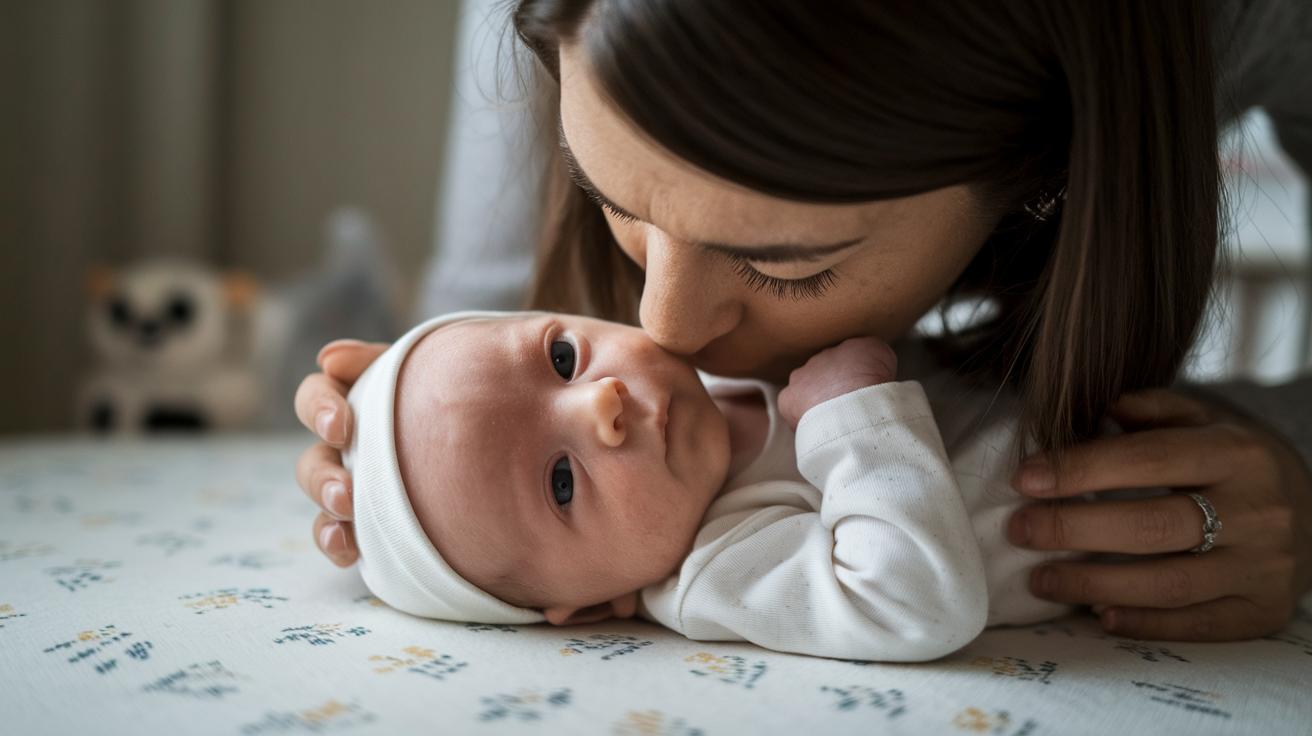
When you want to show your little one some love, choose spots like the top of the head, forehead, or cheek. The lips and hands can carry more germs, so a gentle forehead kiss gives a warm feeling without the extra risk.
Timing matters too. You might start with a soft forehead kiss when your baby is about two weeks old, when they show early strength. A cheek kiss, on the other hand, is best enjoyed when they are around two to four weeks old, matching their natural buildup of defenses.
Before you get too close, take a moment to make sure your baby is healthy. A quick check for a sniffle or a little fever can ease your mind. Keeping clean clothes and a tidy space adds extra comfort and safety for those precious moments.
Alternative Bonding Techniques for New Parents

A sweet kiss on the cheek or forehead, using clean hands, can be a safe, loving way to share gentle moments without direct lip contact. A warm, careful hug, a cozy cuddle, or a soft pat on the arm builds a close, comforting connection. And when you cuddle skin-to-skin, often called kangaroo care, you can feel your baby’s tiny heartbeat while keeping them snug. Imagine it like a shared glow, similar to a gentle fire on a cool day, offering comfort in a safe, loving embrace.
At the same time, your kind words work hand in hand with these tender touches. Singing a soft lullaby, reading a beloved story, or speaking in a gentle, soothing tone can calm your little one and boost early brain growth. A loving smile and deep eye contact remind them every day that they’re safe and cherished. It’s like sharing little whispers that say, “I’m here with you.”
Final Words
In the action, we explored safe ways to share loving moments with your baby. We delved into health concerns like common viruses and the importance of gentle alternatives for bonding. The safety guidelines remind us to keep baby happy and healthy, from proper timing to hygiene. For parents wondering, can parents kiss their newborn without worry, consider gentle cheek kisses and soft cuddles instead of a direct lip-to-skin smooch. Embrace these tips and keep those heartfelt moments both warm and safe.
FAQ
Can I kiss my newborn on the head or cheek?
Kissing your newborn on the head or cheek means showing gentle affection. It is acceptable if you practice proper hygiene, use a clean smile, and avoid transferring cosmetics or food residues that might irritate sensitive skin.
Can parents kiss their newborn on the lips?
Kissing a newborn on the lips is considered risky. Pediatric advice suggests avoiding mouth-to-mouth contact until after key immunizations, as a newborn’s immune system is still fragile and can be affected by common viruses.
When is it safe for grandparents and extended family to kiss the baby?
Grandparents and extended family should wait until the baby’s immune system strengthens, often after initial immunizations and when the baby shows no signs of illness. This helps reduce exposure to harmful germs and infections.
How can I tell family members, like grandma, not to kiss my baby?
Explaining that close facial contact might risk transmitting illnesses shows you care. Politely suggest alternative gestures like cuddles or forehead kisses to share affection while keeping your baby safe.
How long should family members wait before kissing a newborn?
The timing for kissing a newborn varies but is generally best delayed for a few weeks until the baby has had essential immunizations. This careful approach helps protect your little one from common infections and germs.