

Have you ever wondered if one baby seat could combine clever design with solid safety? When you choose a seat that soothes your little one while keeping them secure, every drive becomes a moment of trust and comfort. Imagine a seat that gently supports your baby as they grow and explore the world. In this post, we share expert-tested baby seats that bring you peace of mind and a touch of style on every trip.
Choosing the Best Baby Seat for Safety and Comfort
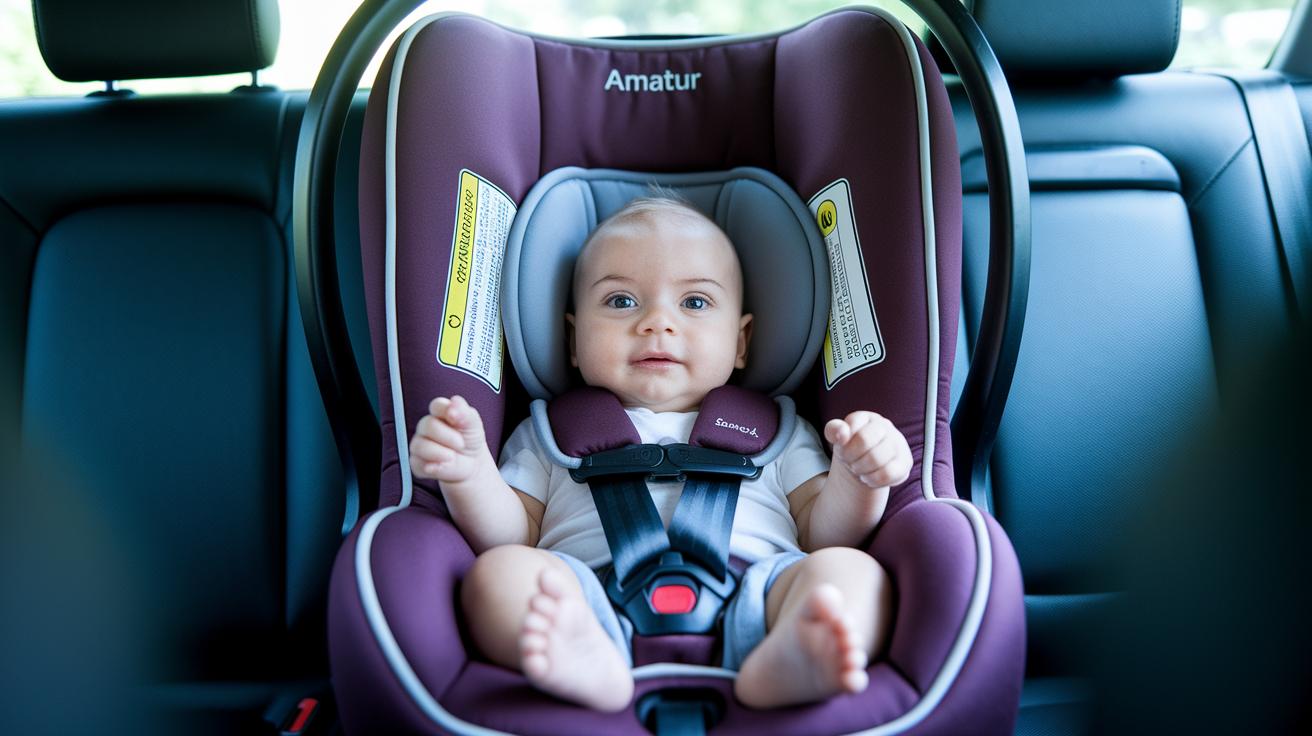
When picking a baby seat, safety is the most important thing. Experts have spent years testing over 200 models in more than 6,000 crash tests. These tests cover seats for tiny infants as well as convertible ones that grow with your child. Choosing a seat with a strong safety rating means you can trust that it meets strict safety standards.
Another key point is how the seat fits in your car. Many busy parents prefer lightweight seats that are easy to move from one car to another. Look for options that pass tough crash tests and also feature designs that work well as your child grows, from a snug rear-facing seat for little ones to a comfortable forward-facing seat later. This smart, multi-stage design turns a baby seat into a long-term investment in your child’s safety.
Installation should be simple too. A seat that adjusts easily and locks into place can make your day a lot smoother. When comparing different models, pay attention to clear weight and age guidelines along with features that keep your baby cozy and secure. This careful look at details will help you choose the perfect seat for your little one.
Top Infant Baby Seats with Superior Crash Test Ratings

These infant seats bring comfort and care into every car ride. They feature a secure, rear-facing design and a harness that grows along with your little one. Each model has been carefully tested by certified safety experts across several vehicles to ensure your baby is safe every time. It’s a relief to know they meet strict FMVSS 213 and ASTM F2050 standards, giving you confidence on every journey.
With busy days in mind, these seats also come with an integrated base that makes installation a breeze, while offering top-notch restraint features. For example, the Nuna Pipa RX wraps your baby in a gentle yet secure embrace, thanks to its thoughtful design. The Britax Willow S, at $224, provides smooth operation and smart functionality. Then there’s the Evenflo Shyft DualRide, priced at $476, which adapts easily to different travel needs. And the Graco Extend2Fit 3 in 1, costing $279, delivers reliable performance through many stages of your child's growth.
A fun fact to consider: a slight adjustment in the harness system can reduce seat movement by up to 50%. It’s amazing how a small tweak can make such a big difference in safety!
| Model Name | Weight Limit | Crash-Test Rating | Price |
|---|---|---|---|
| Nuna Pipa RX | 4–30 lbs | FMVSS 213 / ASTM F2050 | $300 (est.) |
| Britax Willow S | 4–30 lbs | FMVSS 213 / ASTM F2050 | $224 |
| Evenflo Shyft DualRide | 4–35 lbs | FMVSS 213 / ASTM F2050 | $476 |
| Graco Extend2Fit 3 in 1 | 4–35 lbs | FMVSS 213 / ASTM F2050 | $279 |
Advantages of Convertible Baby Seats and Multi-Stage Options
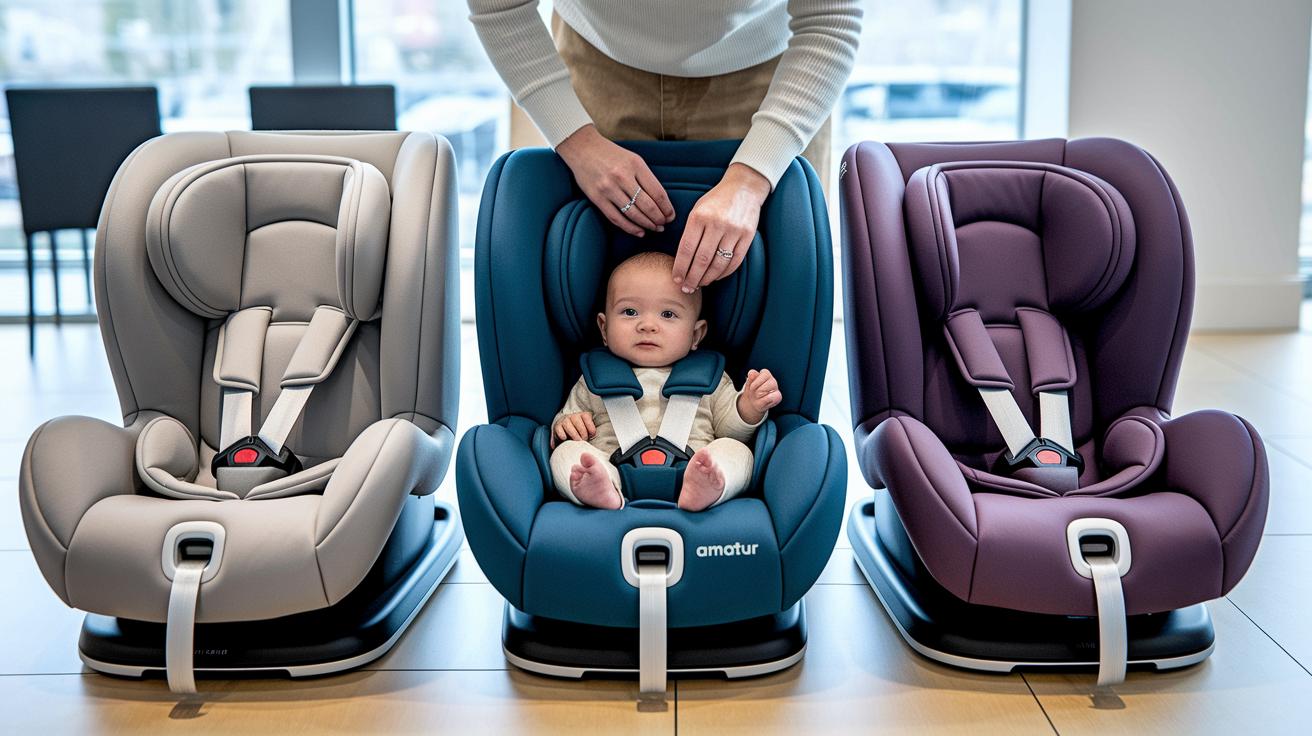
Convertible baby seats are a parent's best friend, crafted to keep your little one comfy from their first smiles to those bustling toddler days. Models like the Graco 4Ever DLX, Graco SlimFit3 LX, Chicco Fit 360, and Peg Perego Viaggio Flex are designed for children weighing anywhere from 5 to 65 lbs. These seats adapt as your child grows, so you won’t need to juggle multiple car seats along the way.
Plus, the adjustable harness and forward-facing design work hand in hand to keep your child secure at every stage of development. With up to 10 recline positions and an adjustable headrest, each seat cradles your baby in a cozy embrace that lasts through many years. It’s like having one seat that changes right along with your child, offering comfort with every new milestone.
With their sturdy weight limits and smart, flexible designs, convertible seats are a thoughtful investment for busy parents. Not only do they secure your child gracefully from infancy to toddlerhood, but they also add a touch of style to every car ride. Choosing a convertible system shows you value lifelong comfort and safety, turning every journey into a warm, secure adventure.
In truth, these multi-stage options effortlessly blend style with practicality as they grow alongside your little one, ensuring reliable comfort every step of the way.
Step-by-Step Baby Seat Installation for Secure Fit

-
Base positioning – Begin by placing the seat’s base flat on a secure surface in your car. Make sure it sits snugly and can’t move around.
-
Belt routing – Follow your car’s instructions to thread the seatbelt correctly. It should pass through each marked pathway, with no twists or extra slack.
-
Harness tightening – Adjust the harness so that when you pull firmly, there’s only a little bit of movement, no more than one inch. This little step really helps in making sure it performs well in tests.
-
Angle checks – Look at the seat’s built-in angle markers to confirm it’s reclined just right. Getting the angle right makes your baby’s head and neck feel comfortable and secure.
-
Tether use – If your seat has a tether option, attach it carefully to limit how much it moves backward. This extra step adds another layer of safety.
-
Final inspection – Do a careful check of every attachment and adjustment. Make sure everything is tight and the seat is locked in place.
For more tips and advice, check out these friendly first-time parent tips at https://bsnuggs.com?p=568.
Maintaining Your Baby Seat: Cleaning and Lifespan Guidelines

Keeping your baby seat in tip-top shape is easier than you might think. You should replace the seat after any crash or once it hits 6 to 10 years old. Regular cleaning helps a lot. Just wipe it down with some mild soap and water to clear away spills and dirt. Avoid harsh chemicals that might hurt the seat’s tough material. This little effort protects both its look and its safety for your little one.
It’s also good to give the foam padding a quick look every few months. Check for any signs of wear or loose stitching that might affect how safe the seat is. A little inspection helps catch any issues early, keeping the seat both safe and stylish for your baby. Think of it as a simple routine that makes a big difference in keeping your child secure on every ride.
Frequently Asked Questions About Baby Seats
-
When should I switch from rear-facing to forward-facing?
Most experts say to keep your child rear-facing until they hit the recommended weight limit. This usually means staying in the rear seat until around 2 years old or whenever the seat instructions say it's time. I know it can feel a bit nerve-wracking to wait, but following these guidelines really helps keep your little one safe. -
How do I know if the harness fits correctly?
Make sure the harness sits right at or above your child's shoulders when they’re in a forward-facing seat. Give the straps a gentle tug; if the harness holds firm without any slack, you're doing great. It’s a simple check that gives you peace of mind. -
When should I replace my baby seat?
Manufacturers generally recommend replacing a baby seat once it's between 6 and 10 years old, or if it's ever been involved in a crash. This ensures your child always has the best possible protection, keeping things as safe as can be. -
What if I need to install the seat in multiple vehicles?
Every time you move the seat between cars, take a moment to double-check the installation. Look over the belt, the recline, and make sure nothing has shifted. A quick re-check every time prevents any accidental looseness or misalignment, keeping your ride secure. -
How can I best store or transport the seat?
When you're not using the seat or moving it around, store it in a cool, dry spot. If you’re traveling with it, consider using a protective cover to guard against bumps and dust. This little care routine helps keep the seat in top shape for everyday use.
Final Words
In the action, we discussed key points like safety ratings, crash test results, and practical tips for choosing and installing a baby seat. We broke down the benefits of convertible designs and shared easy cleaning and maintenance advice to keep your little one safe.
Every detail matters when it comes to worry-free travel. We hope you feel confident in picking a baby seat that supports your baby's comfort and safety, leaving you with more moments to cherish the little smiles and gentle coos.
FAQ
Frequently Asked Questions
When should you start using a baby seat?
Starting a baby seat as soon as your infant is born is most effective. Rear-facing seats offer the best support and protection during every car ride.
Can you seat a 3 month old baby?
Seating a 3-month-old baby in a rear-facing car seat is the safest approach. It cradles your little one gently while ensuring secure travel support.
What are baby seats called?
Baby seats are often known as infant car seats, convertible seats, or booster seats. Each term describes a seat designed to keep your child safe as they grow.
What age can a baby be in a newborn car seat?
A newborn car seat is designed for infants from birth until they reach around 22-35 pounds, ensuring a snug fit and secure protection for your baby.