

Have you ever wondered if your little one might be ready for a gentle sleep training journey at just four months? Many parents have shocked themselves by seeing their babies start to settle on their own before they even expected it.
Picture a calm evening when your baby drifts off without the need for constant rocking. It’s that peaceful moment where both of you can enjoy a quiet, uninterrupted night’s rest.
In just a few nights, this tender approach can help create a soothing sleep routine. This guide offers caring tips to help your baby follow their natural sleep rhythm while you both enjoy more restful nights.
Proven sleep training techniques for 4-month-olds: Quick Start Guide

At 4 months, many little ones can go up to six hours between feeds. This makes it a great time for parents to begin teaching self-soothing. Imagine a calm evening when your baby learns to settle in his crib without needing constant rocking or feeding. In just 3 to 7 nights, you might notice a gentle change that leads to peaceful, uninterrupted sleep.
Some parents worry that sleep training means letting their baby cry without comfort. But really, it’s about helping your baby sync with his natural sleep rhythm while learning to settle quietly on his own. With short, loving check-ins, your baby gradually learns that he can fall asleep without being held close all night. This method is safe and caring, easing your little one into better sleep habits without overwhelming him.
Over time, a more independent sleep routine means fewer wake-ups during the night and steadier sleep patterns. Think of it as adding a handy tool to your parenting kit that nurtures your baby’s comfort and boosts your peace of mind. Soon, you may find that a good night's sleep makes everyone a little happier and more energetic throughout the day.
Understanding infant sleep cycles and developmental readiness at 4 months

At 4 months, your baby starts to settle into a gentle sleep rhythm. Their sleep now comes in cycles that typically last between 20 and 50 minutes. You might notice those quiet moments when their eyes soften and they drift off, little hints that their body is learning to rest in a more organized way.
Sleep overall is just as important. Most babies around this age need about 12 to 16 hours of sleep every day. That includes a few daytime naps, usually totaling 3 to 5 hours split over two or three sessions. This blend of daytime naps and nighttime sleep helps create a soothing routine that leads to longer, peaceful nights.
Keep an eye on little signals too. Regular nap times, a gentle yawn, or even a bit of eye rubbing can be signs that your baby is ready for sleep training. Just remember to steer clear of training when your little one is sick or when the house is a bit too busy, so you can ensure a smooth, nurturing start to bedtime.
Sleep Training Techniques for 4 Month Old: Bliss
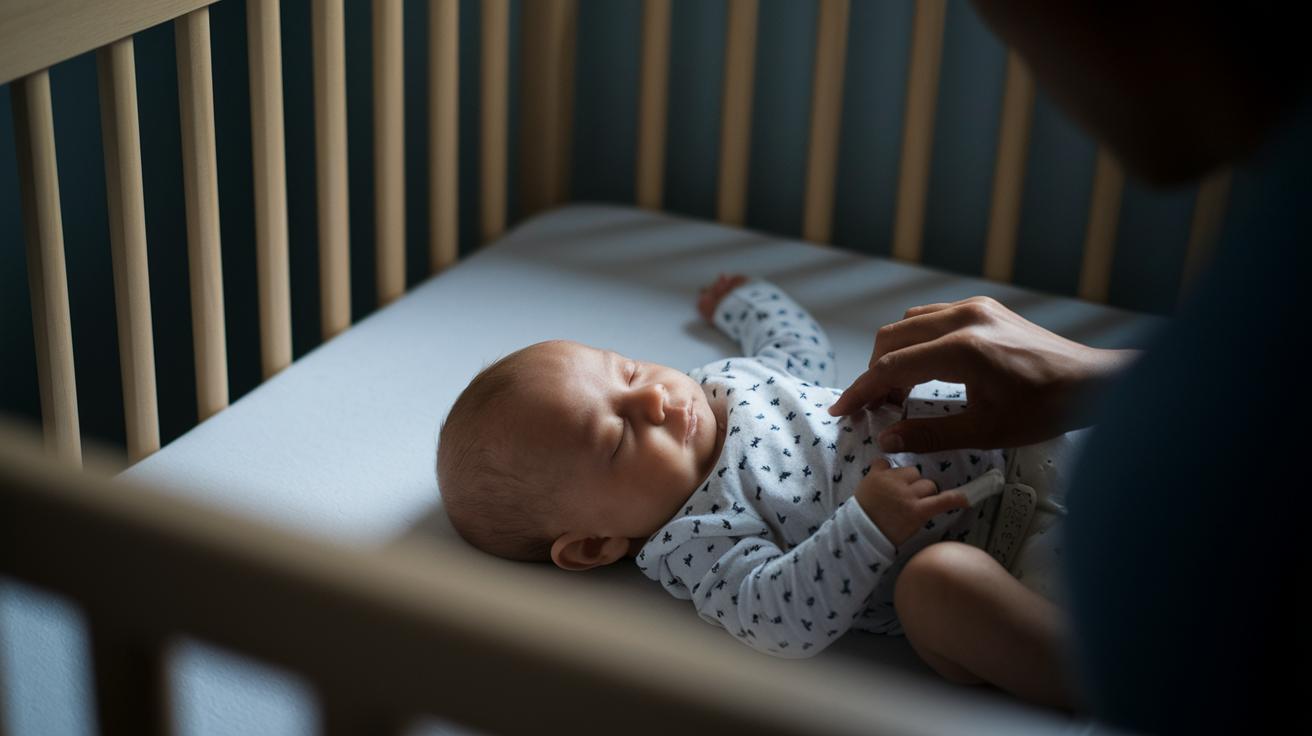
At four months, you might notice your baby starting to show signs of sleeping more independently. This is the perfect time to gently introduce sleep training. By using simple, consistent methods, you help create a peaceful space that nurtures healthy sleep habits. Every baby is different, so it's important to find the approach that feels right for your family.
Ferber Method
With the Ferber Method, you place your baby securely in the crib and check on them at set intervals. Start by waiting about three minutes before your first visit, then slowly extend those check-ins to 10 or 15 minutes with short, loving reassurances. This helps your little one learn to settle down on their own while still feeling safe knowing you’re close by.
Pick-Up/Put-Down
This method is all about comfort. When you see your baby getting fussy, gently lift them and hold them until they calm down, then carefully place them back in their crib. Repeat this process until they drift off to sleep. It’s a warm, hands-on way to help your child learn to soothe themselves while still feeling your loving presence.
Fading Method
The Fading Method works by slowly reducing the extra soothing actions like rocking or singing at bedtime. Each night, trim down these actions bit by bit. In time, your baby will start to connect sleep with settling in the crib, not just with your constant comfort.
Cry-It-Out
The Cry-It-Out method involves a consistent bedtime routine and then letting your baby try to settle on their own, even if they cry for a little while. This method is more about encouraging self-reliance, though it might feel a bit tough and may not be right for every family.
Respectful Training
Respectful Training is focused on tuning in to your baby's cues and responding with lots of love. It’s all about balancing care and independence so that your baby knows they’re safe, while also learning to settle in their own time. If you’re exploring different parenting styles, this approach might resonate with you as it emphasizes warmth and clear communication.
Choosing the best method is all about understanding your baby’s personality and what feels comforting for you both. Remember, you’re creating a nurturing sleep space that honors your child’s unique needs every step of the way.
Crafting a consistent sleep and nap routine for your 4-month-old
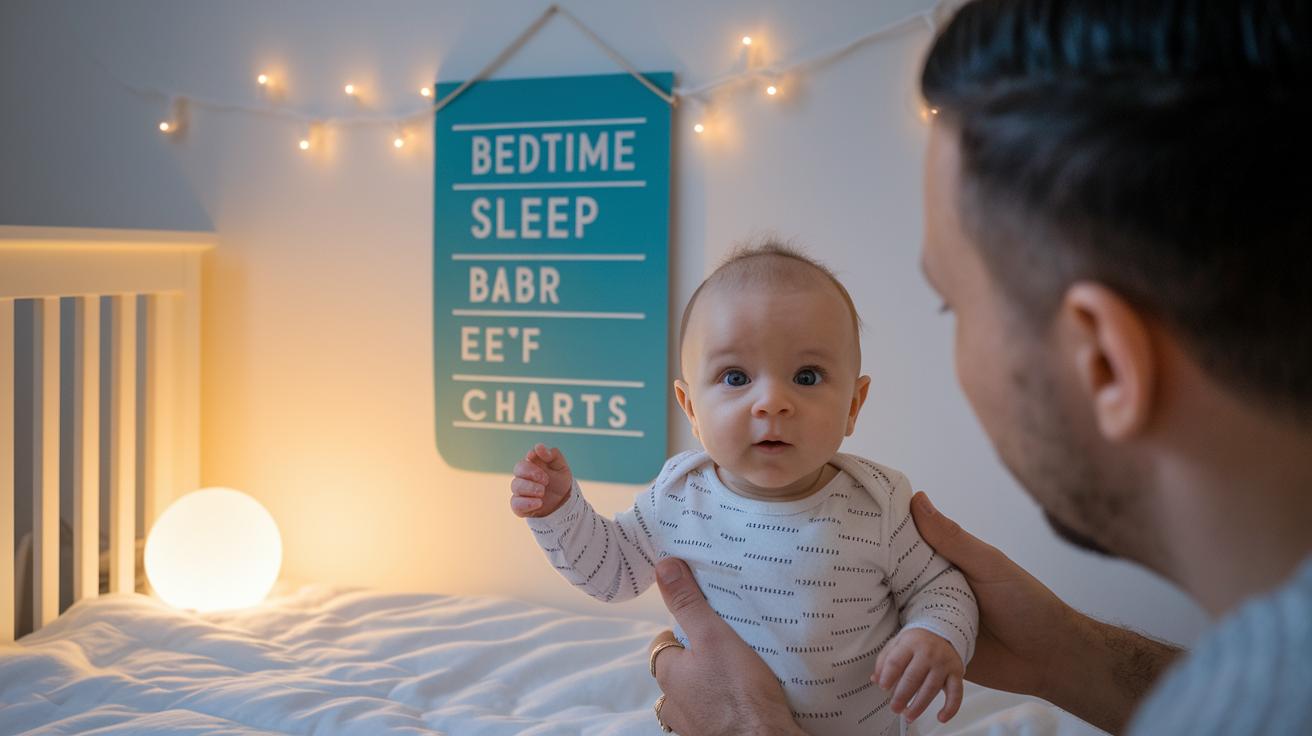
Imagine bedtime as a gentle, peaceful moment for both you and your little one. At four months, your baby starts enjoying longer sleep stretches, so having a routine really helps. Try to set a bedtime between 7 and 9 p.m. and plan for two or three naps during the day that add up to 3 to 5 hours. This simple schedule gives your baby clear signals that it’s time to rest, making it easier to move from nap to nap and sleep more soundly at night for 6 to 8 hours.
A visual sleep chart can be a friendly helper in this process. It lets you mark wake times, nap windows, and any little changes along the way. With a chart, it’s clear what’s working and what might need a quick tweak. For example, you might use a sample daily chart to keep track of when naps start and end, helping you stick to a smooth routine that benefits both your baby and your busy day.
| Time | Activity | Duration |
|---|---|---|
| 9:00 a.m. | Nap 1 | 60–90 min |
| 1:00 p.m. | Nap 2 | 60–90 min |
| 4:00 p.m. | Nap 3 | 30–45 min |
| 8:00 p.m. | Bedtime (overnight) | 6–8 hours |
Safety precautions and conducive environment for 4-month sleep training
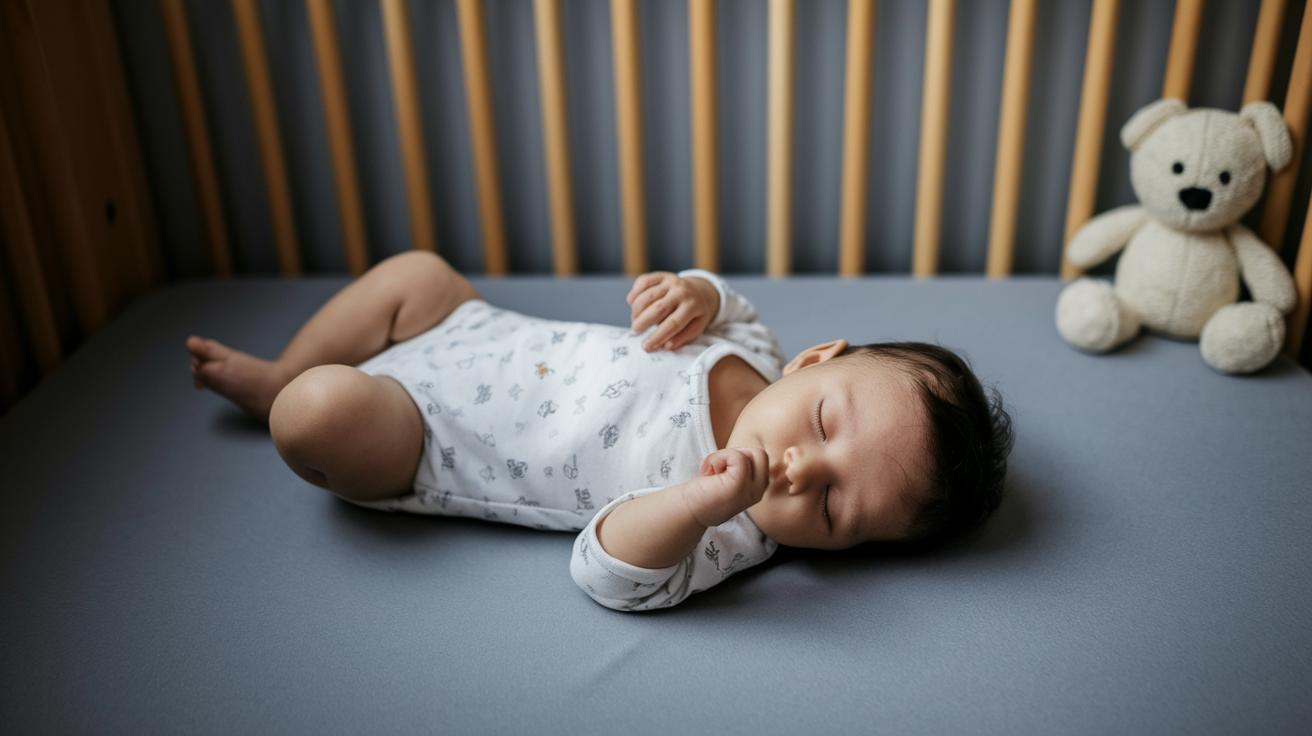
When it comes to safe sleep, think of it as giving your baby a cozy little fortress. Follow the guidelines from top experts: lay your baby on their back and tuck them in on a firm mattress without loose blankets, pillows, or stuffed animals. A properly set-up crib, built just right for your little one, can help ease your worries while your baby learns to sleep on their own.
Keep the room calming, dim lights, a cool temperature (around 68-72°F), and a quiet vibe all work together to create the perfect sleep space. A gentle white noise machine set below 50 dB can help buffer any disruptive sounds. This soothing environment not only helps your baby settle quickly but also sets up a lovely, steady sleep routine.
Before bedtime, try gentle pre-sleep rituals that signal it’s time to wind down. Softly dim the lights and speak in a calm, loving tone while wrapping your baby in a cozy swaddle or sleep sack. And if your baby isn’t feeling well or if there are big changes at home, it might be best to wait on starting sleep training. This way, you’re always putting your baby’s comfort and well-being first.
Troubleshooting sleep training challenges for your 4-month-old
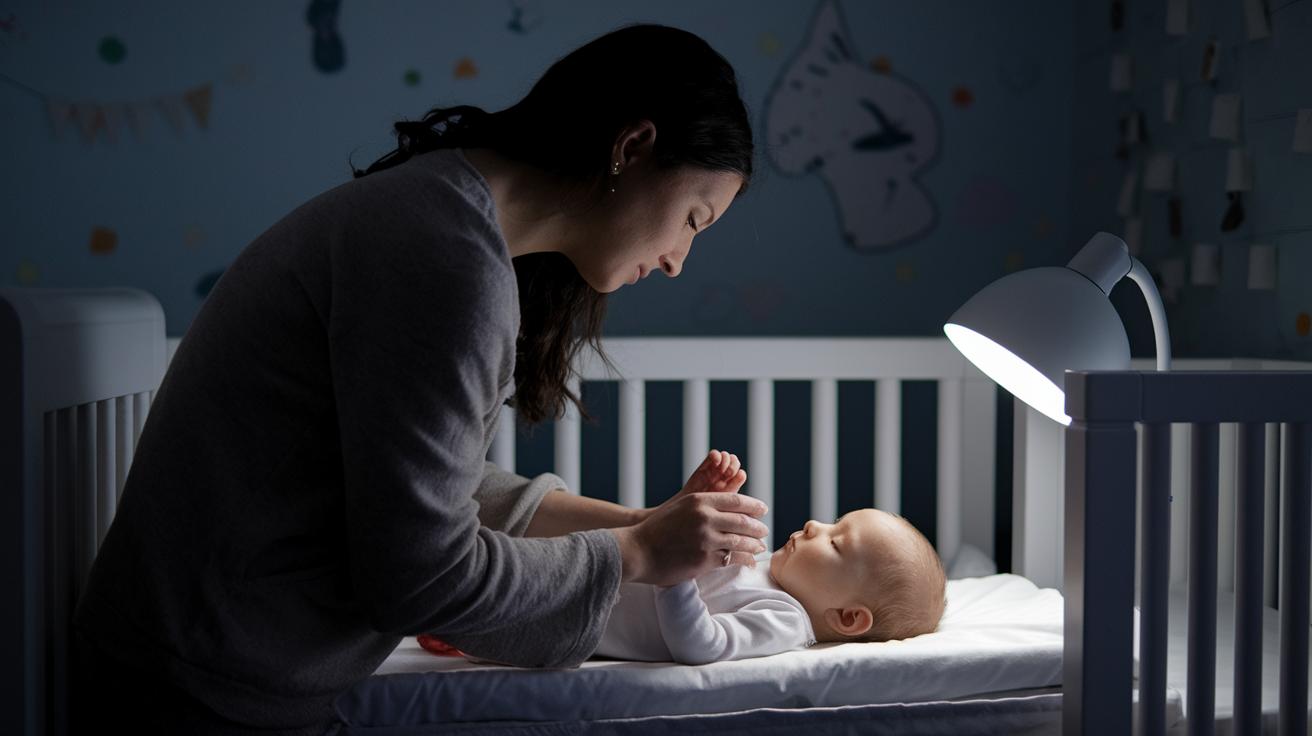
At around 4 months, your baby might hit a few bumps with sleep. When little sleep regressions pop up, it helps to stick to a calm, steady routine. If things get a bit rough during the night, take a gentle 20-30 minute break before checking in. This pause can give your baby a chance to settle back into a smoother sleep cycle.
For breastfed babies, a full feed at bedtime works wonders. A complete feed can help cut down on wake-ups and balance out feeding times. Once your little one seems content, you can gradually start spacing out night feeds by about one minute each night, nudging them toward self-settling.
However, if you notice ongoing signs of distress or that your baby remains awake for too long, it might be time to tweak your routine. Try making changes little by little. This step-by-step approach can help ensure your baby, and you, find comfort and peaceful rest again.
Final Words
In the action, these sleep training techniques for 4 month old emphasize building good sleep habits early. We explored how recognizing development cues, applying methods like the Ferber and Pick-Up/Put-Down, and creating a consistent daily schedule can support healthy rest. Safety tips and a calm sleep environment are key to keeping your baby secure. Every tip shared aims to help create smoother nights and brighter mornings. Keep moving forward, knowing that the right routine can make bedtime a cozy, secure space.
FAQ
Q: What are the best sleep training techniques for a 4-month-old, including tips from Reddit?
A: The sleep training techniques for a 4-month-old, as shared on Reddit, include consistent routines, gentle methods for both naps and nighttime, and strategies that promote self-soothing while keeping the baby’s comfort in mind.
Q: What is the pick up put down method for a 4-month-old during sleep training?
A: The pick up put down method for a 4-month-old means soothing by picking the baby up when upset, then laying them back in the crib once calm, which gradually teaches them independent sleep.
Q: What is the Ferber method for sleep training a 4-month-old?
A: The Ferber method for sleep training a 4-month-old places the baby in the crib and uses gradually lengthened check-in intervals to help ease the baby into self-soothing and longer sleep stretches.
Q: What sleep training schedule works best for a 4-month-old?
A: The sleep training schedule for a 4-month-old typically includes a bedtime between 7 and 9 p.m., two to three daytime naps, and a focus on regular sleep windows that help the baby shift toward longer nighttime rest.
Q: Is it possible to sleep train a 4-month-old?
A: The concept of sleep training a 4-month-old is valid as many infants at this age show signs of self-soothing readiness; using gentle, consistent methods can encourage longer sleep periods over a few nights.
Q: What is the 5-3-3 rule in sleep training?
A: The 5-3-3 rule in sleep training means waiting five minutes before the first check-in and then three minutes for subsequent checks, a method designed to gradually encourage the baby to self-soothe.
Q: How can you teach a 4-month-old to fall asleep on its own?
A: The approach to teaching a 4-month-old to fall asleep independently involves establishing a calming bedtime routine and clear sleep cues, allowing the baby to practice self-soothing in a safe, nurturing setting.
Q: How long should you allow a 4-month-old to cry during sleep training?
A: The guidance for letting a 4-month-old cry during sleep training suggests brief, controlled intervals of a few minutes, balancing the goal of self-soothing with promptly responding to your baby’s needs.