
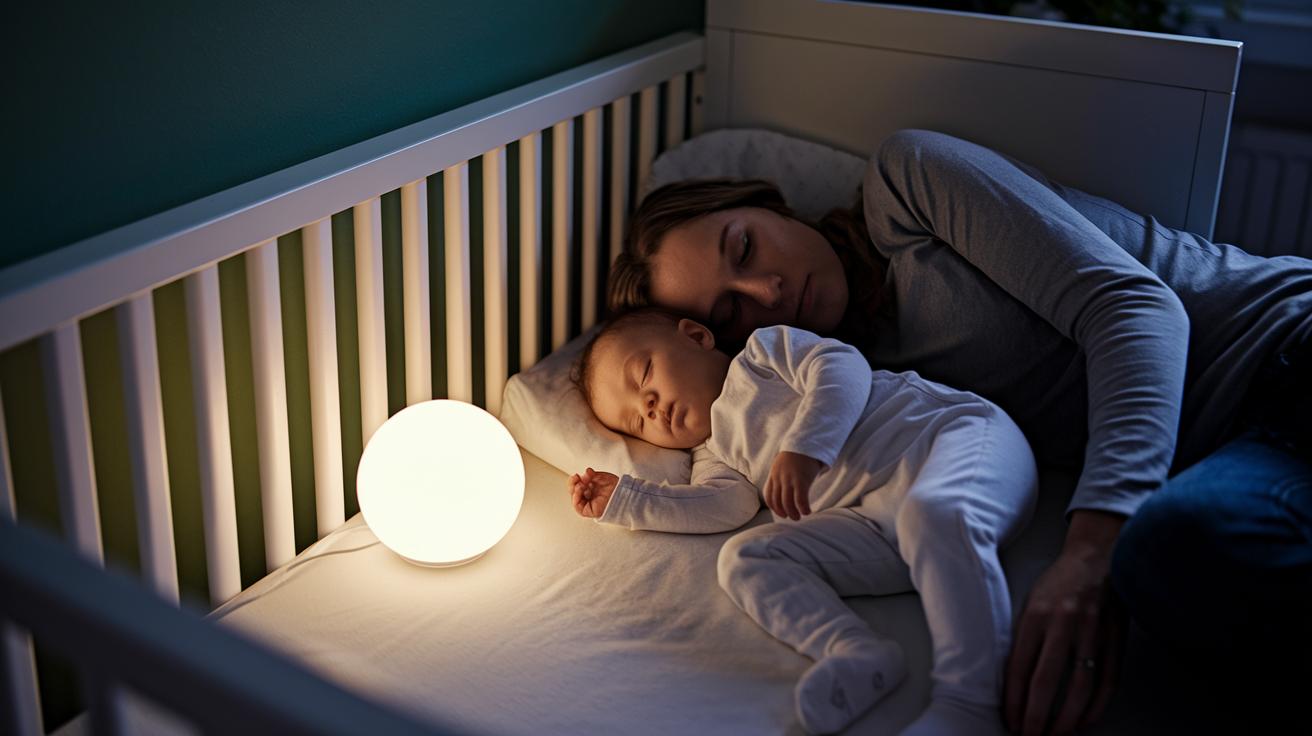
Have you ever wondered if letting your 15-month-old sleep on their own might be a good idea? Picture your little one gently drifting off in their crib, feeling safe and cozy in their own space. This sleep training plan could give you more peaceful nights and a bit of extra calm too. In just a few days, your toddler might start to form a simple bedtime routine that helps both of you get better rest. Let's explore this gentle approach that not only brings soothing nights but also helps your child grow in confidence.
Sleep Training 15 Month Old: Blissful Sleep Routine

Sleep training helps your little one learn to settle down and fall asleep by themselves, giving you a little breather too. Imagine gently guiding your toddler as they become more confident in soothing themselves at bedtime. Often, you might see a change in just three to seven nights, though sometimes your child may need a few extra days to adjust.
Kids actually start forming their very own sleep rhythm as early as 4 months old, and by 15 months, they're typically ready to cozy up in their crib without needing you right at their side. A helpful tip is to place them in their sleep space when they’re still a bit drowsy. This little move tells them that their crib is a safe, comforting haven, even if you're not there at that moment, a method backed by the American Academy of Pediatrics.
Keep in mind that toddler sleep cycles can be quite short, lasting between 20 and 50 minutes. It’s perfectly normal for them to wake up and then drift back off during the night. Consistency is key here, try to keep a steady bedtime routine with soft lighting and gentle sounds to set the mood for sleep.
Every child is unique, and it takes time for them to learn. By slowly stepping back during bedtime, you're helping your toddler build the skills they need to sleep peacefully on their own. Before you know it, your 15-month-old will enjoy a night of restful sleep, bringing a sense of calm and joy to your whole family.
Managing 14–15 Month Sleep Regression During Sleep Training
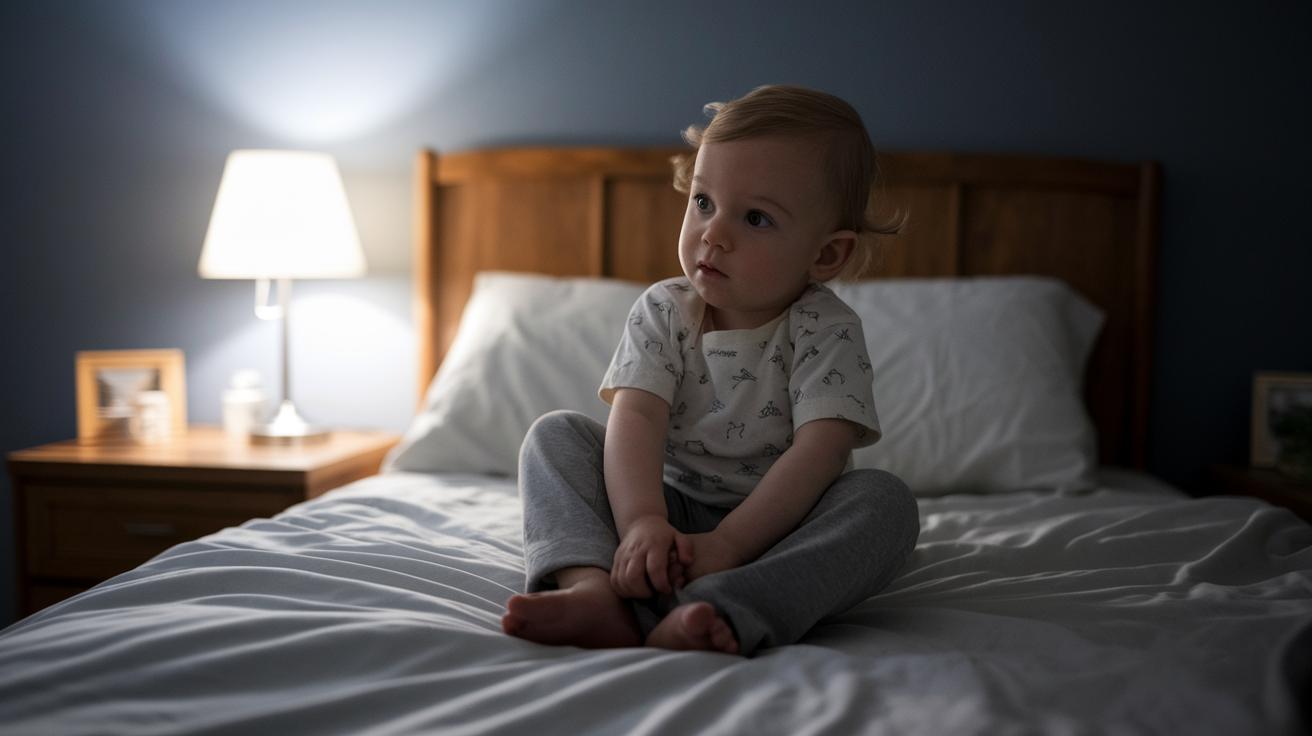
Around 14 to 15 months, your little one might hit a sleep snag that lasts about one to two weeks. It can feel a bit unsettling, but these ups and downs are part of how toddlers grow. During this period, your child may start to understand more about the world, realizing that things still exist even when they can’t see them, and it might stir up a bit of separation anxiety at bedtime.
You might notice some tell-tale signs of this sleep bump:
- They wake up more often during the night.
- They push back on naps and resist their daytime sleep.
- Mornings might come earlier than you’re used to.
- They may feel extra clingy at bedtime, wanting to be close to you.
- Even if they do wake up, it can be hard for them to settle back to sleep without help.
Sticking to a calm, familiar sleep routine can really help during these moments. Keep your bedtime routine gentle and steady, and offer soft, reassuring check-ins. This consistency tells your child they are safe and helps them build the skills to smooth over these temporary rough patches. Stay patient and remember that this phase, while trying, will pass soon enough.
Sleep Training 15 Month Old: Bedtime Routine & Nap Schedule

Creating a steady nap and bedtime routine helps your little one feel safe and ready to rest. At 15 months, if your toddler still takes two naps, aim for about 3–4 hours awake before bedtime. For older toddlers who take just one nap, a 5–6 hour awake time can work well before winding down. A steady bedtime, like around 7 PM, brings comfort through its predictability.
When you’re ready to shift from two naps to one, ease into it gradually over one or two weeks. You might start by pushing the morning nap a bit later and slowly lengthening the time between naps until one longer nap seems just right. It’s all about watching your child’s cues and making gentle changes that feel natural.
A calming bedtime routine tells your toddler that it’s time to slow down. Consider these soothing activities:
- A warm bath that relaxes tiny muscles.
- A cuddle with a favorite stuffed toy or soft blanket.
- A quiet story read in gentle tones.
- Soft lull music in the background to set a peaceful mood.
Imagine wrapping up the day with a gentle bath, cozy cuddles, and a story that eases your toddler into dreamland. Keeping these cues consistent night after night builds comforting sleep habits and slowly helps your little one learn to settle on their own. Adjust as needed to match your toddler’s changing sleep needs, and let small, steady reminders, like a tender hum or a familiar tale, guide them into a restful sleep.
Comparing Sleep Training Methods for a 15-Month-Old
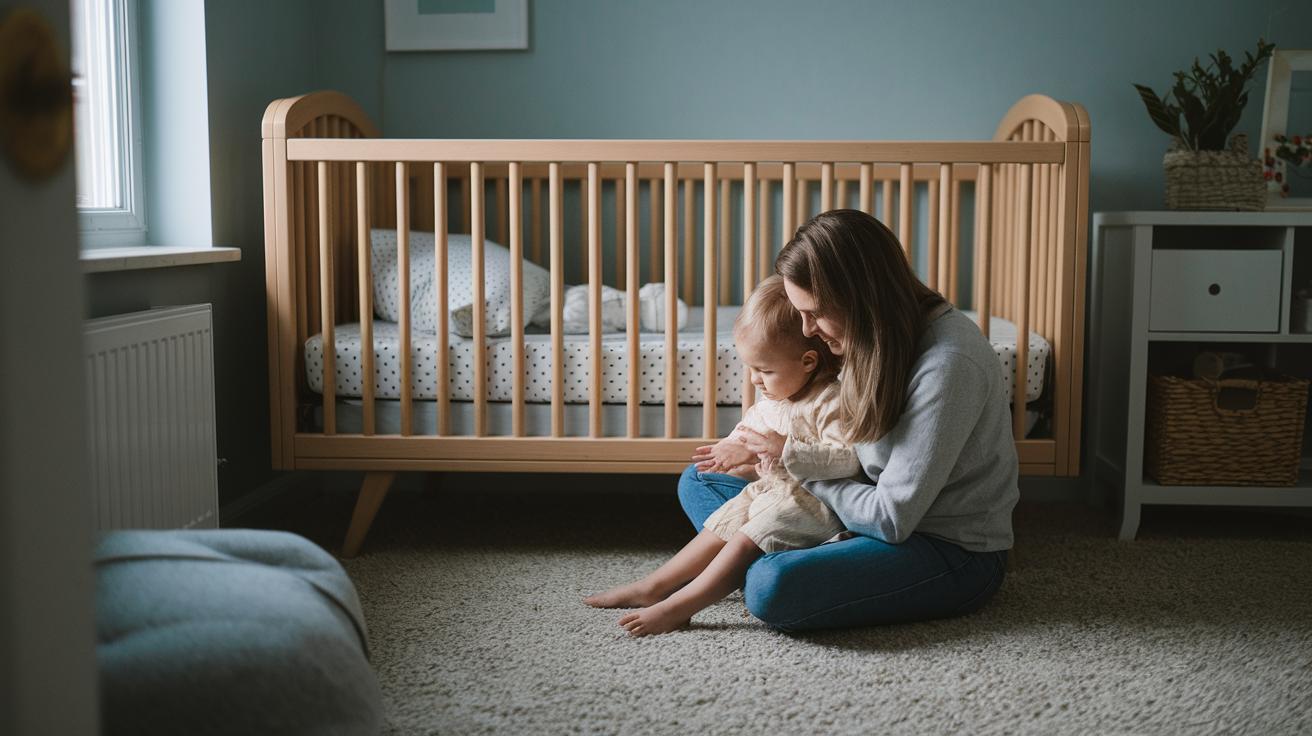
When it comes to sleep training for a 15-month-old, there are several ways to help your little one sleep better. Many parents see changes within three to seven days, though every toddler is a little different. The trick is finding a method that feels right for both you and your child. Here are four gentle approaches you might consider:
-
Gentle/Fading Method: Gradually ease out your soothing presence each night.
Pro: This soft approach helps your child learn to settle on their own without feeling overwhelmed.
Con: It might take a bit longer to notice big improvements. -
Chair Method: Start by sitting close to the crib and slowly move your chair farther away over several nights.
Pro: Your comforting presence remains nearby, making your toddler feel secure as they get used to sleeping independently.
Con: The slow move-away process may stretch out the transition period. -
Ferber Method: Check in with your child at set intervals, gradually increasing the time between visits as they learn to settle themselves.
Pro: This method can lead to quicker progress towards independent sleep.
Con: The regular, timed check-ins might seem a bit too abrupt if you prefer a softer approach. -
Cry-It-Out Method: Let your toddler cry for short stretches until they learn to fall asleep without help.
Pro: This approach often speeds up the process of building self-soothing skills.
Con: It may lead to bouts of more intense crying, which some parents find hard to handle.
Take your time deciding which method feels best for your family. Watch how your child responds, whether it's a few comforting check-ins or a slower withdrawal of your support. The goal is always the same: helping your child feel secure and independent, one peaceful night at a time.
Troubleshooting Night Wakings for Your 15-Month-Old
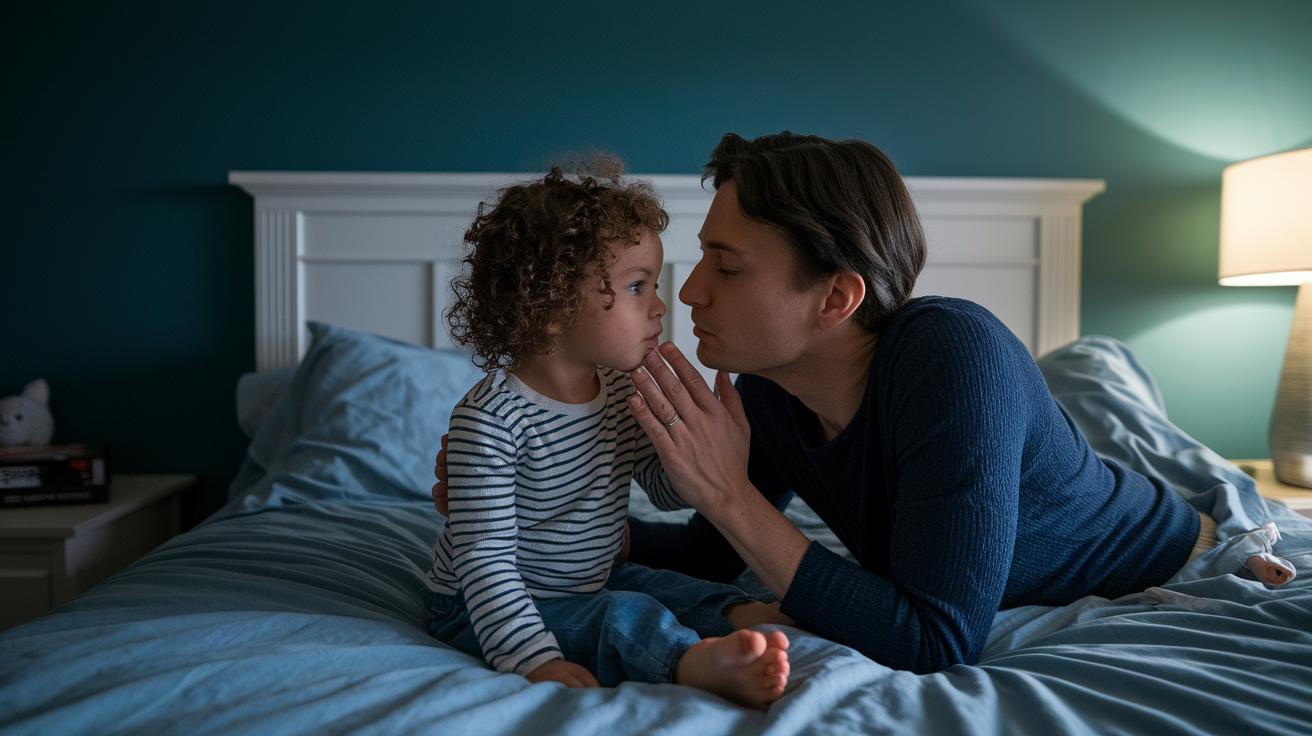
Sometimes your little one wakes up at night, and it can be really hard for both of you. When this happens, try waiting about 15 minutes before heading back to check on them. This brief pause gives your child a chance to settle on their own and can help cut down on constant wake-ups.
If they do wake during the night, here are some friendly tips:
- Every 10–15 minutes, gently remind them you're nearby using soft sounds or kind whispers. This way, they know you're there without switching up the usual routine.
- Stick with the same approach each time so your child learns what to expect. Changing things up might leave them confused.
- Adjust daytime wake windows by adding about 10 to 15 extra minutes as needed. Sometimes a bit more awake time can help your toddler wind down better come nighttime.
- Keep daytime activities fun and engaging. A playful day helps set the stage for a good night's sleep.
If these steps continue to be a challenge for over a week, consider talking to your pediatrician for extra insights. They can offer advice based on your child's specific needs. Each night is a new opportunity to gently guide your little one back to comfort, helping you both enjoy a more peaceful routine.
Creating an Ideal Sleep Training Environment for Toddlers

Setting up a calm sleep space can really help when you're sleep training your little one. Soft, low-volume white noise can gently cover up unexpected sounds at home, making it easier for your toddler to settle down without sudden disruptions. Keeping the room dim, under 10 lux, creates a warm twilight-like glow that tells your child it's time for sleep, just like a cozy bedtime story.
The room’s temperature matters a lot too. Keeping it between 68 and 72 °F makes sure your child is comfortable and can enjoy a peaceful sleep. And don't forget about safety during crib time. Make sure the crib follows safe sleep guidelines: a firm mattress, no loose bedding or toys, and a clutter-free area, so your little one is safe and snug.
Paying attention to these details, sound, light, temperature, and safety, helps your toddler develop healthy sleep habits. It sets the stage for a night of independent sleep, making bedtime smoother and mornings brighter.
Final Words
In the action of our guide, we explored gentle techniques and practical tips to help your little one find sleep on their own. We talked about calming bedtime routines, scheduling naps, and setting the right environment for safe sleep. This article walked you through handling night wakings and managing sleep regression with care. All these steps come together to support sleep training 15 month old, keeping bedtime soothing and stress-free. Enjoy calmer nights and sweet dreams ahead.
FAQ
What does “sleep training 15 month old reddit” mean?
The term “sleep training 15 month old reddit” means that many parents on Reddit share real-life tips for gentle, consistent approaches with bedtime routines and self-soothing strategies.
How do I sleep train a 15-month-old or 1-year-old breastfed baby?
The query about sleep training a breastfed baby signifies using a gentle, gradual approach that blends familiar feeding routines with minimal intervention while encouraging the toddler to learn self-soothing.
How does sleep training a 15-month-old at night work?
The question about nighttime sleep training indicates establishing a consistent, calming pre-bed routine—like a warm bath and story—so your toddler learns to settle down independently at night.
What does sleep training a 15-month-old for naps involve?
The phrase “sleep training 15 month old naps” highlights setting up regular nap times and appropriate awake windows, which helps your toddler relax during the day and consistently settle for a nap.
What are gentle, free sleep training methods to avoid crying?
The inquiry on free sleep training and avoiding tears signifies adopting techniques that rely on gradual reassurance and consistent routines, allowing your child to develop sleep independence without distress.
What does sleep training a 16-month-old entail?
The reference to a 16-month-old in sleep training means adapting similar gentle, routine-based methods used with a 15-month-old, while considering that older toddlers may need slight adjustments for increased independence.
What is the 5 3 3 rule for sleep training?
The “5 3 3 rule” in sleep training signifies a method where you gradually increase the waiting time between check-ins—starting with a short five-minute wait followed by two brief three-minute intervals—to promote self-soothing.
What age is considered the hardest to sleep train?
The notion of the hardest age to sleep train suggests that many parents find the toddler stage, often around 15 to 18 months, challenging due to developing independence and separation anxiety, though every child is unique.
How do I help my 15-month-old sleep independently?
The question of getting a 15-month-old to sleep independently signifies establishing reliable bedtime routines, a secure sleep space, and gradual decreases in parental intervention so the toddler learns to self-soothe.
How can I stop my 15-month-old from waking up at night?
The concern about night wakings means implementing a consistent bedtime routine with gentle, timed check-ins and adjusting awake periods, which helps the toddler settle and reduces disruptions during the night.