
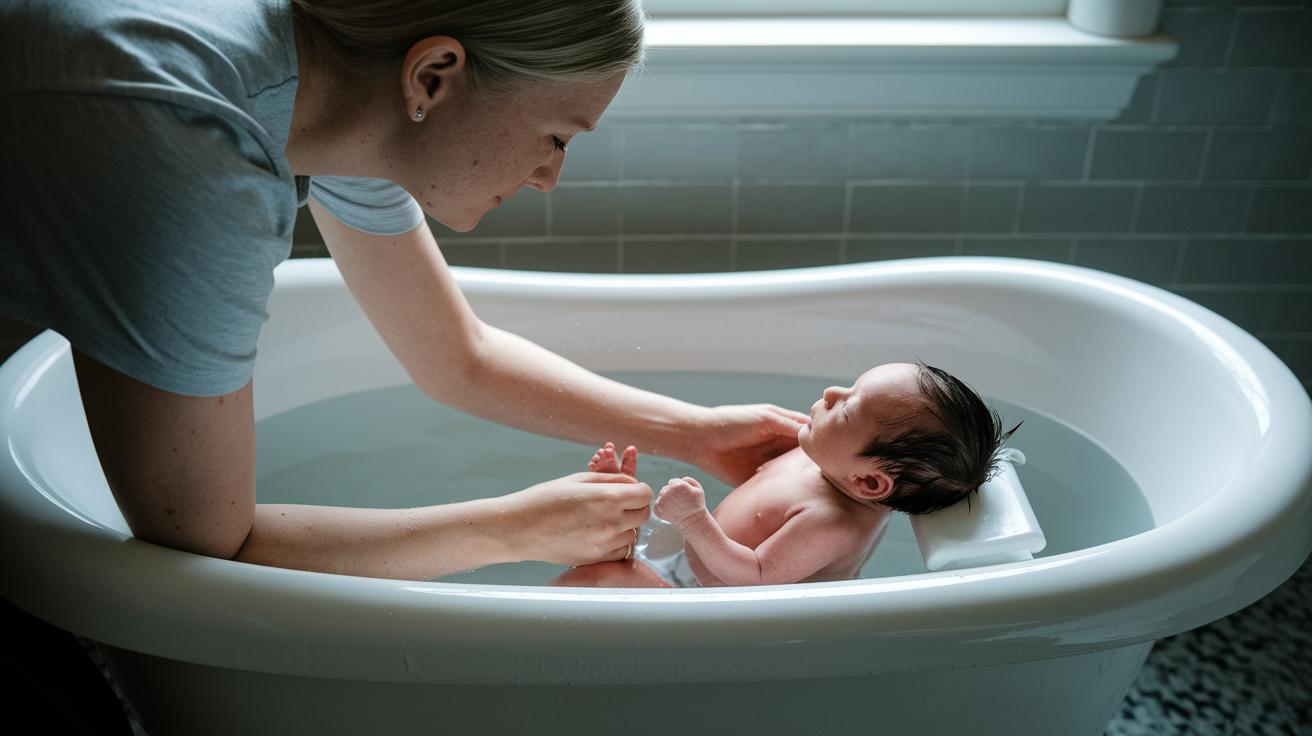
Have you ever wondered if giving your newborn a bath right away might wash away a natural shield? Experts say it’s best to wait at least six hours, or even a day, to keep that special protective layer intact.
This little pause helps your baby stay warm and snug, while also encouraging that gentle, skin-to-skin bonding we all cherish. It’s like giving your baby a soft hug before the bath.
In this post, we'll share why holding off on the first bath can lead to softer, more moisturized skin and even smooth out those early feeding times. Let’s chat about the safe, comforting timing that helps your little one ease into the big, beautiful world.
Optimal Timing for Newborn’s First Bath

Experts and trusted guidelines say it's best to wait at least one full day before giving your newborn their first bath. If you can't wait that long, aim for at least six hours. This pause helps keep a natural, protective coating on your baby’s skin, a mix of mostly water, lipids, and proteins, that they received in the womb. That special coating helps keep their skin soft, moisturized, and safe from germs while they get used to the outside world.
Taking a little extra time with the bath brings more good benefits too. It helps keep your baby warm and shields them from the risk of feeling too chilly. Plus, those extra moments of skin-to-skin contact can spark a smoother start to breastfeeding. In fact, one study from 2020 even found that a later bath was linked to less intense crying, making those first moments a bit gentler for everyone.
Think of it this way: hold off on the bath and dedicate that first hour to cuddles and quiet bonding. This gentle approach ensures your little one’s delicate skin stays naturally moisturized, and those early feeding moments feel as comforting as they should be.
Importance of Vernix Caseosa Before Bathing
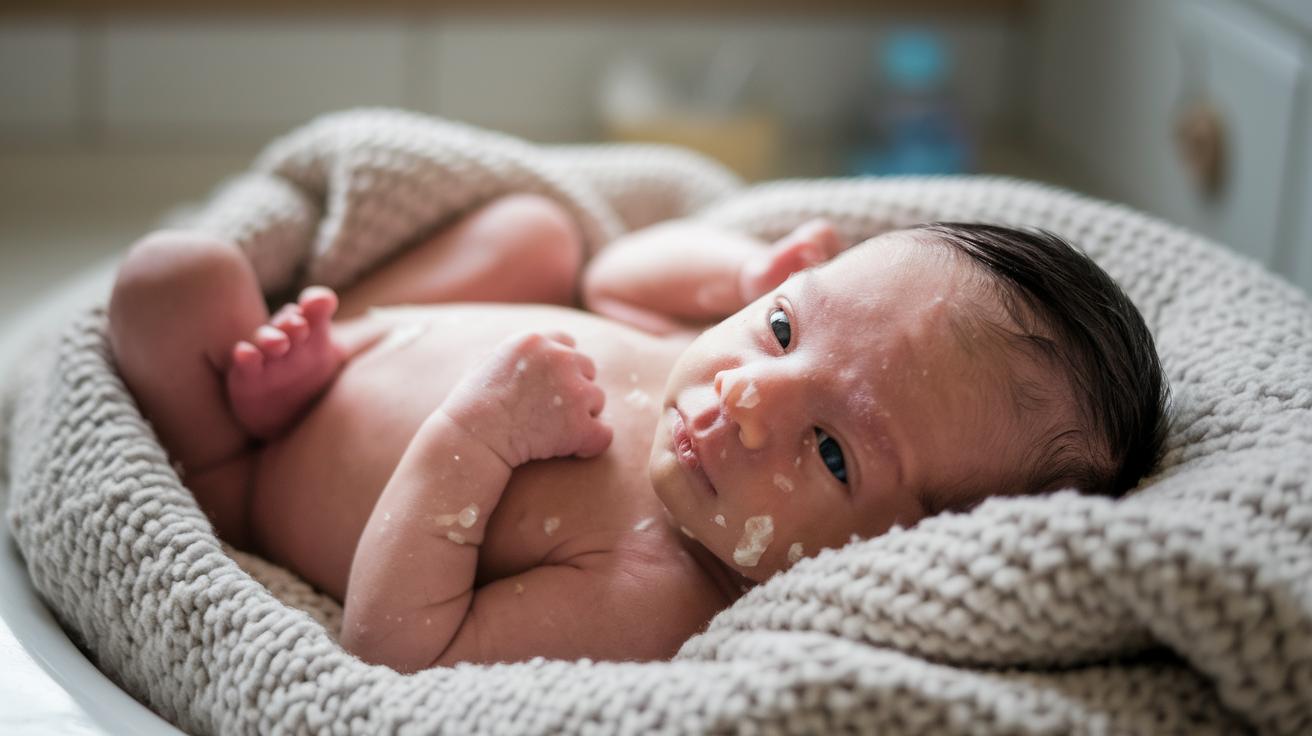
For the first day, it's really important to let your baby's natural coating stay just as it is. This coating, called vernix caseosa, is made mostly of water with a little bit of fats and proteins. It helps keep your baby's skin soft and even works like a tiny shield against germs, acting much like a gentle, warm blanket.
Waiting a little before the first bath gives this delicate layer time to do its job. It helps stop the skin from drying out and keeps the natural balance just right. Think of it like a fresh layer of dew softly protecting a young petal before the morning sun greets it.
Gentle Sponge Bath Techniques for Newborns
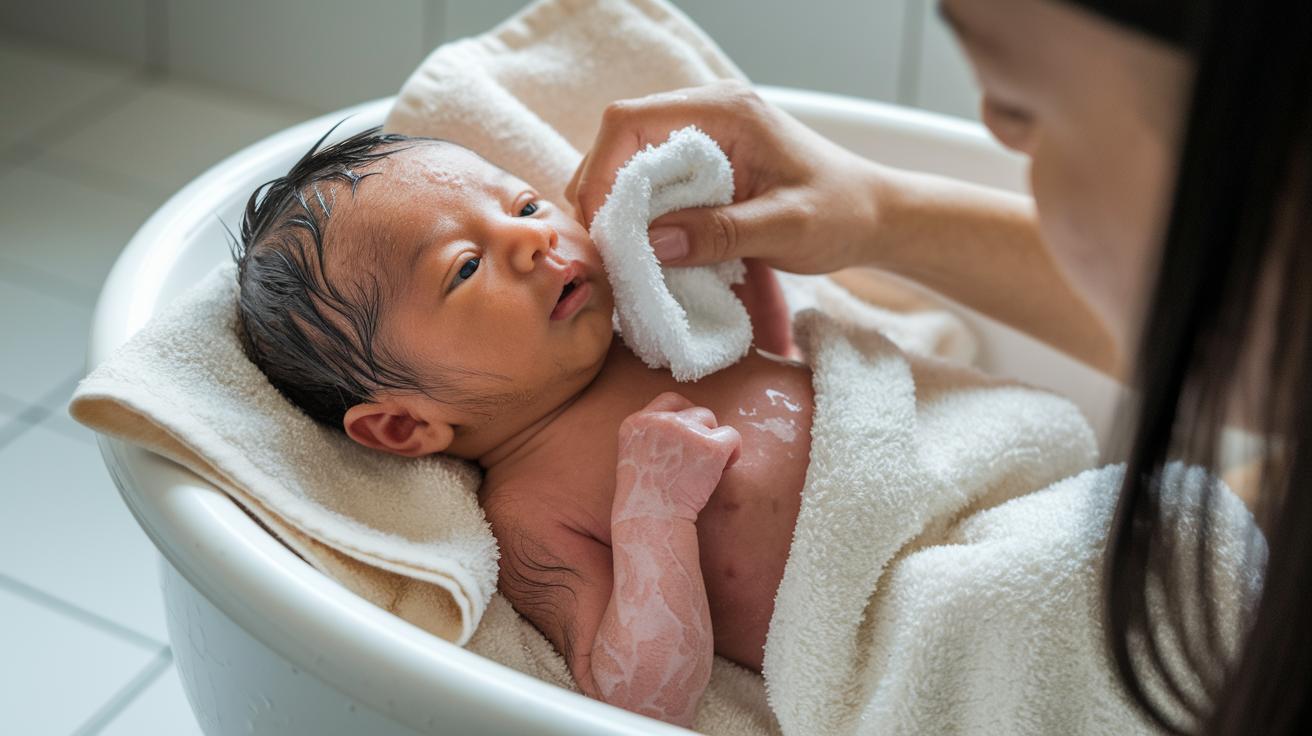
Sponge baths are a safe and gentle way to care for your newborn, especially while the umbilical cord is still healing. Keeping that area clean and dry is key to prevent any irritation or infection, and this soft method helps your baby stay cozy while nature does its work, usually in about 15 days.
A warm sponge bath can turn cleaning time into a sweet moment of bonding. Use water at room temperature, a soft cloth, and a baby soap that is free of dyes and fragrances to keep your little one comfortable. These simple steps help protect your baby’s delicate skin until you're ready for a full tub bath.
Here’s how to get started:
- Prepare a small basin with room-temperature water and keep all your supplies close by.
- Soak a soft cloth in the water mixed with a mild, fragrance-free baby soap.
- Gently wash your baby’s head to clear away any droplets.
- Slowly move downward, taking extra care around the diaper area and soft skin folds.
- Rinse the cloth often so you don’t reintroduce any dirt.
- Finally, pat your baby dry with a soft towel, paying attention to all the little creases.
During the first two weeks, aim for a sponge bath a few times a week. This routine offers the best care for the healing cord while keeping your baby clean, comfy, and ready for all the cuddles.
Transitioning to Tub Baths Post-Cord Detachment

Once your baby's umbilical cord stump has naturally fallen off and healed, usually around two weeks, it's a good time to switch from gentle sponge baths to a classic tub bath. Use a baby-friendly plastic tub with a gently sloping, textured surface to help keep your little one secure. While some parents opt for using their kitchen sink as a bathing spot, if you choose that path, be extra cautious. Avoid using bath seats since they can tip over and pose a risk.
For the first tub bath, fill the tub with about two inches of warm water. Gently remove your baby's clothes and carefully place them into the tub, starting with their feet. As you ease them into the water, always support their head and neck. This careful method not only keeps your baby safe but also helps them feel calm and secure.
Take your time during this change. Every step should be filled with care and a bit of patience. Over time, moving from sponge baths to tub baths can become a soothing routine that both you and your baby enjoy. Trust your instincts and enjoy these special moments together.
Ensuring Safe Water Temperature and Bath Setup

Taking care to set up your baby's bath safely is a loving way to keep both your little one and you at ease. Start by choosing a water temperature between 97°F and 100°F (36.5°C to 38°C). Test it on your wrist or elbow to make sure it feels just warm enough without being too hot. Fill the bath with about 2 inches of water so that your baby's torso is covered while keeping their face safely out of the water.
Keeping the bath time short, around 5 minutes or less, helps your baby stay comfortable and cozy. Using a baby tub that has a gentle slope and a textured surface gives extra grip and helps prevent slips during wash time. And if you're using a flat surface for the bath, putting down a non-slip mat is a smart move.
Remember to double-check your safety setup before each bath. A calm, secure environment makes every moment during bath time safe and joyful for both you and your baby.
| Parameter | Recommendation |
|---|---|
| Water Temperature | 97°F – 100°F (36.5°C – 38°C) |
| Water Depth | 2 inches |
| Bath Duration | 5 minutes or less |
Scheduling Baby Baths Around Feeding and Sleep

Planning your baby's bath is all about timing to keep them comfy and healthy. It's best to wait at least 30 minutes after feeding before you start the bath. This little break helps lower the chance of spit-up and gives your baby time to relax after eating, much like a gentle pause before a warm, soothing bath.
When you’re planning bedtime, consider setting the bath time just before sleep. A warm bath can signal that it's time to settle down, making the transition to sleep much easier. And if your baby wakes up feeling refreshed after a short wash following a nap, that works just as well without throwing off your routine.
Here are some friendly tips:
| Tip | Why It Works |
|---|---|
| Wait at least 30 minutes after a meal | This helps reduce spit-up and gives time for digestion. |
| Use the bath time to promote calm, especially before bed | A warm bath gently signals that it’s time to wind down. |
| Consider a brief post-nap wash | This helps refresh your baby without causing overstimulation. |
This simple routine supports proper digestion and encourages a relaxed mood, setting the stage for a happy, well-rested baby.
Establishing a Newborn Bath Routine and Frequency
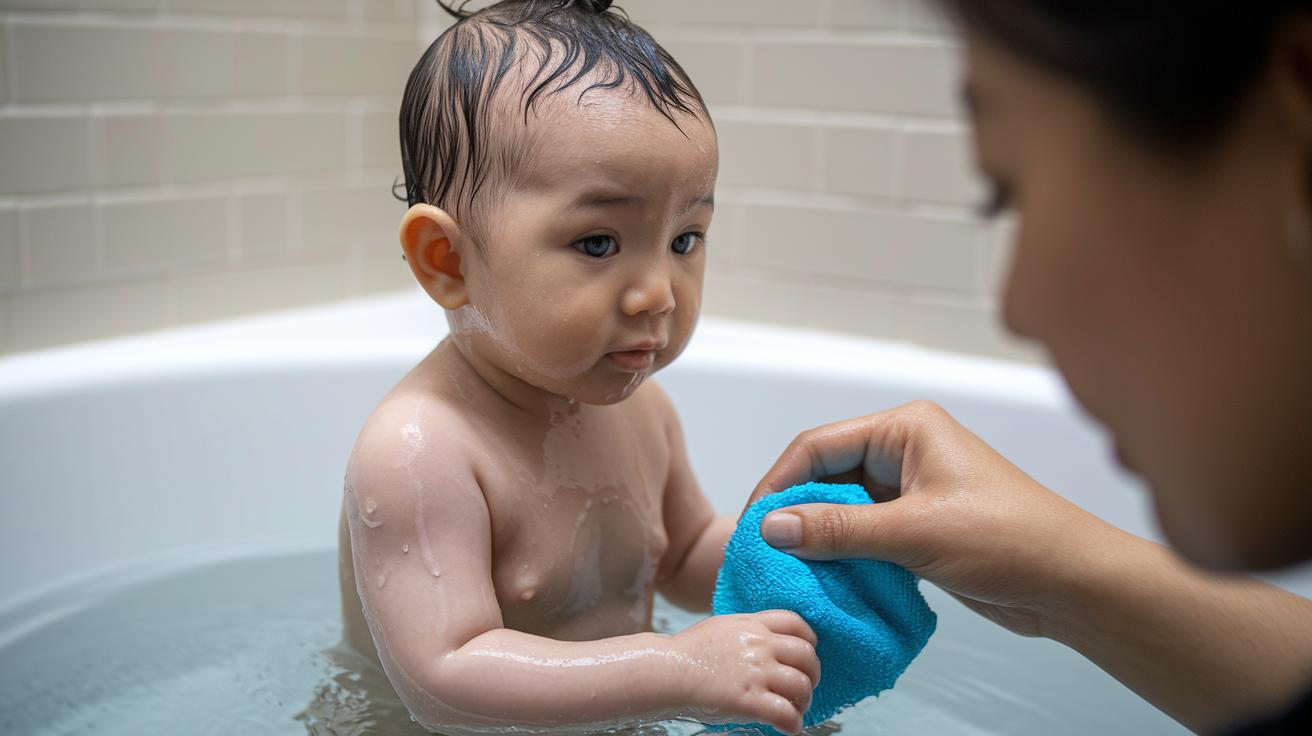
For the first couple of weeks, try giving your baby gentle sponge baths just a few times a week. This helps keep your little one clean while you let the umbilical cord stump heal naturally. Use water that’s as warm as a cozy hug, a soft cloth, and a bit of mild, scent-free baby soap for a soothing clean.
Once that precious cord stump has healed, you can begin transitioning to tub baths in a baby bathtub with a non-slip base. Keep up with the same bath frequency until your baby might need some extra cleaning because of extra sweat or playful messes. Think of it as a gentle shift, from a comforting sponge bath to a warm tub bath that helps your baby grow and feel cared for.
As your little explorer becomes more active, you might find that three baths a week work well. You can always adjust things based on how much your baby plays or the weather around you. Every little stage is a great chance to fine-tune your routine.
Trust your instincts, and remember that every child is unique. Enjoy these small moments of care and warmth as you both navigate this beautiful journey together.
Addressing Common Newborn Bathing Concerns
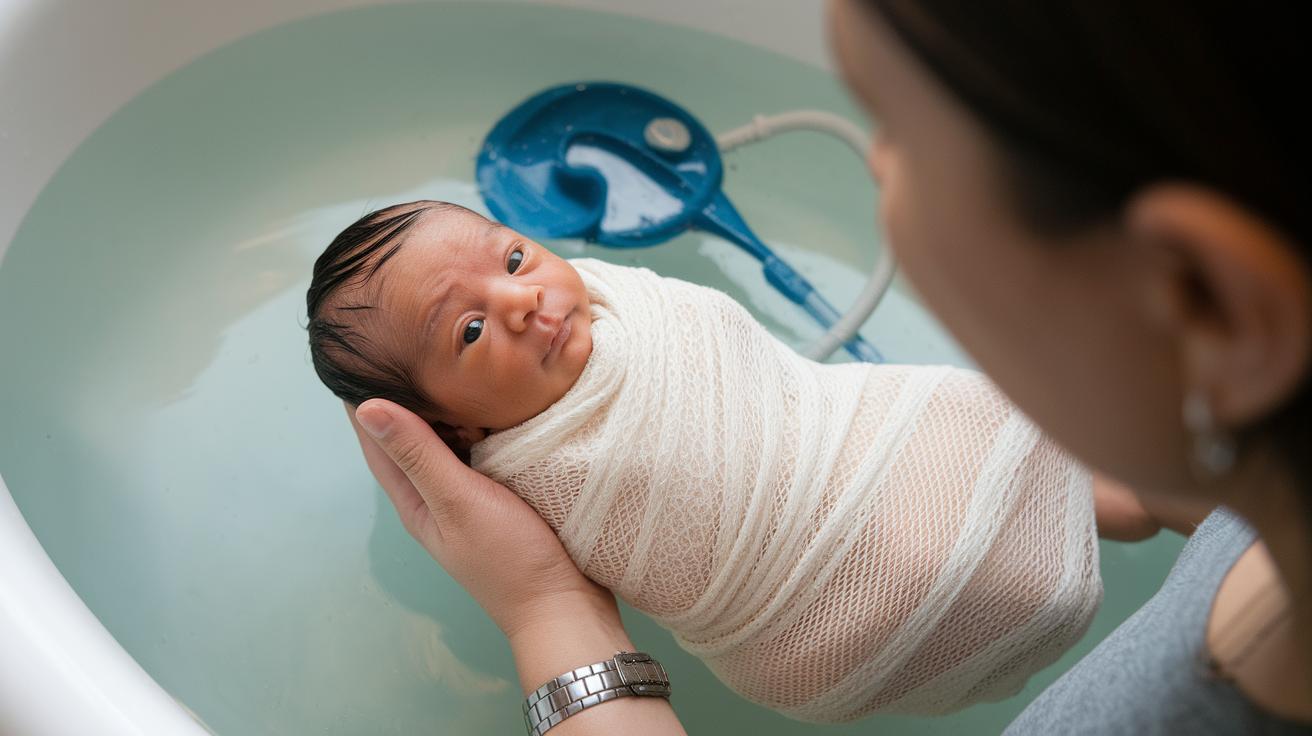
Many parents wonder about when to give their baby the very first bath. Although some family traditions suggest an immediate wash, experts gently advise waiting a bit. Early bathing can sometimes make a baby feel too chilly or upset their delicate skin. It’s perfectly normal for your little one to cry a bit at first, after all, it’s all new!
Some hospitals even use a special method called the swaddled developmental bath. Imagine your baby wrapped up like in a soft, warm hug while being bathed. This tender approach helps lessen surprises that might startle your newborn and builds a comforting connection with water. It’s like experiencing a mini reminder of the cozy, secure feeling of being in the womb.
When discussions about early bathing methods swirl around, remember that trusting gentle, expert-recommended techniques can make a big difference. With a little practice, even the initial bath-time jitters turn into cherished moments filled with care and growing confidence for you and your baby.
Final Words
In the action, we explored the best time for bathing a newborn and how to keep your baby comfy and safe every step of the way. We touched on preserving the natural protective layer and using gentle sponge bath techniques until the cord heals. We also looked at transitioning to tub baths and setting up a secure bath environment, plus tips for lining up bath time with feeding and sleep. Remember, knowing when to bathe newborn properly makes all the difference in nurturing your little one. Enjoy those tender moments and have fun along the way.
FAQ
When should a newborn have its first bath?
The first bath for a newborn is best held 24 hours after birth to keep the natural protective coating intact and support skin-to-skin bonding and early breastfeeding success.
How often should I bathe my newborn in the first months?
For babies aged one to two months, gentle sponge baths two to three times per week are enough, helping maintain skin moisture and reduce the risk of over-drying.
How do I bathe a newborn safely when the umbilical cord is still healing?
When the umbilical cord hasn’t healed yet, use a gentle sponge bath with room-temperature water and a soft cloth, avoiding direct water on the cord area until it falls off and heals.
Can I bathe a breastfeeding newborn or one who has just come home from the hospital?
Bathing a breastfeeding newborn or one fresh from the hospital is safe when you wait 24 hours after birth and avoid bathing immediately after feeding, waiting at least 30 minutes instead.
Is bathing a newborn boy any different from bathing other newborns?
Bathing a newborn boy follows the same guidelines—wait 24 hours for the first bath, care for the umbilical cord with gentle sponge baths, and use mild techniques regardless of gender.