
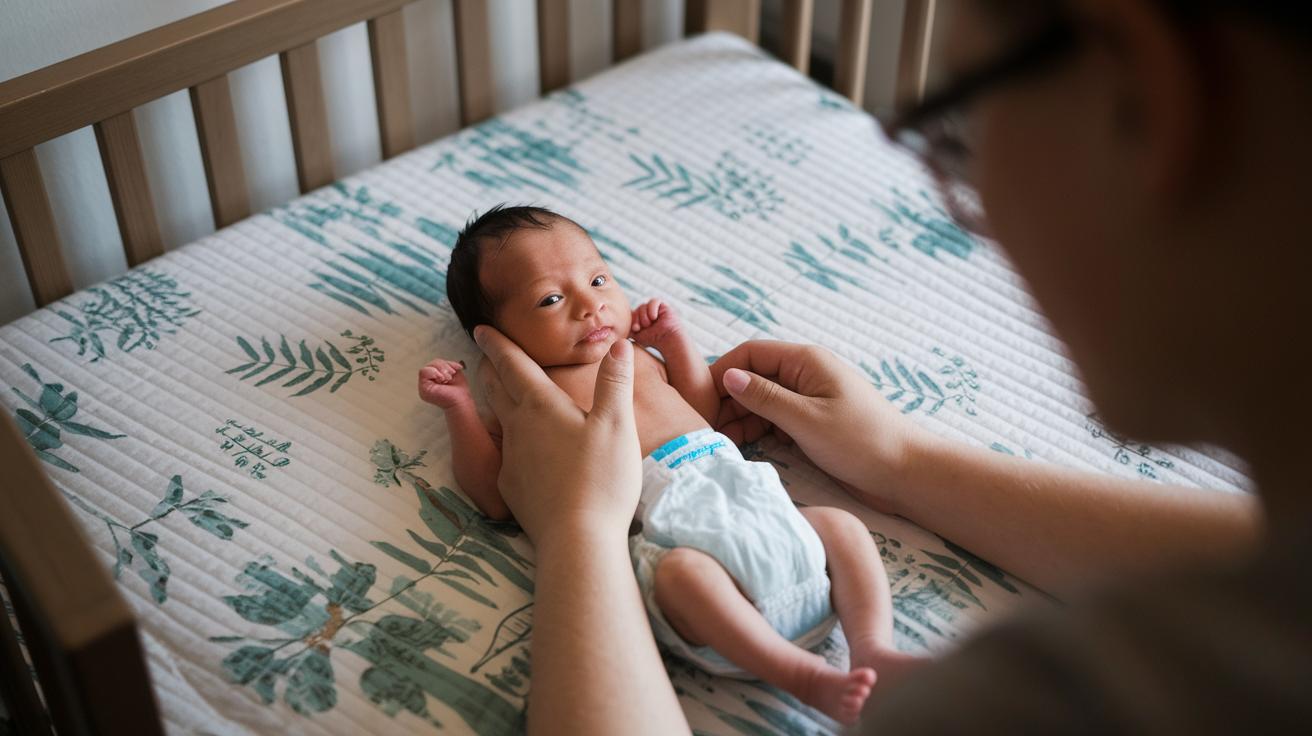
Have you ever wondered if you’re getting too many diapers or just not enough? Many parents notice that a baby might go through eight to even twelve diapers a day. It can feel like a lot, and it might seem hard to keep track.
This handy guide breaks your baby’s diaper needs into daily, weekly, and monthly amounts. When you know these numbers, planning turns into a simple task. You can shop smartly and always have the right supply to keep your little one cozy and dry.
Let’s sort out the confusion so you can focus on those precious moments with your baby, feeling confident and stress-free.
Newborn Diaper Counts: Daily, Weekly, and Monthly Estimates
When you first bring your little one home, you might notice that they often use between 8 and 12 diapers in a single day during their first month. Whether your baby is breastfeeding every one to three hours or on a schedule of their own, frequent diaper changes, usually every two to three hours, are key to keeping them comfy and happy. Remember, the “newborn” size is generally good for babies up to 10 pounds and can work for one to three months. Knowing your daily average can help you plan ahead and notice when it might be time for a new size.
If you add it all up for a week, that means you’ll likely need about 60 to 70 diaper changes. This translates to roughly one to three packs of 32 diapers each week. Look at it this way: over an entire month, you’re probably using around 223 diapers, or about seven full packs. This simple breakdown makes it easier to shop smart and avoid having too many diapers or running low when you need them most.
| Period | Average Diaper Count | Packs Needed |
|---|---|---|
| Daily | 8-12 | ~0.3 packs |
| Weekly | 60-70 | 1-3 packs |
| Monthly | 223 | ~7 packs |
how many diapers for newborn: Carefree Parenting

When you're caring for a newborn, there are a few simple things that help keep your baby comfy and free from skin irritations. A good rule of thumb is to change diapers every 2 to 3 hours to keep moisture away from fragile skin. In those very first days, you might notice that the number of wet diapers changes quickly. At first, there may be only a couple, but by day 4 things pick up, and from day 5 on, you could be handling around 6 to 8 wet diapers each day. A regular, gentle routine really helps maintain your little one’s delicate skin.
The way your baby eats, how often they wet their diaper, the number of wipes you need, and whether you choose cloth or disposable all work together in your daily routine. Feeding influences how quickly your baby fills a diaper, and knowing what to expect in their wet output can give you peace of mind about their hydration and health. Also, keeping a handy supply of about 3 to 4 wipes per change makes life a bit easier. Remember, if you go with cloth diapers, you might need around 20 to 24 in your rotation if you change 8 to 10 times a day. This little bit of planning can help you feel more relaxed and ready for each new day with your baby.
Budgeting and Stocking Newborn Diaper Supplies
Budgeting for diapers can seem a bit tricky at first, but a little planning goes a long way. Newborn diaper packs usually come in 32, and most little ones use about 8 to 10 diapers every day. That means you may use roughly 1 to 3 packs each week, adding up to nearly 3,000 diapers during that first busy year.
Planning ahead by buying a 2–3 week supply of diapers helps you stay on track and avoid those last-minute trips to the store. It also means watching when your baby quickly grows into the next size. This simple switch not only saves money but also cuts down on waste.
One handy tip is to keep an eye on your weekly use. Don’t overstock, since babies change sizes quickly or sometimes even switch brands as they grow.
Before you make a big diaper purchase, keep these points in mind:
| Consideration | Why It Matters |
|---|---|
| Pack Size | Matches your weekly needs |
| Annual Estimate | Helps manage your budget |
| Overstock Risks | Prevents waste from unused diapers |
| Ordering Strategy | Keeps you stocked up when necessary |
Planning your diaper supplies can feel like one less thing to worry about. For more easy tips on planning newborn supplies, check out first time parent tips.
When to Transition Out of Newborn Diapers
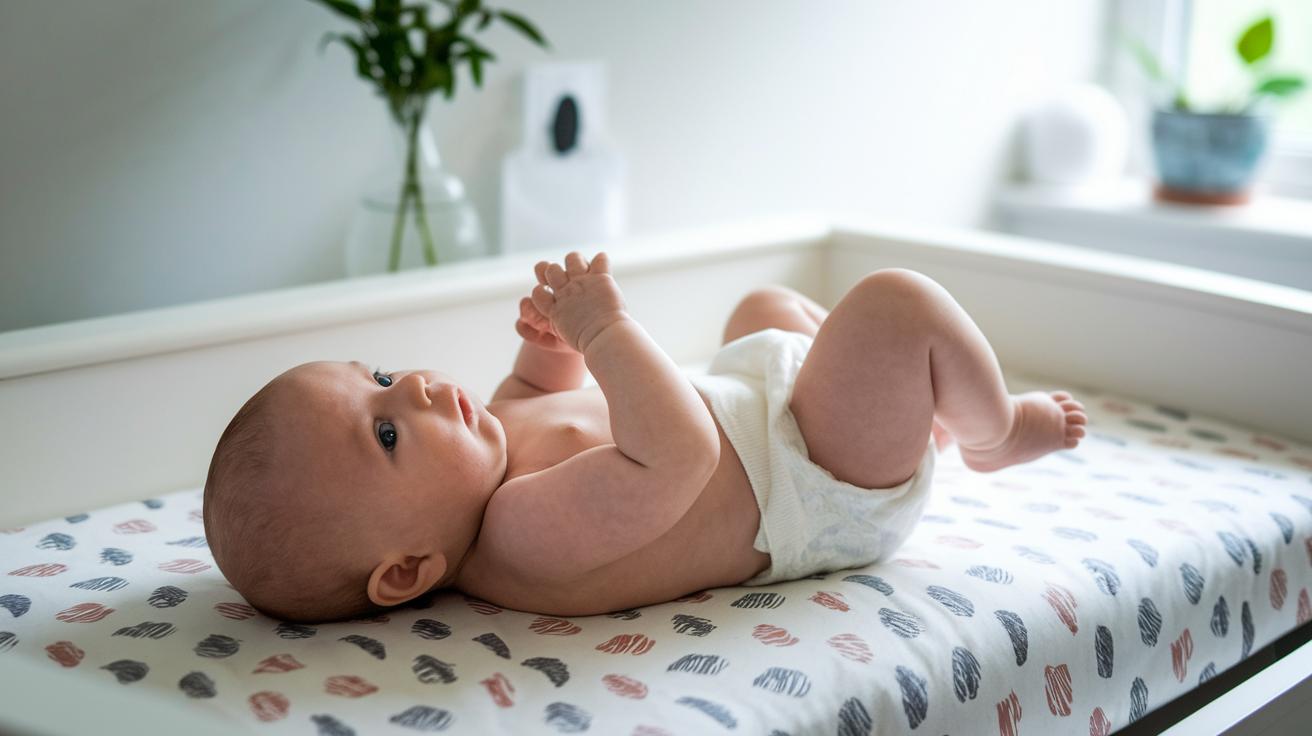
Watching your baby grow is such an exciting journey, and sometimes it means it's time to switch from newborn to Size 1 diapers. If you notice gentle signs like red marks on your baby’s thighs or frequent leaks, it could be a little hint that a different fit would be more comfortable.
When your baby edges past 10 lbs, newborn diapers might not absorb as well as before. Perhaps you see that leaks happen more often or that your baby seems a bit uncomfortable when moving around. These are clear signals that a bigger size could be a better fit. Many parents notice this change gradually, so it’s perfectly natural if your little one’s diapers just aren’t keeping up anymore. If you need more advice, you might want to look at our tips on the "first weeks with newborn" during these special growth spurts.
Once you switch to Size 1, the diaper routine changes a bit too. On average, parents use about 240 to 270 Size 1 diapers each month. Keeping this new number in mind can help you plan your supplies better and even reduce waste.
| What to Look For | Why It Matters |
|---|---|
| Baby is over 10 lbs | Your newborn diapers may not be big enough anymore |
| Frequent leaks | Indicates that the diaper is getting saturated |
| Red marks or discomfort | Shows that the current diaper doesn’t fit properly |
| 240-270 diapers per month | This is the usual amount for Size 1 diapers |
Trust your instincts as a caring parent. Every little sign is a way of telling you that your baby’s needs are shifting. Enjoy every step of this growth journey, you’re doing great!
Cloth vs. Disposable Newborn Diaper Options and Required Quantities
Here’s a quick look at our diaper count and budgeting tips. For cloth diapers, you’ll need about 8 to 10 changes each day. With a two-day wash cycle, that means keeping around 20 to 24 diapers on hand.
Disposable diapers, on the other hand, usually require 8 to 12 changes daily, so you might need roughly 223 diapers in the first month. It’s a bit like planning your family’s meals; every option comes with its own perks and tradeoffs.
Both choices have their unique strengths. Cloth diapers are kind to the environment and can save you money over time, while disposables shine with their convenience and high absorbency. Look at these details alongside your budget and care routines, and you’ll be set to choose what fits your family best.
| Diaper Type | Daily Changes | Number Needed for First Month | Notes |
|---|---|---|---|
| Cloth | 8-10 | 20-24 (in rotation) | Eco-friendly, reusable |
| Disposable | 8-12 | ~223 | Convenient, high absorbency |
Final Words
In the action, we covered daily, weekly, and monthly diaper counts, explored factors that affect usage, and broke down budgeting and stocking tips. Every section helped clarify how many diapers for newborn babies you might need, giving clear estimates and ideas to keep your little one comfortable and safe.
We talked about when to switch sizes and compared cloth versus disposable options. With these insights, you’re set to make smart choices and feel confident about your baby essentials stocking plan. Enjoy every sweet moment of care.
FAQ
How many diapers does a newborn use per day?
A newborn typically uses around 8 to 12 diapers daily, with breastfed babies often needing closer to 12 changes to stay fresh and comfortable.
How many diapers does a newborn need in a week and in a month?
Newborns usually need about 56 to 84 diapers in a week, which adds up to roughly 223 diapers in the first month of life.
How many diapers should a breastfed baby have and are size 1 diapers the same as newborn ones?
Breastfed babies generally require 10 to 12 diaper changes each day, and size 1 diapers are designed for babies who have outgrown the newborn size, typically when they weigh more than 10 lbs.
How long will 200 diapers last a newborn?
With an average of about 10 diaper changes a day, 200 diapers should last a newborn roughly 20 days.