

Have you ever noticed how your 13-month-old's sleep routine might be the secret to calmer evenings? At this age, your toddler really benefits from both solid nighttime sleep and refreshing daytime naps to feel secure.
A gentle bedtime ritual, a warm bath followed by a short, sweet story, can make winding down a cozy moment for you both. In this guide, we're sharing easy, practical tips to set up a sleep schedule that fits your little one's natural rhythm. Imagine ending the day with peaceful snuggles and sweet dreams for everyone.
13-Month Sleep Schedule Fundamentals: Total Sleep Needs and Routine Setup

At 13 months, little ones usually need about 12 to 15 hours of sleep in a full day. This mix of nighttime slumber and daytime naps sets the stage for a calm evening, much like getting cozy with a favorite bedtime story.
Typically, you can expect around 11 to 12 hours of sleep at night, with an extra 1 to 3 hours taken during naps. These naps usually last between 60 and 120 minutes, spaced out with awake times of roughly 3 hours 15 minutes to 4 hours. If nap time becomes a challenge, try easing into a slight shift, maybe starting a bit earlier or trimming a few minutes off, to see if that helps.
Remember, every child is unique. It’s important to tailor the routine to your toddler’s needs based on feeding habits, sleep patterns, and those little cues they give you. If they start to show signs of tiredness sooner, feel free to adjust the schedule gently. This small change can help create a sleep routine that feels just right for both your child and you.
Nighttime Sleep Duration and Bedtime Consistency for 13-Month Toddlers
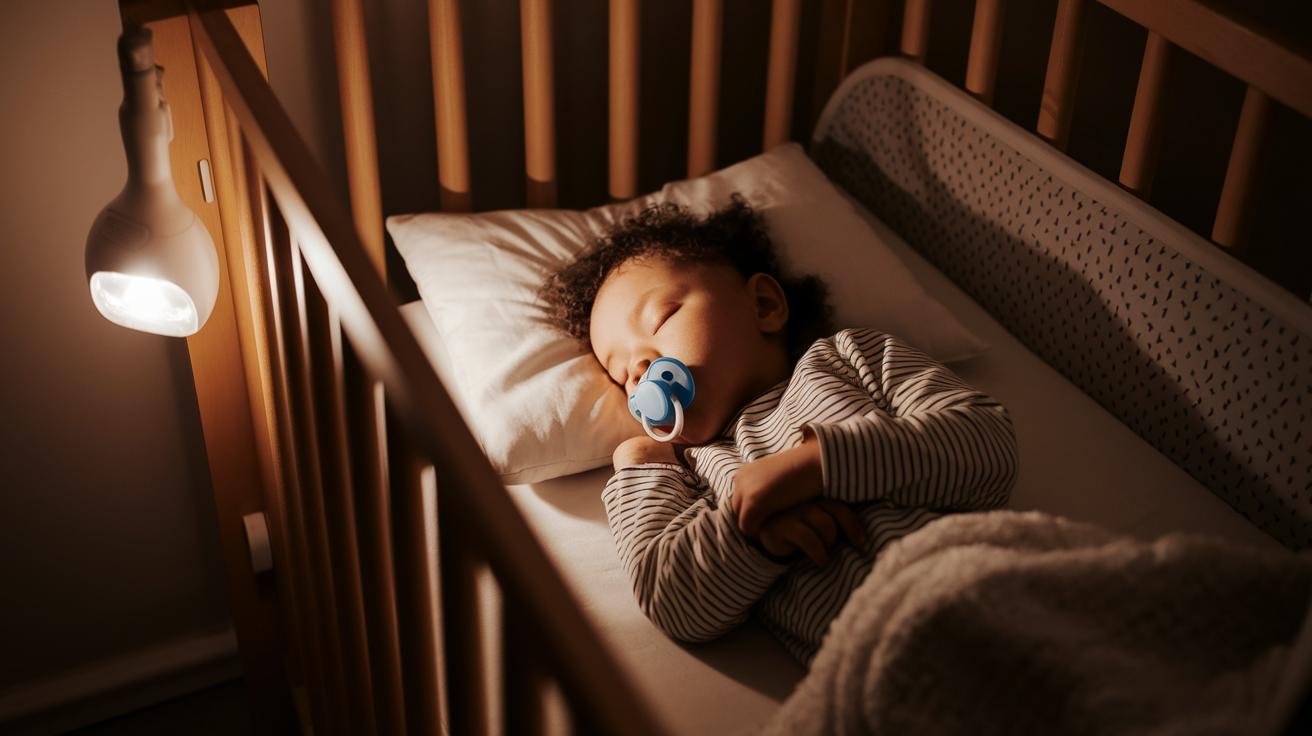
At 13 months, most little ones get about 11–12 hours of sleep after dark. A calm, steady bedtime routine sets the mood, almost like cueing up a gentle lullaby for the night.
If dinner is too early, say around 5 PM, your toddler might wake up at dawn feeling hungry. You might try moving dinner a bit later or offering a tiny snack about 30 minutes before bedtime. Sometimes, a small change in routine can lead to a night of smoother sleep. Another idea is to use a pacifier as a backup soother, placing one or two in the crib before sleep, and adding another if needed once your little one is sound asleep.
A simple bedtime ritual, like a warm bath followed by a short story, can help your toddler feel secure and ready for rest.
13 Month Old Sleep Schedule: Sweet Slumber Awaits
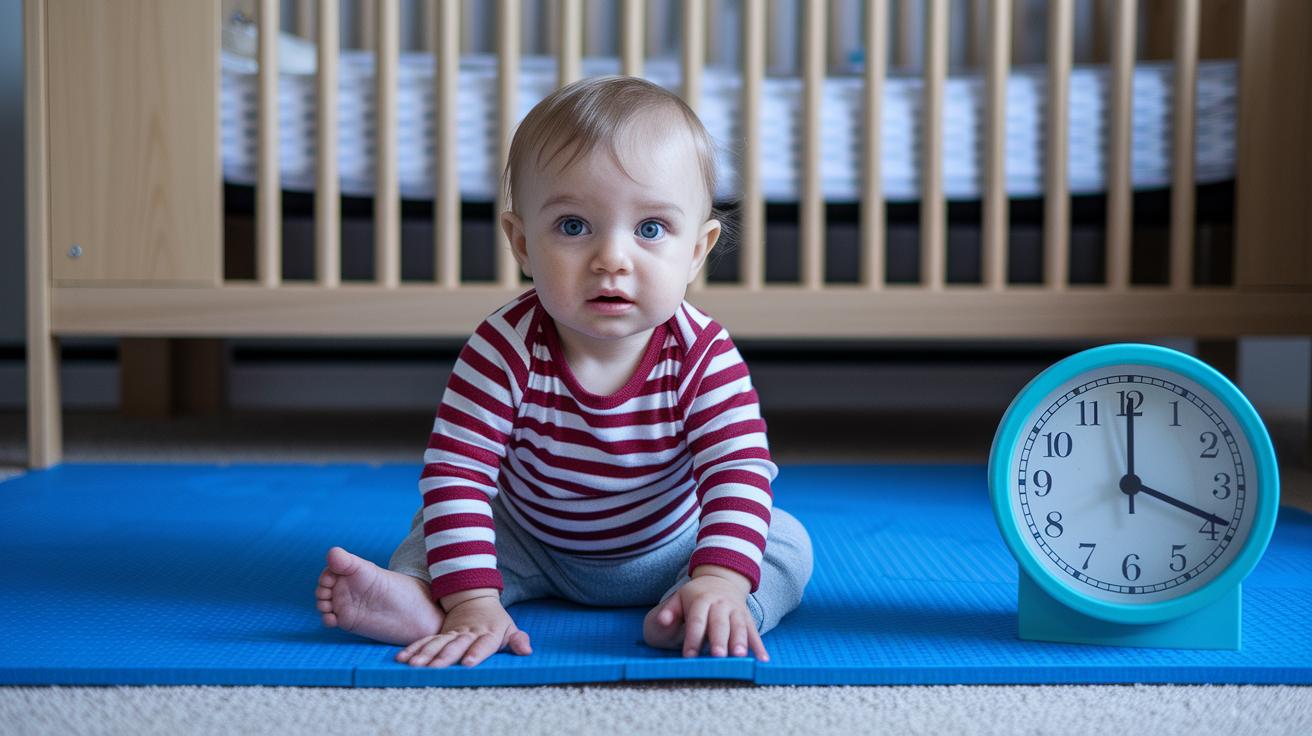
At 13 months, your little one usually follows one of two nap routines. Many toddlers take two naps a day, adding up to about 2 to 4 hours of sleep. Others move to a single nap, enjoying 1 to 3 hours of rest. In a one-nap schedule, the awake time before or after the nap can last roughly 4 to 5 hours. Both routines balance active play and much-needed rest. If your toddler isn't settling down, a small adjustment might be just what you need.
| Nap Schedule | Typical Times | Duration | Wake Window |
|---|---|---|---|
| Two-Nap Schedule | Morning and afternoon | 2–4 hours total | Approximately 3–4 hours |
| One-Nap Schedule | Midday | 1–3 hours total | Approximately 4–5 hours |
Keep an eye on your child’s signals. For example, if your toddler starts resisting a nap, try cutting back the nap by 15–30 minutes or shifting the start time a bit. Little tweaks like these can help you find a routine that fits your child's needs perfectly, making the day joyful and the night full of sweet sleep.
Managing Night Awakenings and Sleep Regression at 13 Months

At 13 months, many parents notice that nighttime routines can start feeling a little off. Teething can bring extra drooling, perhaps even a mild rash, and sometimes a bit of separation anxiety joins the mix, causing your little one to wake more often. It’s almost like your toddler is asking for extra comfort after a big growth spurt. For example, you might hear your baby grunt or cry out when teething makes their gums sore, a sound many parents know all too well.
With a bit of loving care and the right sleep routine, most toddlers soon find their way back to a more settled night. A soft cloth to gently wipe away drool can bring a bit of relief, while an extra cuddle or a quiet lullaby might just do the trick to ease them back to sleep. And if these night-time disruptions stick around, it can be helpful to chat with a pediatric sleep expert who specializes in these little sleep challenges.
Effective Sleep Training Techniques for a 13-Month Schedule
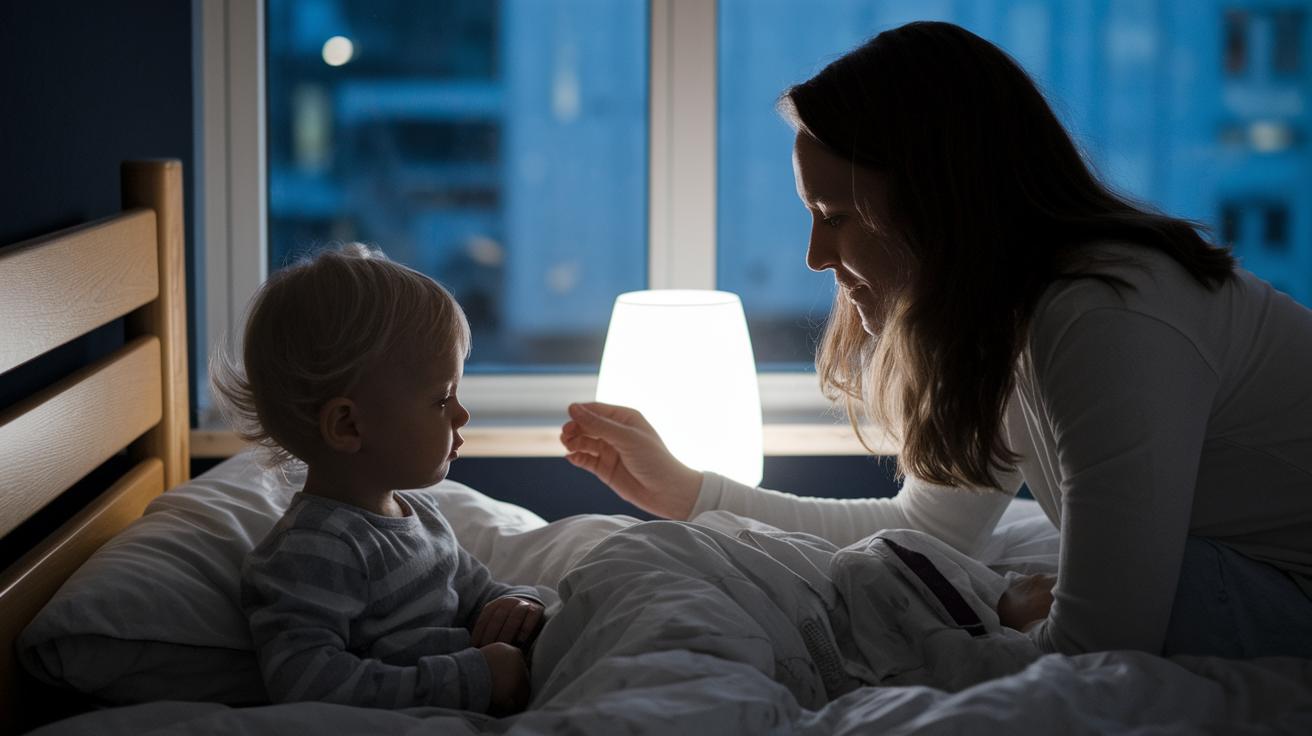
When picking a way to help your child sleep, choose a method that fits your family. Some parents gradually lessen the help, gently encouraging their toddler to soothe themselves. Others use controlled comforting, offering a little reassurance before stepping back. Think of it like softly lowering the volume on a favorite lullaby until it fades away.
Sticking with the same calming routine every night is key. A consistent approach helps your toddler learn to sleep on their own. Whether using a gradual fade or controlled comforting, keep your responses steady. And don’t forget to follow safe sleep tips, like always placing your baby on their back until they can turn over by themselves, then letting them find a comfy position.
Sometimes, things may not go perfectly. If your toddler seems unsettled or resists the routine, try a gentler approach or wait just a bit longer before stepping in. With small adjustments over time, you’ll create a sleep routine that feels just right for your family.
Tracking and Tweaking Your 13-Month-Old Sleep Routine Over Time

Keeping a sleep log is a simple way to notice small changes in your child's routine. Writing down nap lengths, nighttime sleep, and how long they stay awake can help you spot tiny shifts, like a different mood or how quickly they fall asleep.
If you see naps getting shorter or sleep times shifting, try extending the awake period by 15 to 30 minutes. For instance, if your little one begins to resist naps, gently delay the start or shorten the nap time. These small adjustments can keep bedtime cozy and predictable as your child grows.
And if sleep troubles seem to keep happening, it might be a good idea to check in with your pediatric team. They can offer extra tips to help fine-tune the routine and ensure your child continues to get the restful sleep they need.
Final Words
In the action, we explored the basics of a 13 month old sleep schedule. We talked about total sleep needs, balancing nighttime rest with daytime naps, and what cues to watch for.
We also looked at bedtime consistency, managing night wakings, and gentle sleep training techniques. Tracking sleep progress lets you fine-tune routines to fit your little one’s needs.
Every step supports a safe, comforting routine, making those sweet moments of rest even more special. Enjoy the process and celebrate each peaceful night.
FAQ
What is the recommended nap schedule for a 13-month-old?
The recommended nap schedule for a 13-month-old means you can choose between one nap lasting 1–3 hours total or two shorter naps of about 60–120 minutes each, based on your child’s cues.
How do sleep schedules differ between 12, 13, 14, and 15-month-olds?
The sleep schedule evolves as your child grows; a 12-month-old may take two shorter naps, a 13-month-old might start a one-nap option, and by 14 or 15 months many transition to a more consolidated sleep routine.
What is the 3-3-3 rule for baby sleep?
The 3-3-3 rule suggests organizing your baby’s day into segments of roughly three hours awake, followed by sleep periods that total around three hours by day, helping to balance activity and rest.
What time should a 13-month-old go to bed?
A 13-month-old typically benefits from a bedtime around 7:00 to 8:00 p.m., which supports a consistent routine and helps secure a long, restful night’s sleep.
What are typical wake windows for a 13-month-old?
A 13-month-old generally has wake windows of about 3 to 4 hours between sleep periods, offering enough time for play, meals, and gentle winding down before the next sleep session.
What factors can cause sleep regression at 13 months?
Sleep regression at 13 months may happen due to teething, growth spurts, or separation anxiety. Using soothing techniques and maintaining a calm routine can help your little one return to steady sleep.