

Have you ever thought that adjusting your 15-month-old's sleep routine might bring a little more ease to your evenings? Many parents have discovered that aiming for a cozy bedtime around 7 pm can make a big difference at home.
At this age, your little one needs between 12 and 15 hours of sleep each day to stay refreshed, from those midday naps to a bright and cheerful morning. In this post, I'll share some simple, real-life tips to help you create a sleep schedule that fits your family's needs.
Here’s to calmer nights and joyful mornings ahead!
15 month old sleep schedule: Happy Nights Ahead
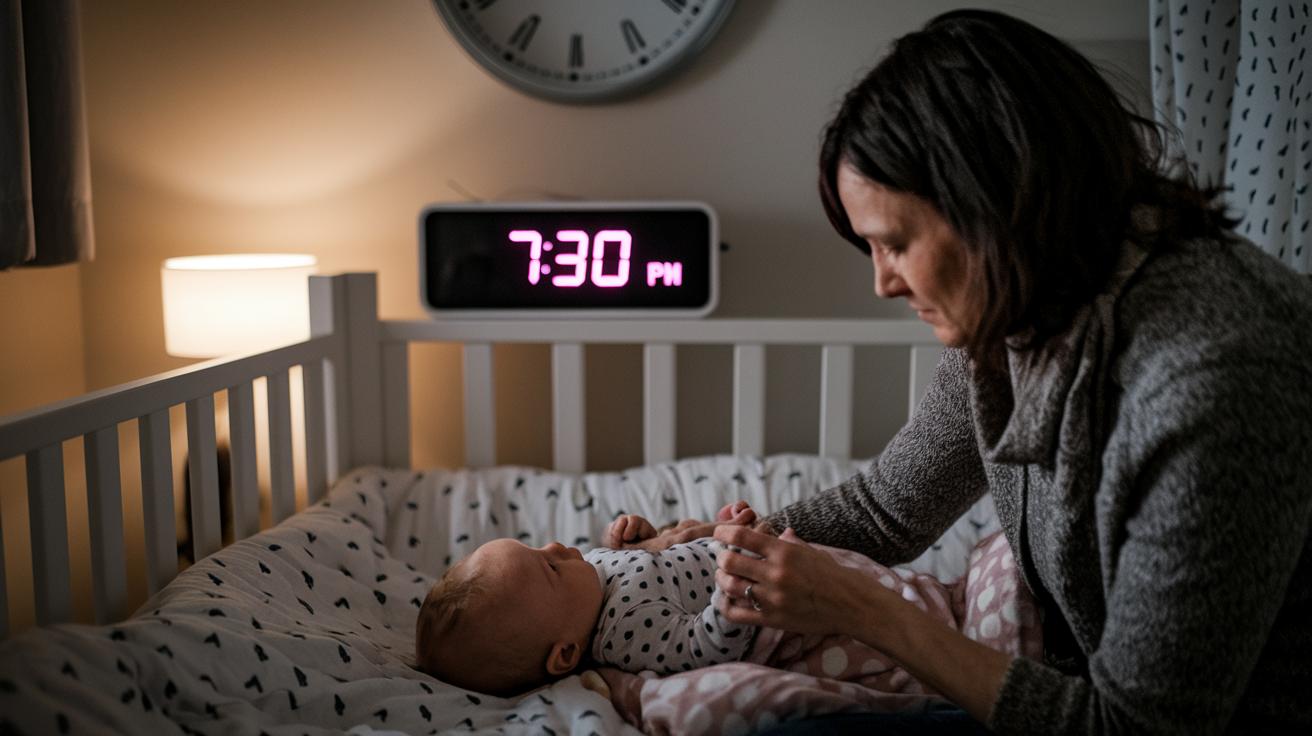
At 15 months, your little one usually needs about 12 to 15 hours of sleep every day. This generally means around 10 to 12 hours at night and a cozy 2 to 3 hours split into naps. Imagine it like the soft, rhythmic hush of a lullaby that calms your baby before sleep.
Trying to get your child to bed between 7:00 pm and 8:00 pm can help create a calm, safe atmosphere that minimizes those midnight wake-ups. A steady routine like this might just be your secret weapon for easier nights and brighter mornings.
Here are some friendly tips to shape a sleep schedule that works for your child:
| Tip | What to Do |
|---|---|
| Nighttime Sleep | Aim for about 11 to 12 hours of sleep at night. |
| Naps | Plan for roughly 2 hours of nap time during the day. |
| Morning Light | Let natural light in within 30 minutes of waking to start the day right. |
| Screens | Avoid screens and bright lights the hour before bed so melatonin can do its job. |
These gentle, tried-and-tested ideas help set up a loving and predictable sleep routine. Remember, every child is unique, so these suggestions can be tweaked to match your little one’s natural cues. Enjoy this precious time as you help your baby find their own perfect sleep rhythm.
Structuring Naps in Your 15 Month Old Sleep Schedule

At 15 months, many little ones may find themselves switching between two naps and a single, longer nap, getting about 2 to 3 hours of sleep during the day. When your toddler enjoys two naps, try to keep them awake for around 3¼ to 4 hours before the morning nap and then about 3¾ to 4 hours before the afternoon nap. If you start to notice your child rubbing their eyes, yawning, or feeling a bit fussy, it's a gentle hint that nap time might be coming up.
If you're moving toward a single nap each day, try shifting the afternoon nap earlier by about 30 minutes over one or two weeks. Aim to have that mid-day sleep after about 5 to 5½ hours of playtime. Most toddlers tend to love a longer nap that lasts between 1½ and 3 hours. Watching for those signals like eye rubbing or a drop in energy can really help you fine-tune the schedule while keeping the day predictable and soothing for your baby.
These tips can help you build a steady nap routine that meets your toddler’s unique needs, ensuring they get the rest they need while keeping your day running smoothly.
Setting the Optimal Nighttime Sleep for 15 Month Olds

At 15 months, your little one thrives on about 10 to 12 hours of sleep, which helps make the evening feel calm and restorative. A steady bedtime between 6:30 pm and 7:30 pm lets your toddler know that the day is winding down, much like a gentle whisper that it’s almost time for dreams.
A 45-minute wind-down routine works wonders. Dim the lights and enjoy a few quiet moments together, reading a favorite book or engaging in soft play, to create that soothing feel. Picture the room slowly softening like the glow of twilight, easing your child into a peaceful state of rest.
Keeping screens and bright lights out at least an hour before bed reinforces those natural sleep cues. If your child feels a bit uneasy in the dark, a comforting nightlight can help. And if a pacifier brings extra comfort, keeping a spare close by in the crib might just be the sweet extra touch they need.
Managing 15 Month Old Sleep Challenges and Regressions

At 15 months, it might seem like bedtime suddenly gets a lot more challenging. Your little one could be waking up more often during the night, and it might be because of teething, a touch of separation anxiety, a mild illness, or even just hunger. It never hurts to check that the room feels comfy, not too warm, and to look for any signs that teething is causing discomfort. Sometimes, a small tweak in the feeding schedule can really help.
Sleep regressions at this age might last for a couple of weeks, usually around 2 to 3, as your toddler hits new milestones. One gentle approach is to help them settle back to sleep using soft, gradual techniques. When they stir awake, try offering a kind pat or a few soothing words to ease them back into a cozy slumber without adding new sleep habits.
Here are a few tips to keep in mind:
These small changes can really help your toddler feel secure and understood during nighttime disruptions. If you're looking for more helpful ideas about sleep triggers and ways to ease these challenges, checking out additional infant sleep regression guidance might be just what you need.
Integrating Nutrition and Activity with 15 Month Old Sleep Schedule

At 15 months, it's all about mixing good food and fun activities to help your little one sleep better. Try to serve three hearty meals with 16–20 oz of whole milk each day. Having meals about 30–60 minutes before naps gives them a chance to settle without feeling too full. And don’t forget a bit of morning outdoor play right after waking up, it helps set a natural sleep rhythm.
Before nap time or bedtime, slow things down a bit. A quiet activity like reading a favorite book, solving a simple puzzle, or a gentle cuddle can help ease your child into calm. Remember, solid foods are the star while milk plays a supporting role. Matching feeding times with bursts of playful energy and relaxed family moments creates a balanced day that boosts their sleep and overall growth.
Keep an eye on those little signals, a yawn here or a hungry cry there, and adjust the routine as needed. Trust your instincts and celebrate each day of progress.
Adjusting 15 Month Old Sleep Schedule for Milestones and Growth

When your little one starts crawling, walking, or saying new words, even a tiny change in their day can shift nap times by 15 or 30 minutes. You might see them rubbing their eyes or yawning a bit more, or even get a little fussy. These signs tell you that their growing body might need a slightly longer wake window before rest. For instance, if you notice more yawning, try nudging their wake time by 15 or 30 minutes and see if that helps their nap settle in better.
On days that feel a bit more challenging than usual, it can really pay off to adjust the nap schedule. Stick to the comforting parts of your routine, like that beloved bedtime story, even if you tweak the timing a bit. This mix of flexibility and steady routine makes it much easier to handle growth spurts, teething, or any brief changes in your toddler’s needs, all while keeping a warm, reliable rhythm in your day.
Final Words
In the action, we covered a clear blueprint for a 15 month old sleep schedule that blends daily naps, consistent bedtime routines, and gentle strategies for handling sleep setbacks. We shared tips on syncing meals and play, and how to tweak routines during milestones. Parents can trust that this approach supports both rest and growth. Each step builds toward a calm, happy night, and every good sleep lays the foundation for a bright day ahead.
FAQ
What is a normal sleep schedule for a 15-month-old, including nighttime and nap needs?
How do I transition from two naps to one nap at 15 months?
What does a 15-month sleep regression involve and how can I help my toddler?
What is the 5-3-3 rule for toddler sleep schedules?
How do 16-month and 18-month sleep schedules compare to a 15-month-old’s schedule?