
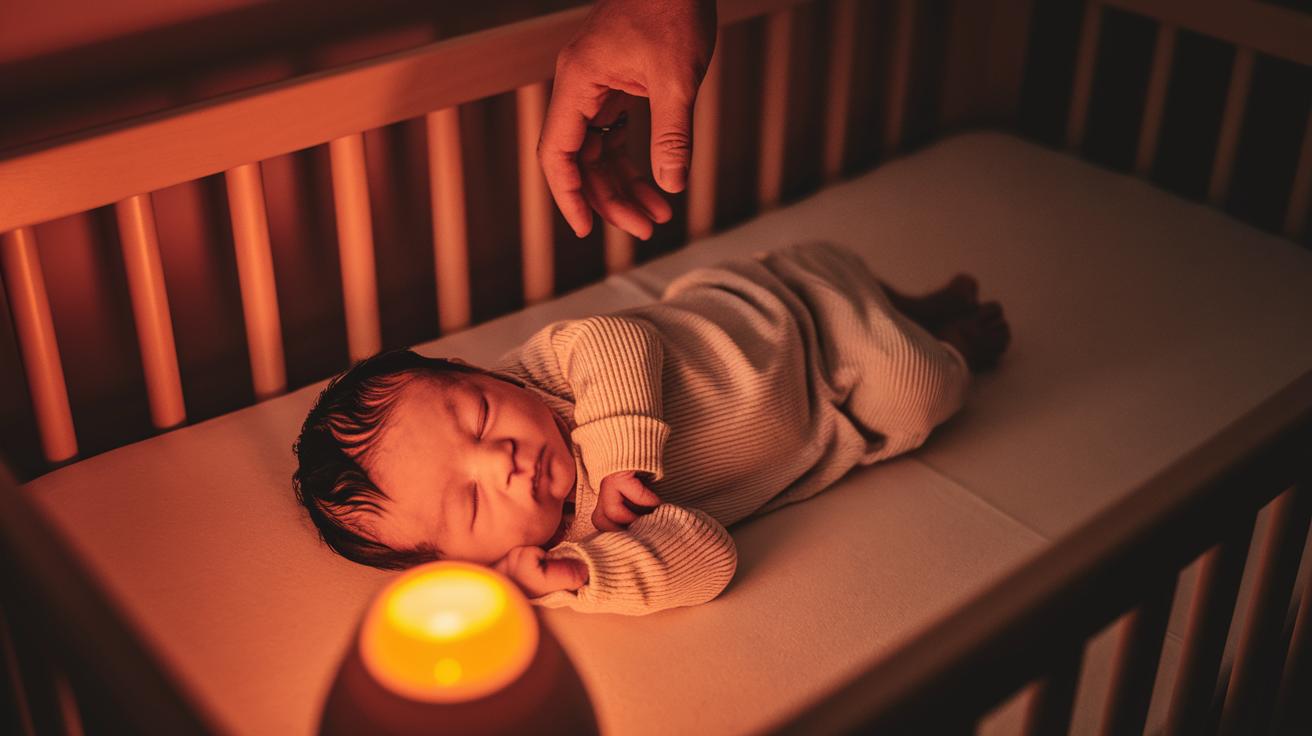
Have you noticed how your two-month-old’s sleep can feel so unpredictable sometimes? Even those tiny sleep cycles play a big role in your baby’s growth. At this stage, your little one really benefits from a gentle mix of daytime naps and peaceful nights. I like to think of their sleep as soft lullabies that wrap around them, building calm and cozy nights.
In this guide, we share a few ideas to help you create a loving sleep routine, tune into your baby’s little signals, and even learn to enjoy the sweet chaos of early sleep habits.
Comprehensive Guide to a 2-Month-Old Sleep Schedule

At two months old, your baby is just beginning to find their own sleep rhythm. They usually need about 15.5 hours of sleep in a 24-hour period and get roughly 5 to 6 hours of that during daytime naps. These little naps are key for helping their brain and body grow.
Even when they're awake, your baby has short bursts of alert time known as wake windows, typically lasting between 45 and 105 minutes. These windows are perfect for some cuddles, feeding, or gentle play. It’s completely normal for these patterns to be a bit unpredictable since their internal clock is still developing.
Here’s a quick look at what you might expect:
| Sleep Detail | Amount |
|---|---|
| Total Sleep | About 15.5 hours per day |
| Nap Count | 4 to 6 naps |
| Nap Duration | 10 minutes to 2 hours |
| Wake Windows | 45 to 105 minutes |
Flexibility is key when managing a 2-month-old’s sleep schedule. Instead of sticking rigidly to the clock, try to follow your baby’s cues. If you notice signs like eye rubbing or a little fussiness, it might be time for a nap, even if it’s a bit off the usual routine. Trust that these gentle signals are guiding you.
Above all, create a calm, cozy environment for your little one. Their schedule might change here and there, and that’s perfectly okay. Every day brings a new moment of wonder, and you’re exactly where you need to be to help them rest and grow.
Typical Nap Patterns for Two-Month-Old Sleep Schedules

Many parents notice that their little one takes about 4 to 6 naps a day, adding up to roughly 5 to 6 hours of daytime sleep. But did you know that the room’s environment can make a big difference? A softly lit, quiet room can help your baby nap longer, much like a gentle lullaby helps soothe them into a deeper sleep. Keeping the room at a steady temperature with soft lighting and low noise creates a perfect space for a restful nap.
Sometimes, a short nap isn’t about needing less sleep, it might be due to small interruptions. A sudden change in light or even a stray sound can cut a nap short even if your baby is really tired. Try using a soft white noise machine to set a peaceful mood. This small change can help calm your little one and turn a brief nap into a refreshing pause.
Always watch for your baby’s signals. If you see their eyes getting heavy or they seem a bit fussy, it might be time to adjust the room settings. And if a nap ends sooner than expected, lowering the lights or offering a comforting cuddle could help guide them back to a deeper rest.
Sleep Schedule 2 Month Old: Calm, Cozy Nights

This guide is a simple, caring plan to help you and your little one enjoy calm and cozy nights. It suggests balancing feeding times, naps, and play with a gentle routine that fits naturally into your day. The plan works with about 60–90 minutes between wake times and feeds every 2–3 hours, allowing you to adapt if you notice your baby needing extra rest. Each step is designed to help your baby feel safe and relaxed, slowly easing into a steady bedtime routine.
| Time | Activity |
|---|---|
| 7:00 AM | Wake Up & Feed |
| 8:30 AM | Morning Nap (60-90 minutes) |
| 10:00 AM | Feed & Gentle Play |
| 11:30 AM | Short Nap or Quiet Time |
| 1:00 PM | Feed & Awake Time |
| 7:30 PM | Bedtime Routine (Feed, Cuddle, Sleep) |
Building a Calming Bedtime Routine for Your 2-Month-Old
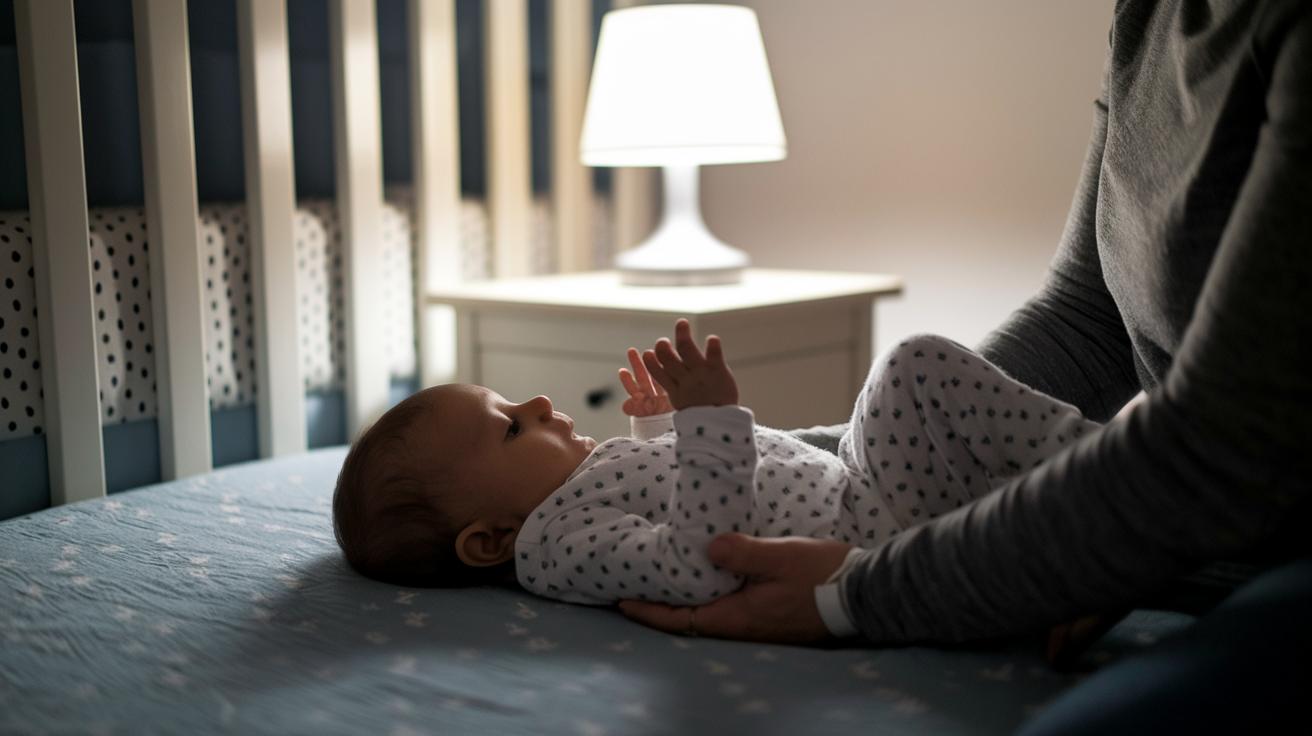
Start your evening with a gentle diaper change. It's a small, comforting act that sets the stage for a quiet night. Think of it as the very first soft note of a lullaby, whispering to your baby that it's time to relax.
Next, dress your little one in cozy pajamas and offer a little feed. The calm, loving atmosphere in these moments helps your baby feel safe and ready for sleep. It’s like wrapping them in a warm promise of comfort that soothes away any fuss.
Then, spend a few calm minutes reading a story or singing a soft song. Following a steady routine, maybe a warm cuddle followed by a gentle melody, lets your baby know that bedtime is near. This familiar pattern builds trust and makes it easier for your baby to drift off.
Finally, end the routine with a tender lullaby or some gentle rocking. This last little act reassures your baby and signals that it's time for peaceful rest. Keeping these steps in the same order every night creates a nurturing haven that supports both your baby's growth and a good night's sleep.
Integrating Feeding and 2-Month-Old Sleep Timing
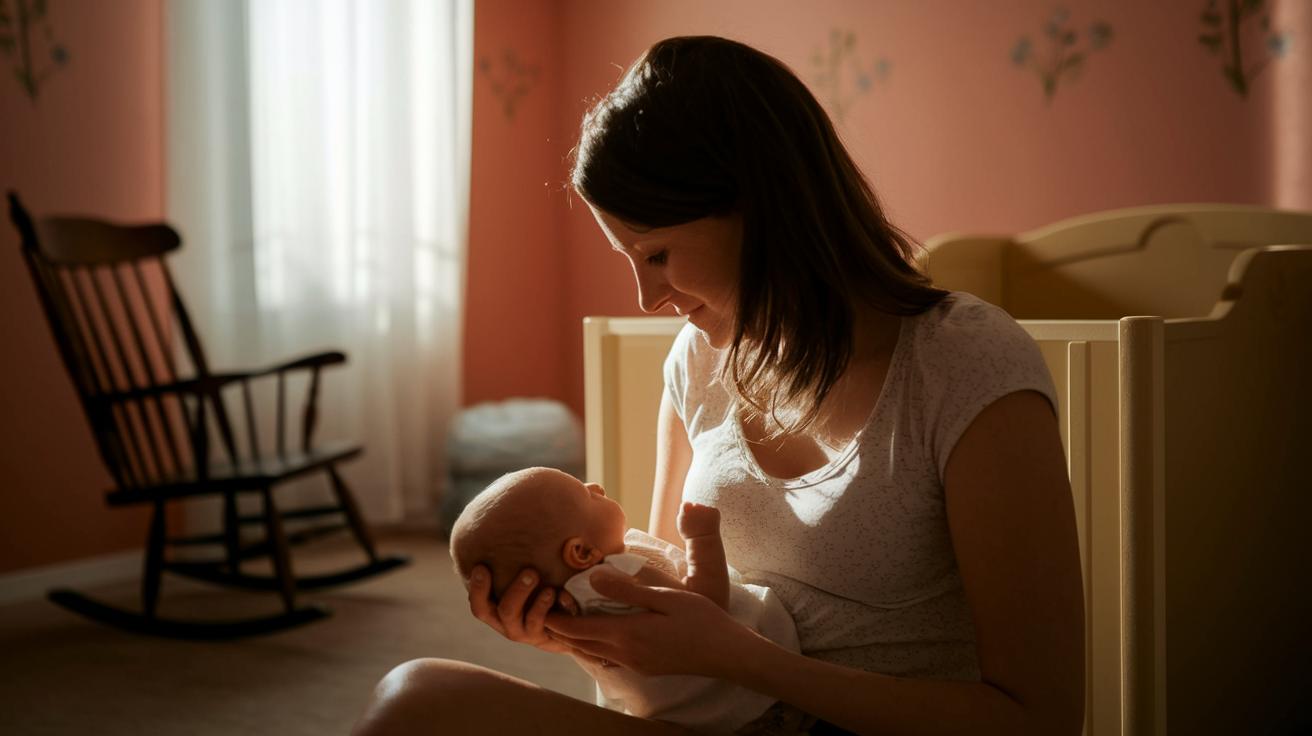
At this stage, most little ones feed every 2 to 3 hours, nibbling throughout the day to keep up with their fast growth. A gentle morning feed can set the tone for a day of alert moments, while another small feed later helps bridge the gap to those snug afternoon naps. Setting a routine that follows your baby’s natural cues creates a cozy space that supports both digestion and sleep.
Pairing feeds with naps can make settling down much simpler. Research suggests that giving a feed about 10 to 15 minutes before nap time acts like a soft signal, gently telling your baby that it’s almost time to rest. You might notice those tired eyes beginning to flutter, just the cue you need to offer a quick feed that eases the transition. This thoughtful timing not only satisfies hunger but also soothes your baby as they drift off into sleep.
When it comes to bedtime, how you time the feed is key. A very large feed right before sleep might leave your little one feeling uncomfortable, which may lead to a bit of fussiness or extra wiggles when you’d rather they rest. Instead, try a modest feed finished about 15 to 20 minutes before bedtime. This little window helps your baby comfortably digest and settle into a calm, peaceful night’s sleep.
Troubleshooting Common Sleep Challenges for a 2-Month-Old

Your little one’s naps might feel surprisingly short right now, and that’s perfectly normal. At two months, their sleep cycles are still learning the ropes. It’s like settling into a new routine, you might stumble a few times until everything finds its rhythm.
Sometimes, when a baby is showing signs like rubbing their eyes, getting a bit fussy, or having trouble settling down, it means they might be too tired. Have you ever noticed your baby acting a bit more irritable before nap time? These little cues are their way of saying it’s time to rest. Trusting these signals can sometimes work much better than sticking strictly to a schedule.
The key is to remain flexible. Instead of a rigid routine, try adapting to your baby’s day-to-day needs. Some days, shifting the nap time or adjusting the pre-nap routine might be all that’s needed to help them relax and doze off. And if you ever feel concerned because the sleep challenges continue, consider chatting with your pediatrician. It’s a comforting step to ensure your baby’s on the right track.
Safe Sleep Practices for Your 8-Week-Old's Sleep Schedule
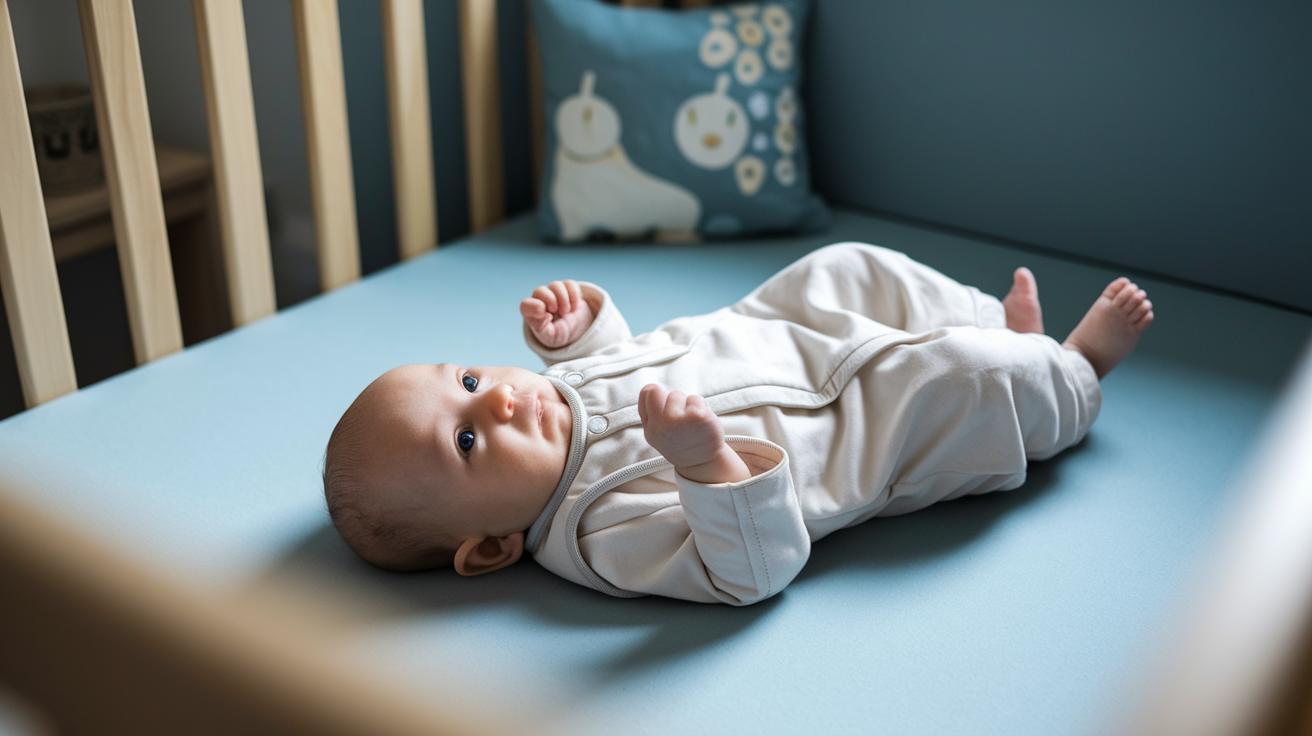
Placing your little one on their back when they sleep is the safest choice. Many caring parents trust this simple step to keep their baby secure and sound. If you’d like more tips, check out the safe sleep guidelines for infants (click here: safe sleep guidelines for infants). It truly helps create a safe, cozy sleep space.
When your baby starts to roll, it might be time to switch from a swaddle to a sleep sack. This gentle change lets your little one move more freely while still feeling snug and protected. Swaddling is a comforting embrace at first, but a sleep sack grows with your baby and adapts as they explore their world.
Keep an eye on the sleep area by removing loose bedding. Choosing sleepwear that matches the room’s temperature can also help avoid overheating. A calm, carefully arranged sleep space sets the stage for peaceful nights and a happy, healthy baby.
Final Words
In the action, we recapped tips on supporting a sleep schedule 2 month old, touching on total sleep needs, nap frequency, flexible routines, and safe sleep practices. We talked about spotting cues and making simple adjustments that fit your baby's emerging patterns.
Overall, each tip helps you feel more confident, from syncing feeding with sleep to creating a calming bedtime ritual. Small changes can bring comfort, safety, and rest, leaving you both happy and well-rested.
FAQ
What is an easy routine for a 2-month-old?
An easy routine for a two-month-old includes short wake windows, frequent feedings, and several brief naps. This gentle structure helps the baby feel secure while adapting to daily rhythms.
What is a realistic feeding and sleeping schedule for a 2-month-old?
A realistic schedule for a two-month-old balances feedings every 2–3 hours with 4–6 naps throughout a day of about 15.5 hours of sleep, paired with wake windows lasting 45–105 minutes.
How many hours should a 2-month-old sleep at night?
A two-month-old typically gathers about 8 to 9 hours of sleep during the night, spread across different segments as they still wake for feedings and comfort.
How is the nap schedule for a 2-month-old structured?
A two-month-old usually takes 4–6 naps daily, with each nap lasting anywhere from 10 minutes to 2 hours. These short sleep bursts fit between brief wake periods to help them rest.
What is a typical sleep schedule for a 3-month-old?
A three-month-old often starts to show longer stretches of nighttime sleep with fewer naps during the day, yet still totals around 14–15 hours of sleep across 24 hours.
How long should a 2-month-old sleep at night without eating?
At two months, a baby may sleep for 3 to 4 hours in a stretch at night without eating, as their sleep cycle begins to consolidate and feeds gradually become more spaced out.
Why isn’t my 2-month-old sleeping deeply?
A two-month-old’s sleep is often light because their sleep cycles are still developing, and frequent wake-ups for feeds or comfort are part of a normal growth pattern.
What time should a 2-month-old go to bed?
Most parents find that a bedtime between 7:00 and 8:00 pm works well for a two-month-old, providing a consistent routine that leads naturally into a peaceful night’s sleep.
What is the 5-3-3 rule for feeding?
The 5-3-3 rule for feeding is a guideline that encourages around five feeds per day, with baby-centered timing based on hunger cues, balanced by short, regular intervals that keep nourishment steady.
What is the 10-5-3-2-1 rule for sleep?
The 10-5-3-2-1 rule for sleep lays out a quick, step-by-step bedtime routine—starting with 10 minutes of quiet time, 5 minutes of a gentle lullaby, 3 minutes of rocking, 2 minutes of cuddling, and 1 minute of final wind-down to signal bedtime.