

Does your little one only drift off when they’re held close? Think of a warm cuddle that feels just like a soft heartbeat, similar to the gentle comfort they felt in the womb. When you hold your baby, it’s like a quiet lullaby that makes them feel safe and understood. In this post, we’ll explore how a simple embrace calms your baby and helps build healthy sleep habits. Let’s look at why this comforting touch matters and share a few ideas to help your little one rest peacefully.
How Holding Supports Newborn Sleep: Biological and Attachment Reasons
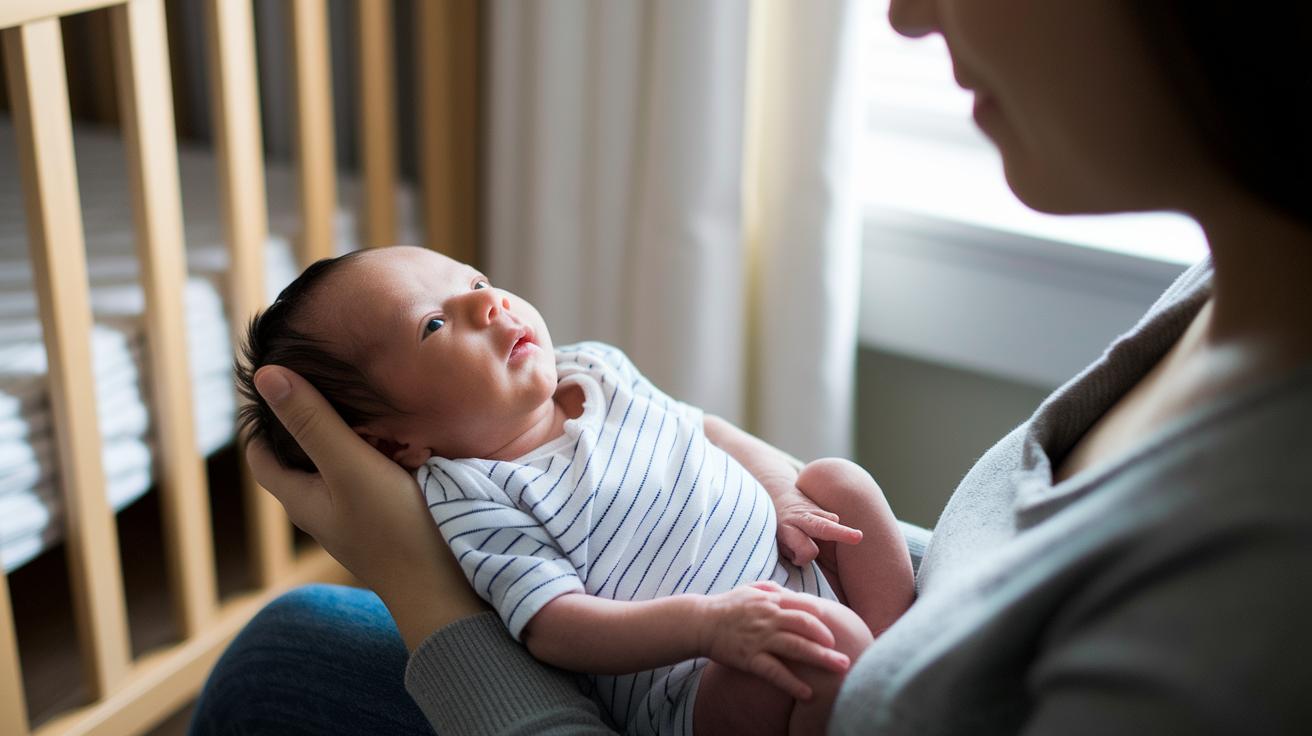
Newborns naturally seek that cozy vibe they felt in the womb. When you hold them close, their skin touches yours, bringing back memories of gentle heartbeat rhythms and a soothing, rocking embrace. It's like a lullaby just for them, reminding them of the soft pulses and constant movement they once knew. Being held gives your baby that secure feeling they crave, almost like a warm, safe hug that tells them everything’s okay.
At this stage, little ones haven't quite figured out regular sleep patterns. Their body clocks are still learning, and even a small change in the room, like a different light or a new sound, can wake them up. Plus, the startle reflex, also called the Moro reflex, can make them jump awake if they’re not snugly wrapped or held. Because they can’t soothe themselves yet, holding provides that reliable comfort they need. And remember, every parent’s journey to better sleep routines is a learning curve, and each small step really counts.
Here are some common reasons why holding is so important:
- Overfeeding discomfort
- Changes in the room temperature or lighting
- Sensitivity to unfamiliar sounds
- Overstimulation from a busy day
The gentle sway of your arms not only eases their stress but also helps them breathe more steadily. When babies fall asleep in your arms, the steady warmth and soft pressure build a natural sleep association. This cozy closeness helps keep their body temperature just right and calms their heart rate by reducing stress hormones. In essence, every cuddle not only comforts your little one but also lays the foundation for peaceful, nurturing sleep.
Ensuring Safe Holding Practices During Infant Sleep

Holding your baby is a beautiful way to help steady their heart rate and breathing, but safety always comes first. When your newborn snoozes on your chest on an adult bed or couch, the risks can go up. Instead, it’s best to move your little one into an in-room bassinet. This safe spot, suggested for at least six months, offers a firm mattress, supports a safe back-lying sleep position, and avoids loose bedding or soft toys. Together, these steps help lower the risk of SIDS. For more details, check out the core safety tips on safe sleep guidelines for infants.
We know how calming it can be to hold your baby. Still, keep the sleep area smoke-free to protect them. It’s okay to hold your little one for comfort during wake-ups, but be sure to return them to a secure sleep space once they’re drowsy. This gentle balance supports your baby’s natural sleep rhythms while also keeping them safe and sound.
Alternative Soothing Techniques to Reduce Reliance on Holding

When your little one always seems to want to be in your arms, it might be time to try some new ways to soothe them. A gentle introduction of familiar, calming sensations can help ease them from the comfort of your embrace to resting in their crib. For example, swaddling wraps your baby snugly, almost like the gentle hug they felt in the womb. It helps lessen those sudden startles that can wake them up.
Many parents have noticed that mimicking the feeling of being held through light, tender movements really works. A slow, gentle rocking, whether in a stroller or in a safe rocking chair, can softly lull your baby without needing to hold them all the time. A pacifier can also be a handy helper; it soothes while naturally calming their heart rate. And think about setting up a small bedtime routine, like a soft song or a short story. This tells your baby it’s time for sleep and makes the crib feel a bit more like your arms.
Here are some helpful tips:
| Tip | Benefit |
|---|---|
| Swaddle | Reduces sudden startle reflex |
| Shushing or gentle white noise | Creates calming, rhythmic sounds |
| Gentle rocking | Mimics the feeling of being held |
| Pacifier | Helps soothe and regulate heart rate |
| Calming pre-sleep routine | Signals bedtime and builds healthy sleep habits |
Stick with these methods consistently, and soon your baby might start to view the crib as a comforting place just like your arms. It can be a gentle step towards encouraging more independent sleep, which is a big win for both of you.
Step-by-Step Plan to Transition from Arms to Crib
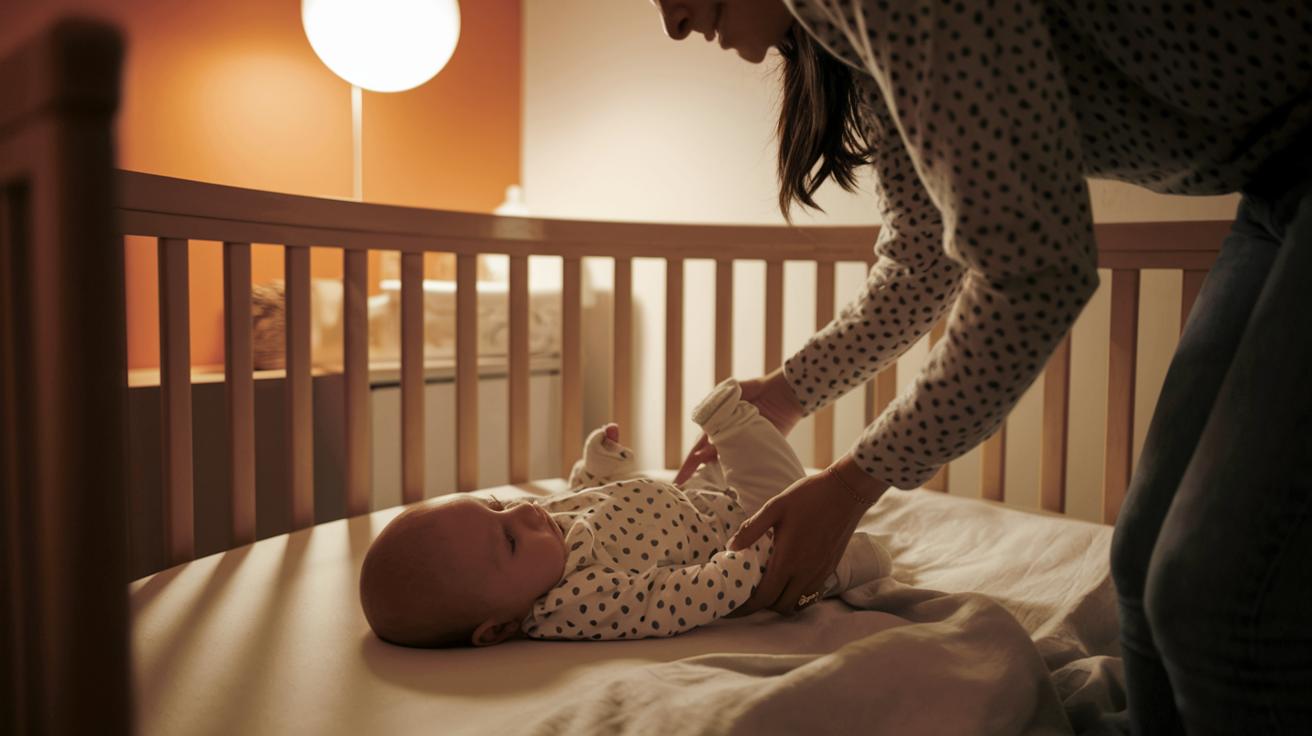
If you're ready to ease away from holding your little one all the time, try this six-step plan that builds on gentle sleep cues. Each step helps your baby feel safe and cozy in the crib, one little win at a time.
-
Log Sleep Patterns
Start by taking note of when your baby shows sleepy signs like rubbing their eyes or yawning. This helps you spot a pattern so you know when it's time for a nap. -
Establish One Crib Nap
Begin with one nap in the crib each day when your baby is drowsy but not fully asleep. This small change helps set up a new habit of falling asleep on their own. -
Lay Down at Drowsy
When your baby starts to get comfortable and relaxed, gently place them in the crib while they're still awake. It's like laying a soft, calm foundation for good sleep. -
Gentle Transfer Technique
Move your baby slowly into the crib using steady, calm motions, almost like the soft sway of a lullaby. This way, you avoid startling them awake. -
Rotate Caregiver
Ask another caring person to take over one of the sleep routines each day. This shows your baby that a safe, soothing crib can feel just as comforting no matter who is there. -
Gradually Increase Crib Time
Week by week, add one more nap in the crib. Over time, your little one will start to see the crib as a secure and loving place to rest.
| Age Range | Key Action | Typical Outcome |
|---|---|---|
| 0–3 months | Begin with short crib naps | Initial adjustment and brief sleep periods |
| 3–4 months | Increase crib nap frequency | More consistent drowsy placements |
| 4–6 months | Transition most sleep to the crib | More sleep independence and steady routines |
Crafting the Ideal Sleep Environment for Independent Infant Sleep
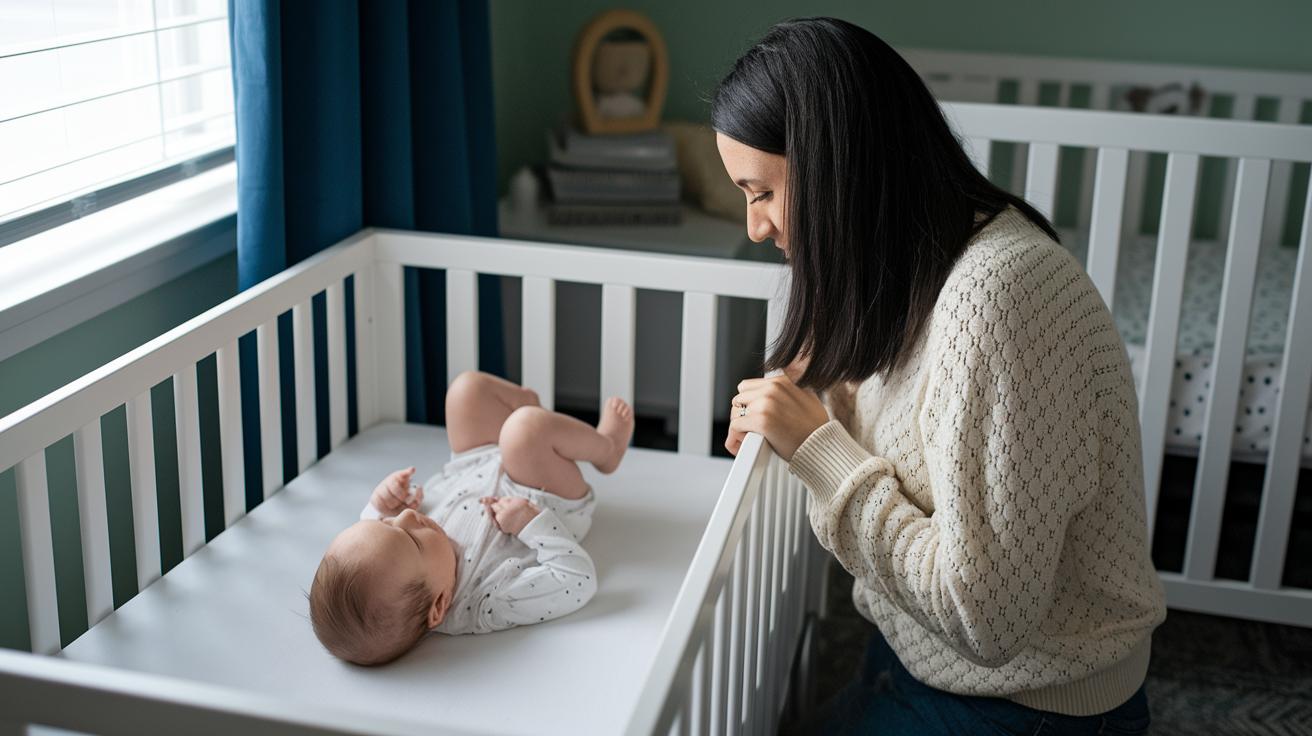
A calm sleep space makes a world of difference for your little one. Keeping your nursery at a comfortable 68–72 °F helps prevent overheating and lets your baby feel cozy. Blackout curtains at night and gently dimmed lights during naps help create a snug, sleep-friendly nook. A simple bedtime routine, maybe a warm bath, a small feed, and a soft lullaby or story, tells your baby it's time to settle down.
One great addition is a white-noise machine, set around 50 dB. This soft sound covers up sudden noises, much like the soothing whoosh that reminds you of the womb. A firm, snug mattress in a safe crib or bassinet is key to feeling secure. Always place your baby on their back, free of loose bedding or plush toys, for that extra bit of safety.
Here are a few gentle tips for the perfect sleep setting:
| Tip | Why It Helps |
|---|---|
| Set room at 68–72 °F | Keeps baby comfortable |
| Blackout curtains/dim lights | Creates a cozy, sleep-friendly space |
| Steady bedtime routine | Smooths transition to sleep |
| White-noise machine at 50 dB | Masks sudden sounds |
| Firm mattress in safe crib/bassinet | Ensures safe sleep position |
With these little tweaks, you’re setting up a loving, nurturing space where your baby can slowly learn to settle on their own. It’s all about giving them a safe haven that makes falling asleep just a bit easier.
Final Words
In the action, we explored how holding offers a comforting, womb-like feel that supports a baby's sleep while addressing challenges when a newborn won't sleep unless held. We shared easy ways to mimic that cozy feel using swaddling, gentle rocking, and white noise. We also looked at safe sleep practices and a gentle plan to shift from arms to crib, plus tips for creating a nurturing sleep environment. These hands-on ideas build a secure, peaceful space for both baby and you to enjoy peaceful rest.
FAQ
Why do many newborns and young infants only sleep when held?
This need means that babies feel safest when they experience the warmth of skin-to-skin contact, gentle motion, and familiar heartbeat sounds, which comfort them and help soothe their startle reflex.
How can I encourage my newborn to sleep without being held?
Moving toward independent sleep starts with gradual routines like swaddling, using soft white noise, and establishing a calming pre-sleep ritual, easing your baby into a safe sleep space.
What is the 3-3-3 rule for baby sleep?
The 3-3-3 rule indicates watching for three cues of sleep readiness, spending around three minutes soothing your baby, and placing them in the sleep environment within three minutes to support restful sleep.
Why might my baby sleep better in my arms and struggle when I put them down?
Your baby finds the consistent warmth and motion in your arms more soothing compared to the abrupt change when laid down; this familiar contact helps stabilize breathing and reduces discomfort from the Moro reflex.
Is there a risk of SIDS when my baby sleeps in my arms?
While holding can help regulate your baby’s breathing and heart rate, sleeping in an adult bed or on a couch is less safe. It’s best to transition your baby to a firm, safe sleep space following recommended guidelines.