

Ever wonder when your little one will finally sleep through the night? It can feel like a puzzle with all those feedings and short naps. Many babies follow a few common stages.
Some babies might begin to stretch their sleep, maybe getting six to 12 hours of rest, as early as 10 to 12 weeks old. Most find a steady sleep routine by 3 to 4 months.
I’m here to share some friendly, simple tips and real-life advice. With a little patience and a few gentle pointers, you can set clear expectations for a peaceful night's rest, for both your baby and you.
Typical Age When Infants Sleep Through the Night

Many parents dream of a full night's sleep. Sleeping through the night means your baby gets about 10–12 hours of uninterrupted rest or a solid stretch of at least six consecutive hours without needing a feeding or a change. Some little ones might start this sleep pattern around 10–12 weeks, but usually, it happens by 3–4 months.
Newborns need lots of little feeds, usually between 8–12 times over a 24-hour period. During the first month, feeding happens every 2.5–3 hours. Then, after about 4 weeks of age, you can gently encourage one longer sleep period. A handy rule of thumb is that this break shouldn’t be longer than your baby’s age in weeks plus one hour. So, for example, a 4-week-old baby should generally not go more than 5 hours between feeds.
Most pediatricians feel that if your baby is gaining weight steadily, you might be able to cut back on night feeds around 3–4 months. Of course, every baby is special, and some might need an extra feed here and there up until 9 months. It really varies – some babies settle into long sleeps sooner than others.
Remember, every baby is unique. Keep an eye on how your little one is growing and doing overall. Embracing the fact that early sleep might look a bit broken up can ease your worries. With time, your baby will naturally find their own rhythm for sleeping through the night.
Understanding What Counts as Sleeping Through the Night

Babies don’t sleep the way adults do. Their sleep comes in cycles of about 45 to 60 minutes, which means they naturally wake up 4 to 6 times each night. Even if your little one stirs, it might just be a way of soothing themselves rather than a clear sign something’s off.
Consolidated sleep is when your baby gets a longer stretch of rest without needing your help. This doesn’t mean every little noise or movement calls for a feed or cuddle. Sometimes they wake for a brief moment because of hunger, a bit of discomfort, or just to change their position. If your baby settles back down quickly without crying for too long, it’s simply part of their normal sleep pattern.
It can be worrying to see your baby stir, but these quick wake-ups are completely natural. What really counts as sleeping through the night is when your baby manages to rest in longer, uninterrupted periods.
Developmental and Biological Factors Affecting Nighttime Sleep
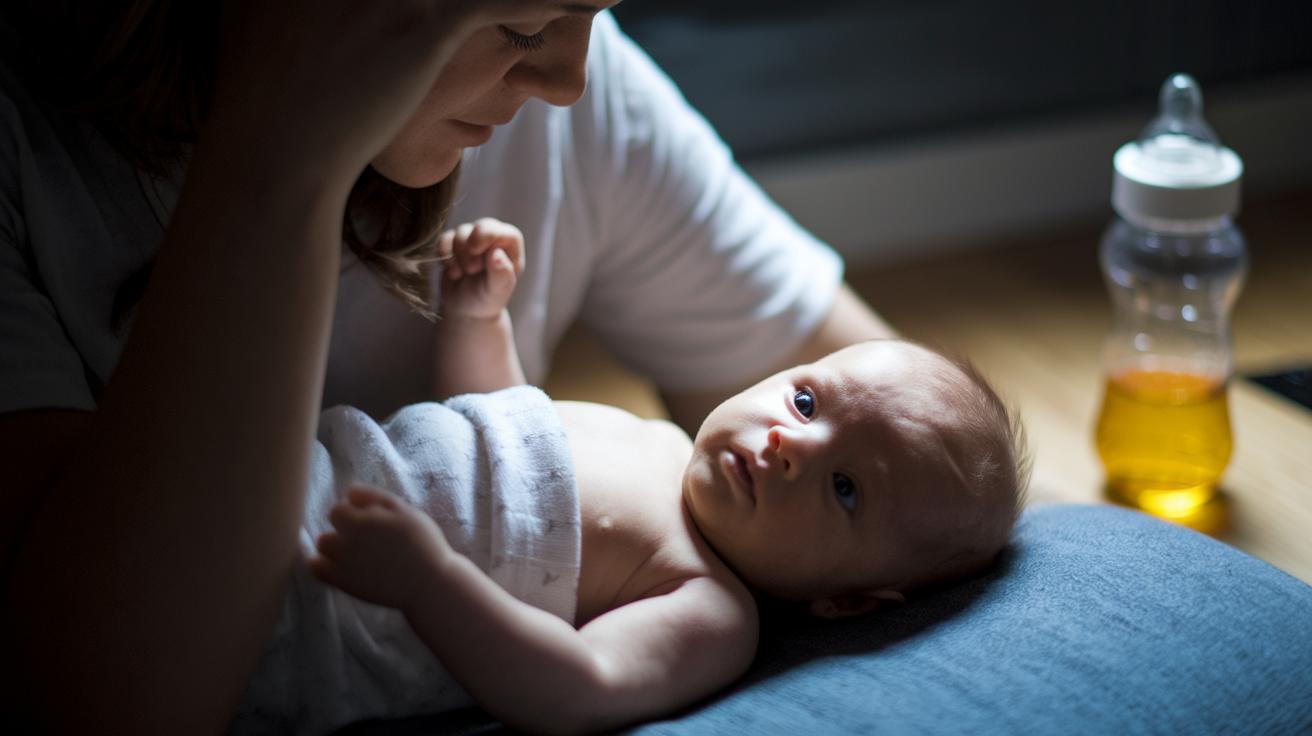
Babies wake up for so many reasons. Sometimes, little ones stir from sleep because they’re hungry, thirsty, dealing with reflux, or even feeling the discomfort of teething. Their sense of day and night is still forming, so it’s normal if they get a bit mixed up between light and dark. Often, their tiny body is simply letting you know it’s time for a quick feeding or a comforting cuddle.
Sometimes you might notice sleep changes when your baby reaches an important stage. Many infants go through a sleep shift around 4 months, again close to 6 months, or when they begin to move and explore their world. These temporary changes can feel challenging, but they’re really just signs that your baby is growing and their sleep cycle is maturing. Each little one is unique, while one might start sleeping for longer stretches early on, another might need a few extra months to settle into a smoother routine.
Aligning Feeding Schedules and Nighttime Sleep Stretches

A steady daytime feeding routine can make nighttime sleep longer and more peaceful. Newborns need to feed every 2.5 to 3 hours to grow strong, and as they reach milestones at around 4, 8, and 12 weeks, and even at 4 months, their sleep naturally lengthens. Keeping their daytime feeds consistent helps avoid a mix-up in sleep patterns where too many daytime feeds can disrupt their night rest. Have you ever noticed how a longer sleep stretch at 12 weeks can feel like a gentle nudge towards peaceful nights?
Here’s a simple guide to what you might expect:
| Age | Feeding and Sleep Tips |
|---|---|
| Newborn (0–2 weeks) | Feed every 2.5–3 hours for a gentle start. |
| 4 Weeks | Try adding a bit of extra sleep time, think the baby’s age in weeks plus one hour. |
| 8 Weeks | Encourage short wakeful periods to help with the transition to longer stretches at night. |
| 12 Weeks | If your baby naturally starts sleeping longer, it may be time to enjoy some non-feeding rest stretches. |
| 4 Months | Consistent daytime feeds can lead to safely extending night sleep and balancing their daily routine. |
Keep an eye on your baby’s growth and weight, and don’t hesitate to talk to a healthcare professional if you have any concerns about feedings or sleep quality.
Creating an Optimal Sleep Environment for Babies to Sleep Through the Night
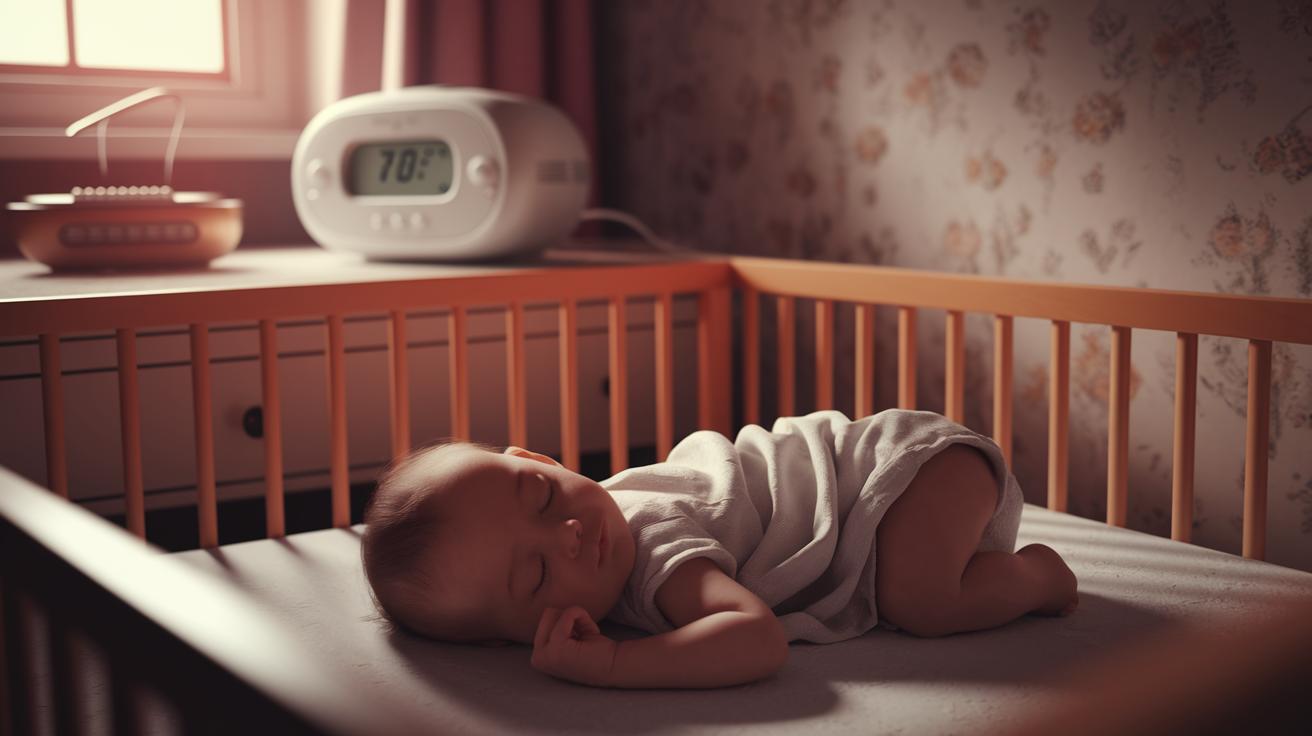
A calm, safe space really helps your baby get a good night's sleep. When everything in the room feels just right, your little one can relax easily and sleep longer without any breaks.
| Parameter | Recommendation |
|---|---|
| Temperature | 68–72 °F |
| Noise Level | White noise under 50 dB; sound source ≥ 7 feet away |
| Lighting | Dark room with optional dim night-light; avoid overstimulation |
Keeping the room between 68 and 72°F helps your baby feel cozy without being too hot or too cold. Gentle background white noise, kept below 50 dB and set at least 7 feet away from the crib, keeps sudden sounds from waking your baby up. A dark room, with a soft night-light if needed, creates a peaceful vibe that promotes restful sleep. With these small touches, you're setting up your baby for longer, consistent sleep and a happier day ahead.
Bedtime Routines to Encourage Sleeping Through the Night
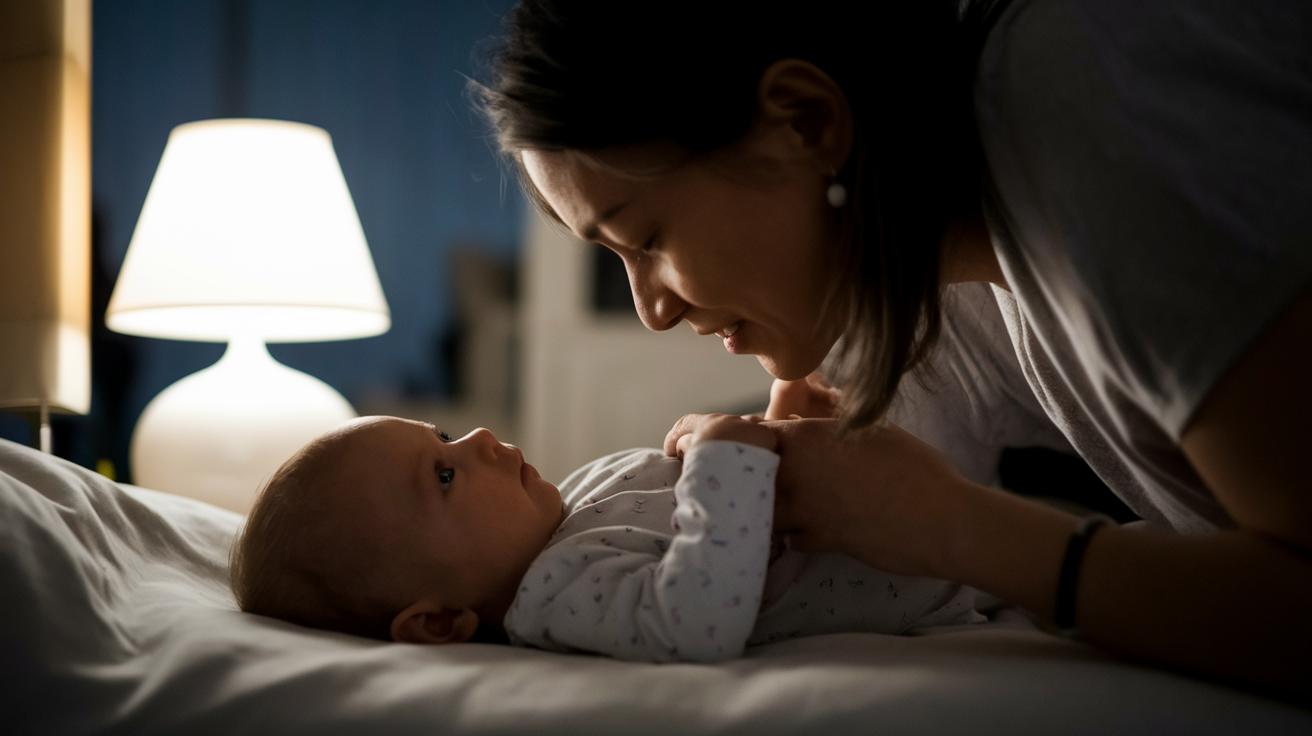
Creating a sweet bedtime routine can help your baby learn to settle on their own for longer stretches of sleep. When you form a gentle nightly ritual, it tells your little one that it's time to wind down. Start by setting a wake window that fits your baby's age. For example, a 6- to 8-week-old might be awake for about 1.5 to 2 hours, while a 3- to 4-month-old may do well with a 2.5-hour window. This way, your baby will be tired enough, but not overtired.
Having a similar sequence every evening creates a sense of comfort and calm. You might feed your baby, settle in for a quiet reading moment, and then change their diaper. Imagine saying, "Let's start with a soothing feed," and then, "After our feed, a little story and a fresh diaper help us get ready for sleep." This kind of predictable routine makes bedtime feel like a warm, welcoming pause in a busy day.
Here’s a simple guide to help build your routine:
| Step | Description |
|---|---|
| 1. Wake Window | Keep it short based on age (1.5–2 hours for 6–8 weeks, 2.5 hours for 3–4 months) |
| 2. Routine Sequence | Start with feeding, then reading, followed by a diaper change |
| 3. Crib Time | Put your baby in the crib while still drowsy but awake – it helps with self-soothing |
| 4. Brief Fussiness | A few quiet minutes of gentle fussing are okay as your baby learns to settle |
| 5. Gradual Independence | Slowly ease out of rocking or feeding to sleep to build self-reliance |
These steps nurture your baby’s ability to soothe themselves, paving the way for a longer, more peaceful night’s sleep. Enjoy this special time with your little one, it’s the perfect moment to create comforting memories and help them drift gently into dreamland.
Addressing Regressions When Infants Struggle to Sleep Through the Night

Sometimes, babies go through little changes that affect their sleep. Around 4 months, you might notice that your baby’s sleep pattern shifts as they start to grow and learn. Then around 6 months, with more movement, or between 8 and 10 months when crawling or separation anxiety kicks in, sleep can get a bit disrupted for a while.
During these times, sticking to your tried-and-true bedtime routine is your best friend. If your little one enjoys a gentle feeding followed by a story, keep that simple ritual. Even if the sleep pattern changes a bit, it doesn’t mean you need a complete new plan. For example, if teething is making things uncomfortable, a little pain relief or a favorite soothing toy can help. Imagine a calm evening where a soft toy and lullabies bring back the comfort your baby needs.
If these sleep troubles continue, especially with worries like reflux, breathing issues, or not gaining weight, it might be time to chat with your pediatrician. Their advice can help uncover any hidden issues while you maintain that warm, steady environment for your baby.
Final Words
In the action, we covered when infants can start enjoying longer sleep stretches, set up a safe room, and built bedtime steps that guide self-soothing. We also touched on how feeding schedules and growth spurts play a role in sleep patterns.
Remember, every baby is unique. If you ever wonder when an infant should sleep through the night, trust your instincts, and know you're doing wonderful by following gentle, thoughtful practices. Enjoy these cozy nights ahead.
FAQ
When should an infant sleep through the night without feeding?
The term “sleeping through the night” means a baby has about 10–12 uninterrupted hours, or at least six continuous hours of rest. Most infants make this shift around 3–4 months.
When do babies typically sleep from 7pm to 7am or for 8 hours without feeding?
Babies often start to hit longer sleep stretches, such as a 7pm to 7am block or 8 consecutive hours without a feed, around 3–4 months when they’re growing steadily.
How long should a newborn sleep without feeding?
A newborn usually feeds every 2.5–3 hours. While one longer stretch is possible as they grow, true overnight sleep usually develops only after reaching a couple of months.
What is the 5 3 3 rule for baby sleep?
The 5–3–3 rule is a guideline suggesting that, as babies grow, they may show patterns like roughly five hours of longer sleep overnight, three daytime naps, and about three hours awake between naps, though experiences can vary.
Can I let my 2‑month‑old sleep through the night?
At two months, most babies still need regular feeds every few hours, so letting them sleep the entire night without feeding isn’t typical. They’re still building strength and need frequent nourishment.
How do I get my baby to sleep longer through the night?
Establishing a calm bedtime routine, ensuring proper daytime feeds, and creating a soothing sleep environment can encourage your baby to settle into longer, self-soothing sleep stretches at night.