

Have you ever wondered if your baby’s constant need for hugs means something might be off? You’re not alone. Many caring parents feel the pull between giving plenty of warm snuggles and setting up a safe, cozy crib.
Our simple guide offers friendly, real-life tips to help your little one feel safe in their crib while still getting the comfort of your gentle touch. Have you noticed how a soft cuddle can soothe worries? Try these ideas and see how peaceful sleep wins can brighten both your evenings and your baby’s nights.
Effective Strategies When Your Newborn Won’t Sleep Unless Held

When your baby only seems to sleep when held, it’s really all about comfort. Newborns crave the gentle touch and warmth that only a parent’s embrace can provide. It’s that familiar skin-to-skin feeling that helps calm their tiny startle reflex. Still, while holding your little one feels natural, it’s important to remember that a safe sleep environment is essential to keep them secure. For more on this, please check out the safe sleep guidelines at https://bsnuggs.com?p=211.
You might try shifting your baby slowly from needing constant cuddling to becoming comfortable in their own space. Begin by watching for those sleepy moments during the day. Have a little note-taking habit to track your baby’s naps and notice when drowsiness sets in. When it’s time for sleep, share some calming cuddles, then gently place your little one in a bassinet or crib while they’re still in that drowsy state.
A few soothing techniques can also help make this transition smooth. Try adding a soft shushing sound or a gentle rocking motion to remind them of your comforting hold. You can also use a light, snug swaddle to recreate that womb-like feeling they love. Start with one crib nap each day and gradually build up to more, always watching for how your baby adapts.
Keep in mind that newborns sleep around 16 to 17 hours a day, but their patterns can be unpredictable for the first few months. This isn’t about rushing change, it’s about gently guiding your baby toward feeling safe and secure on their own. Every little one is unique. If your baby still seems distressed or clings more than usual, it might be that they need extra comfort during a growth spurt or teething. Trust your instincts and adjust the routine to suit your baby’s needs.
Understanding Newborn Sleep Dependency and Clinginess

Newborns naturally seek comfort close to their caregivers because the cozy feel of warmth, gentle movement, and that familiar heartbeat makes them feel safe, just like inside their mom’s womb. Imagine your baby snuggled in a soft blanket that feels as reassuring as a loving heartbeat. This cozy connection helps them relax and settle down to sleep.
Sometimes, a little startle wakes them up. It’s their natural reflex, making them suddenly search for your comforting touch. This little habit often shows up in the first three months and can lead to a strong need for closeness at bedtime.
Often, a night of extra clinginess might be a hint that your baby is growing or perhaps a bit hungry. It could also mean they’re feeling just a little off. In these moments, a gentle cuddle or a soft lullaby might be just what they need to feel more at ease.
Making small changes in their sleep spot, like keeping familiar scents and quiet sounds around, can slowly help your baby feel secure even when you're not right there, paving the way for peaceful and independent sleep.
Transitioning from Arms to Crib Sleep for Newborns

If you're already doing those pre-sleep cuddles and gently laying your baby down when they're drowsy, these simple ideas can help you take the next step. One lovely trick is to try a baby carrier. It lets you soothe your little one without needing to hold them the whole time, like saying, "I'm easing into bedtime with my baby carrier, keeping my baby nearby while freeing up my arms."
- A baby carrier gives you a hands-free way to keep your baby comforted at bedtime.
- If your little one gets unsettled during the switch, a light swaddle can offer a familiar, cozy hug.
- Begin with one crib nap at a time to help your baby slowly get used to independent sleep.
This thoughtful blend of cuddles and gentle transitions, with a little help from a baby carrier, can make bedtime a smoother and warmer experience for both you and your baby.
Establishing a Consistent Sleep Routine and Environment
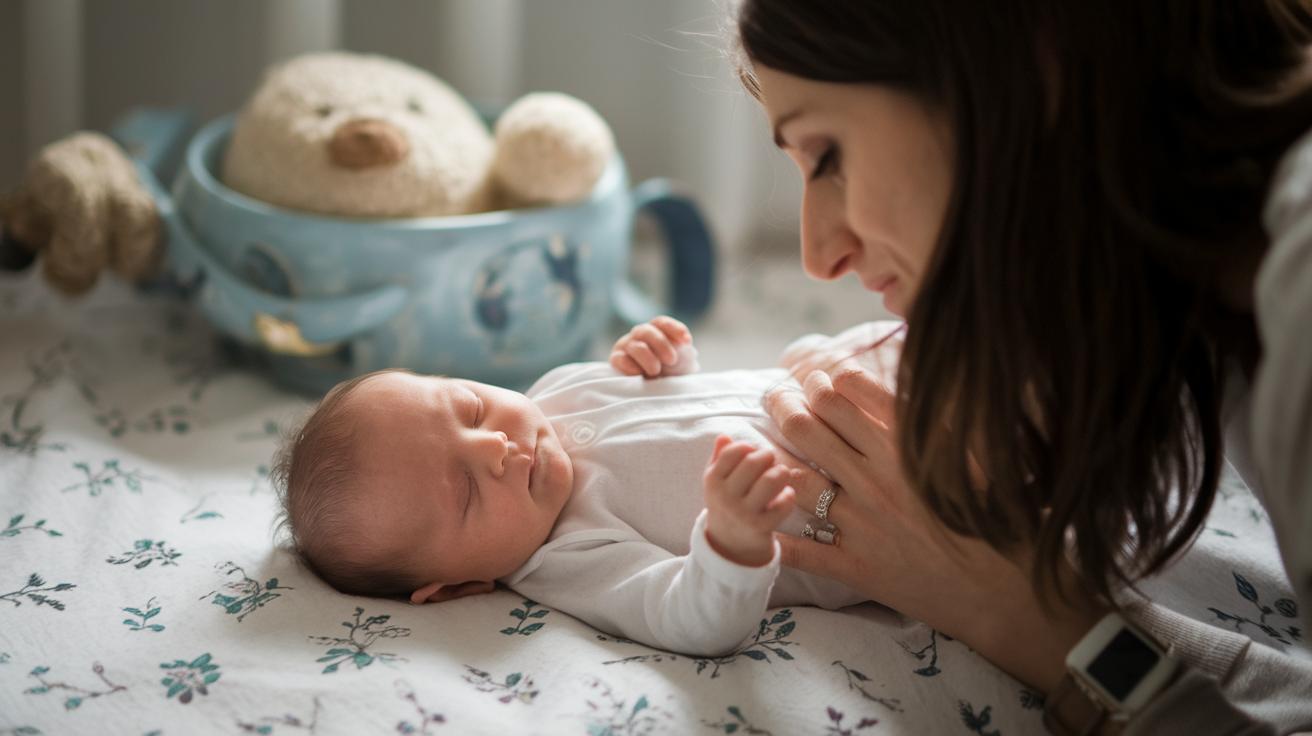
A steady sleep routine can feel like a warm lullaby for both you and your baby. A familiar schedule helps your little one understand when it’s time to relax. Picture the soft light of evening as you dim the room and quietly say, "It’s time for sweet dreams." Soon, your baby feels the calm that signals bedtime. Keeping the daytime lively and the nursery peaceful at night teaches them the difference between play and rest.
Try adding a few gentle rituals before bed. A short story, a tender lullaby, or a few extra cuddles when they’re a bit fussy can help create a calm atmosphere. A cozy room temperature around 68-72°F works wonders, making it easier for your baby to drift off safely. Soft background sounds, like white noise or gentle tunes, act like a comforting hum that shields them from sudden household noises.
- Stick with a regular bedtime routine every night.
- Keep daytime and nighttime settings distinct.
- Use soothing sounds to help signal that sleep is near.
This simple routine isn’t just a way to encourage sleep, it’s a nurturing ritual that wraps your baby in consistent, loving care and paves the way for more independent sleep over time.
Addressing Sleep Setbacks and Regression Signs

Sleep setbacks are a normal part of early babyhood. When your little one is around 3 to 4 months old, their body clock starts to find its rhythm, and you might notice changes in nap lengths or more nighttime wake-ups. It's not unusual for sleep to become a bit more unpredictable, especially if your baby is teething, growing quickly, or feeling under the weather.
One way to understand these changes is to keep a sleep diary. Write down your baby’s nap times and nighttime sleep, even if the changes seem small. For instance, if a nap is 45 minutes instead of the usual 60, this simple note can help you spot a pattern in their sleep challenges.
- Check for any sudden changes in how your baby sleeps.
- Offer extra comfort with some gentle cuddles or a soft lullaby while keeping your usual routine.
- Use your sleep diary to make small, steady adjustments as your baby works through these sleep setbacks.
These steps can help make those tricky moments a bit smoother, keeping your baby’s sleep routine strong and steady for both of you.
Balancing Comfort and Safety: Co-Sleeping vs Crib Sleep for Newborns

When your baby only drifts off in your arms, you know how important it is to feel close while also keeping them safe. Experts suggest that for the first six months, it’s best to keep your little one in your room, but not on the same bed, to help reduce risks yet still offer that comforting proximity.
A great option is to try a sidecar bassinet or a bedside sleeper. With a sidecar bassinet, it attaches snugly next to your bed, so you can easily soothe your baby if needed while they rest on their own firm surface. A bedside sleeper works in a similar way, giving your child a secure spot to sleep while keeping you within reach during the night.
Always make sure to have your baby sleep on their back on a firm mattress, free of loose blankets or soft items. This simple step not only minimizes risks but also respects your baby’s need for warmth and reassurance. The goal is to create a space that feels both safe and full of love.
- Room-sharing cuts down the risk of SIDS compared to bed-sharing.
- Sidecar bassinets and bedside sleepers let you be close while keeping sleep surfaces safe.
- A firm and clear sleep area is key to helping your baby rest securely.
Final Words
In the action, we explored how gentle holds and skin-to-skin contact comfort babies during sleep challenges. We talked about step-by-step ways to shift your baby from arms to crib while keeping safe sleep practices in mind.
We also shared tips on creating a calm sleep routine and handling setbacks like sleep regression. With each strategy meant to ease fears and nurture growth, remember that even when your newborn won't sleep unless held, every little change can help create peaceful nights ahead.