
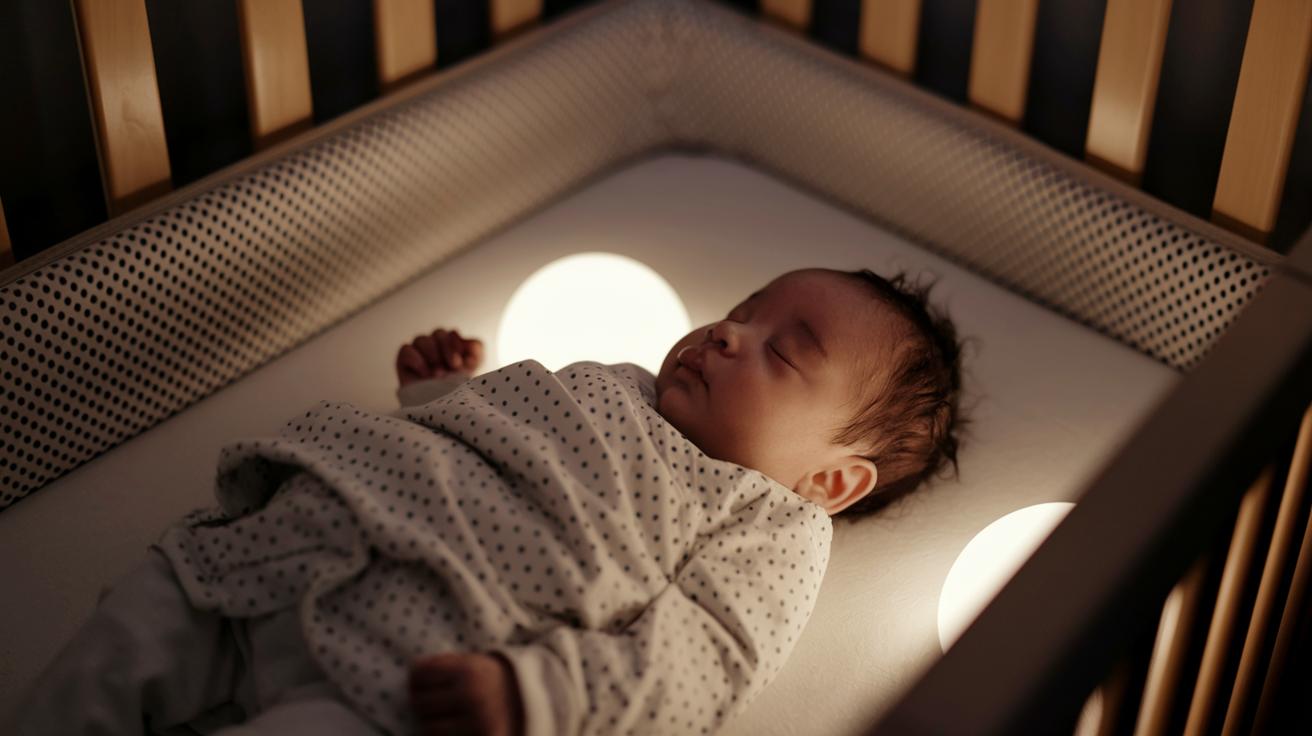
Have you ever thought that sleep training your 13-month-old might bring some much-needed quiet to your nights? It's not just about having a routine. It's about crafting a calm moment where both you and your child can feel relaxed and cared for.
Imagine bedtime turning into a gentle ritual, where your little one drifts off peacefully, replacing fuss with rest that feels like a warm hug. In this post, we share simple, heartfelt tips to help make sleep training a natural and stress-free part of your day.
Sleep Training 13-Month-Old: Core Essentials and Timeline
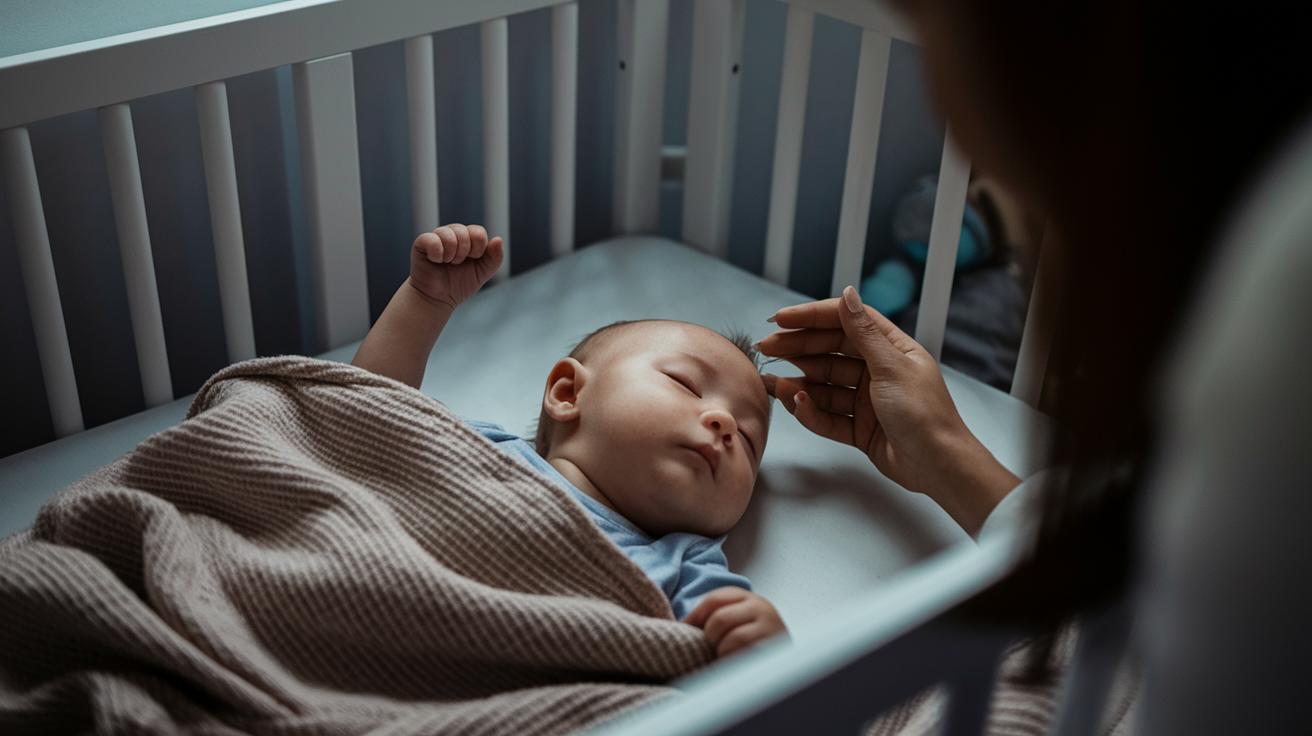
At 13 months, your little one usually needs about 12 to 16 hours of sleep a day. This often means 7 to 10 hours at night and an extra 2 to 4 hours split during cozy daytime naps. A bedtime between 7:00 and 8:00 pm with a morning wake-up around 6:00 to 7:00 am tends to work well. And if your baby isn’t quite ready to sleep six solid hours at night yet, know that it’s completely normal at this age.
Every day, a gentle mix of night sleep and naps builds the foundation for healthy rest. Most babies benefit from taking two naps during the day, each lasting about 1 to 2 hours. Sleep training at this age usually shows little wins within about two weeks. It helps so much to start when everything feels calm at home, no pesky illnesses, travel, or major routine shifts.
Keep an eye out for signals that your baby is ready for a little more independence with sleep. When the home is peaceful and nap times become a pleasant, predictable ritual, that’s a great sign. And when you notice your child calmly getting drowsy yet still a bit alert at bedtime, it might just be the perfect moment to help them learn to self-soothe.
Sleep training 13 month old: Peaceful Sleep Starts
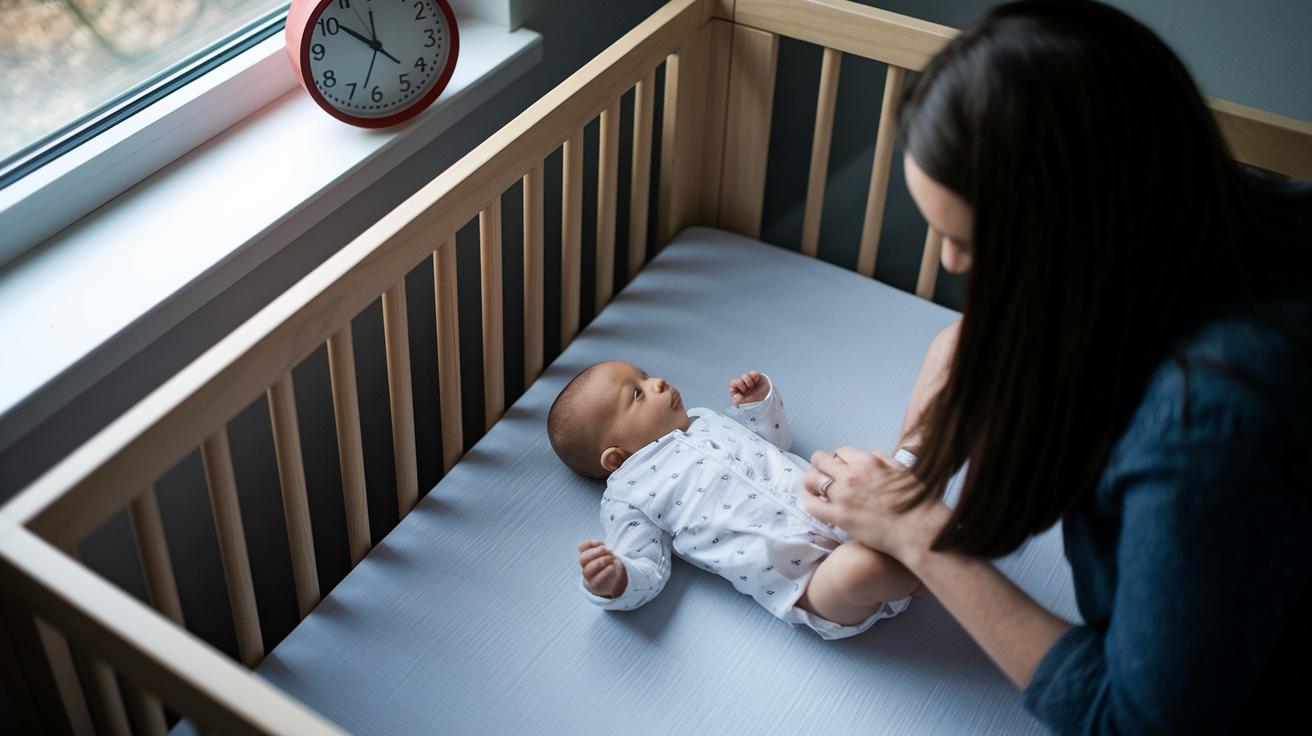
When it comes to sleep training, keeping a steady wake window is a game-changer. Your little one benefits most from a routine with wakes lasting about 3 to 4 hours. This regular pattern helps their body know when it's time to relax and rest. It sets the scene for gentle naps and a calm bedtime, making everyday transitions feel natural for both of you.
| Time Slot | Activity | Duration |
|---|---|---|
| 6:30 am–9:00 am | Wake to Nap 1 | 2.5 hrs wake, 1 hr nap |
| 10:30 am–1:00 pm | Wake to Nap 2 | 2.5 hrs wake, 1 hr nap |
| 2:30 pm–7:30 pm | Wake to Bedtime | 5 hrs wake |
Every child is different, so it’s good to listen to your baby’s cues. Think of this schedule as a helpful starting point rather than a strict rule. If you notice they're a bit extra awake or seem worn out, feel free to adjust the timing. Some mornings you might shorten that first wake period and then slowly lengthen it as the day unfolds.
Also, try mixing in changes with meals and snacks. For instance, offering around 16 ounces of whole milk each day along with other healthy foods might boost their energy and support better sleep. Over time, these little tweaks can create a special rhythm that works perfectly for your baby, turning peaceful slumbers into a welcoming part of your daily routine.
Comparing Sleep Training Methods for 13-Month-Olds
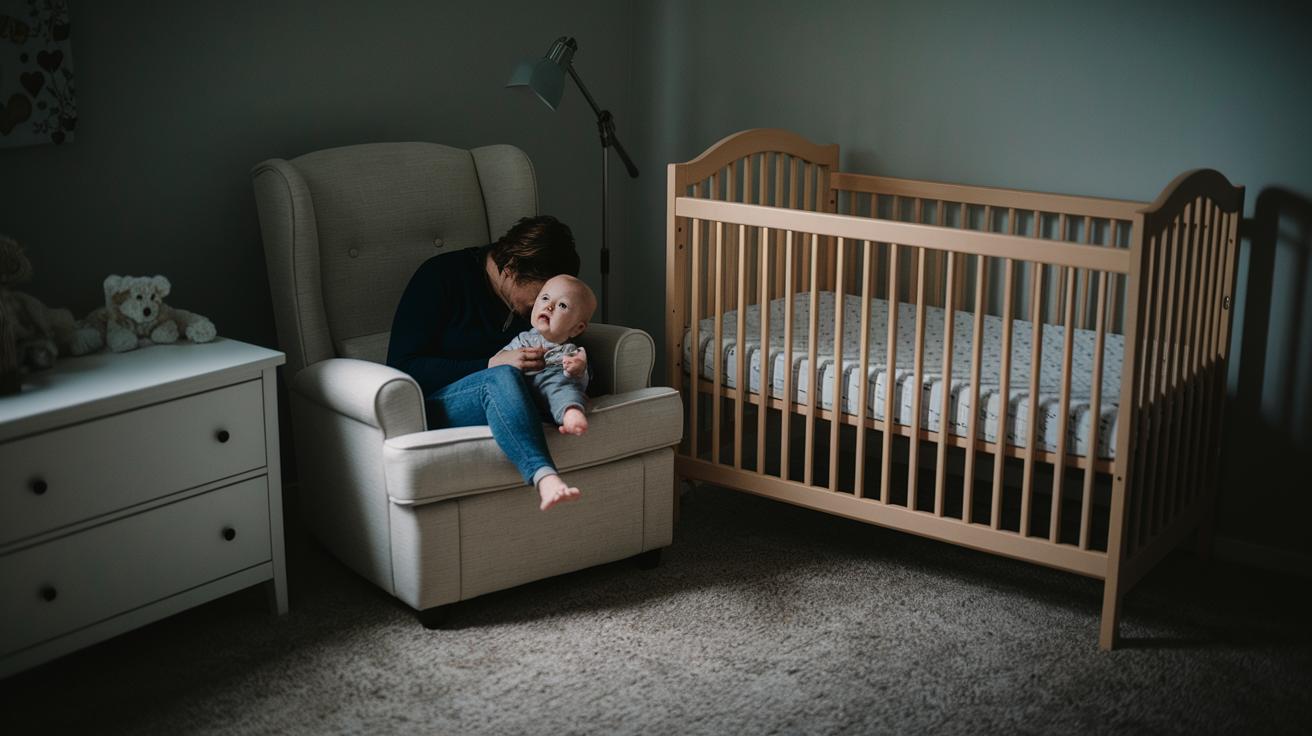
Choosing a sleep training plan for your 13-month-old might seem tricky, but there are four proven methods to consider. Each way helps your baby learn to settle on their own while still feeling your gentle support.
Gentle Fading Method
This approach slowly eases away the habits like rocking or feeding before sleep. It gives your little one time to adjust at their own pace over a few weeks. It’s a soft, steady process that many parents find comforting.
Chair Method
With this method, you start by sitting right next to the crib. Each night, you gradually move your chair a little further away. This step-by-step distancing provides your baby with familiar reassurance while gradually encouraging them to soothe themselves.
Ferber Method
Here, you place your baby in the crib while they’re drowsy but awake. Then, you let them try to settle on their own while you check in briefly at set intervals. This balance of short comforting visits and independent sleep often shows progress in just a few nights.
Cry It Out Method
This method means giving your baby a chance to cry and learn to fall asleep without much intervention. It can lead to faster results, though you might notice some stress as they adjust. Always keep an eye on your baby’s cues to decide if a gentler approach is needed later.
When you pick or switch methods, think about your parenting style, your child’s personality, and your day-to-day routine. And if there’s no change after about three weeks, don’t worry, it might just be time to try a different strategy.
Sleep training 13 month old: Peaceful Sleep Starts
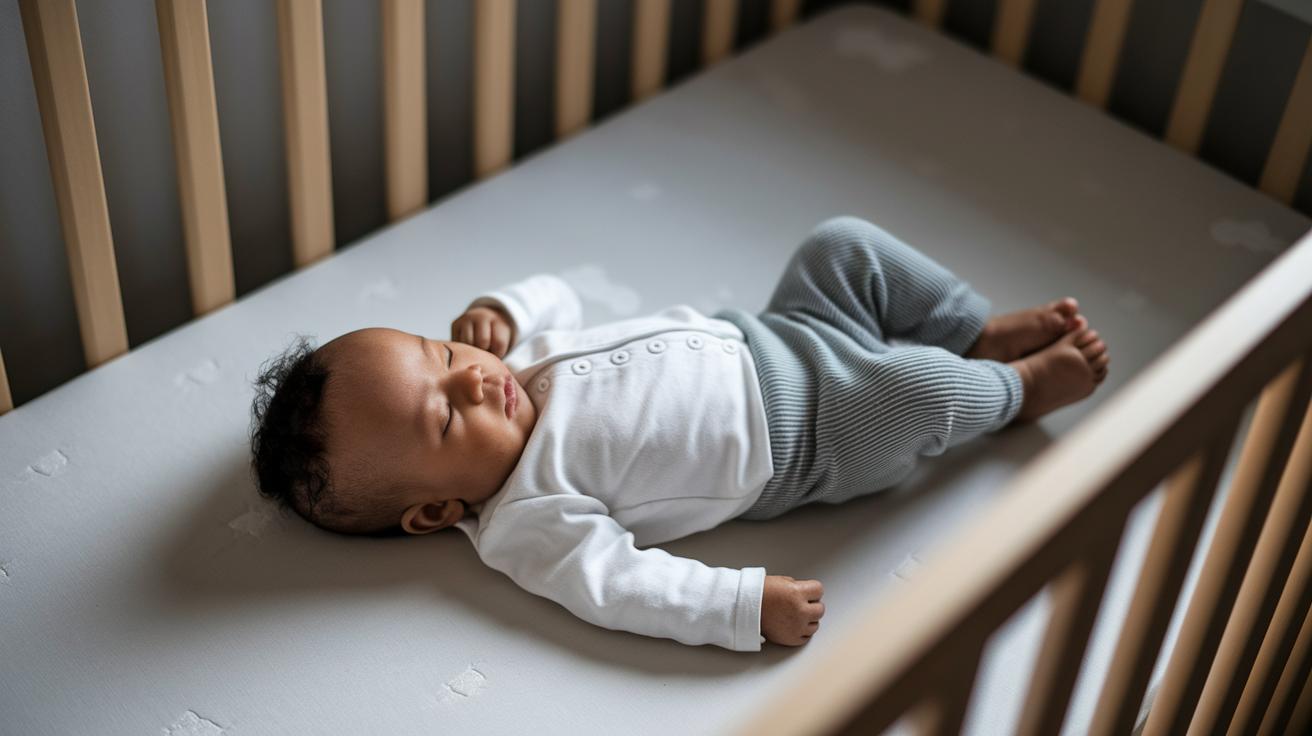
Creating a calm sleep spot can really help your little one adjust to sleep training. When their room feels safe and soothing, your baby can settle in more easily, worry less at night, and learn to soothe themselves.
It all starts with a cozy, safe space. Make sure your baby sleeps on their back in a clear crib without any loose bedding. Try using gentle aids like a white noise machine, a snug swaddle such as Sleepea, or even a smart sleeper like SNOO that mimics the soft, familiar feel of the womb. Keep the room at a comfortable temperature, around 68 to 72°F, and consider blackout curtains to block unwanted light while avoiding any harsh overhead lighting. With these small touches, the room becomes a warm and inviting haven.
A steady bedtime routine can also make a big difference. Whether it’s a little quiet play, a story, a warm bath, or a soft massage accompanied by a gentle lullaby, regular rituals signal that it’s time to wind down. These familiar habits help guide your baby into a peaceful sleep night after night.
Troubleshooting Sleep Training Challenges for 13-Month-Olds
Sleep training isn’t always smooth sailing, and many parents experience a few bumps along the way. It might be teething pain that keeps your little one up, a refusal to nap, or even those sleep regressions that hit during growth spurts. Sometimes, your baby might feel a bit too lonely at bedtime, which makes it hard for them to settle by themselves. Have you ever noticed how a missed nap can spark a flurry of worry about what’s really going on?
When things go a bit off track, a short break can really help. If your child is having trouble calming down, try pausing for about 15 minutes before easing back into a shorter, more relaxed routine. Keep your voice soft and remind them every 10 or 15 minutes that they’re doing just fine, a gentle "It's okay, you're doing great" can go a long way. These little pauses can give your baby a chance to adjust without feeling pulled into a power struggle.
On days when teething or discomfort makes sleep even trickier, try shifting the nap time a bit and consider using soothing tools like a chilled teething toy. And if after about three weeks things still seem off, it could be a good idea to rethink your sleep training plan. Tweak the schedule or try a different method that feels more natural for your child, so that everyone can finally settle into a peaceful routine.
Maintaining Consistency After Sleep Training a 13-Month-Old
Think of this phase as a gentle new chapter in your parenting journey. Little changes, like a few new teeth or your baby’s first wobbly steps, can tell you so much about what they need. When your little one wakes up with a happy smile, a soft word can help them feel secure and encourage self-soothing.
Keep these small signs in your daily routine. Notice those moments of growth and adjust nap times or wake windows just a bit to match your baby’s new energy. It’s all part of growing together, step by step.
Final Words
In the action, this article shared key points on age-appropriate sleep needs, bedtime routines, and gentle coaching tips.
We discussed making a calm environment and spotting soft sleep readiness cues. Sleep training 13 month old becomes more manageable with a clear, reassuring plan.
Keep applying these practices and embrace the small successes along the way. Enjoy each tender moment and the progress your little one makes towards better rest.
FAQ
What does sleep training a 13-month-old involve?
Sleep training a 13-month-old involves setting up consistent nap and bedtime routines, creating a calm environment, and gently guiding the child to settle independently, as many parents share on reddit.
How can I sleep train my 1-year-old without causing too much crying?
Sleep training a 1-year-old without excessive crying means using a gradual approach with soothing routines, gentle reassurance, and consistent timing to help the child learn to self-soothe.
How can I address separation anxiety during sleep training for my 1-year-old?
Addressing separation anxiety in sleep training means giving brief, comforting check-ins while steadily encouraging your child’s independence, so they feel secure as they learn to sleep on their own.
How does the extinction sleep training method work for a 1-year-old?
The extinction method for a 1-year-old involves minimal intervention at bedtime, allowing the child to learn to settle on their own with reduced parent-led cues, typically showing results in a few nights.
How long is it acceptable to let a 13-month-old cry it out?
Letting a 13-month-old cry it out is generally acceptable for short intervals—about 3 to 5 minutes per check—while ensuring the child feels secure and the method fits your family’s comfort level.
What is the hardest age to sleep train and is it too late at one year?
Many find sleep training more challenging during toddler years, but a one-year-old is still in an adaptable phase, making it a good time to build consistent sleep routines with patience and care.
How can I teach my 13-month-old to sleep independently?
Teaching a 13-month-old to sleep independently involves gradually reducing comforting cues, reinforcing a consistent bedtime routine, and creating a calm, secure sleep environment so they learn to settle on their own.