
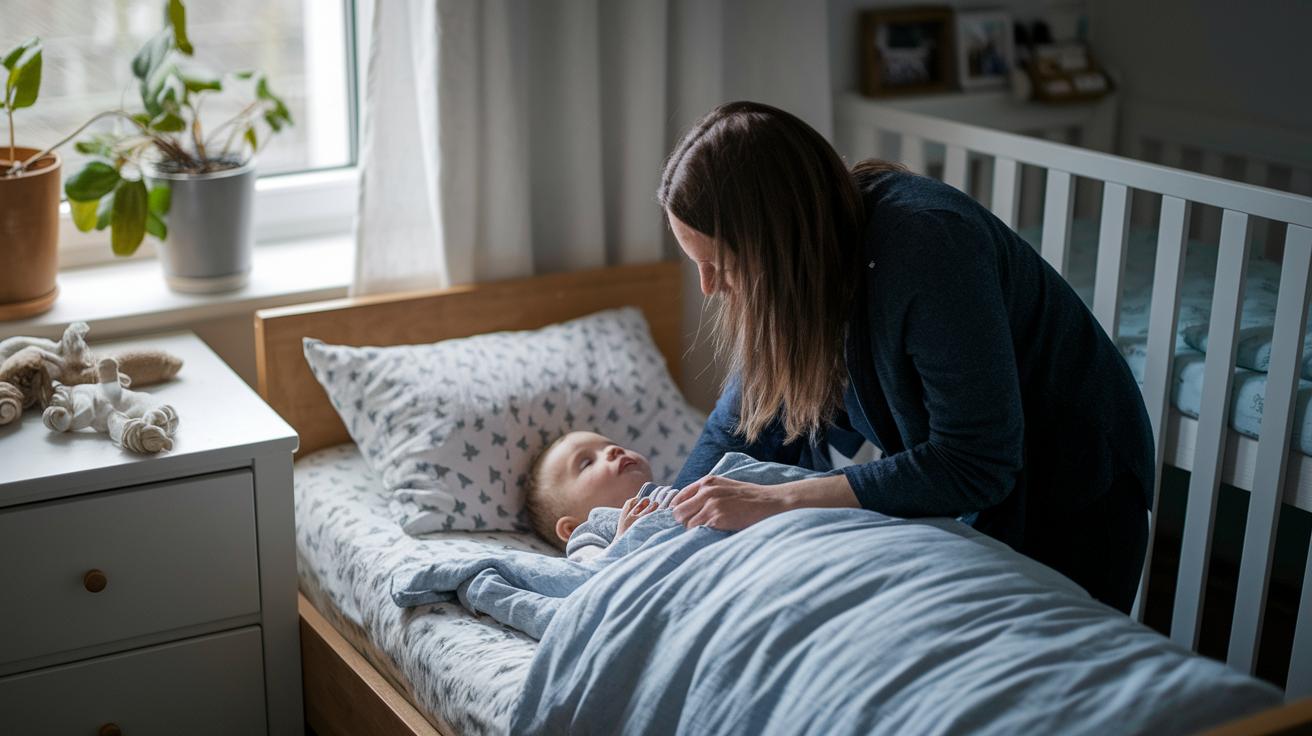
Have you ever wondered if a simple change could turn those long, restless nights into peaceful ones? Imagine your 20-month-old slowly drifting off to sleep as a gentle lullaby fills the room, helping them feel calm and relaxed all on their own.
A steady bedtime routine can make all the difference. It not only helps your little one settle in for a cozy night but also brings a warm, soothing calm for the whole family. This easy guide shares clear steps that help create tranquil evenings and bright, energizing mornings.
Bedtime can really become a comforting moment everyone looks forward to. Let's explore ways to help make those nighttime struggles a thing of the past.
Practical Sleep Training Strategies for a 20-Month-Old

At 20 months, your little one needs about 12 to 14 hours of sleep every day. That usually means around 10 to 12 hours of sleep at night and a couple of hours for naps during the day. When they get the right amount of rest, they grow better and wake up full of cheer. Imagine a toddler clapping happily in the morning after a cozy night of sleep. This proper sleep schedule is the first step to a smoother sleep training journey.
Creating a steady bedtime routine is a must. Going to bed around 7:00 to 8:00 pm and waking up at the same time every day tells your toddler that sleep is on its way. A calm, 30 to 45 minute routine before sleep can make winding down a lot easier. Think of it as gently setting the stage for a peaceful night where your little one learns to relax on their own.
Start your sleep-training plan by following these simple steps. Begin by tuning into your child’s natural sleep cues with a step-by-step plan. Keep wakeful periods between 4 to 6 hours and let naps add up to around 2 to 3 hours during the day. Introduce a familiar routine that might include soft lullabies, a quiet storytime, and soothing cuddles. Choose easy strategies that help them slowly become more independent during bedtime. A little patience and consistent practice now will lead to happy evenings and restful nights later.
Optimize the Sleep Environment for Your 20-Month-Old’s Sleep Training

Start by softening the light in the room. Put up blackout curtains to keep things dark, so your toddler knows that sleep time has arrived. In that gentle darkness, your little one will naturally begin to relax.
Next, think about the sounds and the temperature. A little white noise, kept around 50 to 60 dB, can quiet sudden disruptions. Keep the room cozy with a temperature between 68 and 72°F, a perfect setting for drifting off to dreamland.
Also, clear out any flashy toys or busy screens from the area so nothing distracts from bedtime. Whether your child sleeps in a crib or a toddler bed, using the same sleep space every night helps signal that it’s time to rest.
These small tweaks create a peaceful, secure corner where your child can settle into sleep with ease. Isn't it wonderful when each little change makes bedtime feel warm and inviting?
Establish a Consistent Bedtime Routine for Sleep Training Your 20-Month-Old
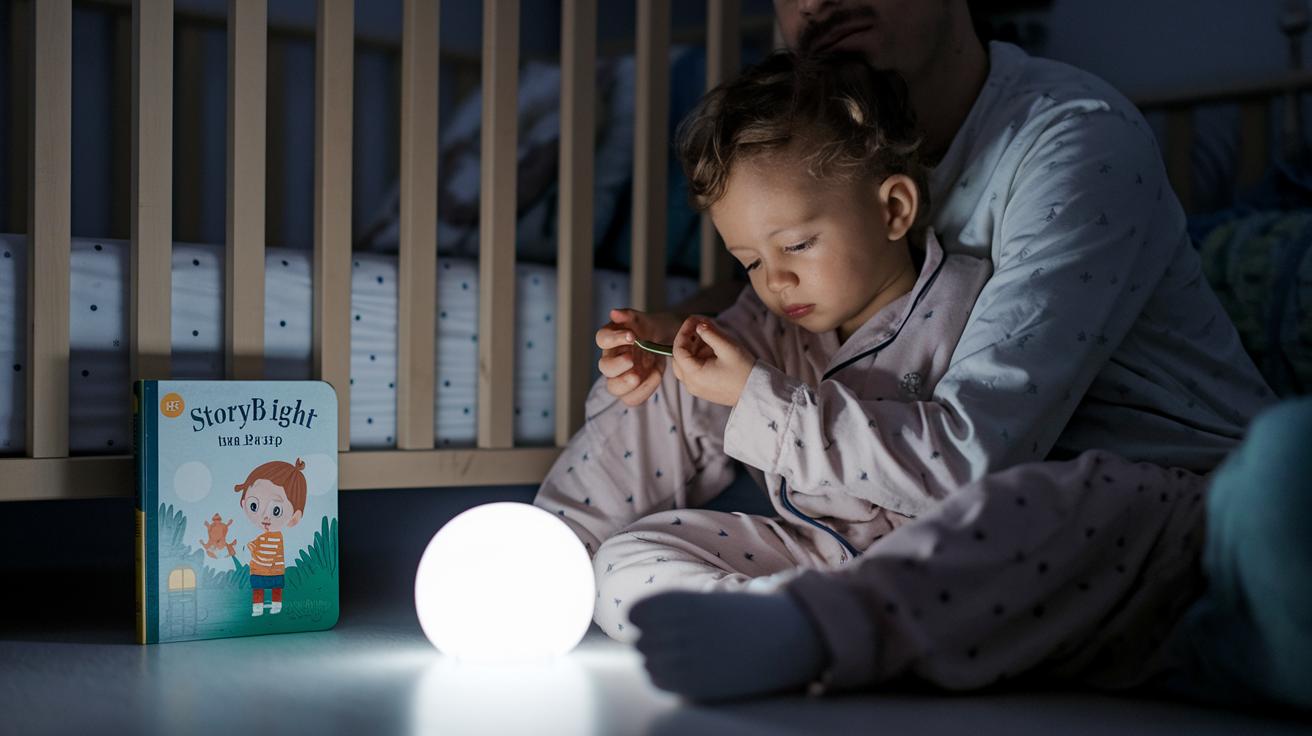
Every evening, spend 30 to 45 calm minutes with your little one to help them feel secure and ready for sleep. This routine gently tells them that bedtime is here, just like a comforting whisper at the end of a busy day.
Here's a quick guide to keep the routine smooth and soothing:
- Give your toddler a warm bath and change them into soft pajamas.
- Enjoy a calming story or sing a gentle song together.
- Dim the lights and play quiet music to create a peaceful atmosphere.
- Share a brief cuddle or a few reassuring words.
- Finally, place your toddler in the crib while they're still just a bit drowsy.
This simple routine is a comforting ritual for both of you, making bedtime feel safe and loved.
Select the Right Sleep Training Method for Your 20-Month-Old
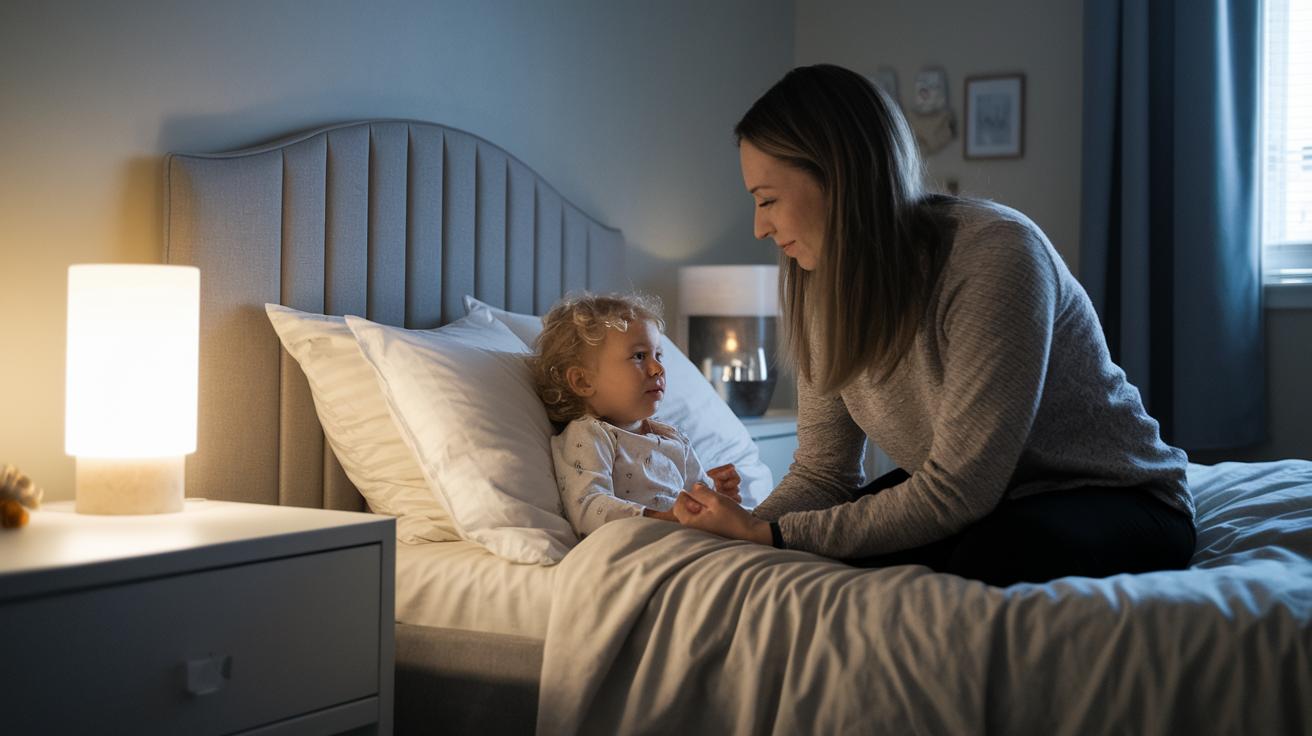
Finding a sleep training method that fits your family’s way of doing things and your toddler’s gentle nature can make bedtime much more peaceful. These approaches help your little one feel safe and loved while learning to drift off on their own. It’s a bit like guiding your child on a new adventure toward sweet, restful nights.
-
Gentle fading
Start by moving slowly from rocking to a light pat over one or two weeks. This gradual change lets your toddler adjust step by step, feeling secure even as you give a little less physical support. Imagine reducing the rocking and soothing them with a soft pat until sleep carries them away. -
Chair method
Sit by your toddler’s crib for a few nights, and then slowly move your chair away over five to seven nights. This way, your child still feels your comforting presence while learning to sleep by themselves. It’s a loving way to say, “I’m here, even when you're on your own.” -
Gradual extinction
Check in on your baby at steady intervals, like every three to five minutes. This method gives your child a gentle reminder that you’re nearby without keeping them awake too long. A timely visit can be all they need to feel reassured and settle back into sleep. -
Total extinction
Put your toddler to bed while they’re still awake and let the night pass until morning comes. This technique encourages them to find comfort within themselves, building a strong sense of self-soothing. Although it might feel a bit tough at first, many parents find that this method ultimately fosters independence.
Each of these techniques is designed so you can choose the one that matches both your heart and your child’s unique needs. Remember, a gentle guide can make all the difference in creating many nights of peaceful sleep.
Managing Night Wakings and Sleep Regression in a 20-Month-Old Sleep Training Plan
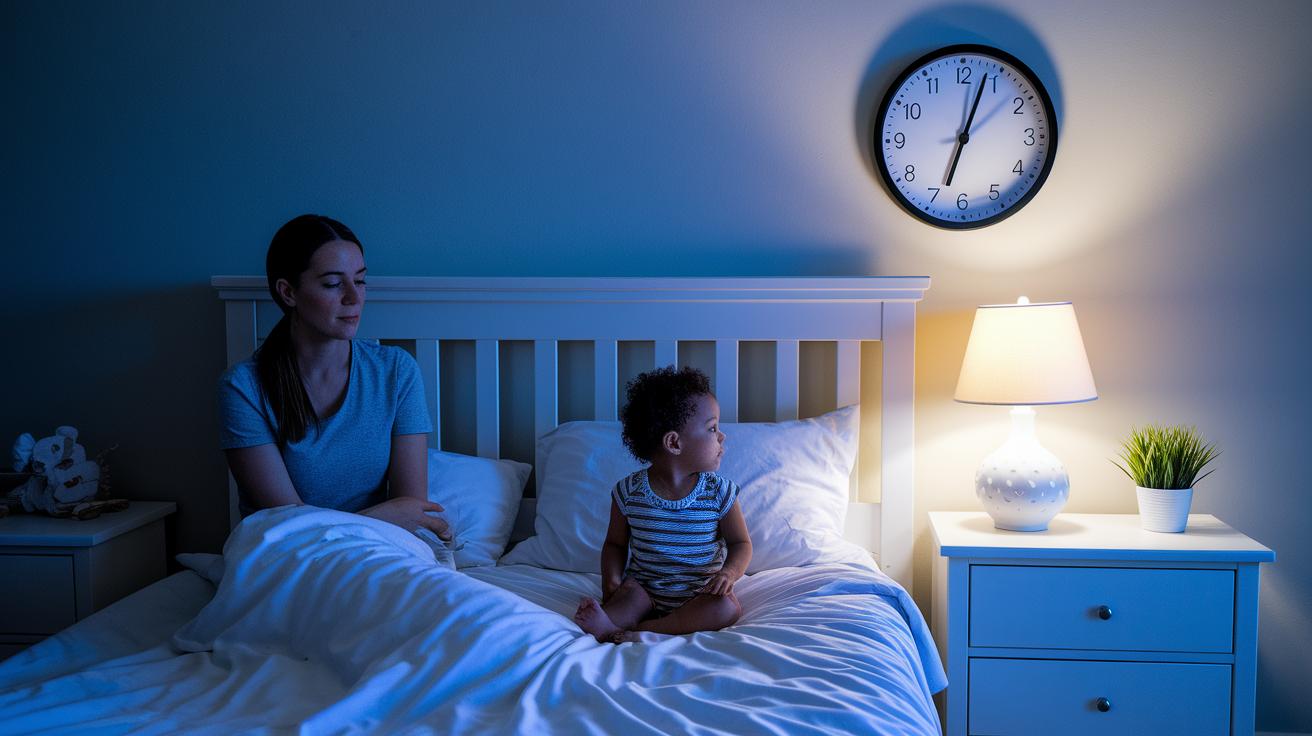
Night wakings can feel like a real challenge, especially with the ups and downs our little ones face, like separation anxiety, teething, or those exciting developmental leaps we all know too well. When your toddler stirs at night, a calm, consistent approach can make all the difference. Try to keep nighttime checks short, just a quick visit of less than two minutes. Saying something as simple as “Time to sleep” helps signal that it’s time to settle back down. This little routine not only reassures your child but also keeps both of you on track with a steady sleep rhythm.
If you sense your child is uncomfortable or not feeling well during these moments, start by giving them a gentle check. Look for signs of teething pain or any irritation that might be interrupting their sleep. It might help to quickly inspect the room too, maybe a stray light or an unexpected noise is causing the disturbance. In these quiet moments, even a small adjustment can bring a lot of comfort.
Sometimes these sleep hiccups can be a sign that daytime naps need a bit of tweaking too. If your toddler seems too tired or overly rested, consider adjusting the length of the naps. Shorten those long naps that might be keeping them up later, or offer a slightly longer one when a quick snooze just won’t do. It’s all about finding that balance to support a smooth, independent sleep journey for your little one.
Transitioning from Co-Sleeping to Independent Sleep Training at 20 Months
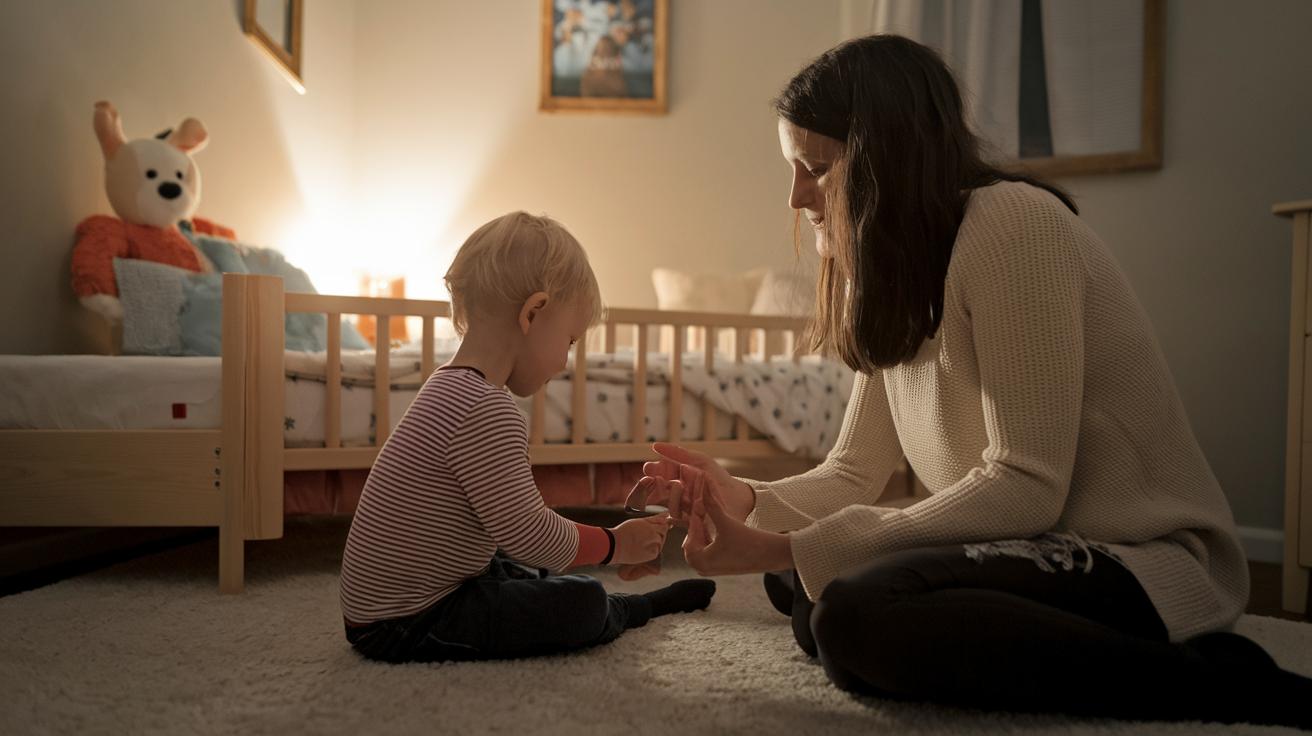
When it’s time to help your toddler settle into their very own cozy bed, it’s best to take it slow and steady. You can let them know in gentle words that soon they’ll have their own little sleep space. Pick a quiet time, maybe not during a busy vacation or when they’re under the weather, so the change feels natural. Stick with their usual bedtime routine, like a warm bath, a soft story, and some lullabies, to keep things familiar and comforting.
Here's a simple plan to guide the change:
- Explain kindly that soon they'll enjoy their very own bed.
- Start the switch when things are calm and your toddler is relaxed.
- Keep the bedtime routine just like before, so it feels safe.
- Set friendly limits by doing quick, reassuring check-ins when needed.
Remember, it might take one or two weeks for your little one to adjust. As they learn to soothe themselves, a few warm hugs or gentle words can make a big difference. Keeping the bedtime routine and the loving connection you share will make this new sleep adventure feel safe and happy for both of you.
Monitor and Adjust Your 20-Month-Old’s Sleep Training Progress

Keeping a sleep log is a friendly way to keep track of your little one's sleep routine. Jot down when your child goes to bed, wakes up during the night, and how long their naps last each day for at least a week. This simple journal can help you notice patterns, like if your toddler seems to wake up too much or takes a long time to settle down. It might even show if bedtime feels rushed or if naps are a bit too long, little hints that guide your next steps.
Take a moment each week to review your sleep log. If it looks like your toddler is too tired or overly alert by bedtime, try adjusting the schedule by about 15 minutes. These small changes can really make a difference by matching the routine to your child's needs, creating a smoother, more natural transition into sleep.
Keep your eyes open for any improvements, like fewer wake-ups or quicker settling times. Celebrate these moments, they help build a consistent and comforting sleep journey for your child.
Final Words
In the action, our guide shows clear steps, from sleep duration basics to designing a calm, welcoming room. The tips on consistent bedtime routines and sleep methods offer a solid start to sleep training 20 month old plans.
The advice on managing night wakings and transitioning to independent sleep builds trust and confidence. Small, steady adjustments create a peaceful sleep environment that brightens every day. Embrace these strategies, and enjoy the rest and smiles ahead.
FAQ
Q: What do Reddit discussions reveal about sleep training a 20- to 21-month-old?
A: Reddit discussions share hands-on advice and personal experiences on sleep training 20- to 21-month-olds, providing real-world tips and gentle methods that many parents have found helpful.
Q: How can I successfully sleep train my 20-month-old at night?
A: Sleep training a 20-month-old at night means creating a consistent routine and calming environment so your toddler learns to settle without needing extra help.
Q: Are there free resources for sleep training a 20-month-old?
A: Free sleep training ideas for a 20-month-old can be found in online communities, trusted parenting blogs, and expert forums that offer practical tips without any cost.
Q: How do I transition a co-sleeping toddler or a 2-year-old to independent sleep training?
A: Transitioning from co-sleeping to independent sleep involves a gradual shift, keeping the familiar bedtime routine while gently encouraging your child to sleep in their own space.
Q: How long should I let my toddler cry it out during sleep training?
A: When using the cry it out method for an 18- or 20-month-old, brief intervals of about 3-5 minutes work well. This gradual approach helps your toddler learn to self-soothe while you check for comfort.
Q: How can I help my 18-month-old learn to fall asleep on their own and sleep through the night?
A: Teaching an 18-month-old to self-soothe involves a soothing and predictable bedtime routine that gradually reduces parental intervention, allowing your child to fall asleep and remain asleep longer.
Q: What exactly is the 3-5-10 rule for sleep training?
A: The 3-5-10 rule means starting with 3 minutes of calm waiting, following with a brief check at 5 minutes, and waiting 10 minutes before returning. This structured approach gently supports your toddler’s independent sleep.
Q: What age tends to be the most challenging for sleep training?
A: Many parents find toddlerhood the toughest time for sleep training due to growing independence and developmental changes, making a steady, comforting routine vital for easing sleep challenges.