
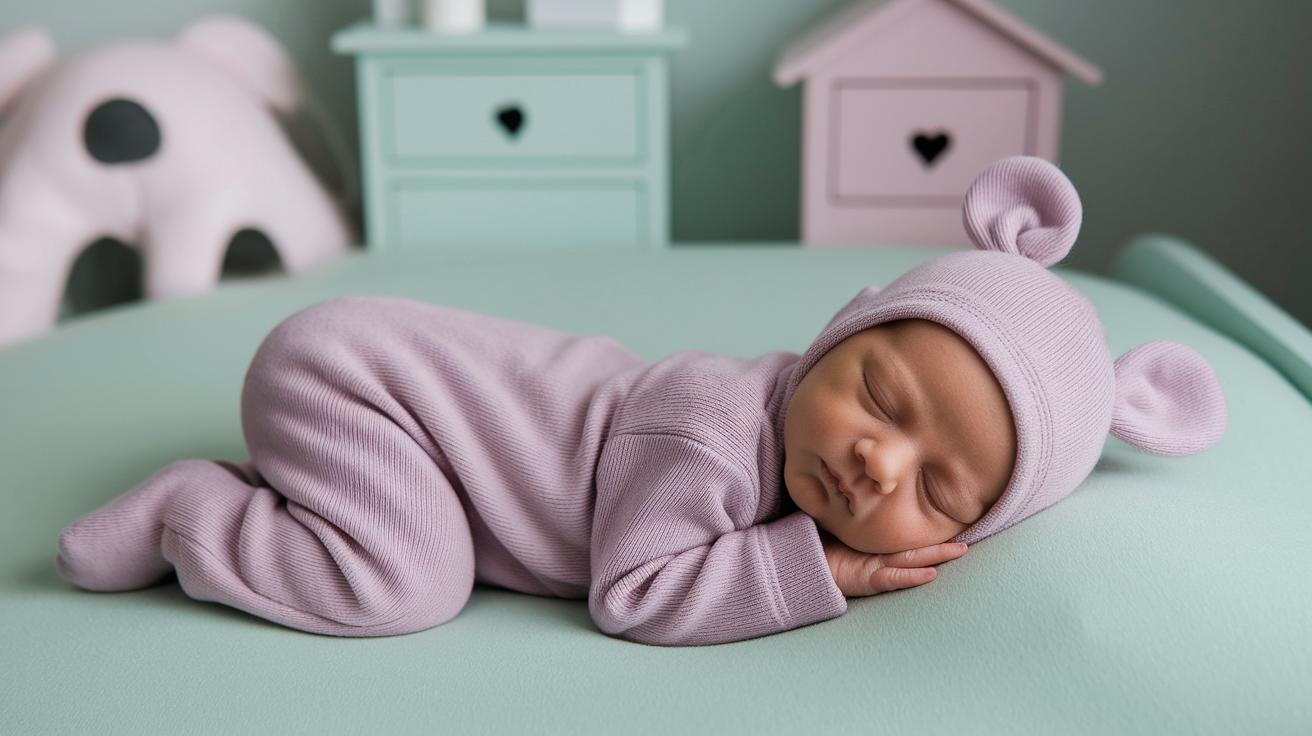
Have you ever thought about how your baby’s bedtime outfit might affect their sleep and safety? In this post, we explore simple, secure choices to keep your little one snug through the night.
We suggest dressing your newborn in a soft cotton onesie or sleeper paired with a cozy sleep sack. Just a light layer is all it takes to help your baby feel calm, protected, and ready for a peaceful rest.
Small choices at bedtime can make a big difference. Let’s dive in and discover how to create a blissful sleep routine for your little bundle of joy.
Newborn Sleepwear Basics for Safe Nighttime
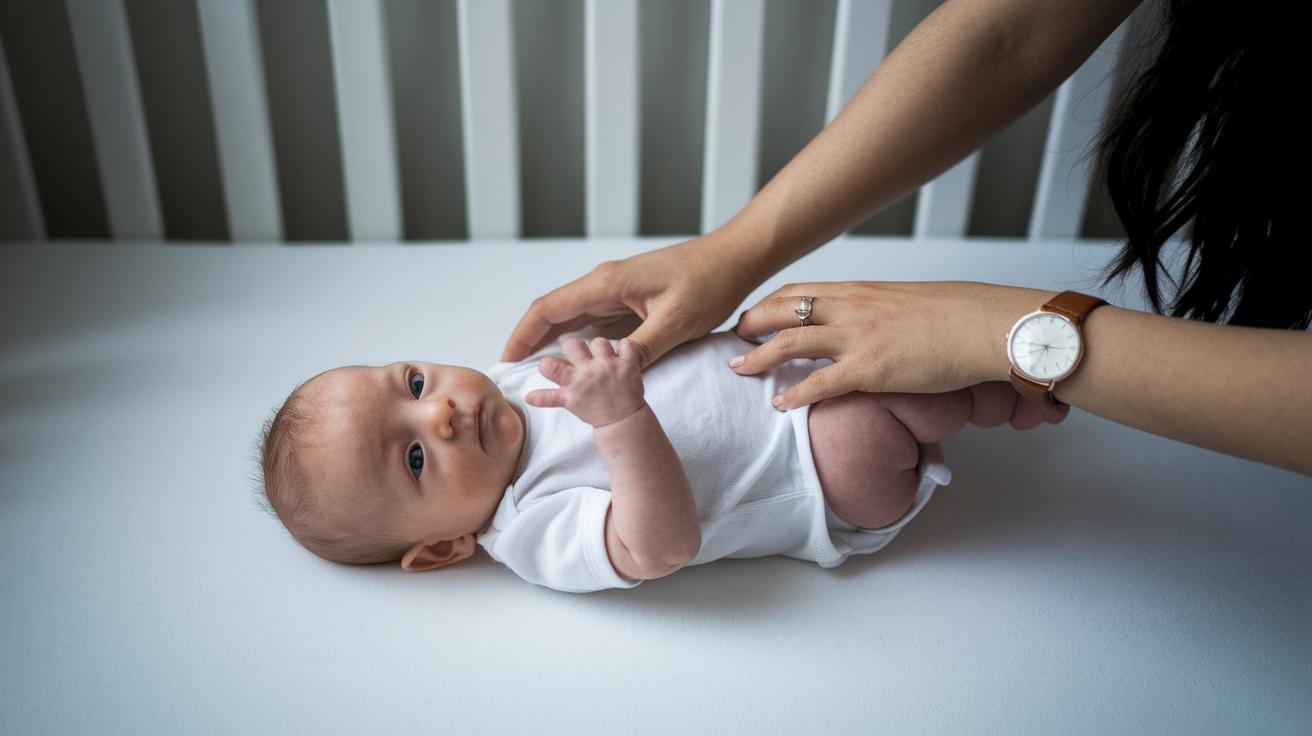
When it's time to tuck your baby in, keeping things safe and simple is the way to go. Dress your little one in a single, soft layer, think of a cotton onesie or sleeper paired with a light swaddle or sleep sack. Loose blankets? It’s best to skip them since they can accidentally cover your baby's face.
A steady room temperature between 68°F and 72°F keeps your baby cozy and safe. Always lay your little one on their back in a crib or bassinet that meets safety standards. It’s much like how we dress for a peaceful night’s sleep, with just the right amount of care.
| Sleep Safety Tip |
|---|
| Use one layer sleepwear like a cotton onesie or sleeper |
| Opt for a thin swaddle or sleep sack instead of loose blankets |
| Keep the room temperature steady between 68°F and 72°F |
| Ensure the crib or bassinet is free of extra bedding, pillows, and stuffed toys |
By following these easy steps, you create a safe and comfy sleep space for your newborn. Dressing them in light, breathable fabrics and maintaining a gentle room temperature can help lower risks like overheating. Keep a watchful eye out for signs like restlessness or flushed skin, it might be time for a small adjustment. If you need more help, check out the safe sleep guidelines for infants at https://bsnuggs.com?p=211.
Layering for Newborn Sleep: Temperature and TOG Guidelines

Your baby should wear just one extra layer compared to what an adult wears in the same room. In those first few days, nurses might put on an extra layer, but pretty soon, by about one week, your little one will start to handle their own body warmth. It’s all about keeping your baby cozy without them getting too hot or too cold.
- Stick with the AAP advice: no more than one extra layer beyond what’s comfortable for an adult.
- Remember, your baby might get that extra layer at first, but they soon learn to self-regulate.
- Look out for signs of overheating, like if your baby seems restless or shows a flushed skin tone.
- Check their core, the chest, neck, back, and tummy. If they feel cool, that might mean they need a bit more warmth.
- Choose sleep sacks with a TOG rating that suits your room’s temperature: go for lower ratings in warmer rooms and higher ratings when it’s cooler.
Creating a safe sleep space is all about finding the right balance between warmth and the ability for your baby to breathe easily. Start with a light sleepwear base that feels as gentle as a warm hug. Then, add a sleep sack that fits the room temperature. If the room feels like what you’d comfortably wear, it will feel just right for your baby too. This careful layering plan helps keep your little one safe and happy, whether it’s a cool night or a warmer evening.
Seasonal Newborn Sleepwear Tips: Summer and Winter Outfits

Keeping your baby comfortable and safe is a parent’s top priority. Dressing your little one in sleepwear that fits the season helps make sure they have a cozy, secure night. In summer, lightweight fabrics like cotton or bamboo help keep your baby cool. In winter, warmer options with a higher TOG rating wrap them in gentle warmth without causing overheating.
Summer Newborn Sleepwear Recommendations
For those warm, sunny evenings, try using a summer swaddle with a 0.2 TOG rating. These swaddles are made from fabrics that wick away moisture and help your baby stay dry and cool. The light, breathable material lets delicate skin get the air it needs, perfect for room temperatures around 75°F to 81°F.
Winter Newborn Nightwear Strategies
When the temperatures drop, a 2.5 TOG sleeper can be the right choice to keep your baby snug. Transition suits or sleep bags are great too; they offer the flexibility to add layers when needed as the weather changes. This way, you can ensure your baby stays cozy without getting too hot, a little bundle of comfort all night long.
| Condition | Sleepwear Option |
|---|---|
| Summer | 0.2 TOG swaddle |
| Transition | 0.5–1.0 TOG suit |
| Winter | 2.5 TOG sleeper |
Selecting Newborn Sleepwear Fabrics: Breathable and Soft Materials

Choosing the right fabric for your baby’s sleepwear is really about keeping your little one comfy and safe. Natural fibers like cotton and bamboo let air flow around your baby's body and wick moisture away, helping to keep things cool during a good night's sleep. Organic fabrics are extra gentle on delicate skin, which means fewer chemicals and less irritation. They’re also usually easy to wash, saving you time while keeping the material in great shape. Synthetic fabrics can sometimes trap heat and may not be as comfy for sleep.
Here are some fabric ideas that many caring parents recommend:
- Organic cotton infant pajamas: loved for their soft feel and breathability.
- Bamboo fabric sleepwear: great at keeping moisture under control.
- Lightweight cotton onesies: designed for comfort and easy care.
Each of these options makes it easier for your baby’s skin to breathe, creating a snug and protective environment. With these choices, bedtime feels like a gentle, warm hug that helps your little one settle in for a peaceful night’s rest.
Swaddle vs Sleep Sack and Other Newborn Sleep Outfit Options
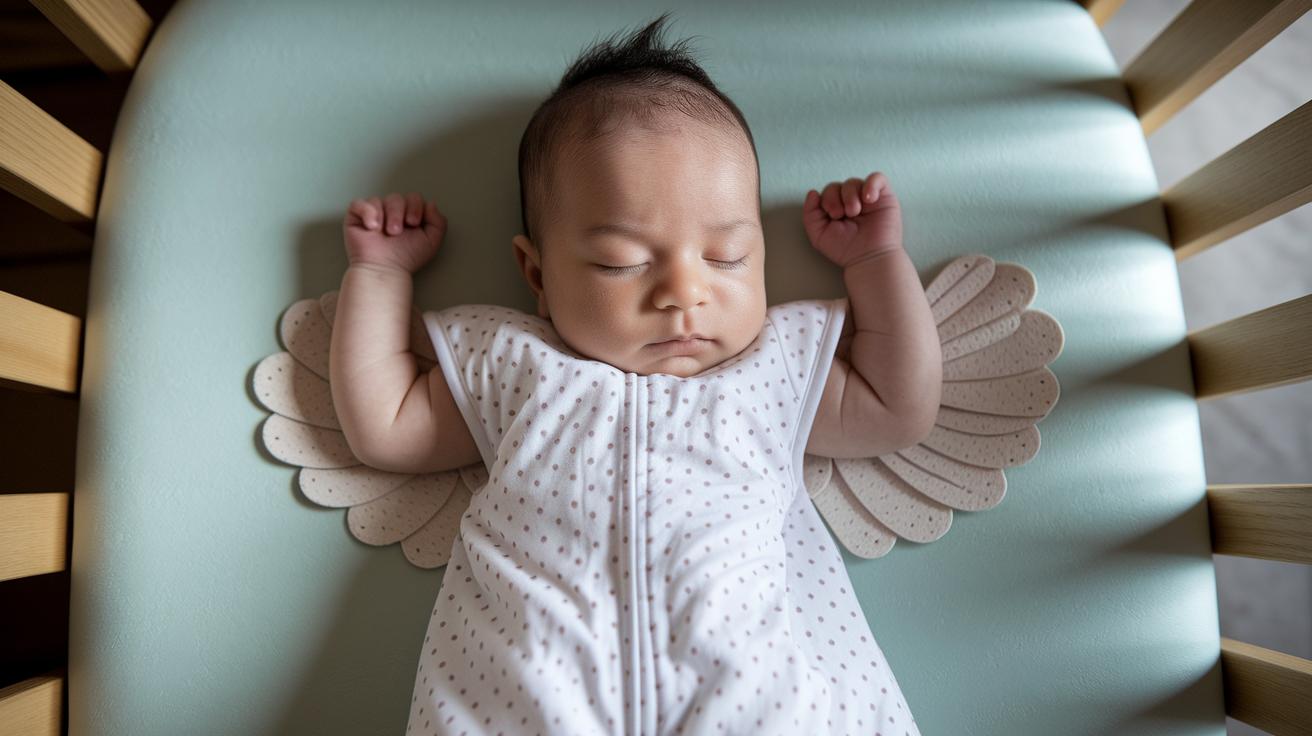
Choosing sleepwear for your little one can feel like a big decision. Many caring parents lean toward a thin swaddle or sleep sack because these options provide a gentle, comforting wrap, almost like a warm embrace during sleep.
The American Academy of Pediatrics recommends using a thin swaddle or sleep sack to reduce suffocation risks. Instead of heavier, weighted swaddles, look for designs with features like Arms Up wings or built-in quilted blankets that encourage safe, natural self-soothing.
Another lovely option is a transition suit or wearable blanket. These choices offer extra comfort without the added bulk that might overheat your baby. When you shop, try to pick sleepwear with secure closures, breathable fabrics, and the correct TOG rating to suit your room’s temperature.
In the end, whether you decide on a traditional swaddle, a sleep sack, or even a transition suit, each option has its charms. A traditional swaddle offers a snug wrap, while a sleep sack allows just enough movement for your baby to feel secure and self-soothe. With secure construction and quality materials, you’re creating a safe, cozy sleep space for your tiny bundle of joy.
Sleep Safety Tips: Additional Hazards in Newborn Sleepwear
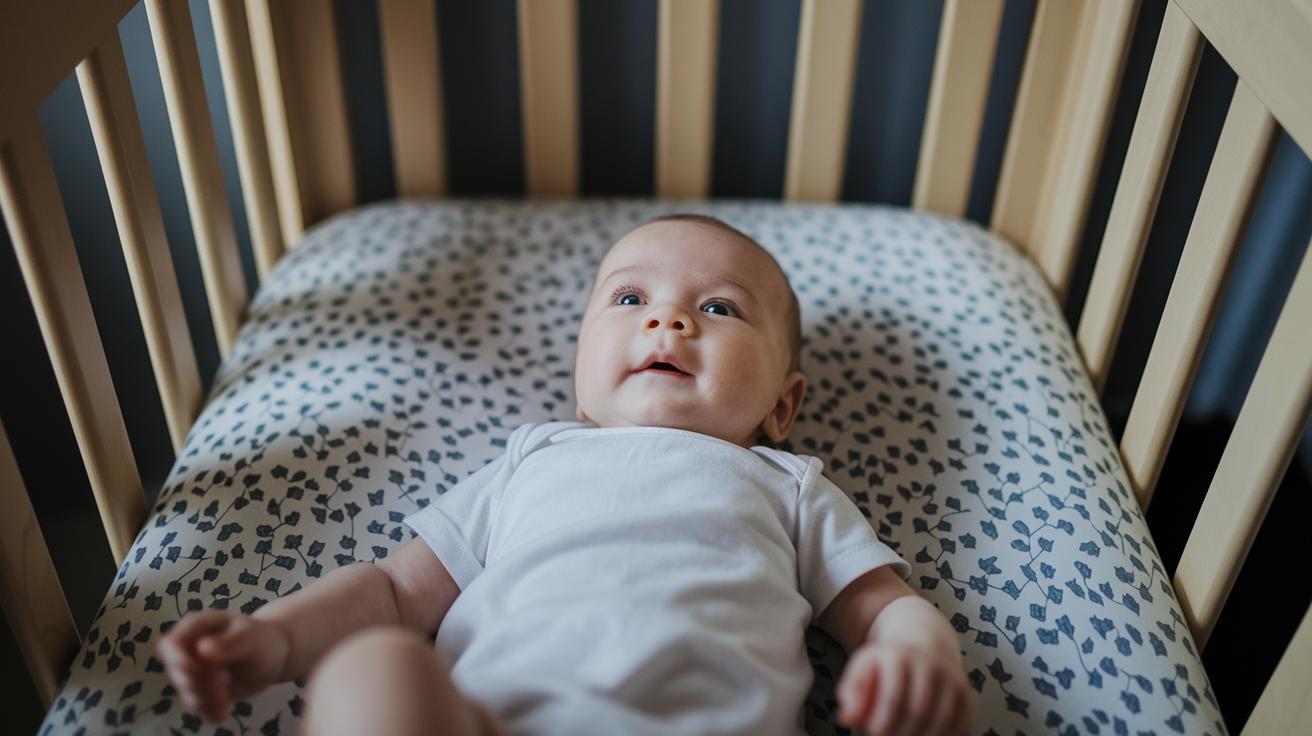
Parents, we all know a clear crib helps keep our little ones safe. But sometimes, hidden dangers can pop up that aren’t covered by the usual sleepwear tips.
For example, loose blankets and pillows can hide suffocation risks. It’s a good idea to remove bumper pads from the crib so your baby has a clear space to breathe comfortably. I also like to stop using hats once your baby’s been awake for a few hours to avoid overheating. And honestly, things like bed-sharing, baby pods, and co-sleeping mats can sometimes create unsafe situations.
The key is to check on your baby regularly, if they seem too hot or cold, adjust their sleepwear right away. Taking these extra steps can help keep your baby cozy and safe throughout the night.
Final Words
In the action, we reviewed how to dress your baby in a soft onesie or sleep sack, adjusted layers based on room temperature, and offered seasonal tips for a cozy, safe night’s sleep. We also highlighted careful fabric choices and safe sleep gear to make every night worry-free.
Key takeaways:
• One layer is best over the adult comfort level.
• Use breathable, natural fabrics.
• Keep the sleep area clear.
• Follow sleep safety recommendations.
When wondering what should newborn wear to sleep, know that simple, secure choices work best.
FAQ
What should newborn wear to sleep overnight and what clothes are safe for their sleep?
The proper sleep apparel for newborns means dressing them in a single, snug cotton onesie or sleeper paired with a thin swaddle or sleep sack. This setup aligns with safe sleep guidelines to prevent suffocation risks.
What should baby wear to sleep in a room around 70–72°F and how does temperature affect their sleepwear?
The ideal sleepwear in a 70–72°F room is a light layer that mirrors what an adult would feel comfortable in, ensuring the baby remains cozy without overheating. Adjust layers if signs of overheating appear.
What should newborn wear to sleep in winter and summer?
Seasonal sleep attire for newborns means choosing lightweight, breathable fabrics like cotton in summer and opting for higher-rated sleepwear such as a 2.5 TOG sleeper in winter. Look out for signs of being too hot or cold.
How should you dress a baby safely with or without a sleep sack?
Dressing a baby both with and without a sleep sack means using a secure, thin swaddle for safe sleep or a fitted onesie if a sleep sack isn’t used. Both methods focus on restricting loose bedding and ensuring safety.
What is the 3-3-3 rule for baby sleep?
The 3-3-3 rule for baby sleep refers to dressing the baby in up to three layers and keeping the room within a 68–72°F range, while regularly checking if the baby’s comfort level aligns with their sleep environment.
What is the hardest week with a newborn?
The hardest week with a newborn typically means the first few days when both baby and parent adjust to new routines, feeding cues, and sleep patterns while learning to navigate constant changes and care needs.
Is an onesie and swaddle too hot for a baby?
An onesie paired with a light swaddle is usually safe for a baby when room temperatures are within the recommended 68–72°F range. Always watch for any signs of overheating to make adjustments as needed.