

Have you ever noticed how mysterious bedtime can seem? Many parents watch their little ones struggle with sleep, not realizing that a steady routine can bring calm to the evening.
At 12 months, babies usually need about 13 to 15 hours of rest. A simple, gentle schedule can turn bedtime into a cozy, peaceful ritual for everyone.
This guide shares easy tweaks that help change a restless night into a soothing pause. Imagine ending your day with a quiet moment that leaves both you and your baby refreshed for a new day.
12 month old sleep schedule sparks blissful nights

By the time your little one reaches 12 months, they need about 13 to 15 hours of sleep in a day. That usually means around 10 to 12 hours of nighttime rest and an extra 2.5 to 3 hours of nap time during the day. Many parents notice that after about 3 hours of being awake, their baby is ready for a comforting nap that can last between 2 and 3 hours, followed by another shorter nap of about an hour after roughly 3.5 more hours of fun and exploration.
Here's something surprising: some babies show a clear shift in their sleep patterns after their first birthday. It’s a special time that really calls for establishing a steady routine, one that can pave the way for calm, peaceful evenings, often with bedtime between 7:00 and 8:00 pm.
| Sleep Measure | Duration |
|---|---|
| Total per 24 hrs | 13–15 hrs |
| Nighttime | 10–12 hrs |
| Day naps | 2.5–3 hrs |
| Wake windows | 3–4 hrs |
When it comes to keeping your baby safe and sound, using safe sleep guidelines is key. We recommend placing your baby on their back to sleep. And if your little explorer starts trying to climb out of the crib, a cozy sleep sack can be a real lifesaver. By sticking with a gentle, consistent routine, you help your baby feel secure and ready for those longer stretches of restorative sleep. It’s all about building that nurturing environment where both you and your baby can enjoy truly blissful nights.
Sample 12 Month Old Sleep Timeline: Morning to Bedtime

Every baby is wonderfully unique, so a flexible routine goes a long way. Instead of sticking to a strict schedule, this timeline is meant to flow with your little one's natural sleep signals. When you spot a gentle yawn or see sleepy eyes, you can adjust the day to keep things calm and comfortable. This easygoing plan helps prevent overtiredness while slowly building up a solid routine.
- 7:00 am: Start the day with tender cuddles and a bit of soft play.
- 10:00–12:00 pm: Enjoy a first nap that lasts about two hours, giving your baby a much-needed rest.
- 12:30 pm: Lunchtime arrives with nourishing bites to fuel more fun adventures.
- 3:30–4:30 pm: A second nap of roughly one hour helps refresh both body and mind.
- 7:30 pm: Wind down with quiet play as bedtime nears, gently signaling sleep.
Keep an eye on your baby throughout the day. Notice their little signs and feel free to tweak these times as needed. This caring, responsive approach makes sure that both naps and nighttime sleep fit perfectly with your baby’s growing needs and busy explorations.
Transitioning to a Single Nap in Your 12 Month Old Sleep Schedule

Around 12 months, you might start to see little changes in your baby’s sleep habits. The morning nap may get a bit shorter, and your child could seem less willing to take a second nap. You may also notice longer periods of awake time – sometimes stretching past 5 hours – which can gently signal that it’s time to try one nap instead of two.
Here’s a warm, step-by-step guide to help smooth that transition:
- Keep a watchful eye on your baby’s signals. Notice if the morning nap gets shorter or if your child shows signs of resisting the second nap.
- Change things up slowly by shifting the single nap to early afternoon, ideally between 12:30 and 2:30 pm.
- Aim for a nap lasting between 60 and 120 minutes so your baby gets that much-needed, refreshing sleep.
- Gradually ease out of the second nap over one to two weeks. Slowly cut down its duration until it naturally disappears.
- Understand that you might see a few mood swings or a hint of crankiness at first. It’s all part of the adjustment as their sleep cycle finds a new rhythm.
Stay tuned to your baby’s cues during this time. With a bit of patience and flexibility, you can help ease your little one into a single-nap routine that keeps their days bright and full of energy.
Troubleshooting Your 12 Month Old Sleep Schedule: Regression & Night Wakings
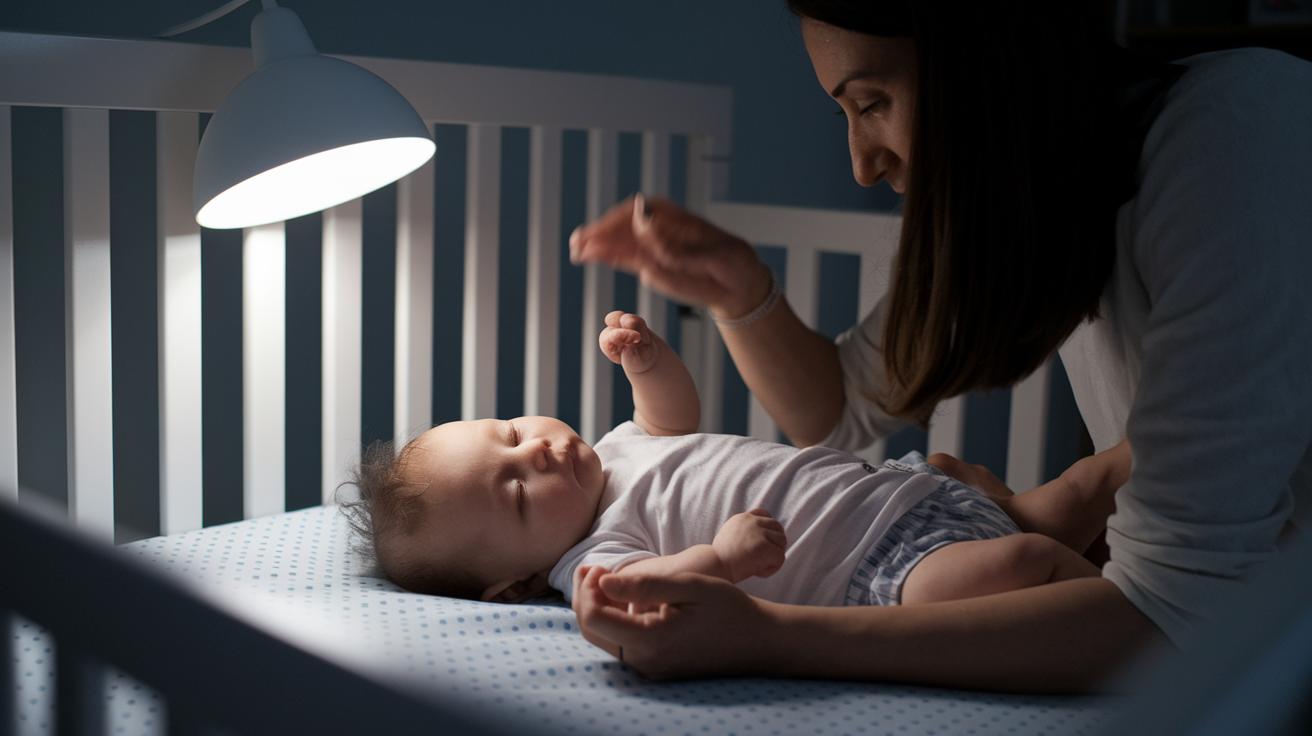
At around 12 months, your little one might start sleeping a bit differently as they hit exciting new milestones. Tiny steps, first words, or even teething can stir up a brief period of sleep troubles. You might notice extra night wakings, skipping naps, bedtime struggles, or even more clinginess at bedtime. It’s like a little bump in what was once a smooth sleep routine, leaving everyone a bit more tired.
There are a few reasons this can happen. Your baby is learning and exploring, which means more excitement when they’re awake. Teething can also cause discomfort, making it hard for them to settle. Sometimes the thrill of new skills can mix up their sleep cues, leading to those familiar bedtime battles. A steady routine with set nap and bedtime times can work wonders to calm these changes. Creating a quiet, predictable space helps keep the little disruptions at bay.
When sleep regression hits, gentle consistency is key. Stick with your tried-and-true bedtime and nap routines without sudden changes. When your baby wakes at night, try to respond calmly and briefly, and skip late-night feeds that might encourage more wake-ups. A soothing, consistent approach can guide both you and your baby through these temporary sleep hiccups until things settle back into a smooth rhythm.
Crafting Consistent Bedtime Rituals for a 12 Month Old Sleep Schedule

A gentle bedtime routine can make your little one feel safe, secure, and ready to dream. Imagine winding down together each night as your baby learns that it’s time to settle into a peaceful sleep. When you use the same kind, soothing steps every evening, your baby starts to understand that bedtime is a moment of calm and warmth.
Try following a simple ritual each night:
- A warm bath that relaxes and soothes the body.
- Brushing teeth to show that the bedtime routine has begun.
- Reading one short story that gently captures their attention.
- Playing a soft lullaby to quiet the mind.
- Dimming the lights to create a serene atmosphere.
- And, if your baby is over 12 months, maybe introducing a favorite lovey or a small blanket for extra comfort.
Spending around 20 to 30 minutes on these little rituals can truly set the mood. Keeping the steps in the same order every night builds lovely sleep cues. When your baby connects these actions with rest, bedtime transforms into a special, comforting routine. It’s a soothing way to end the day, leaving your little one ready for a night of peaceful sleep and a bright, smile-filled morning.
Aligning Nutrition & Daytime Activity with Your 12 Month Old Sleep Schedule

Around your baby's first birthday, you might find yourself gently adjusting meal and play schedules to support better sleep. Serving about 16 ounces of whole milk earlier in the day can help reduce wakings at night. Setting up a regular routine, like an 8:00 am breakfast, a solid lunch at 12:30 pm, and a family dinner around 5:30 pm, creates a rhythm that gives your little one clear 3- to 4-hour periods to stay awake between naps.
Active play between naps really helps your baby sleep deeply and soundly. Consider these activity windows:
- 9:00–9:30 am: A gentle play session wakes up energy stores and gets the body ready for a cozy nap.
- 2:00–3:00 pm: An energetic burst in the afternoon burns off the day’s buildup of energy, making the following nap even more refreshing.
When meals and play naturally align with your baby's awake times, it becomes easier for them to switch from play to rest. This balanced routine supports important developmental milestones and helps secure those peaceful, blissful nights every parent cherishes.
Final Words
In the action, this article explored recommended sleep durations, nap patterns, and bedtime rituals to support a solid 12 month old sleep schedule. It walked through transitioning to a single nap and troubleshooting common sleep setbacks while aligning meals and daytime play. Each tip is designed to build a calm, steady routine where safety and comfort matter most. Small adjustments today can create a world of difference in your baby's restful nights. Stay encouraged and enjoy each peaceful moment ahead.
FAQ
What does a 13 month old sleep schedule look like?
A 13 month old sleep schedule usually totals around 13–15 hours per day, with roughly 10–12 hours at night and two naps during the day, each following wake windows of about 3–4 hours.
What does a 14 month old sleep schedule look like?
A 14 month old often follows a similar pattern with 13–15 hours of sleep in a day. Nighttime sleep remains around 10–12 hours, combined with daytime naps that adjust as the child grows.
What does an 11 month old sleep schedule look like?
An 11 month old typically gets 13–15 hours of sleep daily. This includes about 10–12 hours at night and usually two naps during the day, spaced by wake periods of roughly 3–4 hours.
What does a 12 month old sleep schedule with two naps entail?
A 12 month old sleep schedule with two naps usually totals 13–15 hours of sleep daily, with approximately 10–12 hours at night and around 2.5–3 hours of daytime sleep spread over two naps.
What does a 1 year old sleep schedule transitioning to one nap look like?
When transitioning to one nap, a 12 month to 1 year old schedule still aims for 13–15 hours of sleep. Here, the single nap typically lasts 60–120 minutes, paired with 10–12 hours of nighttime sleep.
What does 12 month old sleep regression look like?
The 12 month old sleep regression involves extra night wakings, nap refusals, and bedtime fussiness. It is often linked to milestones like new words or teething, so sticking to a gentle, consistent routine helps.
What does a 15 month old sleep schedule look like?
At 15 months, routines still aim for 13–15 hours of total sleep. Some toddlers begin settling into one nap, while others keep two, with adjustments made based on their growing needs and energy levels.
What time should a 12 month old go to bed?
A 12 month old should ideally head to bed between 7:00 and 8:00 pm. This window helps promote steady, consolidated sleep for a well-rested baby.
What is the 3-3-3 rule for baby sleep?
The 3-3-3 rule highlights that after about 3 hours of wake time, a baby should have a nap that contributes to 3 hours of daytime sleep, with wake periods around 3–4 hours apart to support balanced rest.
How many naps should a 1 year old have?
A 1 year old may have either two naps or transition to a single nap, depending on their signals. Typically, many toddlers aim for 2.5–3 hours of daytime sleep to complete a total of 13–15 hours per day.