

Have you ever wondered if it's safe for your baby to sleep on their tummy? As your little one grows and begins to roll over, many caring parents start to ask this very question.
Experts usually recommend back-sleeping for newborns. But as your baby reaches new milestones, the idea of tummy sleep might seem more appealing. It feels like a big step, and it's natural to be curious about when it might be okay.
In this chat, we’ll look at the clear signs that show your baby might be ready for a little tummy sleep. We’ll also share easy, comforting tips to help keep your baby safe and cozy during sleep.
Stay with us, it’s all about simple, heartfelt guidance to ensure your baby rests securely and soundly.
Infant Stomach Sleep: Age and Readiness Guidelines
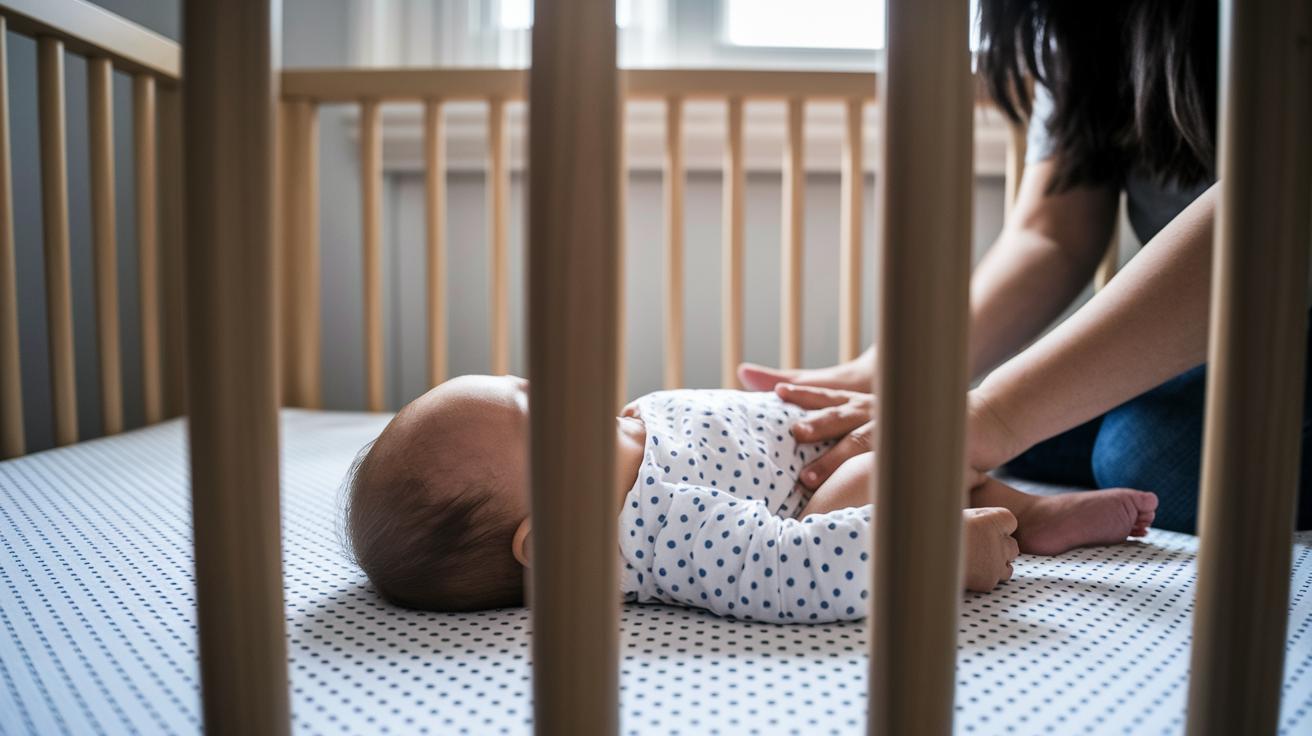
AAP guidelines say it’s best to let your baby sleep on their back until they turn one. This approach helps lower the risk of SIDS. For little ones, especially under 5 months, tummy sleeping is much riskier. Even a small change in position can lead to unexpected hazards. I remember hearing one parent share, "At just 4 months, my baby’s first roll onto his tummy sent me into a quick panic, even though I knew back-sleeping was safest."
Usually, babies start rolling over around 5 to 6 months, and that’s a big moment in their growth. It shows they’re building strong muscles and learning to move on their own. But even when they can roll both ways, experts still recommend placing them on their back for sleep until they reach their first birthday. This milestone hints that they’re getting ready for tummy time during sleep, but the change should happen slowly.
Key signs to watch for include:
- Strong head and neck control
- Consistently rolling from back to tummy and tummy to back
- Comfort with changes in position during awake time
When your baby can roll both ways without the swaddle and is on a firm sleep surface, tummy sleep might be okay during supervised naps or when they naturally choose that spot. Still, back-sleeping remains the safest option for newborns. Keep an eye on these milestones and ensure the sleep environment stays safe to support your little one’s healthy growth.
SIDS Risk and Infant Stomach Sleeping Safety
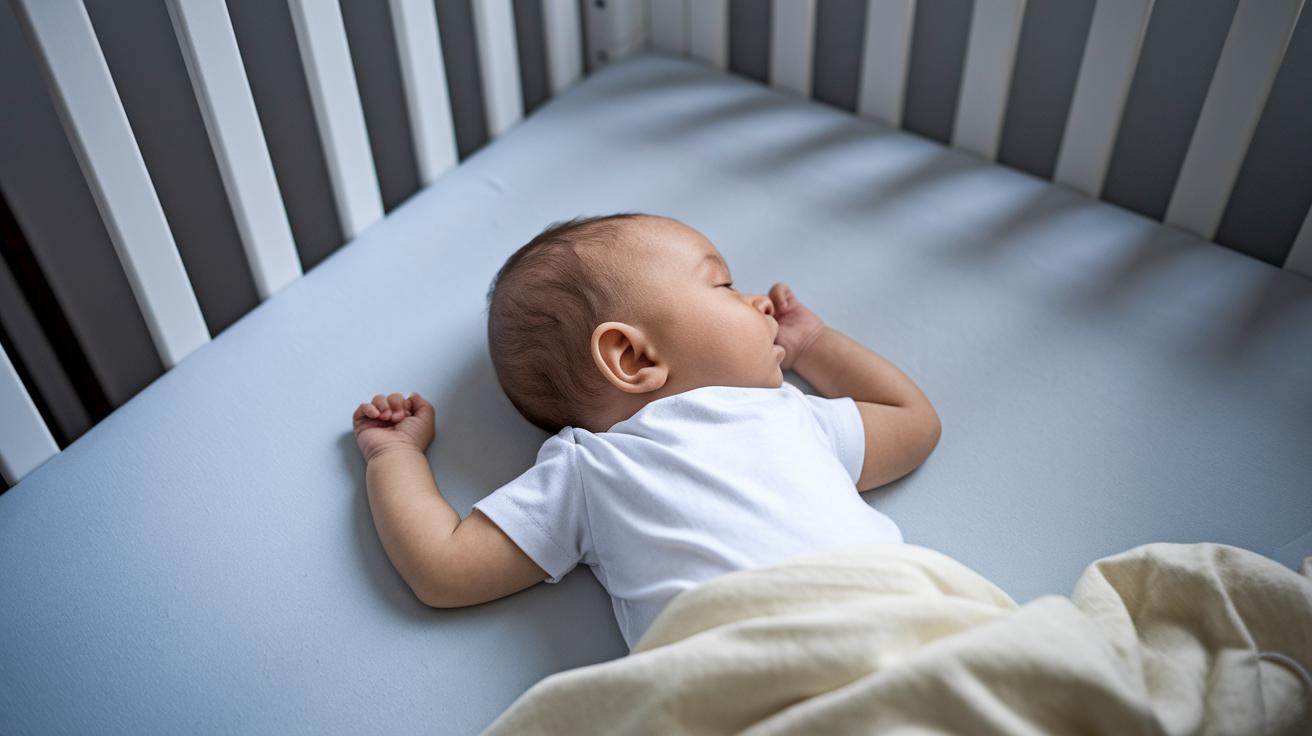
Research shows that when babies sleep on their stomachs, it can increase the risk of SIDS, especially for infants under six months. Experts recommend placing your baby on their back until they reach 12 months old, even if they start rolling over on their own. This simple change not only lowers the risk of SIDS but may also help reduce ear infections, nasal congestion, and fever.
It’s important to steer clear of sleep aids like wedges, loungers, pillows, or other soft items. Such accessories can create hidden hazards and even increase the risk of suffocation. I remember one parent sharing how switching to a firm mattress was a game changer after learning that even a small pillow could threaten their little one’s safety. A firm sleep surface, free from loose bedding, is key to keeping your baby safe and sound.
Creating a Safe Stomach Sleep Environment for Babies
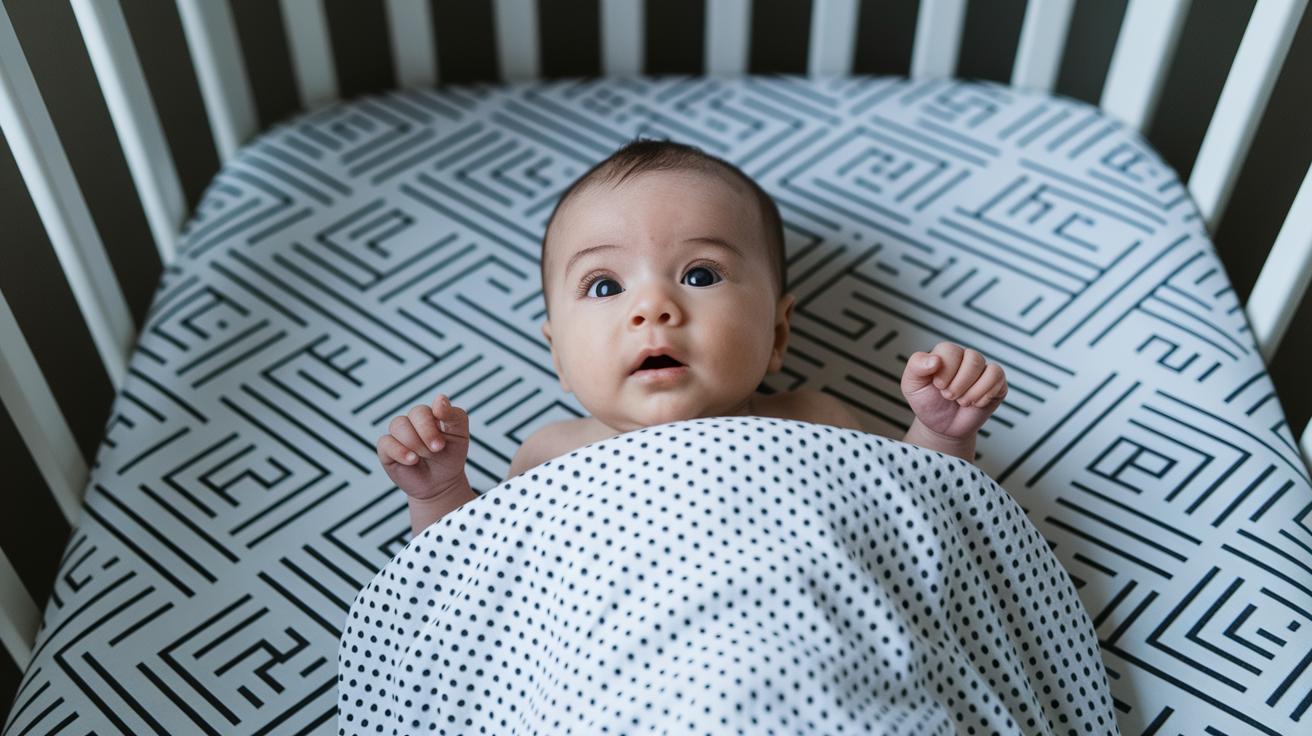
Start with a firm crib mattress that doesn’t have loose sheets, pillows, bumpers, or blankets. This helps create a cozy, safe spot for your little one. For more helpful details, check out the safe sleep guidelines for infants at https://bsnuggs.com?p=.
Next, make sure the sleep area stays clear of any risky extras. Remove items like sleep positioners, think pods, docks, or wedges, to let your baby move around freely and safely. For extra peace of mind, take a look at the safety essentials for baby nurseries at https://babyhalfoff.com?p=.
When your baby starts rolling over, it’s time to switch up the sleep gear. Instead of swaddling, use a wearable blanket or a sleeper suit that lets their arms move. This simple change gives your baby the freedom they need while keeping them snug and secure.
Rolling Milestones and Tummy Time Impact on Prone Sleep
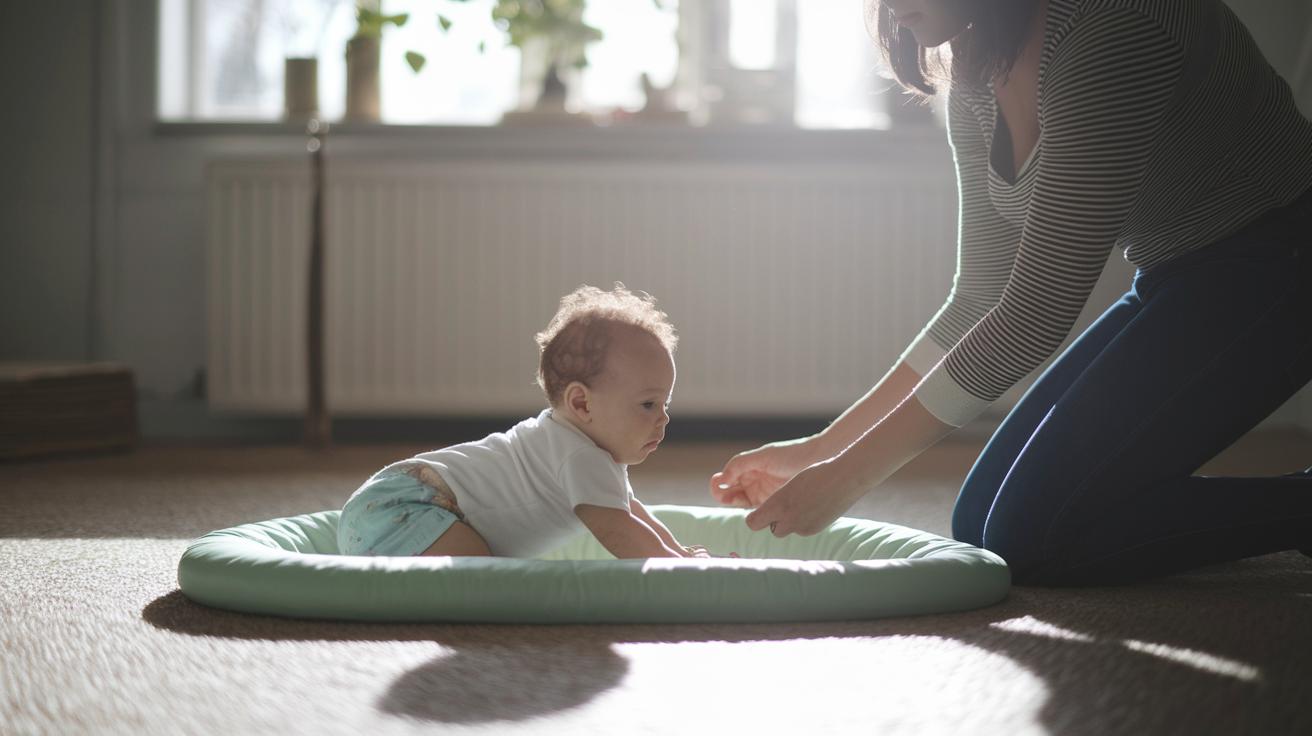
When your little one enjoys tummy time, always with your careful watch, they’re not just playing. They’re building the neck, shoulder, and trunk muscles they need to roll over. Think of it like a mini workout that leads to precious milestones, like rolling from back to tummy. Have you ever seen your baby light up when they make that small roll? It’s a heartwarming moment where fun meets growth.
During these special moments, your baby is developing muscle control while also helping to prevent a flat spot on their head, a condition known as positional plagiocephaly. Tummy time lets them explore different angles and movements, which sets the stage for mastering both back-to-tummy and tummy-to-back rolls. Eventually, they learn to adjust their own sleep position, leading to a cozier and safer sleep throughout the night.
Just a few minutes of tummy time each day works wonders. Every giggle, every tiny roll builds confidence and strength, paving the way for better, safer sleep. Keep these sessions fun, gentle, and under careful supervision, and watch as your baby grows stronger with every playful move.
Responding When Your Infant Rolls onto Their Stomach While Sleeping
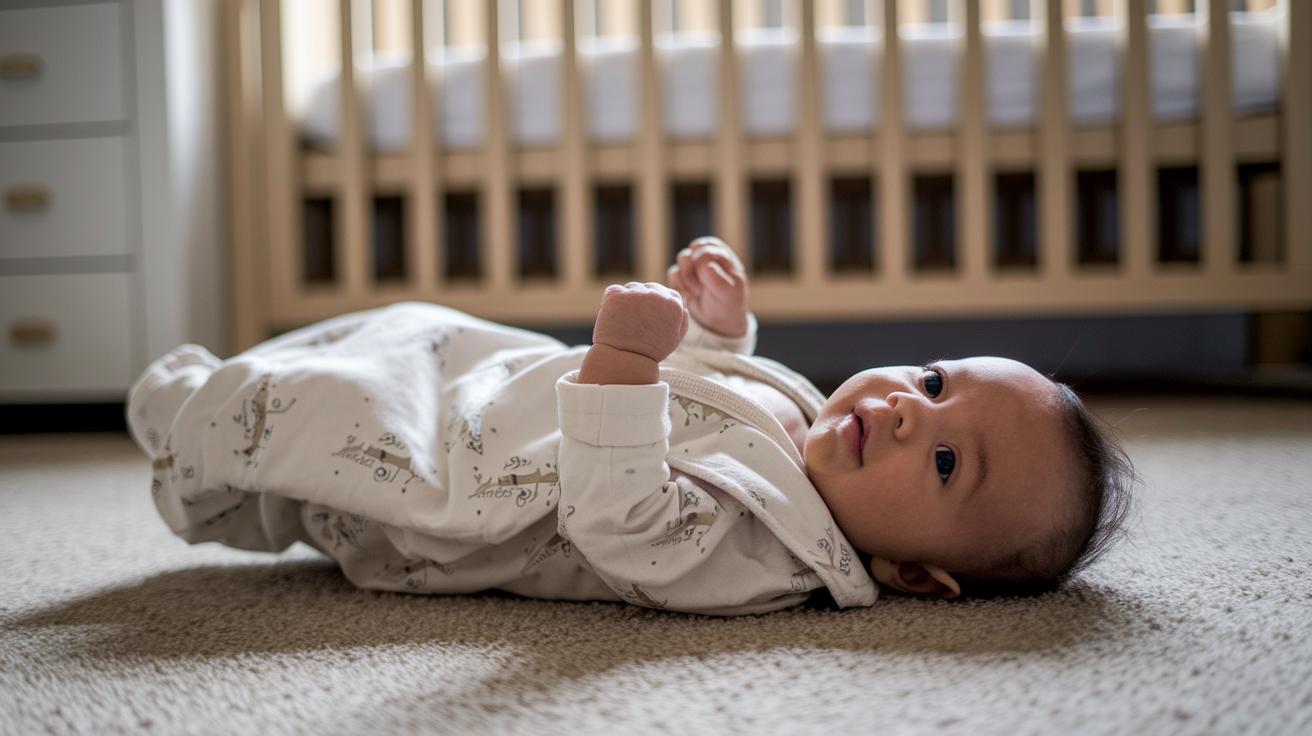
It’s an exciting milestone when your baby starts to roll. This change is a gentle reminder to update bedtime routines and gear so your little one stays safe. If your baby is sleeping unswaddled in a clear, hazard-free space, it’s perfectly fine to let them continue that way. One parent mentioned, "Switching to a sleep sack that allowed free arm movement made bedtime feel more natural and worry-free," and that really captures the ease of this transition.
Here are a few simple steps to keep in mind:
- Switch from traditional swaddling to a sleep sack that lets your baby’s arms move freely.
- Check the sleep area often to ensure it stays free of hazards.
- Watch your baby’s sleep position and adjust their sleep gear as they grow.
By keeping these tips in mind, you can help create a safe and cozy sleep space as your baby explores new ways to roll and rest.
Transitioning to Stomach Sleep: Expert Strategies for Infant Posture
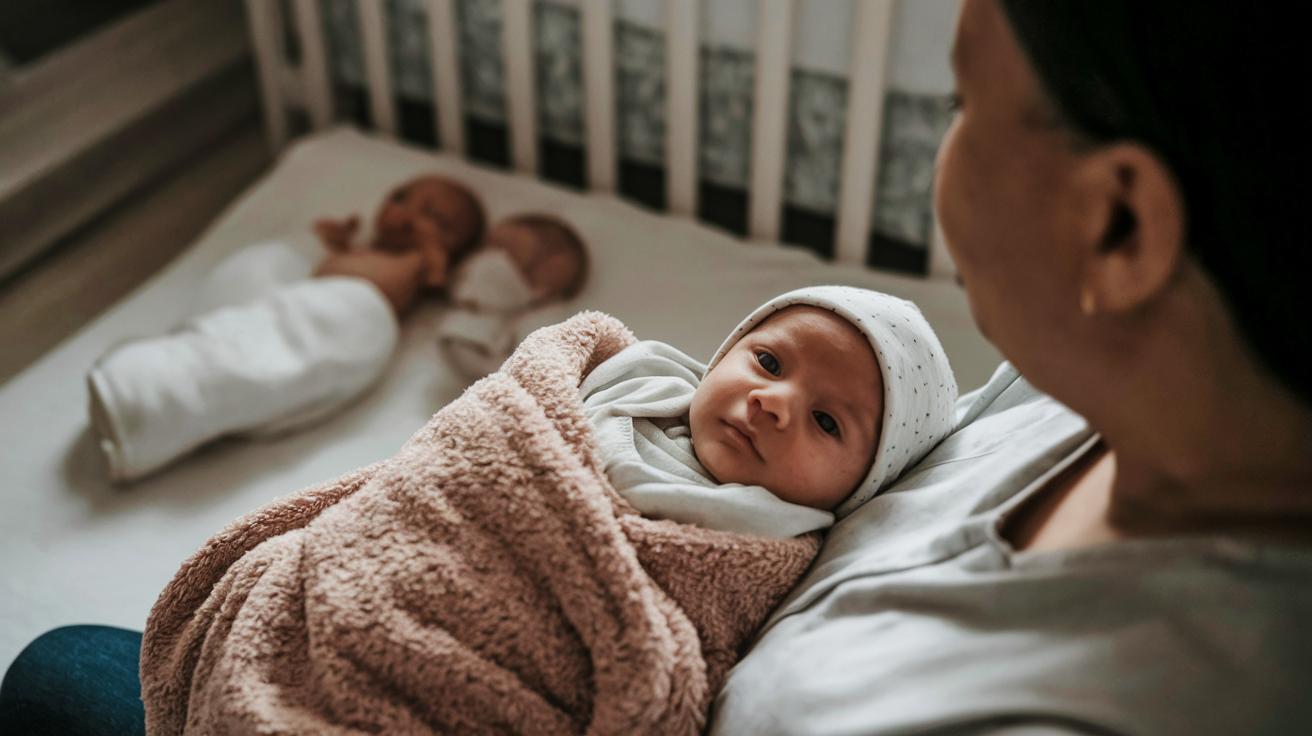
Some babies don’t like sleeping on their backs. A gentle swaddle can wrap them up like a warm hug and give them the cozy feel of tummy sleep without the risks of lying on their stomach. I once heard a parent say, "Swaddling like a warm hug can sometimes help my little one feel secure enough to settle." This simple trick can work when back sleeping just leads to fussiness.
Chest sleeping is a safe choice too, but only when you’re fully awake. If your baby feels calm and content resting on your chest, sit close and keep a watchful eye during naps or bedtime. It really makes a difference.
After your baby turns 12 months, tummy sleeping might be an option as long as you stick to every safe sleep tip. Remember:
- A gentle swaddle can give the feeling of tummy sleep.
- Chest sleep is okay if you’re alert and watching.
- Only transition to tummy sleep when all guidelines and your baby’s development are just right.
Final Words
In the action, we explored infant sleep guidelines that keep our little ones safe and snug. We looked at when can an infant sleep on their stomach, shared tips on a hazard-free sleep setup, and noted the important rolling milestones that signal readiness. We also touched on safe tummy sleep for newborns and transitioning strategies that support healthy development. Every parent’s care makes all the difference. Embrace these insights and feel confident in creating a restful, secure environment for your baby.
FAQ
Q: What benefits does tummy time provide compared to tummy sleeping?
A: The benefits of tummy time include building strong neck and shoulder muscles and promoting motor skills. For sleep, doctors recommend back-sleeping to lower the risk of SIDS.
Q: Can babies sleep on their stomach safely at different ages, like 1, 5, or 6 months?
A: While some babies roll naturally by 5–6 months, guidelines advise placing all infants on their back during sleep until 12 months to keep them safe from SIDS, even if they occasionally roll over.
Q: Is it okay for newborns to sleep on their stomach?
A: Newborns sleeping on their stomach increase the risk of SIDS. Experts strongly advise placing newborns on their backs until they develop the ability to roll over reliably on their own.
Q: Can a parent allow stomach sleeping if they watch their baby or if the baby sleeps on a parent’s chest?
A: Even with constant supervision, babies sleeping on a parent’s chest or stomach carry added risks. Experts recommend a firm crib with a clear sleep surface for safe sleep practices.
Q: What should I do if my baby rolls onto their stomach while sleeping?
A: If an unswaddled baby rolls onto their stomach in a hazard-free crib, it is generally safe. Continue placing your baby on their back during sleep times until 12 months.
Q: Is it okay for a 6-month-old to sleep face down?
A: At around six months, many babies roll into a tummy position naturally. If your baby shows consistent rolling both ways and is unswaddled in a safe sleep setup, face-down sleep becomes less concerning.