
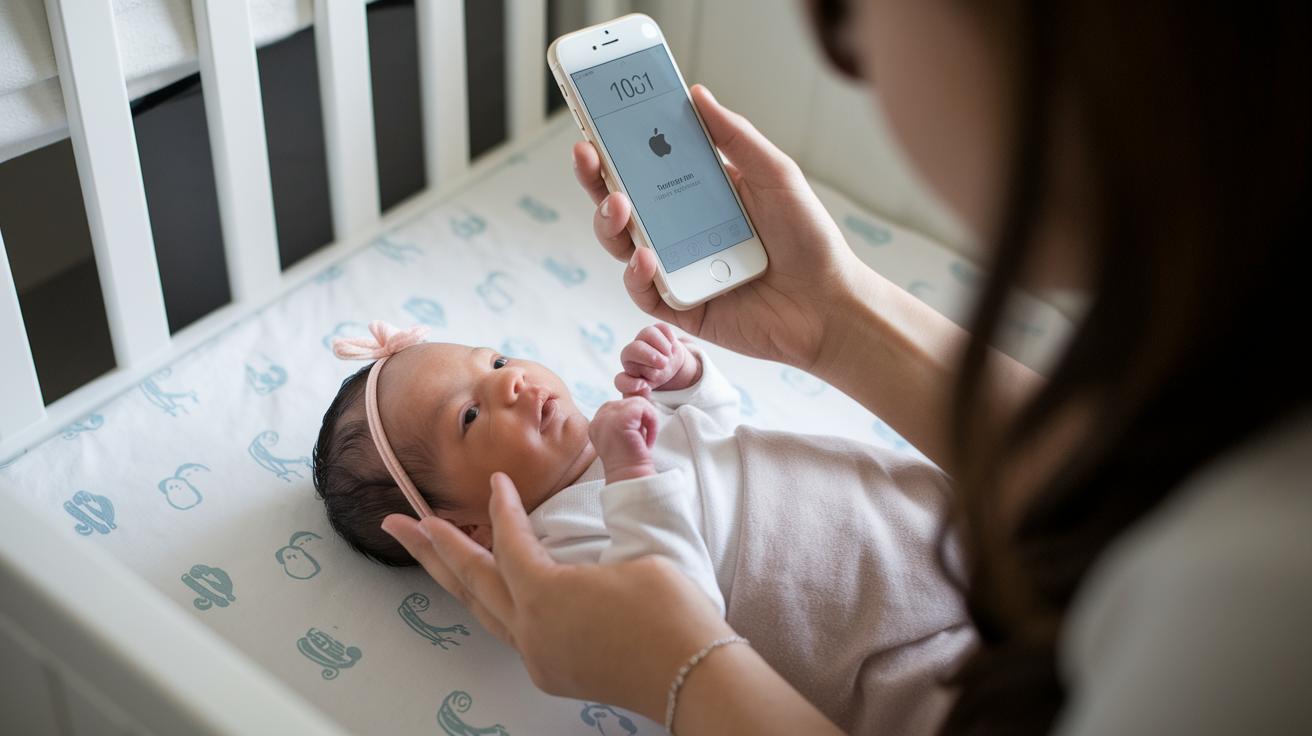
Have you ever noticed a tiny change in your newborn that makes you stop and wonder? Sometimes it isn’t just a slight change in temperature, it might be an early hint that something isn’t quite right. For example, a mild fever, a change in feeding habits, or even a different kind of breathing sound can quietly tell you that your little one needs a little extra care. In this post, we share clear, simple tips to help you spot these important signs early so you can continue to comfort and care for your baby with confidence.
Crucial Warning Signs Your Newborn Is Sick

It can be worrisome when your little one isn’t acting like themselves. One thing to check is if your baby has a fever. If their temperature hits 100.4°F or higher, it’s a sign to take note. Have you ever felt that your baby seems warmer than usual? In one study, even a small rise in temperature turned out to be the very first clue of an infection.
It’s also important to watch how your baby feeds. If they start refusing their feeds or lose more than 10% of their birth weight, these could be signs something isn’t right. Sometimes, even breathing can give you hints. Normally, babies breathe around 30 to 60 times each minute. But if you notice more than 60 breaths or hear grunting sounds, it might be time for a chat with your doctor.
Other signs to look for include a change in skin color, such as a pale tint or a bluish hue around the hands and feet. Your baby might also show signs of dehydration, like a dry mouth, no tears when crying, or a sunken soft spot on their head. And if your baby seems unusually irritable or cries in a way that no one can soothe them, or if a new rash appears, trust your instincts and call your pediatrician.
For more advice on newborn care, you can check out these essential guidelines at "how to take care of a newborn": https://bsnuggs.com?p=236
Recognizing Fever and Elevated Temperature in Newborn Health Warnings
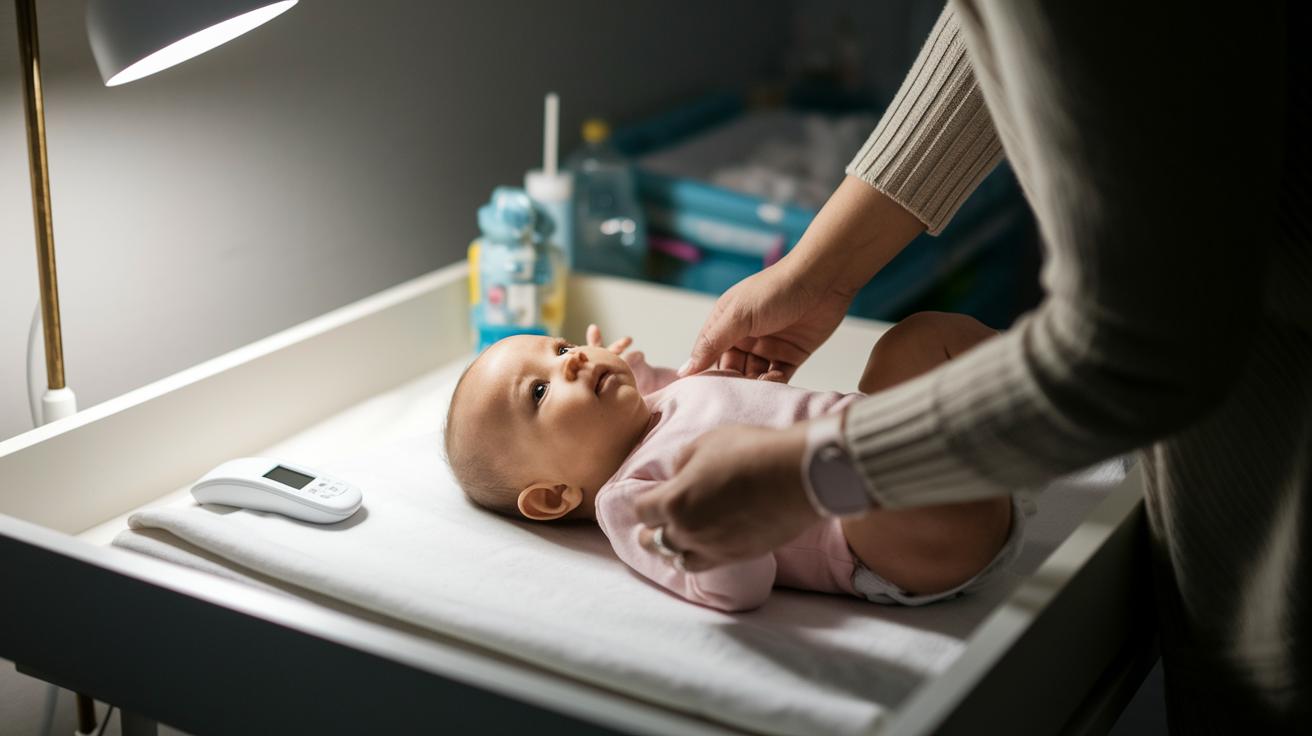
When you’re caring for your little one, keeping an eye on their temperature is really important. For babies under 60 days old, a reading of 100.4°F or above might be a sign something isn’t quite right. It’s best to use a rectal thermometer since it usually gives the most reliable readings, though a non-contact thermometer can be handy for a quick check when you’re on the go.
If your baby seems unusually warm or extra fussy, it’s a good time to take their temperature. Try checking it a few times during the day. If those higher readings stick around, it might be a signal of an infection or another issue that needs attention. I remember a parent once saying, “I checked my baby’s temperature several times. When it wouldn’t drop, even after some cooling measures, I knew it was time to see a doctor.”
Regular monitoring helps you understand what’s normal for your baby. And if you notice signs like increased irritability or less energy along with a fever, it’s a good idea to consult a healthcare professional. After all, you know your baby best, and every little bit of care makes a big difference.
Identifying Feeding Difficulties and Growth Alerts in a Sick Newborn

If you notice your baby isn’t latching well or sucking strongly, it might mean they aren’t getting enough nourishment. You may even find yourself saying, "Feeding barely lasts ten minutes and there’s hardly any suck," which can be really worrying.
It’s important to keep an eye on their growth too. A baby losing over 10% of their birth weight by day seven or making fewer than six wet diapers in 24 hours might be struggling. Noticing these signs together with feeding troubles gives you a clearer picture of how well your little one is doing.
Spotting Respiratory Distress and Breathing Problem Indicators in Newborns
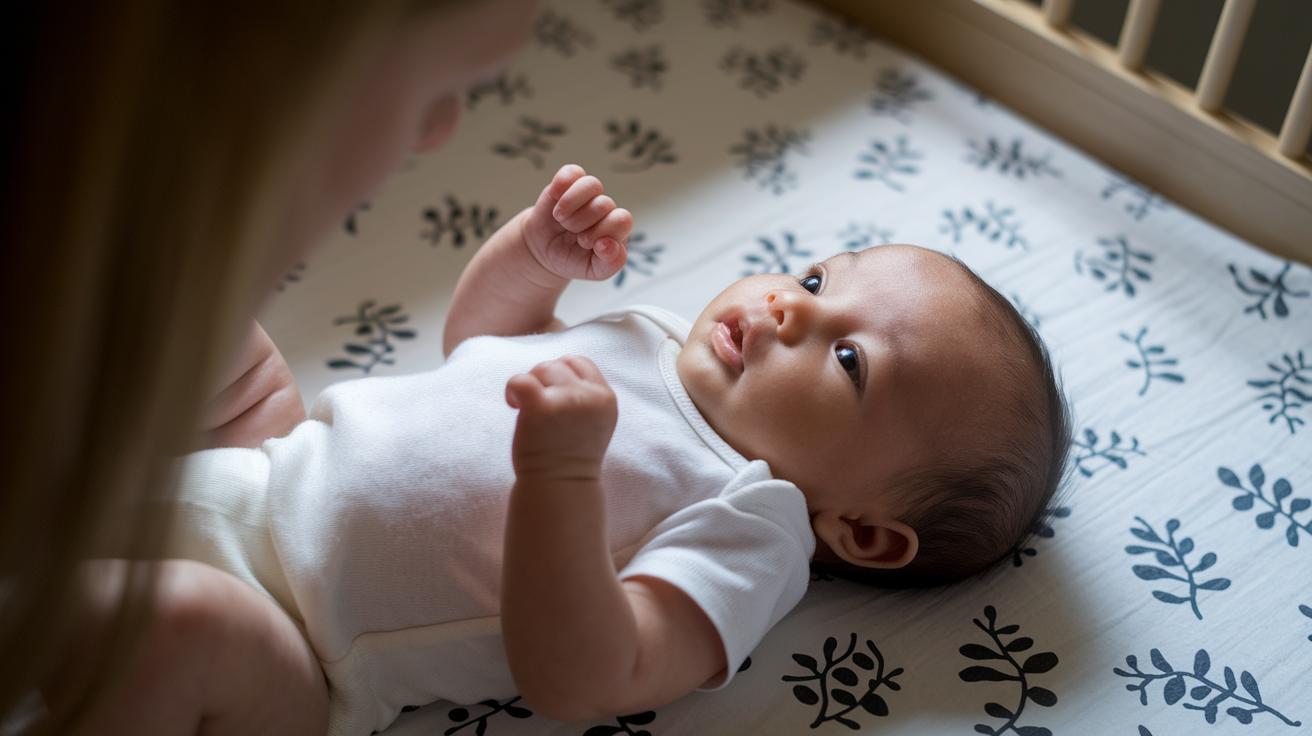
Watching your baby breathe gives you important clues about their well-being. Most newborns take about 30 to 60 breaths each minute. If your little one consistently breathes more than 60 times a minute, it could mean they're feeling stressed or have an infection. When breathing speeds up too much, it can be harder for them to get the oxygen they need.
Keep an eye out for nasal flaring, which is when the sides of the nose widen every time they breathe. Also, notice if the skin between the ribs pulls in with each breath; this could signal that your baby is having a tough time. Sometimes, you might even hear grunting sounds as your baby works hard to breathe.
Coughing or wheezing might mean there’s irritation or an infection in the lungs. Occasionally, parents observe short pauses in breathing. These brief stops, called apnea episodes, are not typical for healthy newborns and should be discussed with your doctor.
Remember, small changes in your baby's breathing can be significant. Note any ongoing irregularities, and if you keep seeing these signs, it’s best to get a check-up to ensure your baby remains safe and comfortable.
Noticing Behavioral Shifts: Lethargy, Fussiness, and Crying as Health Signals

Sometimes, the smallest changes can tell us a lot. When your usually bright and lively baby starts to feel overly sleepy, it might be a sign that something isn’t right. Imagine a parent saying, "My baby seems so drowsy, almost like the colors of the world have faded during feeding." This drop in energy can be a clue to watch closely.
If your little one struggles to wake for feeding time, even with gentle nudges, it's worth taking seriously. It might be that your baby is quietly asking for help.
When you hear persistent, high-pitched crying that doesn’t ease with the usual soothing techniques, pay attention. That cry might be more than standard fussiness; it could be a plea saying something isn’t okay.
Also, if your baby seems extra irritable or not their usual happy self, it’s a gentle hint to look closer. These changes, even if subtle, offer important signs about their health.
Noticing these shifts early makes it easier to reach out to your healthcare provider for guidance when needed.
Physical Cues: Skin, Hydration, and Gastrointestinal Warning Signs
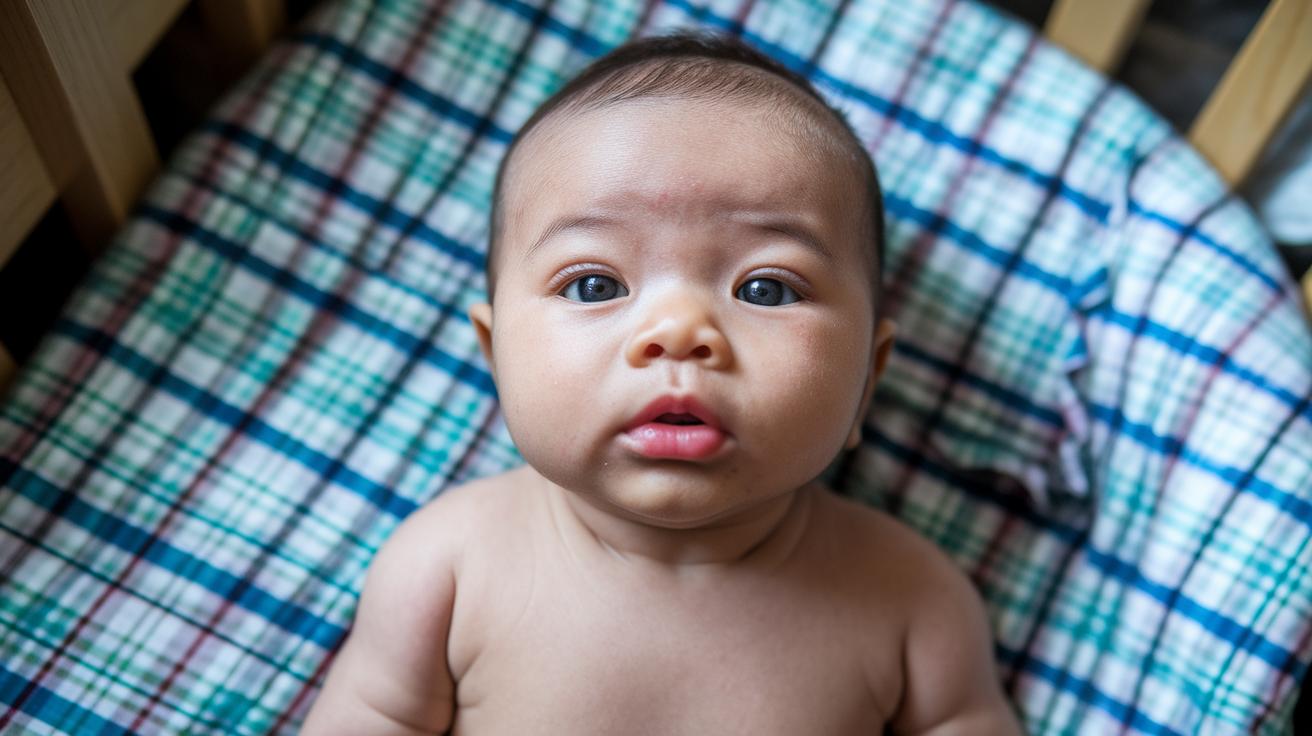
It can be tough to know when your baby might be a bit off. Sometimes you'll notice dry lips, a dry mouth, or even a little dip where their soft spot should be. You might catch yourself thinking, "My baby isn’t crying like before, and that cheerful smile seems a bit dimmer." These are little hints that they might need a bit more water.
Then there are changes in their skin. Imagine spotting tiny red patches or a color that seems unusual on your baby’s skin. Even a slight yellow tint, what we call jaundice, can be a clue. It’s natural to wonder, "Does my baby’s skin look a bit tired today?" When you see these signs, it’s a good idea to chat with your doctor.
And don’t forget about tummy troubles. More than just the usual spit-up, if you see frequent vomiting, diarrhea, or even mucus in their stools, it might be a sign that their digestive system needs extra care. Even small changes in how they handle feedings or tummy time can signal that they’re not feeling their best.
Knowing When to Seek Professional Help for a Sick Newborn
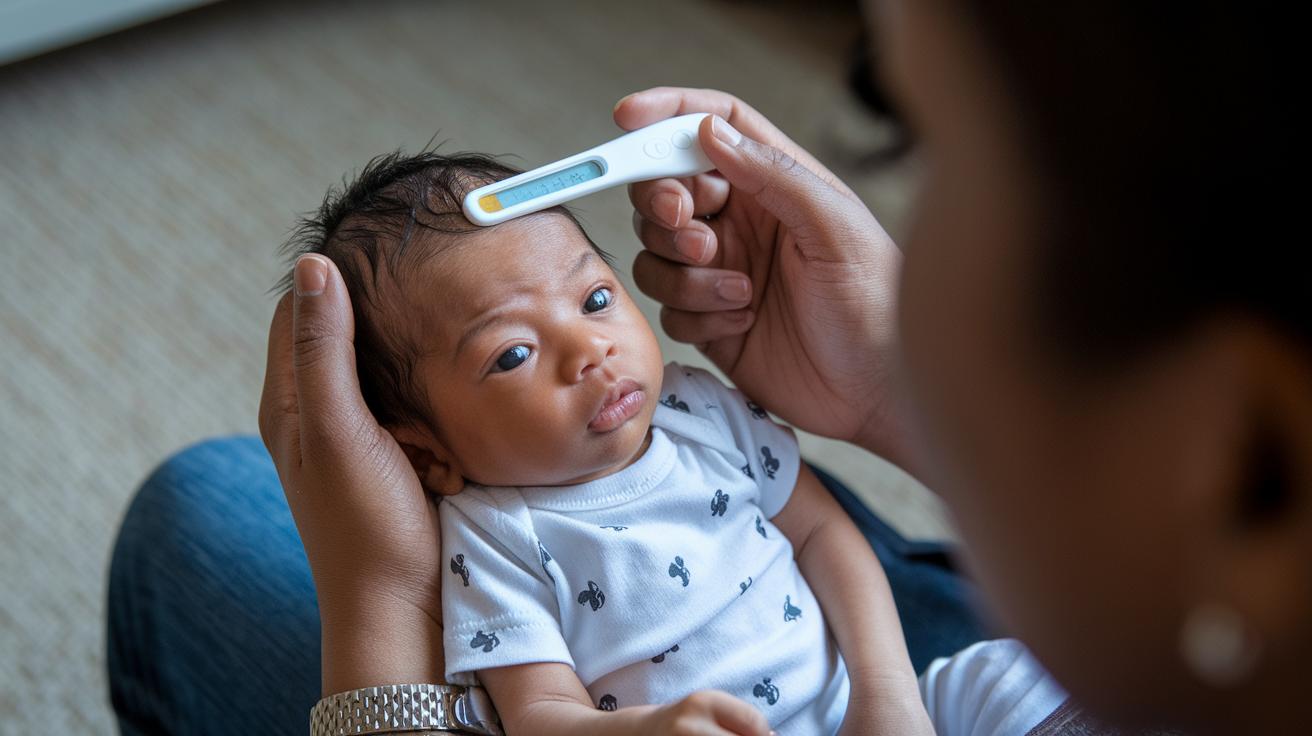
Have you ever noticed your newborn running a high fever that just won’t break? If your baby, less than 60 days old, has a temperature over 100.4°F even after you try to cool them down, it’s a clear sign something’s not right. If this fever sticks around for a full day, it’s best to have your pediatrician take a closer look.
Also, watch for changes in your baby’s feeding habits. If your little one goes more than four hours without feeding and just isn’t acting like themselves, take extra notice. And if you see even a bit of breathing trouble that doesn’t get better after about two hours, it might be time to chat with your doctor about making an urgent care visit.
Sometimes, the signs are even more obvious. If you notice your baby seems unresponsive or if their skin suddenly looks pale or bluish for more than two or three hours, don’t wait. That could mean it's time to head straight to the hospital so experts can check on them right away.
Trust your instincts, too. When you feel uneasy about your baby’s symptoms or how long they’ve been going on, reach out to your pediatrician immediately. Your intuition is a powerful tool when it comes to your child’s health.
For more advice and support, check out first time parent tips.
Final Words
In the action, we explored temperature shifts, feeding challenges, breathing patterns, and behavioral changes. We highlighted key cues like a high fever, feeding struggles, and skin shifts that help you recognize signs a newborn is sick. By breaking down each warning, from dehydration to unusual irritability, we hope to empower you with the clarity needed to act swiftly. Every bit of advice is shared with care, giving you confidence to protect and nurture your little one. Keep smiling, and remember that each step you take brings comfort and safety to your baby.
FAQ
Frequently Asked Questions
What are the danger signs in a newborn baby?
The question about danger signs means watching for symptoms like a fever of 100.4°F or higher, poor feeding or weight loss above 10% of birth weight, rapid or labored breathing, skin color changes, persistent irritability, and dehydration cues.
How do I tell if my newborn has a cold?
The question about a newborn having a cold means looking for mild nasal congestion, a slight cough, or a runny nose; however, if the baby shows high fever or breathing difficulties, it’s time to seek medical advice.
How can I tell if my baby is sick rather than just being fussy?
The question on whether your baby is sick means checking for signs beyond normal fussiness, such as a refusal to feed, unusual lethargy, abnormal crying patterns, changes in skin color, or breathing issues that require attention.
When do babies get sick for the first time?
The question about when babies first get sick means that newborns can show signs of illness as early as the first few weeks, especially if symptoms like fever or feeding problems occur, varying from one baby to another.
What are the newborn warning signs of autism?
The question on autism warning signs means that autism is typically not diagnosed in the newborn phase; early behavioral cues are subtle and usually become more noticeable when the child is a toddler, focusing on social and communication developments.
What should I do if my newborn seems sick?
The question on what to do when a newborn seems sick means you should contact a healthcare provider immediately if your baby shows signs such as a persistent fever, refusal to feed for several hours, breathing distress, or significant changes in behavior or appearance.
What happens if a newborn gets sick?
The question about what happens when a newborn gets sick means that the baby may exhibit several warning signs which require timely medical evaluation, ensuring proper care and monitoring to prevent complications.
What are the first signs of RSV in babies?
The question regarding RSV signs means watching for symptoms like rapid breathing, coughing, wheezing, nasal flaring, or chest retractions; these signs in a baby suggest that a quick medical review is needed.