

Have you ever felt that a few simple self-care steps might make the early days of parenthood a bit gentler? Newborn life can sometimes feel like a whirlwind, but little choices, like planning meals in advance or asking for a helping hand, can bring small moments of calm.
Taking time for you reminds you that self-care is as important as caring for your baby. When you nurture yourself, you feel refreshed and ready to face parenthood with warmth and confidence.
Postpartum Self-Care: Key Foundations for New Parents

Before your baby arrives, take a little time to set up your home so everything feels relaxed and ready. Maybe schedule a housekeeper or join a meal train so you have one less thing to worry about. I remember a parent saying, "I spent one afternoon preparing freezer meals and those first few nights were much smoother." And yes, having extra toiletries and your postpartum medications ready can really help ease you into this new chapter.
When you’re drawing up your pre-arrival checklist, try breaking things down into simple steps. For instance, you might:
- Arrange for a cleaning service once a week.
- Prepare meals that just need a quick heat-up.
- Organize your medications and personal care items so you’re not rushing around later.
Also, don’t hesitate to lean on friends and family for help with chores or a little childcare. Asking for a hand means more time for that much-needed rest. Remember, delegating doesn’t take away your control, it actually gives you the strength to be there for your baby. For some extra guidance, you can check out these first-time parent tips at bsnuggs.com for a checklist that covers everything from meal planning to self-care.
By planning ahead and relying on your support network, you can give yourself the gift of quiet and focus, making the postpartum period a gentle time to recover, adjust, and feel renewed.
Postpartum Self-Care: Nurturing Emotional and Mental Well-Being

Becoming a new parent is a beautiful journey filled with moments of deep love and occasional feelings of uncertainty. Some days may feel bright and uplifting, while on others, you might feel overwhelmed or even a bit low. It’s completely normal to ride this emotional roller coaster. Recognizing when your feelings are just a passing mood versus something more serious is an important step in taking gentle care of yourself.
Sometimes, talking about these feelings can make all the difference. Chat with your partner, a close family member, or a friend who gets what you’re experiencing. It might be as simple as saying, "Today feels a little heavier than usual." Sharing helps clear the air and can reveal little insights that brighten your path forward.
Here are some warm, simple ideas to help you check in with your emotions:
- Keep a short daily journal to note your mood.
- If emotions feel too much, reach out to a trusted therapist.
- Join an online support group where fellow parents share their ups and downs.
- Watch for signs like ongoing sadness, a loss of interest in things you love, or feeling numb, these might mean it’s time to get extra help.
Taking care of your emotional well-being while you adjust to life with your baby not only supports your recovery but also builds a gentle foundation for your whole family. Every feeling, whether joyful or challenging, is a meaningful part of your journey toward a renewed sense of self.
Postpartum Self-Care: Physical Recovery and Comfort Measures
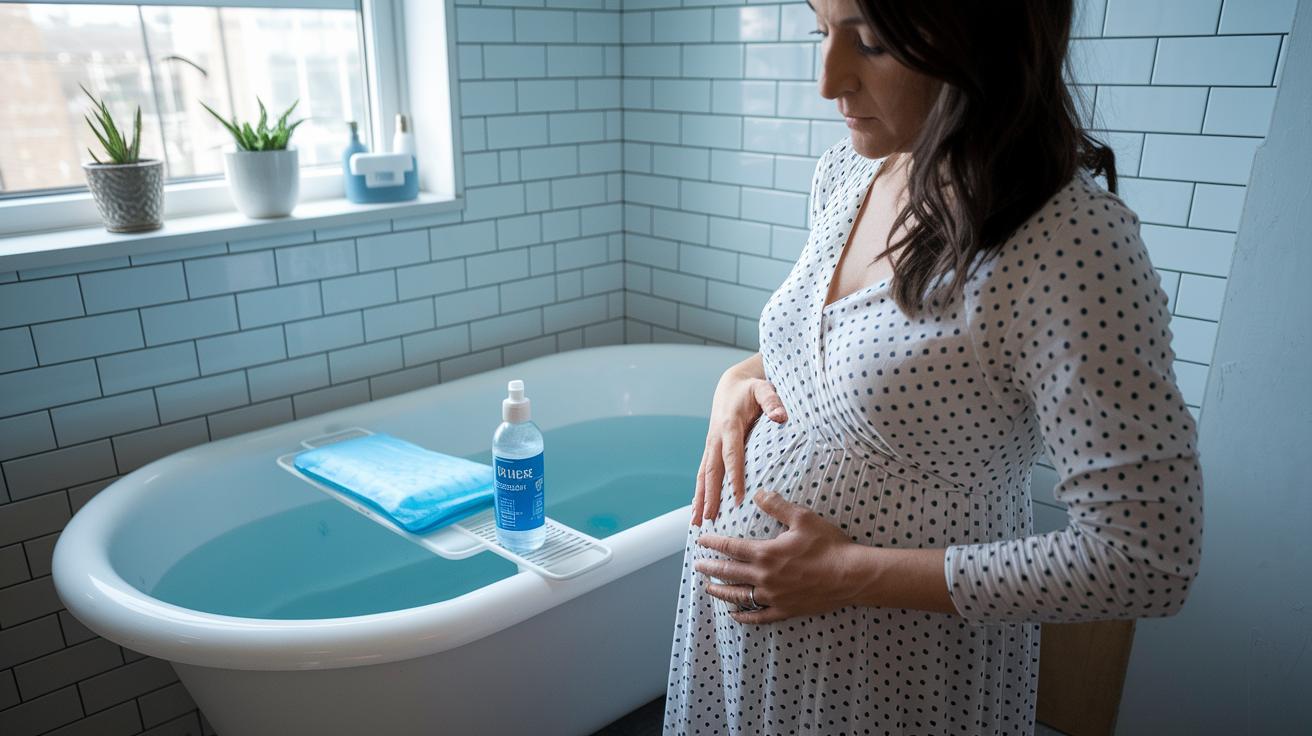
After childbirth, treating your body with kindness is key. Many parents rely on simple, gentle methods to ease aches and support healing. For example, you might take a pain reliever like ibuprofen or acetaminophen, following your provider’s advice. A soft ice pack can help reduce swelling, and a heating pad can relax cramping muscles and ease tension.
Taking care of your perineum is also an important step in recovery. Many parents find that a sitz bath with warm water feels soothing. Others prefer using a peri rinse bottle to gently clean the area. And when a full bath isn’t possible, a perineal spray or witch hazel pad can offer much-needed comfort and help lessen inflammation.
Putting together a little recovery kit for those early days can really make a difference. Such a kit might include:
- A peri rinse bottle for a gentle clean
- Disposable pads to manage postpartum bleeding
- Supportive underwear for extra comfort
- Stool softeners to ease constipation
- Epsom salt for a soothing bath (just check with your provider first)
- Your prenatal vitamins to keep healing on track
Having your own recovery kit means your comfort items are always close at hand. By choosing products that ease pain and bring a sense of calm, you give your body the chance to heal naturally. Every little step, from a cooling ice pack to a warm heating pad and the essentials nearby, supports your recovery and helps you feel a bit more renewed each day.
Postpartum Self-Care: Nutrition and Hydration Guidance

Taking care of yourself after birth is all about gentle self-love and providing your body with the nutrition it needs to heal. Try to enjoy balanced meals packed with protein, iron, fiber, and healthy fats. A nourishing breakfast or snack can quickly lift your energy, imagine a creamy Greek yogurt parfait with fresh berries and a handful of nuts. It’s satisfying, simple, and gives you a boost when you need it most.
Staying hydrated plays a big role in your recovery. Aim for at least eight 8-oz glasses of water each day. Water helps with milk production and keeps you feeling refreshed. Keeping a water bottle nearby is an easy way to remind yourself to drink more. It really can make a big difference.
It’s also wise to limit added sugars and heavy fats. Instead, think about a vibrant green smoothie made with fresh spinach, a ripe banana, and a scoop of protein powder. These blends are quick to mix and offer a powerful burst of nutrition to keep you going.
And remember, you’re not alone. Continuing your prenatal vitamins even after delivery can give you that extra support to rebuild your strength. Balancing your meals and staying hydrated are simple acts of self-care that help you feel renewed as you care for your little one.
Postpartum Self-Care: Sleep Improvement and Time Management

Rest is so precious right now. When your baby drifts off, try to take a little nap along with them. Even a short, quiet moment can help you feel a bit more refreshed. I remember one parent saying, "I set a timer to avoid oversleeping and ended up with a perfect 20-minute power nap!"
Sharing nighttime tasks can really lighten the load. When you swap feedings or diaper changes with your partner, both of you get more uninterrupted rest. And sometimes it’s a great idea to bring in a night nurse or postpartum doula for a bit of extra help on those extra-tiring days.
Managing your time beyond baby duties matters too. Consider making freezer meals ahead of time or organizing a meal train with caring friends or family. A little tip: keep your rest aids and meal support details ready as part of your routine, think of it as your own mini "new parents care package" (new parents care package). Simple steps like these can free up some time just for you.
Don't hesitate to accept help with chores like cleaning, laundry, or errands. Embracing support in small ways helps you carve out those much-needed rest breaks, so you can balance the care of your baby with caring for yourself.
Postpartum Self-Care: Mindfulness and Gentle Postnatal Movement

Sometimes all you need is a small mindful pause to recharge both your body and heart. Imagine starting your day with just 5 to 10 minutes of guided meditation, softly reminding yourself, I give myself this moment of calm to breathe in peace, before your busy day unfolds.
You might find it helpful to weave in simple mindfulness moments throughout your day. Perhaps try jotting down your thoughts in a quick journal or slowly counting your breaths for a few moments. These easy exercises clear your mind and help restore balance amid the daily rush.
Many new parents discover comfort in gentle movement after birth. Healing yoga can be a kind way to ease tension and rebuild strength as you care for your body. Picture a slow, flowing yoga session that gently melts away stiffness and lifts your spirits. Postnatal Pilates might also be a great addition, helping support your core without putting too much strain on you.
Simple stretching routines for your neck, shoulders, and hips can also work wonders. A few easy twists or side stretches relieve tightness and open up space for a bit of relaxation. Using tools like guided imagery or a calming app can add an extra dose of peacefulness, so your mind can rest as you heal.
One thoughtful idea is to check off each self-care activity on a simple list to see your progress. These mindful, low-impact movements not only help you feel renewed but also reconnect you with your body in a gentle, nurturing way.
Postpartum Self-Care: Building Your Support Network

Your support network is like a warm hug, blending everyday care from loved ones with professional advice when needed. When you notice your energy dipping or your mood shifting, even a brief, unexpected text from someone who cares can be a gentle reminder that help is always near. I remember a parent once saying that a quick mid-day call turned a tough afternoon into a moment of calm.
If you start feeling deeply tired or overwhelmed, it might be time to explore a virtual perinatal therapist session. This extra step offers professional insight that perfectly complements the heartfelt care you get from those close to you.
Final Words
In the action, this article highlighted how small changes like household prep, meal planning, and accepting support can ease early parenting days. It touched on nurturing emotional balance, gentle physical recovery, proper nutrition, and better sleep routines. We also explored the value of mindfulness and building a caring support network. Remember, effective postpartum self-care tips for new parents empower you to care for yourself while caring for your baby. Every step you take makes a lasting, positive impact. Keep embracing these gentle practices and enjoy the rewarding moments ahead.
FAQ
What is a postpartum self-care checklist and what should new moms consider?
A postpartum self-care checklist covers must-have items like toiletries, medications, meal prep supplies, and a plan to accept help. This list supports both physical healing and emotional comfort.
What are things new moms need for themselves after birth and what products help?
New moms benefit from self-care products such as gentle perineal care items, pain relievers, and cozy clothing. These products help ease recovery while making home life a bit more comfortable.
What does immediate care of a mother after delivery involve?
Immediate care after delivery involves managing pain with approved medications, using perineal care aids, and setting up a recovery kit that nurtures healing and comfort during those early days.
What are self-care postpartum gifts and what do they offer?
Self-care postpartum gifts include thoughtful items like soft robes, soothing teas, and wellness kits. They offer new moms a gentle reminder to take time for themselves as they settle into motherhood.
What are postpartum essentials for C-section recovery?
For C-section recovery, essential items include pain relief options, gentle shower aids, soft supportive clothing, and perineal care products that assist in easing discomfort and promoting a smoother healing process.
What is the 5 5 5 rule postpartum and what does it mean?
The 5 5 5 rule postpartum encourages taking five minutes every five hours for five self-care activities. This gentle framework helps new moms carve small, nurturing moments into their busy days.
What is the 40 day rule for newborns and what does it involve?
The 40 day rule is a traditional period for the new mom and baby to rest, bond, and ease into motherhood. It focuses on gradual adjustment and devoted time for healing and care.
Why do new moms wait 6 weeks after birth to take a bath and what does that entail?
Waiting 6 weeks for a full bath after birth allows the body to heal, especially in sensitive areas. This safety measure helps reduce infection risk while giving the mom time to recover fully.
Which postpartum week is typically considered the hardest and why?
Many new moms find the first couple of weeks most challenging as they adjust to physical changes, fatigue, and caring for their newborn. This period is often the most emotionally and physically demanding.