
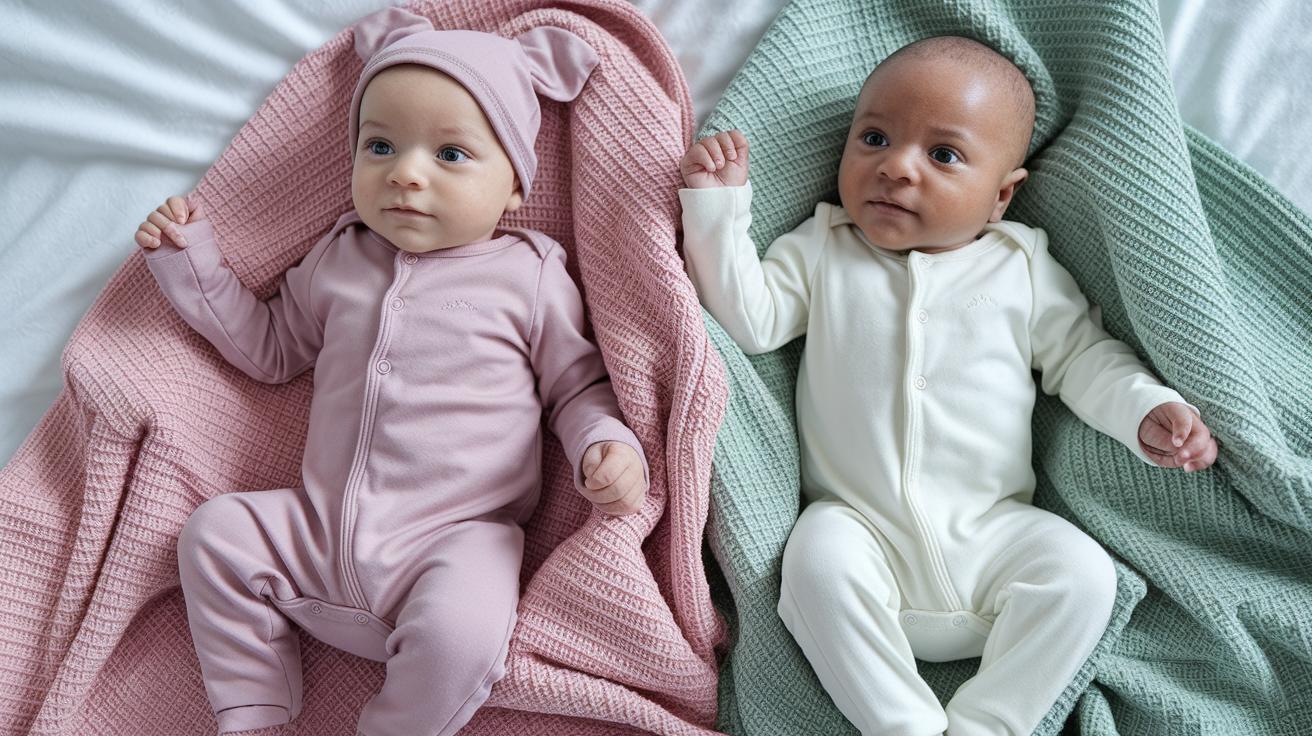
Have you ever wondered if your baby's clothes can do more than just keep them cozy? Organic cotton brings a pure, chemical-free softness that feels like a gentle hug. Bamboo, on the other hand, offers a silky feel and helps keep your baby cool, even though its process might use chemicals sometimes. It might seem hard to balance comfort, sensitive skin, and caring for our planet. In today’s guide, we take a friendly look at these two fabrics so you can decide which one offers the best natural care for your little one.
Organic Cotton vs Bamboo Baby Clothes: Choosing the Best for Your Infant
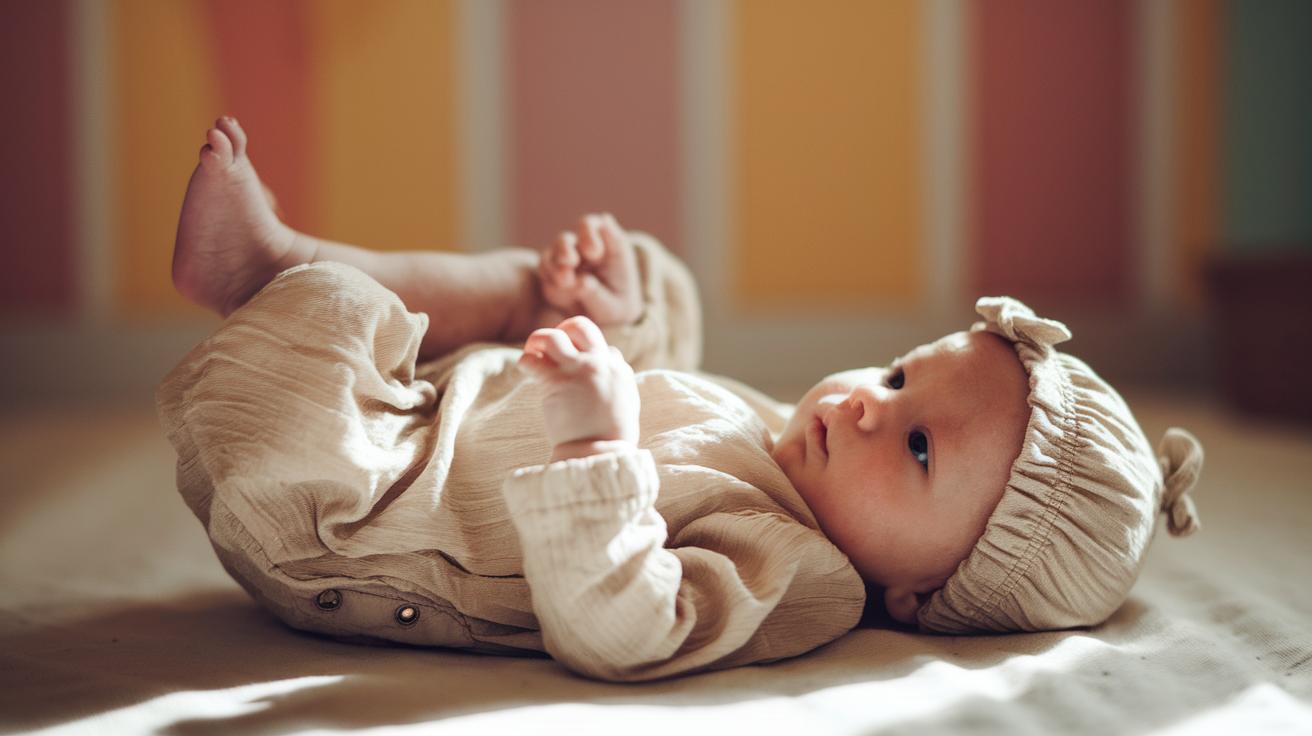
Organic cotton is loved by many parents because it’s gentle on baby skin and grown without harsh chemicals. It comes from non-GMO plants that are nurtured without synthetic pesticides. Farmers use natural methods like rotating crops, composting, and collecting rainwater to save water. This careful approach means you get a fabric that’s free of harmful traces and naturally soft. Imagine a tiny touch that feels as light as a warm breeze on a sunny day.
Bamboo baby clothes offer a wonderfully smooth feel and even help keep your baby’s body temperature just right. Bamboo grows very quickly and generally doesn’t need pesticides, which sounds great for our planet. However, most bamboo fabric is turned into rayon or viscose using chemicals like sodium hydroxide and carbon disulfide. These chemicals might leave behind traces that can irritate young skin. There is a more eco-friendly way to process bamboo into lyocell with a closed-loop process, though it can be a bit more expensive. If you’re curious about the details, you can explore more about bamboo baby clothes at https://bsnuggs.com?p=339.
Comparing these fabrics side-by-side, organic cotton is often praised for its chemical-free nature and durability. It is usually GOTS certified and is a wonderful choice for babies with sensitive skin. Bamboo fabric, on the other hand, excels at wicking moisture and keeping your baby cool, but its production process might raise some concerns.
When making your decision, think about what matters most to you. Do you value a fabric that is naturally pure and chemical-free, like the organic cotton baby clothes at https://bsnuggs.com?p=171? Or are you drawn to the silky feel and moisture-wicking benefits of bamboo? It all comes down to finding the right balance of safety, comfort, and environmental care to give your little one the purest start in life.
Production Processes of Organic Cotton vs Bamboo for Baby Clothing
Organic cotton is grown from non-GMO plants without harsh chemicals, and it follows strict GOTS guidelines to keep it pure. Even small tweaks during spinning can make the fabric feel extra soft, a gentle touch that comforts your baby’s skin.
Bamboo textiles, on the other hand, are made in two ways. One method uses chemicals that might affect both worker safety and our environment. The other, called the mechanical lyocell method, recovers almost all of its solvents and gives the fabric a smoother feel. Think of it like a closed-loop process that leaves the material as soft as a gentle breeze.
Both approaches are designed to offer baby-friendly fabrics. While there are small differences in the final finish and cost, the goal is the same, providing safe and cozy textiles for your little one.
Softness and Breathability in Organic Cotton vs Bamboo Baby Clothes
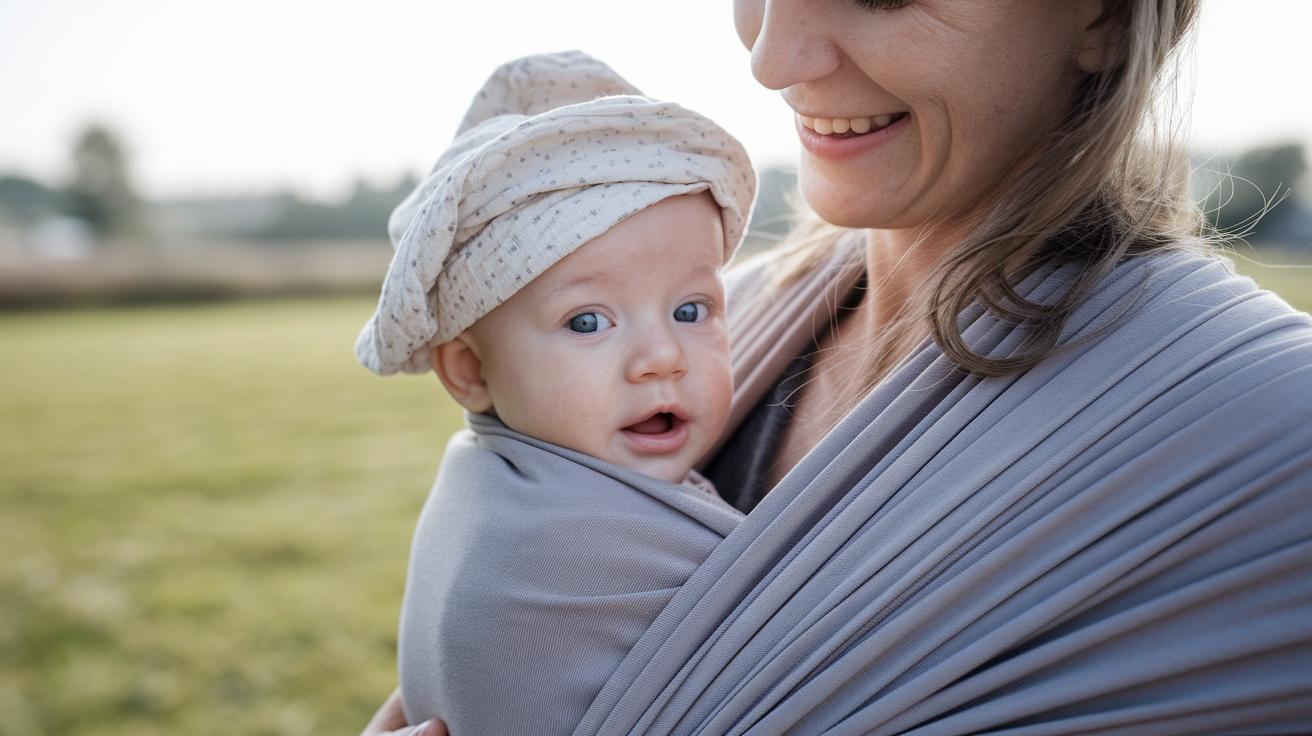
Organic cotton wraps your baby in a natural, gentle hug. It lets air flow softly through its fibers, like a calm breeze on a warm day. Even after many washes, it stays light and fresh – like that reassuring embrace you love.
Bamboo feels wonderfully smooth, almost like a gentle caress. It quickly soaks up any moisture, keeping your little one comfy on sunny days. Plus, its natural properties help keep germs at bay, almost like a little cooling helper that makes every day easier.
| Attribute | Organic Cotton | Bamboo Fabric |
|---|---|---|
| Softness | Consistently gentle touch | Silky and smooth feel |
| Breathability | Allows fresh, natural airflow | Keeps moisture in check |
| Moisture-Wicking | Holds its loft wash after wash | Absorbs well with a natural antimicrobial twist |
Durability and Care for Organic Cotton vs Bamboo Baby Clothes
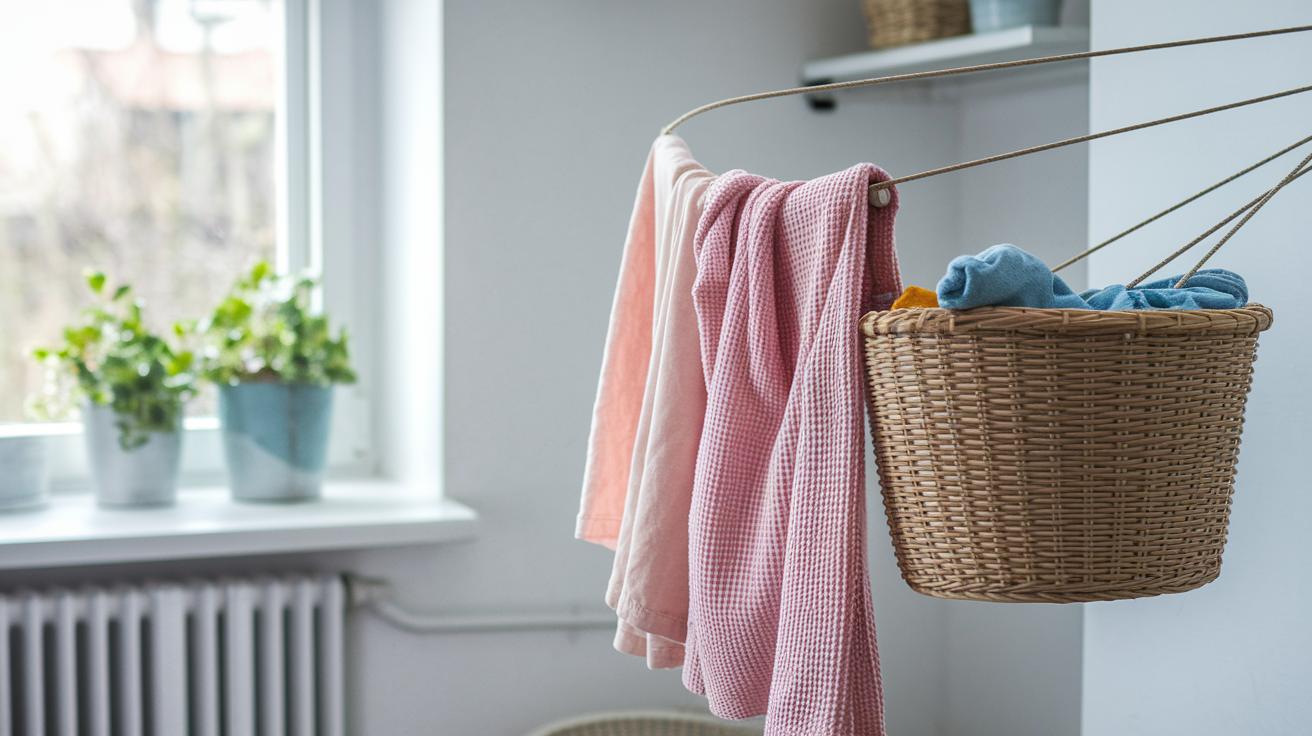
Organic cotton is a champion when it comes to lasting through many washes. When you wash it gently in cool water and let it dry naturally, it stays strong even after more than 30 washes. Bamboo fabrics, however, can lose some of their strength if not cared for properly. For example, bamboo viscose might lose about one-fifth of its strength when exposed to hot water or machine drying. Bamboo lyocell is a bit tougher, holding on to most of its strength with a little extra care.
Here’s a simple way to keep both organic cotton and bamboo looking and feeling their best:
- Wash in cold water on a gentle cycle.
- Use a mild, eco-friendly detergent that leaves out harsh chemicals.
- Skip the bleach and fabric softeners to protect the fibers.
- Dry by lining up in the sun or on low heat if you use a dryer.
By taking these steps, your baby’s clothes will stay soft and sturdy, just like the care you give your little one. Whether you love the robust feel of organic cotton or the smooth touch of bamboo, a bit of tender love goes a long way in keeping things cozy and safe.
Sustainability and Environmental Impact of Organic Cotton vs Bamboo Baby Clothes
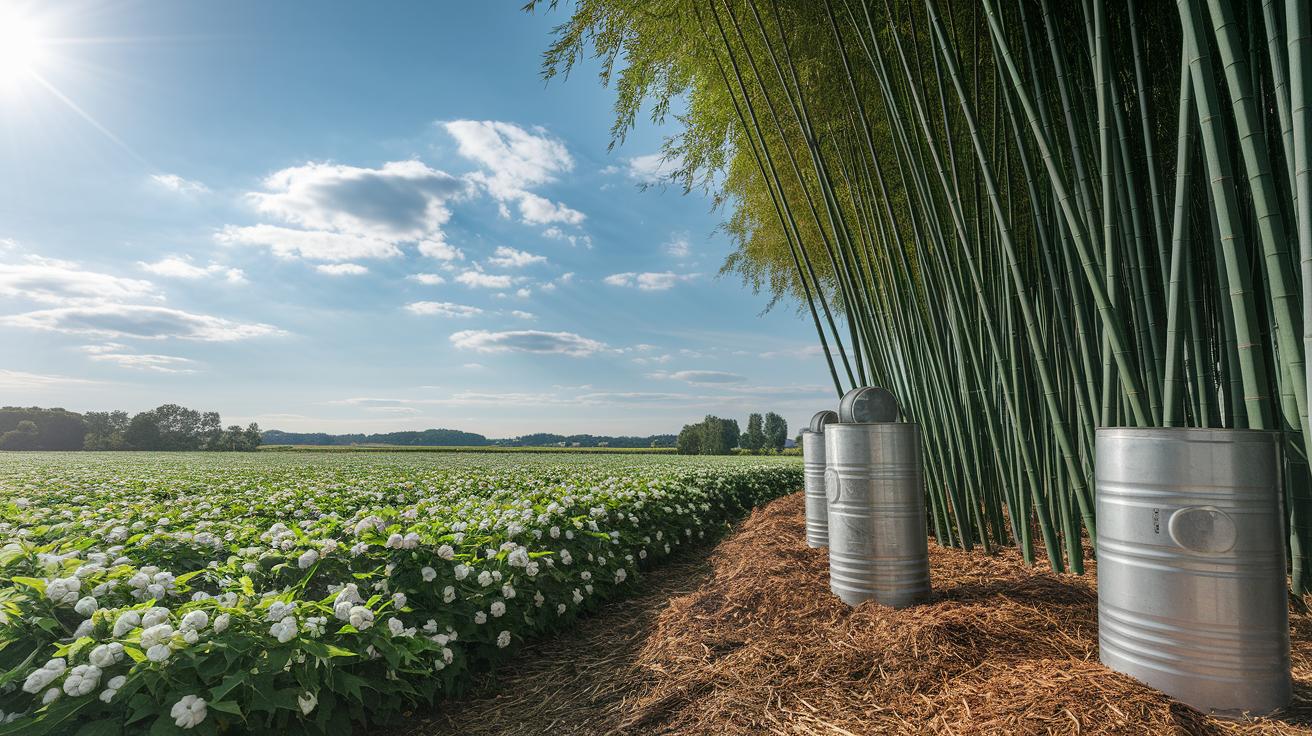
Organic cotton is grown using smart, sustainable methods that cut water use by around 62% compared to regular farming. Farmers collect rainwater and use compost to keep the soil rich and support a lively ecosystem.
Bamboo is a fast-growing plant that needs little fertilizer or extra watering. It naturally absorbs CO₂ and even bounces back on its own after being harvested.
When these fibers become fabric, the process matters. The chemical method for bamboo viscose can release 40–70% of solvents into air and water. On the other hand, a mechanical process, called lyocell, reduces those emissions by about half.
Organic cotton usually carries GOTS certification, a sign of ethical practices and no harmful chemicals. Bamboo made with the lyocell method often meets OEKO-TEX or FSC standards, showing a real commitment to the environment and responsible forestry.
| Statistic | Value/Detail |
|---|---|
| Water Reduction (Organic Cotton) | 62% |
| Bamboo Chemical Process Emissions | 40–70% solvent release |
| Bamboo Lyocell Emissions Reduction | 50% lower emissions |
Organic cotton vs bamboo baby clothes: Pure Comfort
Organic cotton baby clothes usually cost about 15 to 25 percent more than other options. This extra cost reflects the care that goes into growing the cotton and meeting special standards, so you know there are no harmful chemicals and the makers follow ethical practices. Bamboo viscose babywear, on the other hand, often starts off 10 to 15 percent cheaper than organic cotton. That said, prices can change from one brand to another, and bamboo lyocell often falls in the mid-price range.
When you think about long-term value, durability is key. Organic cotton pieces can last over five seasons if you take good care of them, meaning they keep their comfort wash after wash. Bamboo viscose may start to thin out within a year, which could make its cost per wear higher than it first appears.
It all comes down to balancing upfront costs with lasting quality. While organic cotton might seem more expensive at first, its lasting strength could offer better overall value for everyday baby clothing needs.
Certifications and Safety Standards for Organic Cotton vs Bamboo Baby Clothes
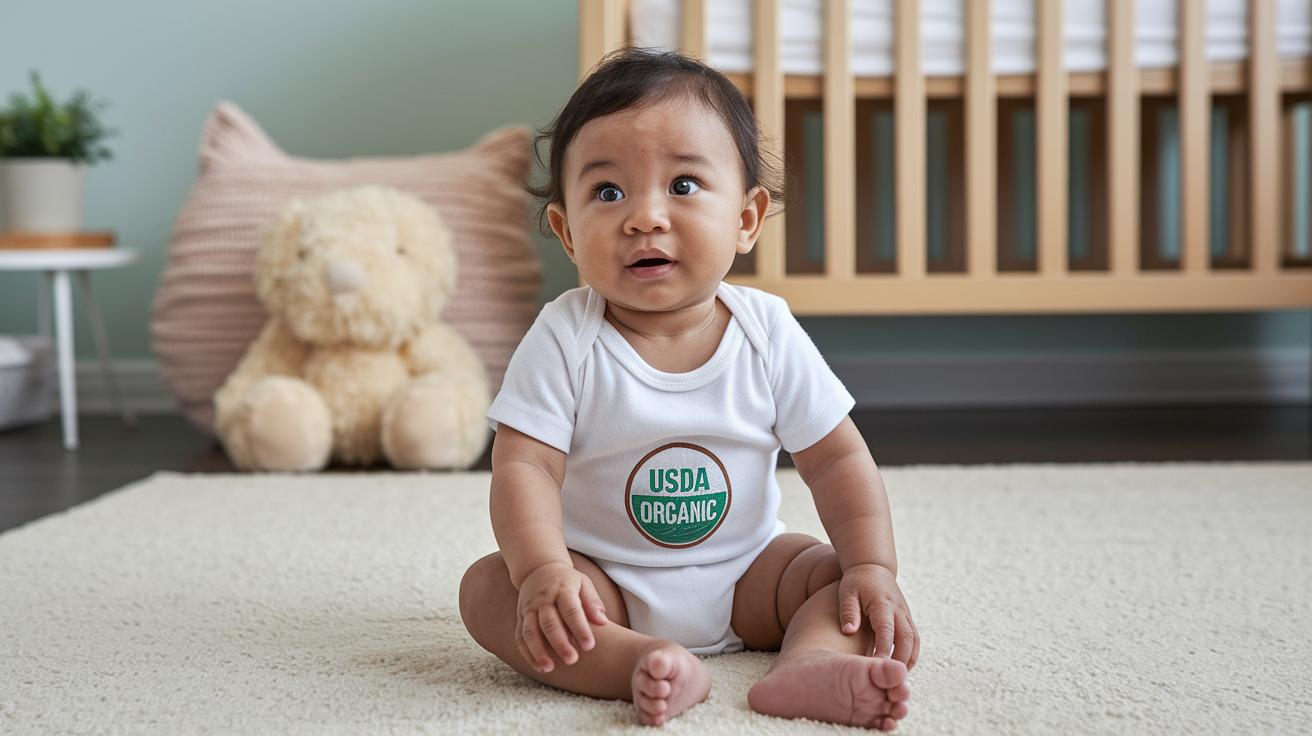
When it comes to organic cotton, labels like GOTS and USDA Organic tell you that no GMOs, harmful chemicals, or unfair work practices were involved. Every piece that meets these strict guidelines is carefully checked for purity and safety, offering a soft, gentle touch on your baby’s skin.
Likewise, bamboo lyocell is kept under close watch by certifications such as OEKO-TEX Standard 100 and FSC. These marks mean the fabric is low in harmful substances and comes from forests managed with care. Without these badges, bamboo fabric might carry some trace chemicals that could worry you.
In both the US and the EU, rules set firm limits on things like lead, formaldehyde, and other strong chemicals in baby textiles. These strict safety checks help ensure that every fabric is rigorously tested before it reaches store shelves, so you can feel confident in your choice.
Every certification is like a little seal of trust, showing that safety and ethical practices were top priorities in production. When you choose fabrics with these labels, you’re investing in cozy, reliable comfort for your baby, and that peace of mind is priceless.
Final Words
In the action, we broke down the differences in comfort, safety, care, and eco-friendly manufacturing of baby clothes. We weighed details like natural softness, breathability, and how each fabric holds up wash after wash. The post helped us see the value behind every stitch, whether it's chemical-free organic cotton or the silky feel of bamboo. It's clear that every choice can bring more ease and joy to keeping your baby safe and cozy with organic cotton vs bamboo baby clothes. Enjoy choosing the best for your little one!
FAQ
What do Reddit discussions say about organic cotton vs bamboo baby clothes?
Reddit discussions on organic cotton versus bamboo baby clothes explain that organic cotton offers chemical-free, durable, and hypoallergenic comfort while bamboo fabrics provide a silky soft feel and moisture-wicking benefits from eco-friendly fibers.
What benefits do organic cotton baby clothes provide?
Organic cotton baby clothes provide chemical-free comfort, natural breathability, and long-lasting durability, making them an ideal choice for sensitive skin and easy care for busy parents.
Is bamboo rayon safe for babies?
Bamboo rayon is safe for babies when processed using eco-friendly methods like lyocell, which minimizes chemical residues, though check for certifications to be sure of its gentle, baby-safe nature.
What is Lunaluxe bamboo fabric all about?
Lunaluxe bamboo fabric is a premium type of bamboo-derived textile known for its silky smooth touch and natural moisture-wicking properties, ensuring a soft and breathable finish for baby garments.
What can you tell me about the Kyte Baby brand?
The Kyte Baby brand is recognized for offering exceptionally soft, high-quality baby essentials that combine comfort and ease of care, earning praise from parents for its reliable performance.
What are Scainf bamboo baby clothes like?
Scainf bamboo baby clothes are celebrated for their naturally soft and breathable fabric that uses bamboo fibers, offering gentle comfort and moisture management ideal for delicate baby skin.
What makes Little Sleepies special for baby sleepwear?
Little Sleepies are known for their ultra-soft, perfectly fitted sleepwear that combines gentle organic materials with thoughtful design, helping little ones snooze comfortably throughout the night.
Which bamboo baby clothes are the best for infants?
The best bamboo baby clothes distinctly combine a silky feel with natural moisture-wicking and antimicrobial properties, ensuring a cozy and safe option for infants while remaining eco-friendly.
Is bamboo better than cotton for baby clothes?
Bamboo and cotton each offer unique benefits; bamboo impresses with its silky softness and moisture-wicking qualities, while organic cotton stands out for its durability and hypoallergenic, chemical-free appeal.
Is organic cotton better than bamboo for baby clothes?
Organic cotton and bamboo each have their merits; organic cotton is renowned for its breathability and durability, whereas bamboo offers a softer, moisture-managing fabric. The choice depends on your baby’s comfort needs.
What is the healthiest material for baby clothes?
The healthiest material for baby clothes is one that feels gentle on sensitive skin; both organic cotton and certified bamboo fabrics are excellent options, offering safe, natural, and breathable comfort.
Is organic bamboo safe for babies?
Organic bamboo is safe for babies when processed with eco-friendly methods like lyocell, delivering soft and gentle fabrics that support healthy skin, provided the products carry proper safety certifications.