

Ever wonder if your baby jacket is as safe as it looks? Lots of caring parents worry about chemicals hiding in everyday clothes. Choosing organic means giving your little one a soft, gentle touch against their delicate skin. In this guide, we'll show you how certified organic fabrics wrap your baby in a cozy, breathable layer that keeps them warm and helps protect against irritants. Keep reading for simple, practical tips on finding organic outerwear that helps your baby start life healthy and happy.
How to Choose Organic Baby Outerwear
When choosing baby clothes, certified organic is really important because it means the fabric comes from safe, natural fibers that are kind to your baby’s delicate skin. The GOTS mark shows that the fibers, dyes, and making process meet strict social and environmental standards. Organic cotton is grown without synthetic fertilizers or pesticides, giving your little one a soft, breathable fabric that's gentle and free of harsh chemicals.
Picking certified baby outerwear helps cut down on exposure to pesticide traces and heavy metals that sometimes show up in regular cotton. Plus, it means you avoid fabrics like bamboo viscose, which often go through a chemical-heavy process that takes away from their eco-friendly promise.
Here are five simple tips to keep in mind as you shop for organic baby jackets, snowsuits, or parkas:
| Tip | Why It Matters |
|---|---|
| GOTS Certification | Ensures a toxin-free supply chain |
| Organic Cotton | Offers a soft, breathable feel |
| Non-toxic Dyes and Finishes | Keeps infant skin safe |
| Avoid Chemical-processed Fabrics | Prevents exposure to harsh chemicals |
| High Quality Construction | Lasts through many washes |
Investing in durable, certified outerwear means you're choosing pieces that not only protect your baby but also stand the test of time. This way, you save money in the long run, as these high-quality items can be passed down or shared with siblings. Every time you opt for truly organic options, you’re supporting safer, earth-friendly practices and ensuring that your baby stays cozy and happy on every little adventure.
Benefits of Organic Fabrics in Baby Outerwear

Organic outerwear is made with your baby’s delicate skin in mind. It avoids harsh chemicals like pesticides and metals so every cuddle feels soft and pure. You know that warm feeling when your little one is wrapped in goodness, that’s exactly what organic fabrics offer.
By choosing organic, we're also taking a smarter path with our resources. Organic farming uses much less water. Imagine this: a regular cotton t-shirt might need almost 2,700 liters of water to make. Cutting down on water means we care a little extra for our planet, too.
- It eliminates rough, irritating chemicals.
- It saves water by using sustainable practices.
- Breathable fibers like organic cotton and wool gently balance your baby’s temperature naturally.
- Since organic outerwear is often crafted with care, it tends to last longer, making it a friend to sibling use.
When you pick organic outerwear, you’re not just investing in cute clothes. You’re choosing a safer, softer world for your little one and a kinder impact on our environment. Isn't it wonderful knowing every snuggle speaks of care and a better future for all?
Seasonal Strategies for Organic Baby Outerwear
Layering is a simple trick to keep your baby feeling comfortable and cozy all year. Start with a soft, breathable organic cotton onesie that gently cares for sensitive skin. Add or remove layers as the day changes, and watch your little one stay just right, snug, dry, and always happy.
Spring and Summer Layers
Spring can be unpredictable. A light cotton cardigan or hoodie paired with a thin sweater works perfectly for cool mornings and warmer afternoons. And when summer arrives, choose lightweight organic cotton windbreakers that protect your baby from the sun while letting in a refreshing breeze. It’s an easy way to keep outdoor adventures fun and safe.
Fall Layering Techniques
As fall brings cooler air, try pairing an organic fleece top under a soft cotton jacket. This combo gives extra warmth without sacrificing breathability. Add matching pants and booties, and your baby is wrapped in a cozy outfit that feels just like a warm hug on a crisp autumn day.
Winter Insulated Coats
When winter arrives, it’s time to bring out the insulated organic wool coats or parkas. With non-toxic, warm filling, these coats lock in heat and create a comfy barrier against chilly winds. Layer over a warm base and a snug middle layer, and you have a trusted setup to protect your baby, whether indoors or on frosty outdoor adventures.
Organic Certification and Safety Standards for Baby Outerwear
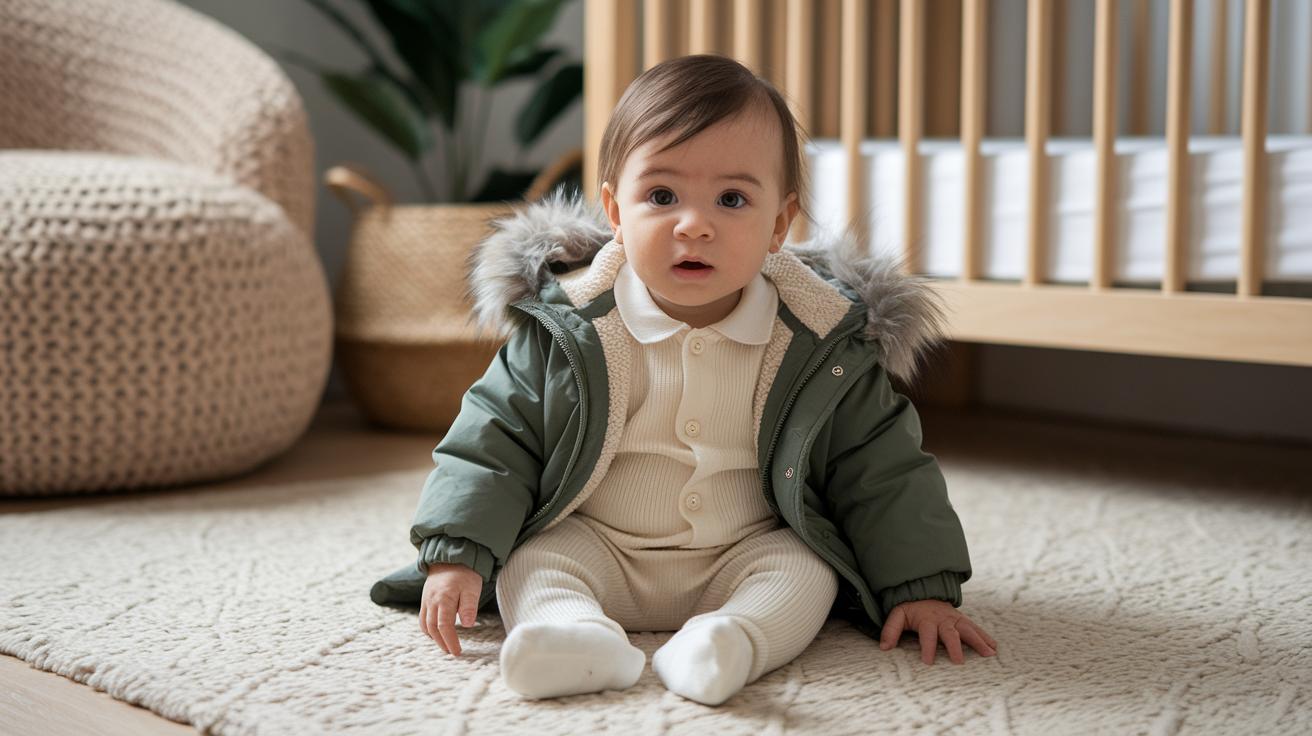
GOTS certification follows your baby’s outerwear journey from the first fiber to the final package. Experts discovered that even tiny amounts of chemical residue could upset a newborn’s delicate skin, so every step is carefully monitored.
Organic cotton is grown without synthetic fertilizers or pesticides, which means there’s less chance of harsh substances reaching your little one. Thanks to this mindful process, every cozy parka and snug jacket offers a soft, hypoallergenic touch that’s perfect for sensitive skin.
Today’s labels give you more details, including information about chemical-free dyes and non-flammability tests that show the item has passed strict safety checks. For instance, a non-flammability label confirms that the garment has met tough fire safety standards, giving you extra peace of mind. Just remember, some bamboo blends might not display clear certifications because of their unique processing. To be sure, look for certification marks like sustainable baby clothes so every fabric detail lives up to high safety standards.
Caring for Organic Baby Outerwear: Maintenance Tips
Before your little one wears their organic outerwear for the first time, give it a gentle wash. This first cleaning removes any lingering bits from manufacturing and helps protect your baby’s sensitive skin.
Use a mild, fragrance-free detergent that treats the fabric with care, keeping it soft and soothing over time. Set your washer to a gentle cycle with cold water to preserve both the color and the fabric’s cozy feel. And remember, bleach and fabric softeners can harm the natural fibers, so it’s best to steer clear of them.
When it comes to drying, air-drying is the best choice if you can manage it. If you decide to use a dryer, choose a low heat setting to keep the shape and durability intact. Finally, store the freshly washed garments in a cool, dry place, away from chemical mothballs, to keep them smelling fresh and ready for all those warm, cuddly moments.
Comparing Top Organic Baby Outerwear Brands
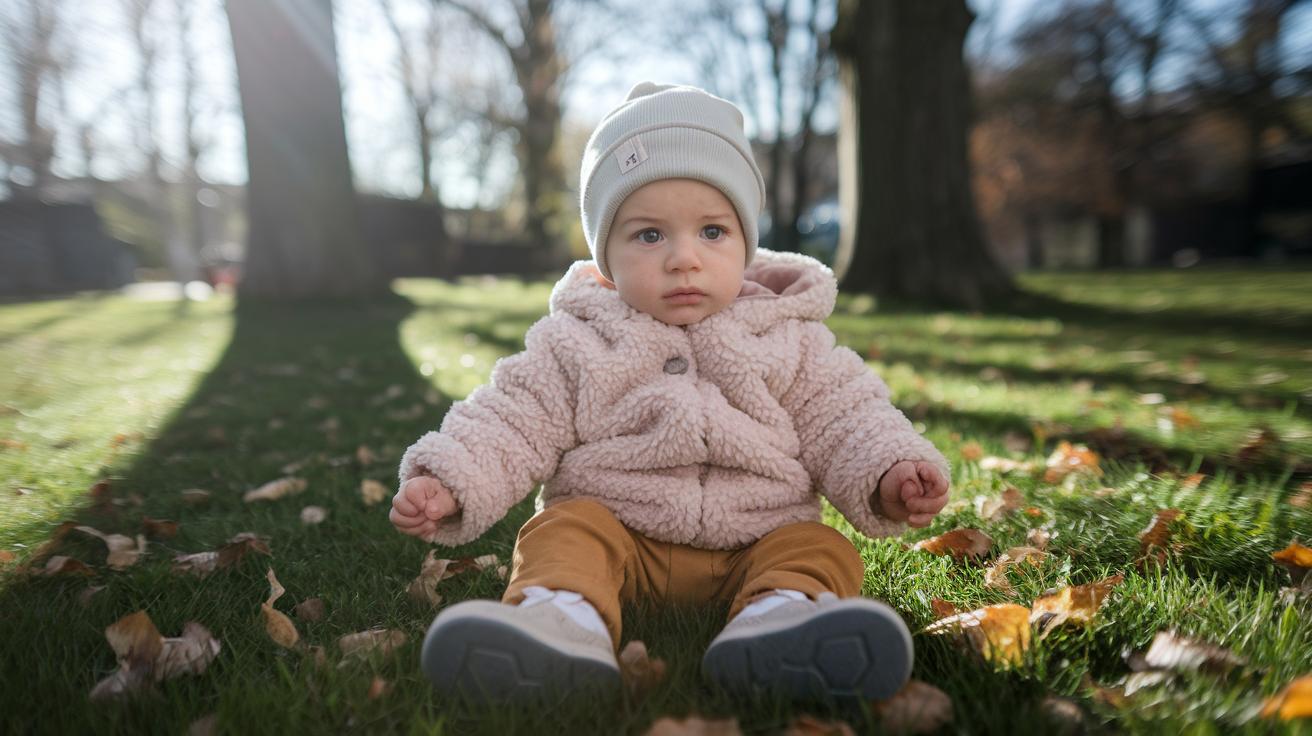
Looking for cozy, organic outerwear for your little one? It can be a bit overwhelming at first. But when you line up the top brands side by side, you can quickly see which ones mix design, safety, and value just right for your family.
| Brand | Material | Certification | Price Range |
|---|---|---|---|
| Pehr | Organic cotton blends | GOTS or equivalent | $60–$90 |
| Hanna Andersson | Durable organic wool blends | GOTS or equivalent | $80–$120 |
| Manymoons | Budget-friendly puffers | GOTS or equivalent | $50–$70 |
| Burt’s Bees Baby | Certified organic cotton parkas | GOTS or equivalent | $40–$60 |
| Quince | Direct-to-consumer eco materials | GOTS or equivalent | $70–$90 |
Pehr and Burt’s Bees Baby are great for everyday snug comfort, while Hanna Andersson and Quince offer reliable choices when those chilly days roll in.
Environmental Impact of Organic Baby Outerwear
When you choose organic baby outerwear, you're picking fabrics that need much less water to create. It saves thousands of liters per garment compared to regular cotton. This smart choice also means fewer harsh chemicals, like synthetic fertilizers and pesticides, get into our water and soil, helping keep local ecosystems and communities healthier.
These clothes are built to last. They can be loved by your little one for a long time and even passed down to a sibling, which means less waste over the years. Made from natural fibers that break down gently, they help reduce the buildup in landfills. Plus, ethical manufacturing practices keep long-term carbon emissions lower by avoiding harsh chemicals and heavy energy use.
In the end, organic baby outerwear isn’t just about looking cute, it’s a heartfelt step towards protecting our babies and the planet, making a caring choice for a greener tomorrow.
Final Words
In the action, we looked at how choosing certified organic baby outerwear supports babies’ safety and comfort. We covered benefits like skin-friendly, eco-friendly fabrics and smart seasonal layers. Plus, we shared tips for selecting trusted, durable pieces that stand up to everyday wear.
This organic baby outerwear guide keeps every choice clear and caring. The focus is on genuine labels, thoughtful care, and cost savings that benefit baby and the planet. Enjoy the peace that comes from making safe, informed picks.
FAQ
What is the best organic baby outerwear guide for girls and boys?
The organic baby outerwear guide helps parents choose safe, certified outerwear for both girls and boys by highlighting organic certification, durability, and season-specific layering tips.
What should I know about organic cotton baby clothes and brands, including luxury and USA-made options?
The organic cotton baby clothes question addresses USA-made, luxury, and top-brand options. Certified organic cotton is grown without chemicals to protect delicate skin while ensuring eco-friendly production.
Should I buy 0000 or 000 for a newborn?
The question about 0000 versus 000 sizes guides parents in choosing the right fit for newborns. Checking the brand’s sizing chart and considering your baby’s weight helps find a comfortable size.
What is the healthiest fabric for babies?
The healthiest fabric for babies is organic cotton, grown without synthetic fertilizers or pesticides. Its breathable, chemical-free nature helps soothe sensitive skin and reduces irritations.
Should babies wear organic?
The question of whether babies should wear organic reflects a focus on skin comfort and safety. Organic garments use natural growing methods that lower chemical exposure, making them gentle for delicate skin.
Are organic baby clothes pesticide free?
The organic baby clothes question confirms that certified organic garments are pesticide free. Strict standards in production keep harmful chemicals at bay, providing safer clothing for babies.