

Ever thought about whether your baby's outfit feels like a cozy, loving hug or merely another piece of fabric? In this chat, we explore organic baby clothes versus synthetic ones to help you understand which fits your little one best. Organic garments, crafted without chemicals, offer a soft, breathable feel that wraps your child in gentle comfort. On the other hand, synthetic fabrics are tough enough for all-day play while being friendly on your wallet. We'll share simple, clear facts so you can make the best choice for a perfect blend of comfort and practicality.
Organic Baby Clothing vs Synthetic Fabrics: Side-by-Side Overview
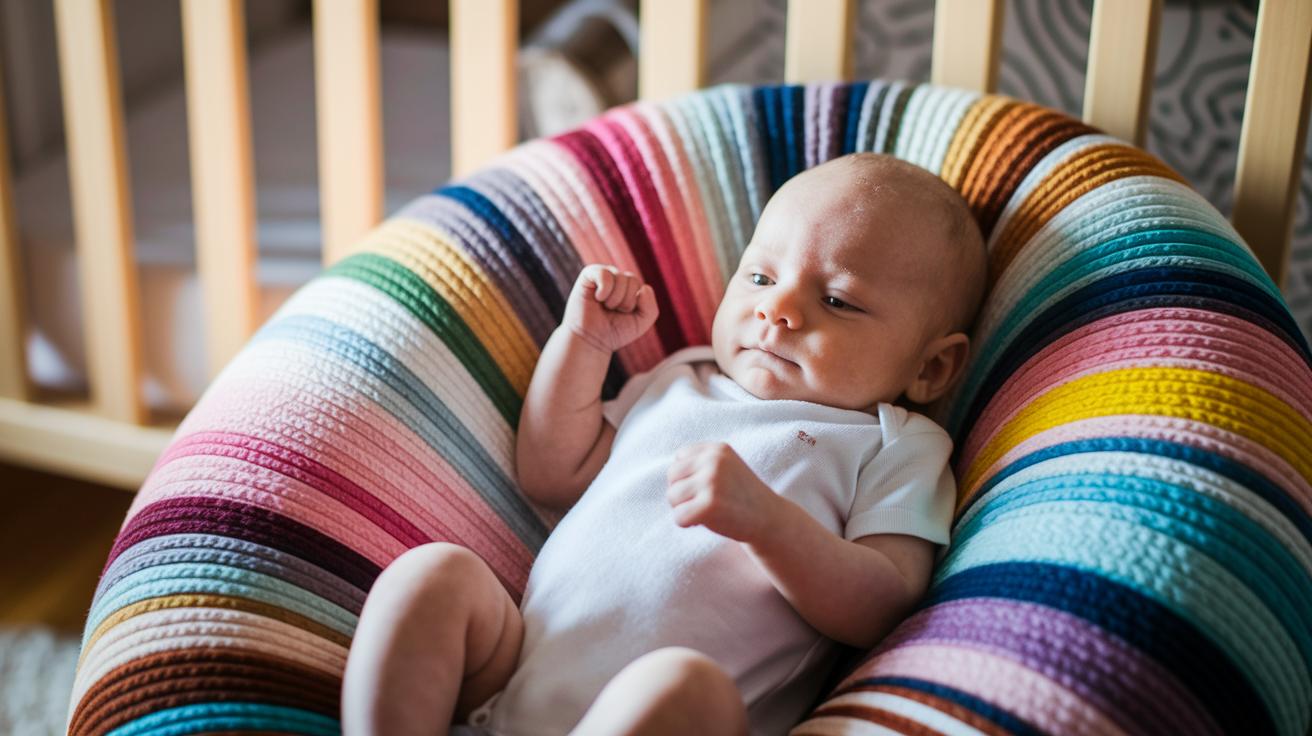
Organic baby fabrics come from nature, like organic cotton grown without pesticides. It’s chemical free, soft, and breathable – just right for your little one’s delicate skin. In contrast, synthetic fabrics such as polyester and nylon are made from petroleum ingredients using many chemicals. They tend to last longer and cost less but might cause skin irritation or even rashes in sensitive infants.
| Fabric Type | Key Pros & Cons |
|---|---|
| Organic Cotton | Pros: Chemical free, ultra-soft, breathable, gentle on delicate skin. Cons: Higher upfront cost, may need extra care. |
| Polyester | Pros: Very durable, resists stains and fading, budget friendly. Cons: Not as breathable and may irritate sensitive skin, made from petroleum. |
Parents often find themselves balancing safety, comfort, and budget when picking out baby clothes. Organic choices bring a natural, soothing feel that many caregivers trust to keep their little ones rash free. On the other hand, synthetic fabrics offer practicality for those busy, playful days.
Imagine a parent saying, "My baby’s organic onesie feels like a gentle, chemical free hug, yet I still need some sturdy pieces for wild, active moments." This mix of organic and synthetic options helps meet health needs while managing everyday costs.
Material Properties in Organic Baby Clothing vs Synthetic Fabrics
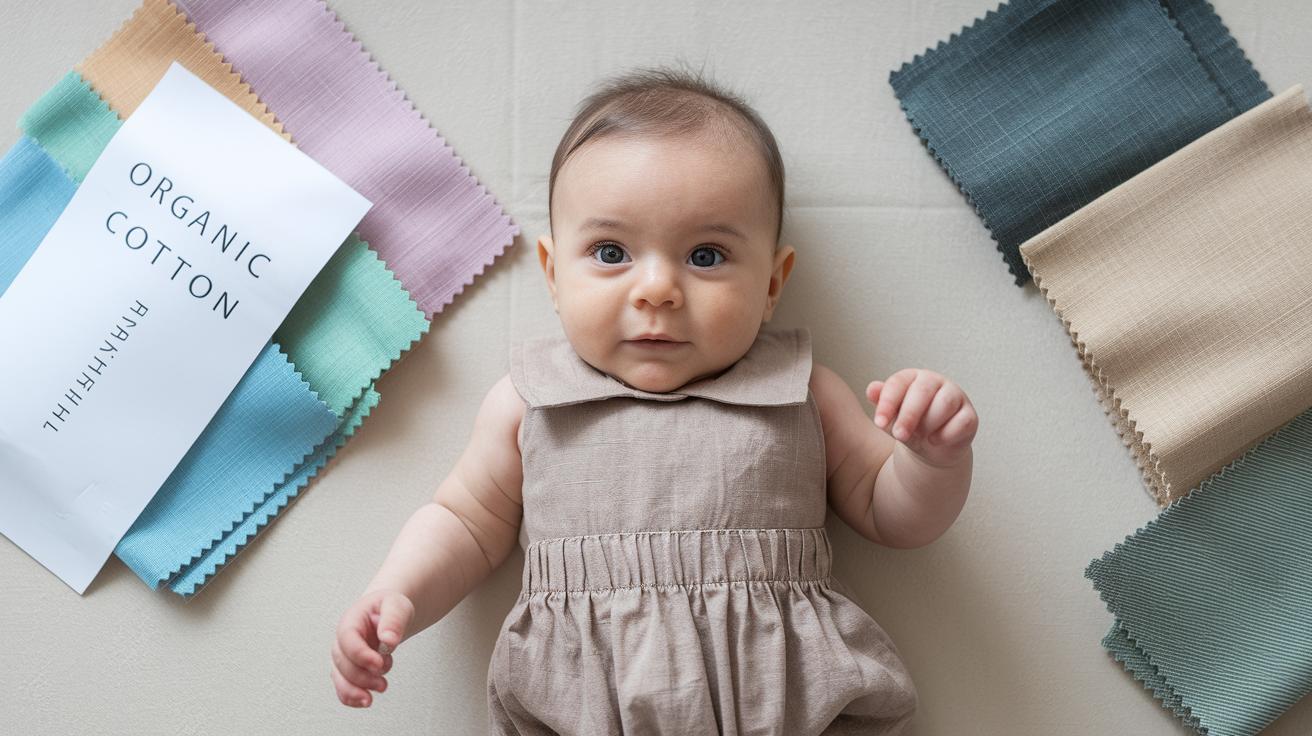
When it comes to dressing your little one, you want fabrics that feel soft on the skin, breathe naturally, and stand the test of time. Organic cotton and linen let air move through them effortlessly, keeping your baby cool on sunny afternoons and cozy when the weather turns a bit chillier. And then there are synthetic options like polyester and nylon, which really shine with their stain resistance and ability to dry up quickly after a spill. Many parents love how these materials handle moisture during busy playtimes, so your child remains comfortable and dry.
| Material | Softness/Breathability | Durability | Moisture Management |
|---|---|---|---|
| Organic Cotton | Exceptionally soft and very breathable | Moderate; best kept with gentle care | Great natural absorption and cooling effect |
| Linen | Distinct texture with plenty of airflow | Strong though it can wrinkle | Superb at dispersing moisture; perfect for warm days |
| Polyester | Smooth yet not as breathable | Highly durable with strong tensile strength | Reliable at wicking moisture away |
| Nylon | Even texture but more limited in breathability | Exceptionally robust against wear | Quick-drying and effective at repelling moisture |
This table helps us see that organic fabrics stand out with natural softness and breathable qualities, offering comfort whether your baby is playing or resting. Linen provides a cooling sensation on hot days, and organic cotton offers a chemical-free, gentle touch on sensitive skin. On the flip side, synthetic fibers such as polyester and nylon are designed to cope with the rough-and-tumble of daily adventures, quickly managing moisture and withstanding active use. In the end, the choice comes down to whether you value the natural feel and ease or the resilience and quick-clean-up features for your everyday wear.
Health Implications: Chemical Exposure and Skin Safety

Synthetic fabrics can sometimes hide chemicals like flame retardants, formaldehyde, and certain dyes. These ingredients may irritate a baby’s tender skin, causing rashes or triggering eczema flare-ups. One parent shared, "My baby’s skin turns red after wearing a brightly colored synthetic outfit." Even tiny amounts of these chemicals can spark an allergic reaction.
Organic fabrics offer a safer choice. They’re made from cotton grown without pesticides or synthetic fertilizers, which means less chance of chemicals sticking around. Natural processing also helps keep allergens at bay. Always check the garment labels for chemical-free or hypoallergenic promises to feel secure about what your baby wears.
Environmental Impact of Organic Baby Clothing vs Synthetic Fabrics

Organic baby clothes made from natural fibers like cotton, linen, wool, and silk come from sources that renew themselves over time. They grow naturally, which means they add back to the earth instead of taking away. On the other hand, synthetic fabrics come from petroleum. Petroleum is a resource that doesn’t grow back, and making these fabrics uses a lot of energy.
Natural fibers are extra kind to the planet because they break down over time without leaving harmful chemicals behind. They disappear naturally and avoid the problem of microplastics. Synthetic fabrics, however, stick around for a long time and slowly shed tiny plastic bits that can end up in our water and soil. For parents who care about our planet, this difference is really important.
Organic baby clothes also tend to last longer. This means you won’t need to buy as many new outfits, which helps reduce waste. They hold their shape and quality even after many washes. In truth, choosing organic is a thoughtful way to take care of both your little one and the Earth.
Organic Certifications and Quality Standards for Infant Wear

Certifications are like a reassuring smile that tells you your baby’s clothes are safe and sound. They affirm that the fabrics are made without harmful chemicals and that every step of their creation is gentle on both your little one and our planet. Each badge, think of it as a stamp of love, confirms things like pesticide-free farming, careful chemical use, and fair, humane labor practices. It’s like having a trusted friend by your side when picking out baby clothing.
- GOTS (Global Organic Textile Standard) – This label tells you the clothes come from pesticide-free, sustainable sources. organic baby clothes
- USDA Organic – A mark that ensures the fabric meets strict organic rules right here in the United States.
- OEKO-TEX Standard 100 – A promise that every textile has been checked for any harmful substances.
- Fair Trade Certified – A sign that the production supports ethical labor practices.
- EU Ecolabel – A reminder that the manufacturing is gentle on our environment with reduced chemical use.
- Bluesign – A symbol that safe chemical levels and smart resource management were priorities during production.
Look for these labels on the garment tags; they’re a quick, comforting way to know that every outfit meets high safety and eco-friendly standards for your precious one.
Cost Comparison and Long-Term Value of Organic vs Synthetic Baby Fabrics
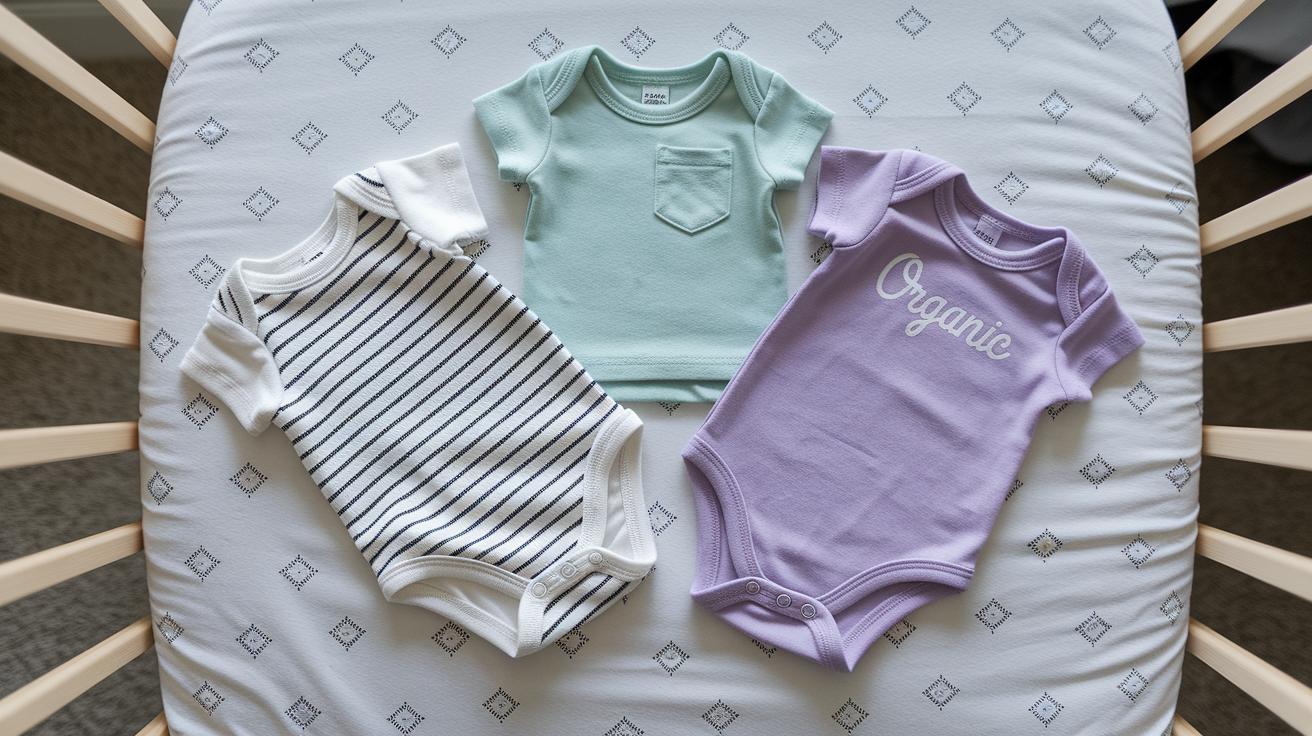
Synthetic baby outfits often carry a friendlier price tag, sometimes costing 20 to 50 percent less than organic options. Many parents choose synthetic fabrics as a budget-friendly fix when every penny counts. But keep in mind that while these items are cheaper upfront, they might wear out sooner and need replacing quite often.
Organic baby clothing might cost a bit more at first, but its sturdy design and timeless style mean it usually lasts longer. Think of it like buying a cozy, well-loved sweater that can be passed down to little siblings. Over time, the longer life and fewer replacements can actually save you money. Plus, you might enjoy added savings on skincare or fewer issues with chemical sensitivities compared to synthetics. Many parents find that investing a little extra up front pays off in comfort, safety, and care for both baby and the environment.
Some stores even offer free shipping on orders over $120, making these thoughtful, sustainable choices even more appealing.
Care and Maintenance: Washing Guidelines for Organic and Synthetic Baby Garments
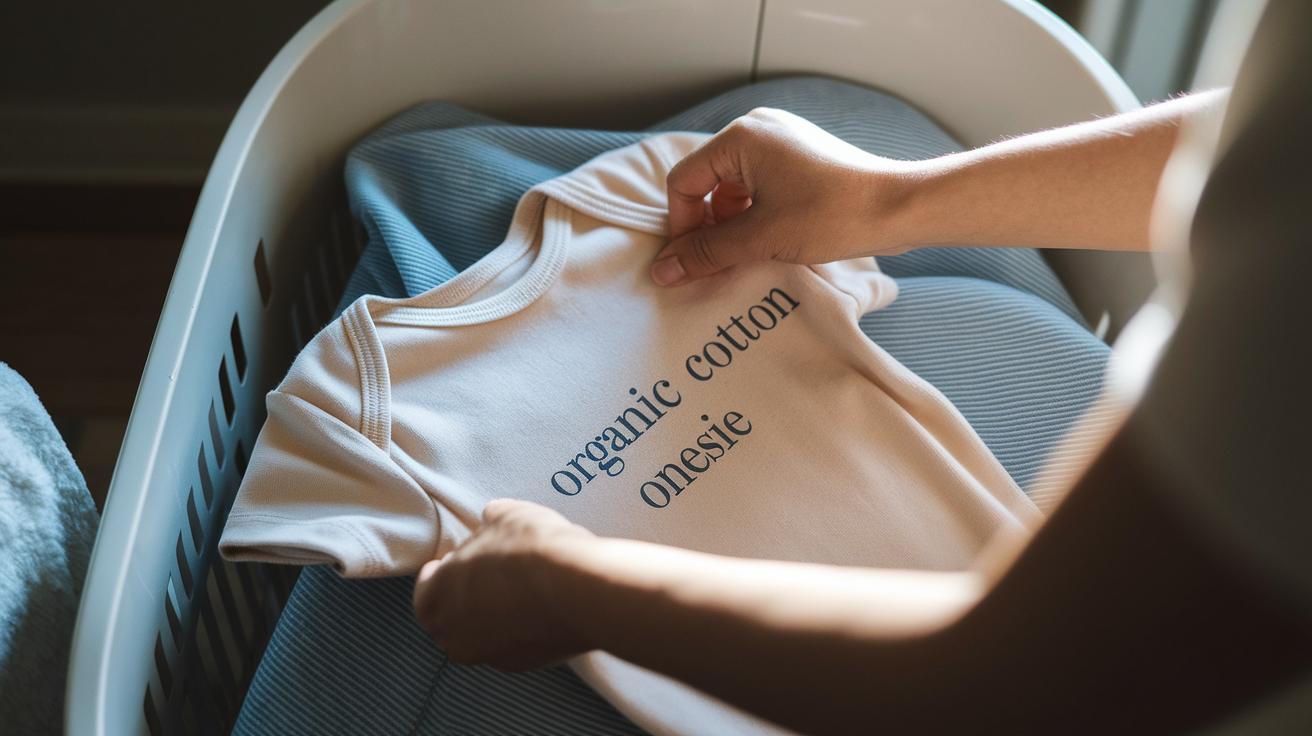
Organic cotton is best cared for with a gentle wash in cold to warm water using a dye-free detergent. This approach keeps the fabric soft and true to shape, even after more than 30 washes. A low-heat tumble dry is perfect to preserve that natural, soothing feel your little one deserves. I remember a parent sharing, "I always wash my baby’s organic onesies with a gentle detergent and low heat, they feel just as soft after many washes!"
Synthetic baby garments, on the other hand, dry easily but need a bit more mindful handling. Quick drying is great, but high heat can wear out the special features, such as odor control and antimicrobial finishes. Instead, air-drying or using a low-heat cycle helps these fabrics stay durable and ready for your child’s busy playtime.
- Use a mild, dye-free detergent.
- Wash garments separately to keep colors from blending.
- Choose air-drying or a low-heat tumble dry for best results.
Final Words
In the action, this post compared organic baby clothing vs synthetic fabrics, laying out the benefits and drawbacks of each. We broke down fabric properties, health and environmental impacts, certification checks, costs, and care tips. The discussion shed light on how natural materials offer a gentle touch and lasting quality, while synthetics can bring practicality. Parents are encouraged to weigh safety, comfort, and budget as they choose what truly best supports their baby’s well-being. Enjoy the peace of mind that comes with making informed, heartfelt decisions.
FAQ
Q: What is the healthiest material for baby clothes?
A: The healthiest material for baby clothes is organic cotton because it’s grown without pesticides, feels soft on sensitive skin, and provides natural breathability.
Q: Which fabric is better, natural or synthetic?
A: The choice often leans toward natural fabrics like organic cotton since they are gentler on baby skin, reducing the risk of irritation compared to some synthetic options.
Q: What are the downsides of organic cotton?
A: The downsides of organic cotton include a higher initial cost and limited style choices, though its durability and reduced chemical exposure make it a worthwhile option over time.
Q: Should babies wear organic clothing?
A: Babies can benefit from organic clothing as it minimizes chemical exposure and offers a soft, breathable fabric, making it a smart pick for parents focused on gentleness and safety.