
Ever wonder if baby clothes can truly make a difference? Across Europe, caring parents are choosing organic outfits that protect a baby’s delicate skin and look out for our planet.
Imagine the soft feel of organic cotton or the natural benefits of bamboo, each piece tells a story of safety and style. We’re talking about a shift toward thoughtful, chemical-free fashion that feels just right for busy families.
In this article, we explore these eco-friendly trends and how they help nurture both little ones and our world. It’s a warm reminder that even simple fabrics can have a big impact.
Key Organic Baby Clothing Trends Shaping Europe in 2024
Across Europe, parents are making thoughtful choices by turning to fabrics that are kind to our planet. More and more families are opting for materials that care for their little ones while also nurturing the earth. It turns out that going organic isn't just a trend, it's a way for parents to feel good about what they dress their babies in.
In fact, many are choosing organic baby clothes that are free from harsh chemicals. Think about it: long ago, even simple fabrics were loved for their natural comfort and safety. Today, this timeless idea is making a comeback, as more parents lean into designs that are safe and chemical-free.
When it comes to materials, organic cotton remains a favorite. Its gentle touch, hypoallergenic feel, and absence of toxins make it perfect for delicate skin. Meanwhile, bamboo is quickly earning a spot in many wardrobes because it breathes naturally, wicks away moisture, and even has antibacterial benefits. Designers are keeping things simple and stylish, favoring pastel and neutral colors that suit every child beautifully.
At the heart of these choices is a shared value: caring for our little ones and our world. Parents today look for clothing they can trust, knowing these garments protect their baby’s sensitive skin while also taking care of the earth. Every piece, with its blend of smart design and natural safety, helps families feel connected to a bigger picture of care and sustainability.
Regional Variations in Organic Baby Clothing Trends Across Europe
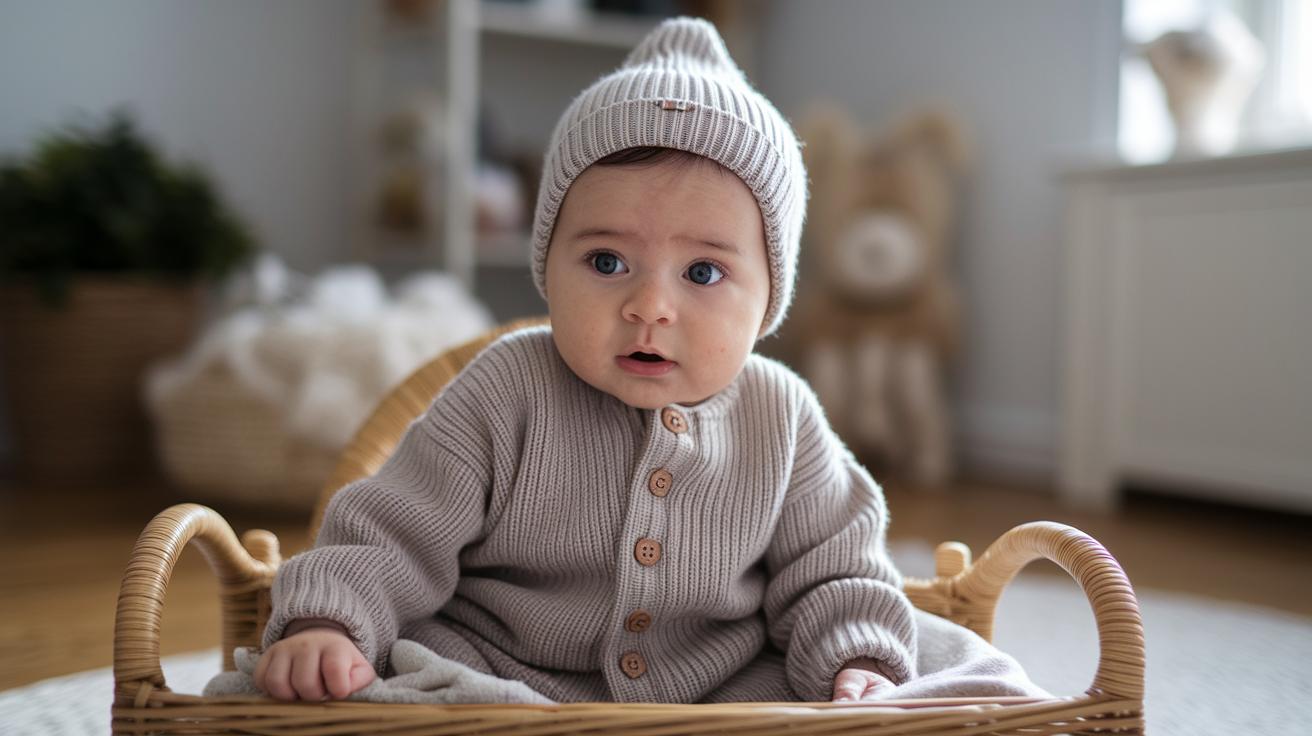
Across Europe, the way parents choose organic baby clothes truly reflects the local weather and traditions. In cooler parts of the continent, you’ll find fabrics that wrap babies in gentle warmth and understated style. Meanwhile, in sunnier, relaxed regions, light and breezy fabrics capture a vintage charm that feels just right for little ones. This mix of local favorites means that every outfit is designed for comfort and safety, with a touch of regional personality.
-
Nordic lands: In these parts, parents love using merino wool because it naturally regulates temperature. They keep the designs simple and functional, often in cool, muted colors that mirror the crisp northern air.
-
Alpine circle: Up in the mountains, organic cotton and bamboo knits are the go-to choices for staying warm. Soft neutrals and gentle pastels are common, inspired by both the rugged outdoors and the delicate alpine flowers.
-
Iberian Peninsula: Here, linen sets with vintage-inspired pastels are a popular pick under the sunny skies. Parents choose light, breathable clothes that keep babies cool while celebrating a rich, cultural heritage.
-
Eastern territories: Families in this area often select durable organic blends featuring retro designs. These outfits mix a nod to local traditions with modern practicality, coming in warm, earthy shades that are both playful and enduring.
-
Baltic states: In the Baltic regions, more and more parents are opting for recycled textiles showcased in limited-edition artisan lines. The designs blend sustainable practices with thoughtful artistry, featuring subtle hues and unique textures that highlight local craftsmanship.
Sustainable Fabrics Driving Organic Baby Clothing in Europe
Finding the perfect fabric is essential when it comes to clothing that comforts your little one and cares for our planet. When you choose natural fibers, you’re not only treating your baby gently but also using materials that come from renewable resources and cleaner production methods. It’s a smart way to support eco-friendly practices and lower the number of harsh chemicals in your baby’s world.
| Fabric | Key Properties | Sustainability Benefits |
|---|---|---|
| Organic Cotton | Ultra-soft, hypoallergenic, free of pesticides | Reduces chemical exposure and supports toxin-free farming |
| Bamboo | Naturally breathable, moisture-wicking, antibacterial | Fast-growing, renewable resource with low water needs |
| Merino Wool | Great at regulating temperature, renewable | Biodegradable and responsibly sourced from well-cared-for sheep |
| Linen | Highly breathable and drought-tolerant | Needs minimal chemical processing and uses little water |
| Smart Textiles | Tracks temperature, heart rate, and UV exposure | Innovative, energy-efficient design with modern functionality |
If you’re curious for more details on these fantastic fibers, have a look at our organic baby clothing fabrics explained page.
Organic Baby Clothing Trends in Europe: Eco Chic
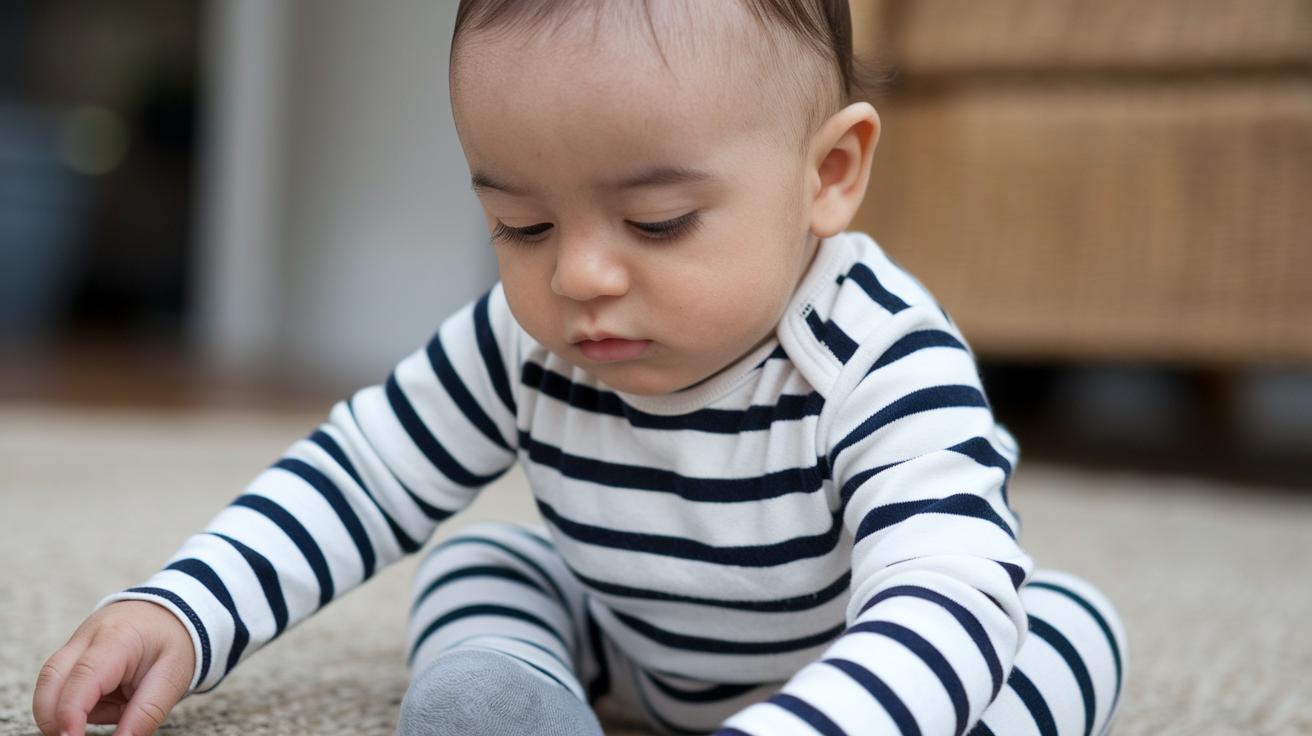
More and more European parents are choosing brands that blend stylish looks with gentle, eco-friendly practices. They find comfort knowing that each outfit is carefully made with both the planet and their little ones in mind. It's amazing how every brand adds its own special touch to make baby clothing not only safe and soft but also kind to our Earth.
- Brand A (Portugal): This label uses GOTS-certified cotton to craft adorable rompers that are truly organic. Parents love that these pieces are both budget-friendly and safe, offering a cozy, sustainable option for their babies.
- Brand B (Scandinavia): Known for turning recycled yarn into cute knits, this brand shows that older fibers can be reborn into something new and cherished. Their simple, eco-friendly packaging is a sweet reminder that even small steps can reduce waste.
- Brand C (Alpine region): With a focus on merino-wool sleep sets made under fair-trade practices, this brand promises both warmth and kindness. Each piece tells a story of carefully sourced materials and thoughtful, fair work practices.
- Brand D (Iberian Peninsula): Featuring pastel-hued linen and charming heritage prints, this collection nods to timeless style while keeping sustainability close to heart. It’s a blend of cultural beauty and modern care for our environment.
- Brand E (Eastern Europe): Celebrated for its small-batch craftsmanship and a zero-waste cut-and-sew process, this brand sets a fresh standard in artisanal baby wear. Each garment is uniquely created with an eye for reducing environmental impact.
Navigating Certifications and Standards for Organic Baby Clothing in Europe
As a caring parent, you want to know that the clothes you pick not only feel gentle on your little one’s delicate skin but also come from ethical, mindful practices. Certifications give you that warm reassurance by setting clear rules for safety, protecting our environment, and ensuring fair treatment for everyone involved. It feels so comforting when every label on organic baby clothes stands as a trusted promise of quality. Some marks show that the fabric comes from truly organic sources, while others look at the whole process, making sure both the earth and the people are cared for.
- GOTS confirms that the fibers are genuinely organic and that production respects fair practices, giving you a clearer picture of a cleaner, safer product.
- EU Ecolabel focuses on keeping the environmental impact low, so you know the clothing has a smaller footprint throughout its life.
- Oeko-Tex Standard 100 makes sure there aren’t any harmful chemicals in the fabric, helping to keep your baby’s skin safe from toxins.
- Fair Wear Foundation checks that the people behind the production are treated fairly and work in good conditions, offering an extra layer of ethical assurance.
Buying and Caring for Organic Baby Clothing in Europe

When it comes to organic baby clothing in Europe, design starts with the perfect fit. Instead of relying on age guidelines, many European brands measure by your baby’s height. For example, they use 50 cm for a newborn to make sure every outfit is just right. Parents can mix and match options, from sleepwear and underwear to swimwear, hair accessories, and even gift sets, to build a wardrobe that grows with their little one. It’s a smart way to ensure each piece is both comfy and practical, and ordering online with global shipping makes it all so convenient.
| Region/Country | Currency Symbol |
|---|---|
| European Union | EUR |
| United Kingdom | GBP |
| Sweden | SEK |
| Poland | PLN |
| Denmark | DKK |
For fabrics that last and offer genuine organic care, always follow fabric-friendly washing tips. Wash garments in cool water, use a gentle detergent made for delicate fabrics, and choose a low-heat or air-dry method. This little extra effort will keep every piece soft and safe for daily use.
Future Innovations Shaping Organic Baby Clothing Trends in Europe
The future of organic baby clothes in Europe is taking a delightful turn, blending new ideas with care for our little ones and our planet. New materials and smarter production methods are emerging, designed to meet both eco and safety standards in a way that's gentle and effective. Imagine fabrics that adjust to your baby’s changing needs like a soft, comforting hug, warm when it’s cool and cool when it’s warm.
Have you heard about Adaptive Fiber Technology? Picture a onesie that naturally adjusts its temperature, almost like a tiny mood ring that matches your baby’s surroundings.
Then there’s 3D Printed Organic Wear. This innovation tailors baby clothes perfectly to your child, reducing waste while ensuring every stitch fits just right.
We’re also exploring Biofunctional Finishes. Think natural, biodegradable treatments that help keep germs at bay while staying soft on delicate skin, nature’s own little safeguard.
And finally, Digital Sustainability Dashboards are here to provide real-time details about where materials come from and how they're made, offering clear and honest transparency that builds trust.
Each step forward makes organic baby clothing not only more eco-friendly, but also more caring and responsive to your baby’s needs.
Final Words
In the action, the post explored the market shift toward organic baby clothing trends in Europe, from the soft embrace of organic cotton to the cooling feel of bamboo fabrics. It highlighted regional styles, trusted certifications, and practical tips for choosing and caring for these safe, eco-friendly pieces. The discussion reminds us how making thoughtful choices creates a cozy, nurturing space for our little ones while keeping our world kind. Embracing organic baby clothing trends in Europe brings a warm, positive change for families everywhere.
FAQ
Frequently Asked Questions
Q: What are the best organic baby clothing trends in Europe?
A: The best organic baby clothing trends in Europe emphasize eco-friendly fabrics like organic cotton and bamboo paired with minimal, pastel designs that ensure comfort and safety for your little one.
Q: What defines luxury organic baby clothes and top organic baby clothing brands?
A: Luxury organic baby clothes and top brands are known for their high-quality, toxin-free materials and chic designs, offering both comfort and style for delicate skin.
Q: How do organic cotton baby clothes made in the USA compare to European organic baby clothing?
A: Organic cotton baby clothes made in the USA share the benefits of soft, chemical-free fabrics while often reflecting local design tastes that suit American preferences alongside universal safety standards.
Q: What distinguishes OEKO-TEX baby clothes brands and soft, organic baby clothing?
A: OEKO-TEX baby clothes brands guarantee that fabrics are free from harmful substances, making them a trusted choice for soft, safe, and gentle apparel that feels great against baby’s skin.
Q: What trends are currently shaping baby clothes design?
A: Current baby clothes designs focus on clean, gender-neutral silhouettes with pastel hues and sustainable materials, ensuring a safe, comfortable, and stylish wardrobe for your little one.
Q: Which country offers standout baby products and what is a notable French brand for baby clothes?
A: France is recognized for its standout baby products, offering chic, high-quality brands that provide eco-friendly and carefully designed pieces perfect for parents who value style and safety.
Q: Why is Mini Boden so popular for baby clothes?
A: Mini Boden is popular because it creates fun and stylish designs using quality, soft fabrics that promise both comfort and durability, making dressing your baby a delightful experience.
Q: What makes organic cotton baby face cloths and the softest organic baby clothes special?
A: Organic cotton baby face cloths and the softest organic baby clothes offer superior gentleness with hypoallergenic fabrics that care for sensitive skin, providing parents peace of mind and a cozy feel.
Q: Are there differences in organic cotton baby clothes designed for girls and boys?
A: Organic cotton baby clothes for girls often feature delicate patterns and gentle hues, while options for boys might offer bolder accents; both guarantee safety, softness, and eco-friendly benefits.
Q: What are the key features of trendy kids clothing brands, including bamboo cotton baby clothes and organic toddler clothes?
A: Trendy kids clothing brands, bamboo cotton baby clothes, and organic toddler clothes spotlight breathable, sustainable fabrics with modern, playful designs that keep children comfortable and stylish.