
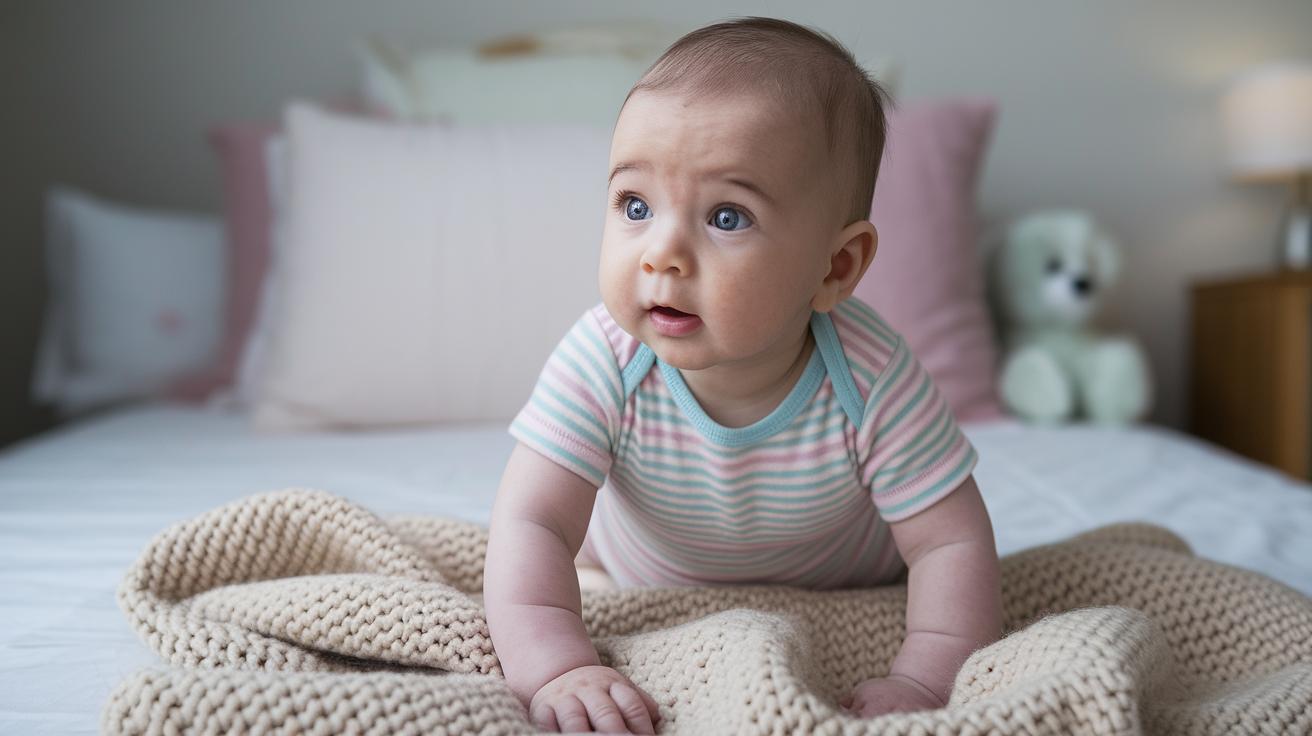
Ever wondered if your little one’s wardrobe could be both safe and stylish? Organic baby clothes are made from soft, natural fibers that keep your baby cozy and free from harsh chemicals. In this guide, we share how to choose gentle, trusted fabrics and timeless pieces that move with your baby’s natural curiosity. Imagine picking an outfit that feels like a warm cuddle while you care for our precious planet. Let this guide be your trusted friend in blending comfort and style for your baby’s everyday adventures.
How to Choose and Style Organic Baby Clothing: Parents’ Step-by-Step Guide
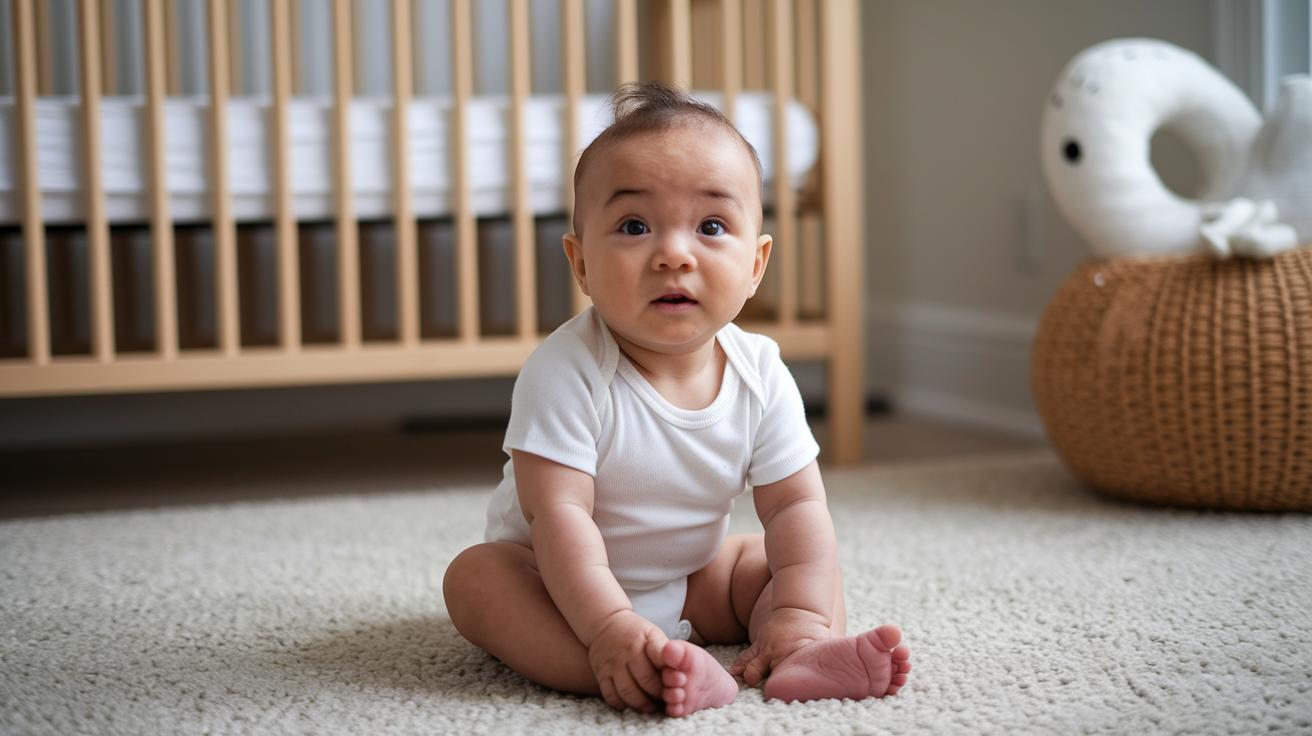
Organic fabrics are special because they protect your baby’s delicate skin and care for the planet we all share. When you pick clothes made from natural fibers, you’re choosing soft textures that hug your baby gently and help keep harmful chemicals away.
First, check for trusted certifications. Look for marks like GOTS certified or OEKO-TEX. It’s like checking a toy’s safety tag before your little one plays. These labels show that the fabric is made without harsh chemicals.
Next, go for soft natural fibers. Organic cotton or bamboo can feel as soothing as a gentle breeze on a sunny day. You want your baby’s outfit to be as comfy as a warm cuddle.
Then, choose pieces that move with your baby. Their clothes should allow plenty of wiggle room so they can explore and laugh freely. Think of it like picking a story that grows with them through each new adventure.
Finally, mix in style that suits your family’s vibe. Whether you lean towards calming neutrals or fun patterns, balance safety, comfort, and style. A simple white onesie paired with a touch of color can do wonders. By making mindful choices, you create a wardrobe that not only keeps your baby snug but also shows your care for the future they’ll grow up in.
Fabrics and Materials in Organic Baby Clothing: Natural and Organic Choices
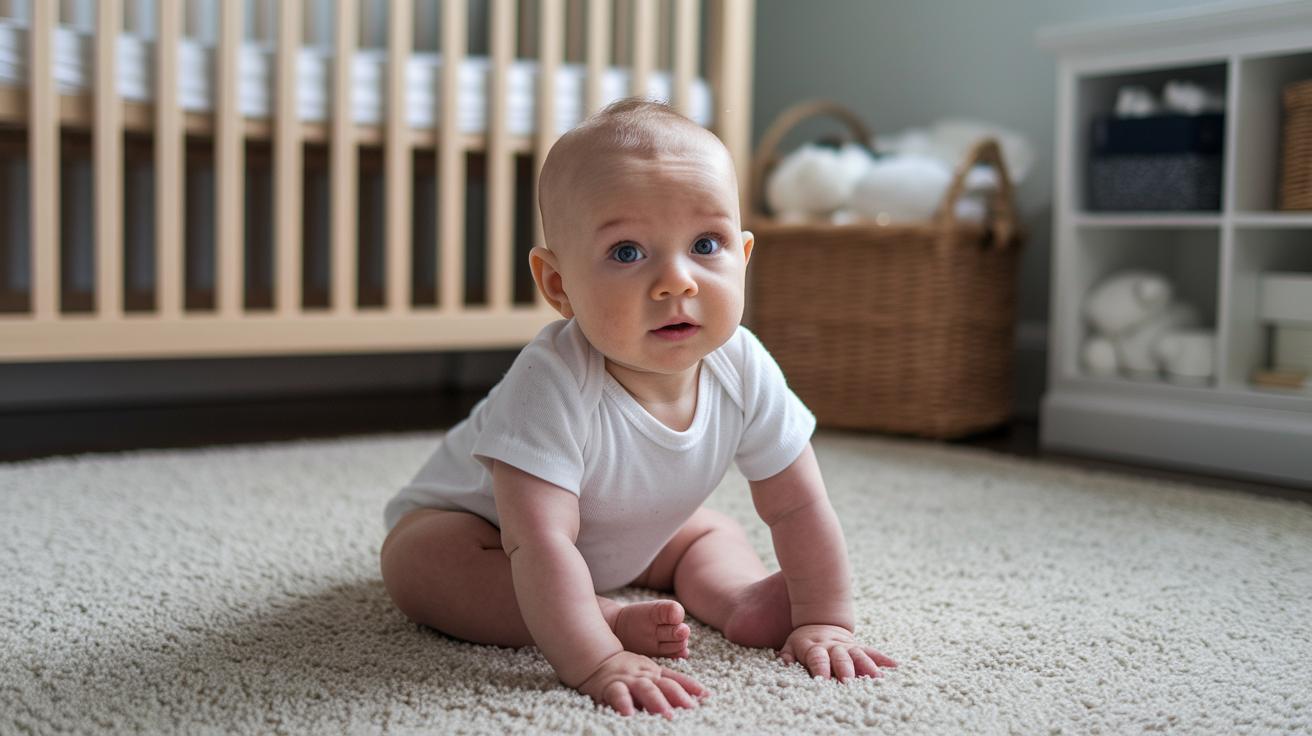
Picking the right fiber for your little one's clothes is so important. These fabrics gently touch sensitive skin and help build a wardrobe free of harsh chemicals that you can really trust. Imagine organic cotton that feels soft and light, grown without any harmful pesticides to keep delicate skin safe. A bamboo blend works wonders by wicking away moisture and is kind to sensitive skin too, while hemp naturally keeps your baby comfy by balancing warmth during every little adventure. These fabrics are like the building blocks for a wardrobe that not only looks adorable but feels wonderful, making them perfect for those pure cotton outfit ideas for your tiny cherub.
| Fabric | Key Benefit | Care Tip |
|---|---|---|
| Organic Cotton | Breathable; gentle on skin | Wash with cold water and mild detergent |
| Bamboo Blend | Moisture-wicking; hypoallergenic | Use a delicate cycle and air dry |
| Hemp | Durable; temperature-regulating | Air dry for best results |
Remember to look for certifications like GOTS and OEKO-TEX to ensure the fabric is truly chemical-free. Simple care tips, such as using plant-based detergents and washing in cool water, help keep these fabrics soft and lasting. These little steps in care mix both style and safety, making sure your baby’s clothes stay fresh and as natural as nature intended.
Creating Sustainable Newborn Outfits with Organic Baby Clothing
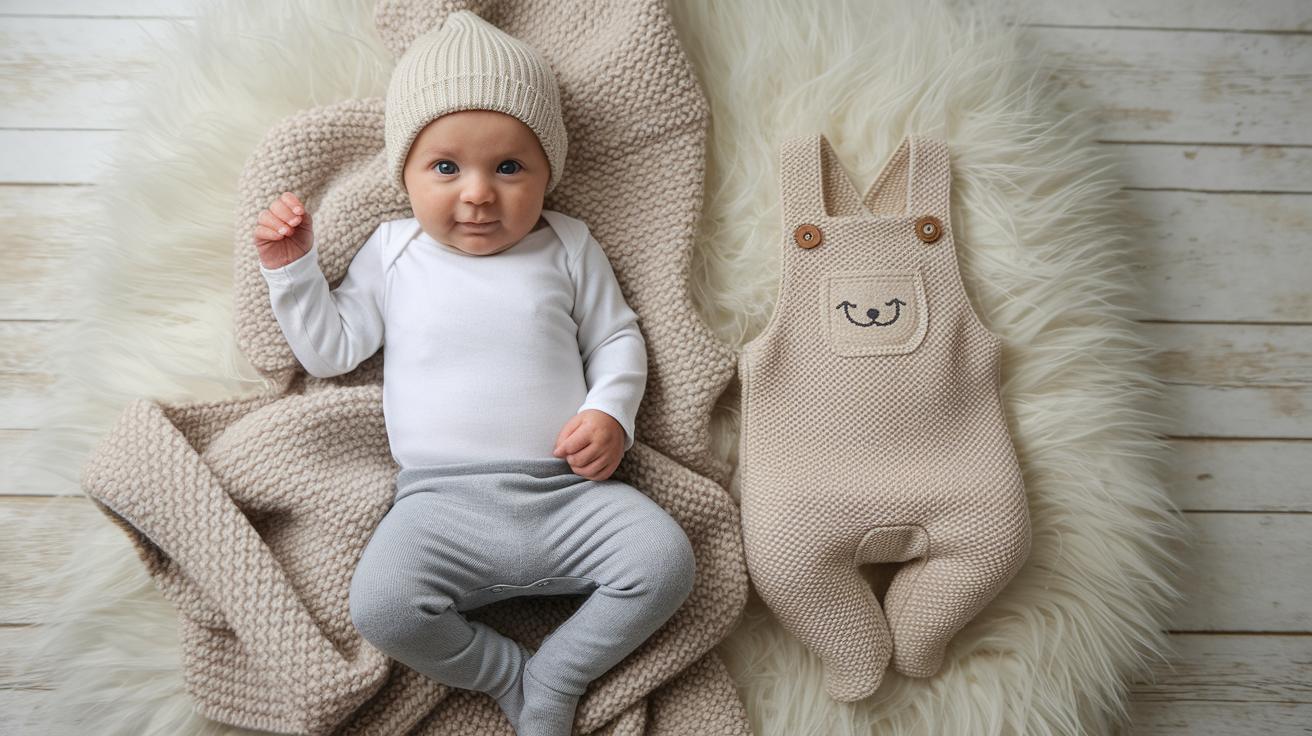
Imagine a tiny wardrobe with only 4 to 6 beautiful pieces that you can mix and match. It makes every day a little easier for you and extra special for your baby. With fewer items, your little one always stays comfy and cute, and it’s kind to our planet too.
Try pairing a white organic cotton onesie with soft gray bamboo leggings and a snug knit hat. You might even add an organic newborn hat to finish the look. Or start with a pale striped onesie and layer it under cozy hemp overalls for all-day comfort. Another lovely idea is to match a neutral bodysuit with a patterned muslin swaddle. Each outfit is picked with care, ensuring your baby is warm, safe, and stylish through every season.
Choosing this mix-and-match approach not only cuts down on waste but also makes morning routines simple and stress-free. Every item is thoughtfully chosen for its style, comfort, and eco-friendly qualities, so your baby’s wardrobe can grow right alongside them.
Accessorizing Organic Baby Clothing: Eco-Friendly Baby Accessories
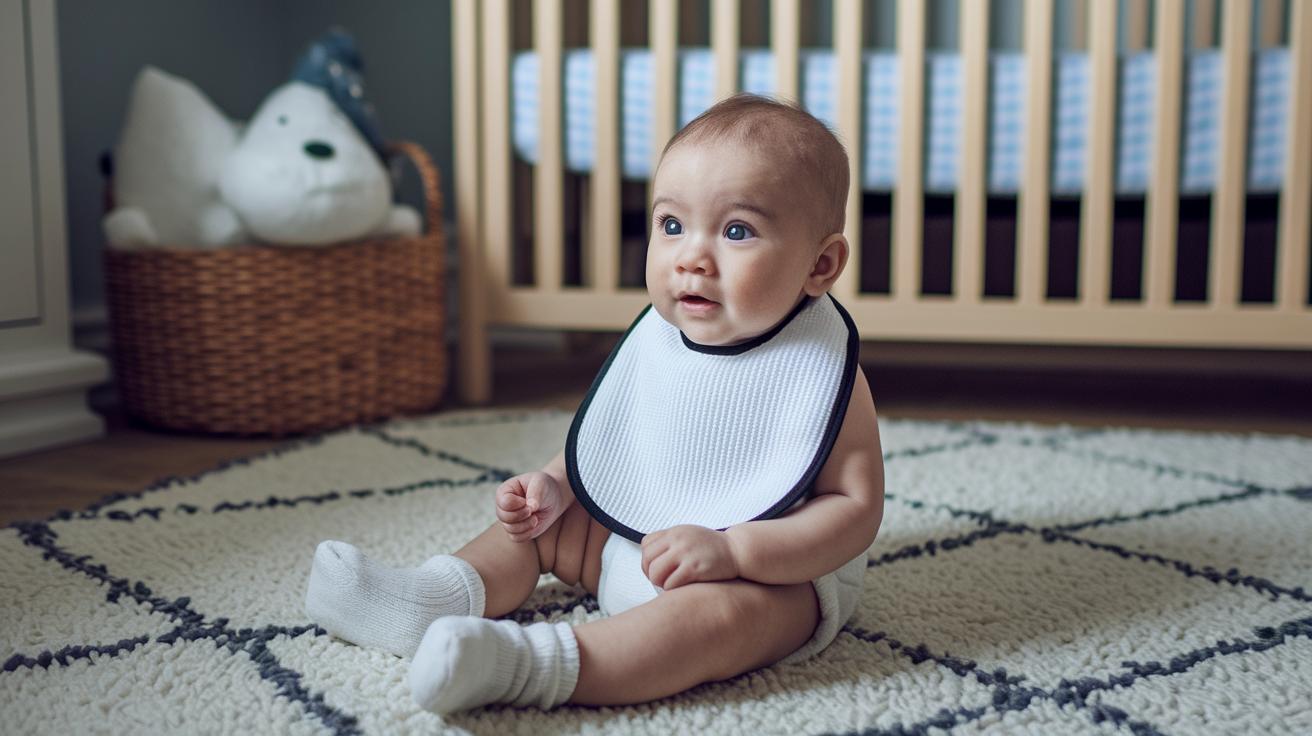
Adding little extras to your baby's outfit can turn a cute set of clothes into something very special and comfy. Accessories complete the look by adding a sweet touch of warmth and gentle support. I remember a parent sharing, "Those soft organic cotton socks made every step feel cared for." It’s amazing how small details can keep every outfit both safe and stylish.
Think about choosing eco-friendly options that really matter. Organic cotton socks snugly warm tiny feet without causing irritation. Bamboo muslin bibs catch those little dribbles and use non-toxic dyes to safely protect delicate skin. Knitted booties offer just the right amount of support when you're out and about, while airy wrap blankets provide a light, hypoallergenic layer perfect for naptime. Each of these items not only enhances your baby's look but also builds a caring, chemical-free wardrobe you can trust.
Caring for Organic Baby Clothing: Washing and Storage Tips
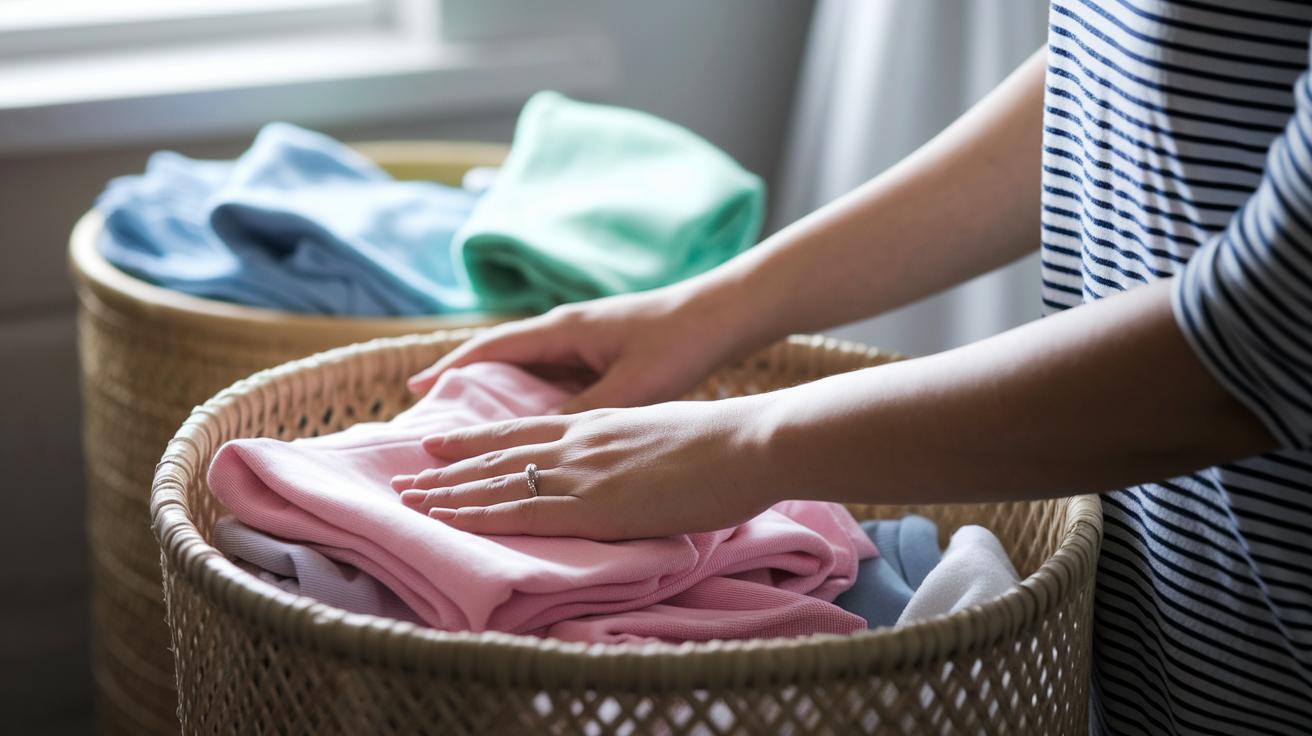
When you choose organic baby clothes, you're picking items made with extra love for your little one's delicate skin. Washing these garments gently helps keep the natural fibers soft and safe. Using a plant-based, fragrance-free detergent in cold water protects the colors and textures, ensuring each piece stays as cozy as the day you bought it. A gentle cycle on your washer does wonders by reducing stress on the fabrics so they remain durable and inviting for everyday snuggles.
For best care, always wash your baby's clothes in cold water with a mild, plant-based detergent. Stick to the gentle or delicate setting on your machine. And please, avoid bleach and fabric softeners, they can break down the natural fibers and rob the garments of their lovely softness.
When it comes to storage, treat each piece carefully. Fold the garments gently and place them in a breathable cotton bin. Air-drying or using a low tumble-dry setting is ideal, as it protects the fabric and stops mildew from forming. Good airflow and careful storage ensure that your baby’s favorite outfits are fresh and ready for all those joyful moments ahead.
Ethical Certifications and Top Brands in Organic Baby Clothing
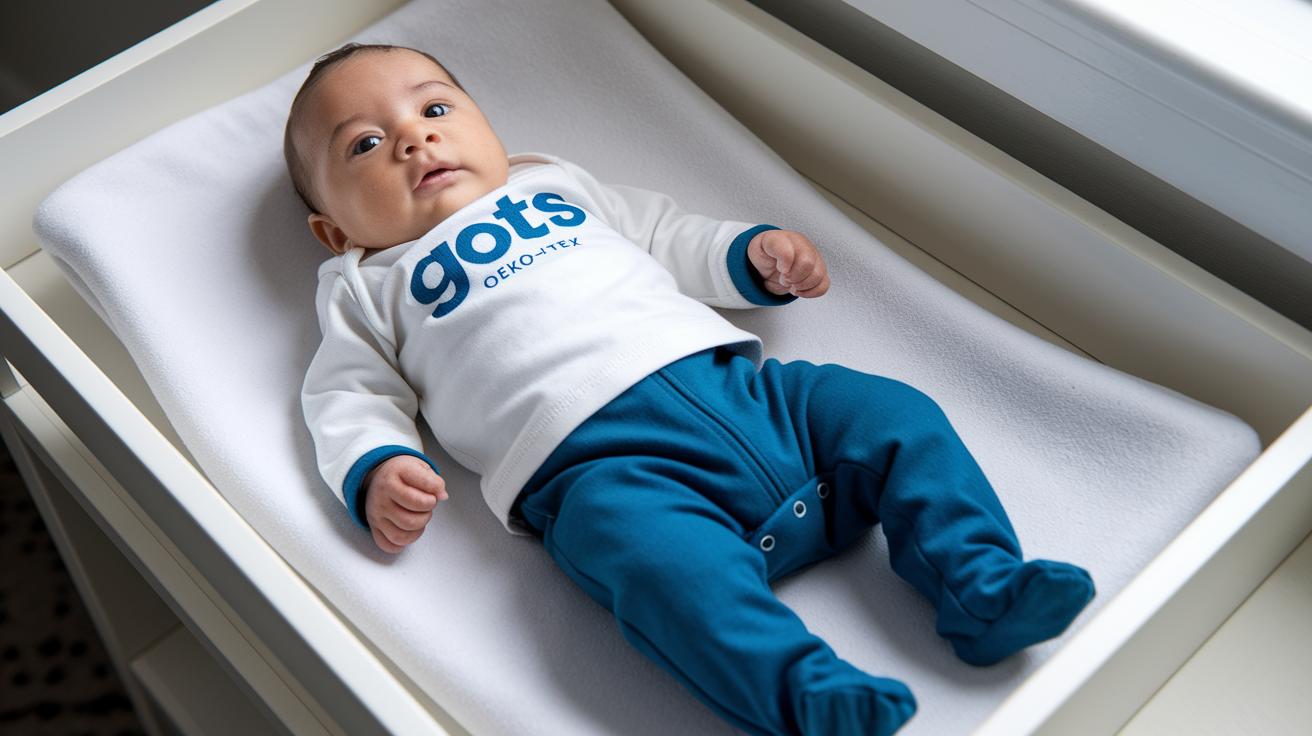
Certifications are super important because they bring you genuine peace of mind. They show that every fabric is made with care, free from harmful chemicals, and crafted under fair conditions. With a trusted label on your baby's outfit, you can feel confident knowing their clothes are safe and thoughtfully produced.
Look for marks like GOTS (Global Organic Textile Standard) and OEKO-TEX Standard 100 on the labels or on the brand's website. You'll also want to check for the Fair Trade mark, which stands for fair labor practices throughout the production process. These labels guide you to eco-friendly fabrics and assure you that both your baby and the planet are treated with kindness.
Top brands like Burt’s Bees Baby, Finn + Emma, and Under the Nile are known for their honest approach to production. They share all the details of their ethical practices, making it easy for you to choose clothes that are not only adorable but also gentle on the Earth.
Final Words
In the action, we explored safe, gentle ways to pick organic baby clothing that delights both in style and care. We looked at choosing certified fabrics, mixing comfy colors, and pairing practical accessories. You learned easy steps to maintain that soft feel while ensuring every piece supports your baby's movements and comfort. This piece serves as an organic baby clothing style guide for parents, inspiring a warm approach to eco-friendly dressing ideas. Enjoy creating outfits that bring comfort and a smile every day.
FAQ
How does organic fabric benefit my baby’s sensitive skin and the environment?
The organic fabric benefits your baby’s skin by using natural, chemical-free fibers and supports the environment through sustainable practices verified by trusted certifications, keeping your little one safe and cozy.
How can I choose and style organic baby clothing that’s safe and fashionable?
Choosing and styling organic baby clothing means checking for certifications like GOTS, selecting soft fabrics for comfort, and picking versatile pieces that let your baby move freely while looking cute.
What natural fabrics work best for organic baby clothing?
Natural fabrics like organic cotton, bamboo blends, and hemp are ideal because they are gentle, breathable, and hypoallergenic. Certifications such as OEKO-TEX often back these choices for safety and quality.
How do I create sustainable newborn outfits with organic clothing?
Creating sustainable newborn outfits involves building a capsule wardrobe with mix-and-match pieces. This approach helps you form cute, eco-conscious ensembles that minimize waste while keeping your baby stylish.
Which eco-friendly accessories can complement organic baby outfits?
Eco-friendly accessories such as organic cotton socks, bamboo bibs, and knitted booties not only add charm to your baby’s look but also keep them comfortable with natural, hypoallergenic materials.
What’s the best way to care for and store organic baby clothing?
Caring for organic baby clothing means washing in cool water with plant-based detergents on a gentle cycle, avoiding harsh chemicals like bleach, and storing pieces in breathable bins to keep them fresh.
Why are ethical certifications and trusted brands important in organic baby clothing?
Ethical certifications like GOTS, OEKO-TEX, and Fair Trade ensure that your baby’s clothing meets high safety and production standards, while trusted brands offer reliable, parent-approved choices for chemical-free dress.