

Are you wondering if those organic baby outfits really live up to the hype? Many parents share the same concern about hidden chemicals and unclear eco labels on their little ones' clothes.
Let's clear up some common myths and share what truly matters when it comes to safety standards for your baby's delicate skin. You'll discover how genuine organic clothing offers lasting comfort during playtime and better protection against irritation.
So, get ready to choose smart, safe picks that truly fit your baby’s needs.
Organic Baby Clothing Myths Vs Facts Overview

Many parents feel a bit anxious when they read labels and quality claims. Every choice matters when it comes to keeping your baby safe and healthy. It’s no wonder worries arise over clothing that might carry leftover chemicals, leaving you unsure about what “organic” really means for your little one’s delicate skin.
It’s also confusing when eco-friendly promises send mixed messages. Even with organic certifications on display, families often wonder if these claims really cut down on pesticides and finishing chemicals. You deserve clear evidence that natural farming practices, which avoid synthetic chemicals, pesticides, and GMOs, can truly offer a safer choice for your baby.
-
Myth: Organic means 100% chemical free.
Fact: Organic clothes reduce harmful chemicals but can include gentle botanical finishes. -
Myth: All organic labels guarantee complete safety.
Fact: Only strict certifications ensure that high environmental and safety standards are met. -
Myth: Organic baby clothes are too expensive without giving extra benefits.
Fact: While the price might be a bit higher, these garments help lower skin irritations and tend to last longer, giving you better value in the long run. -
Myth: Organic textiles do not perform as well.
Fact: Certified organic fabrics are durable and keep up with even the most energetic little ones. -
Myth: Organic farming is just a trendy label.
Fact: Genuine organic methods truly reduce your baby’s exposure to harmful substances, offering real benefits for your baby’s comfort and well-being. You can learn more about these benefits here: benefits of organic baby clothing.
Clear labeling and trustworthy certifications mean you can feel secure in your choices. Detailed audits and honest ingredient lists give you the confidence that these clothes meet strict standards and genuinely care for your baby’s comfort and overall health.
Organic Baby Clothing Myth: Guaranteed Chemical-Free
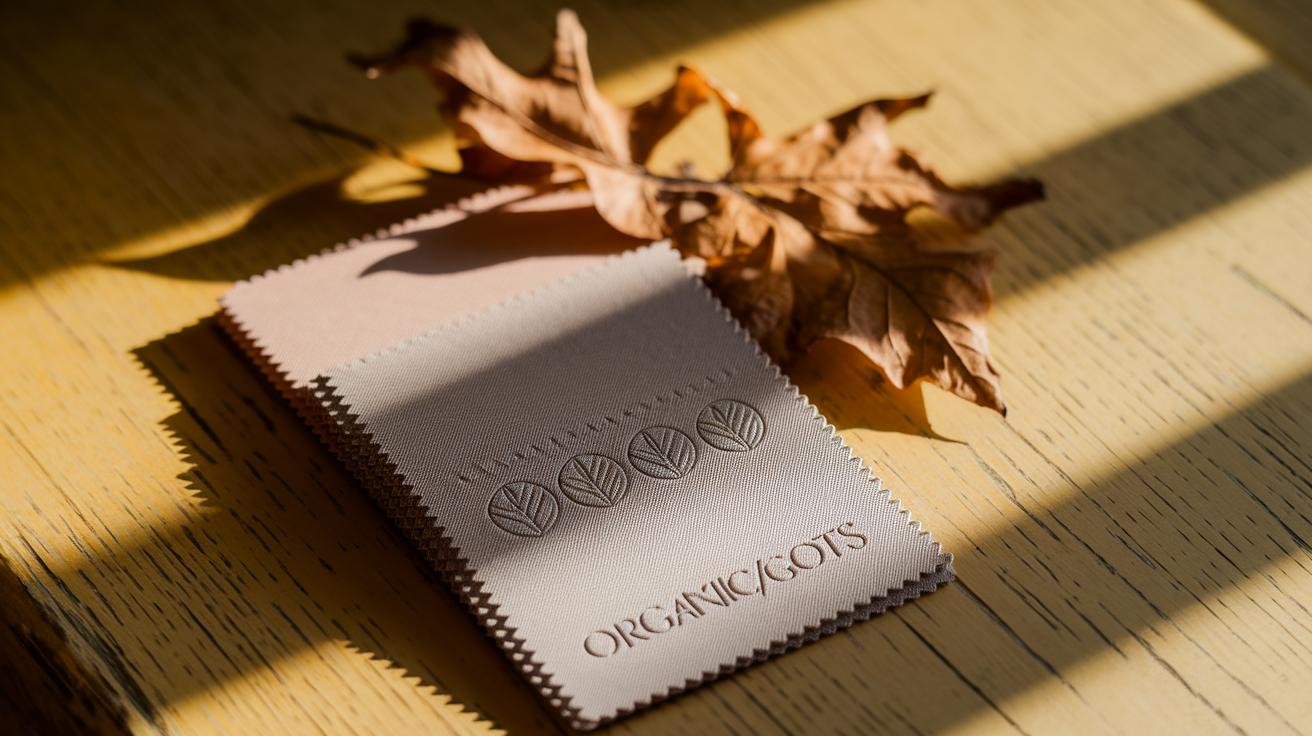
Organic standards work hard to limit the use of harsh synthetic chemicals and pesticides. Still, approved natural aids can be added during processing. For example, organic methods cut down on most toxins, yet they sometimes include plant-based enzymes to soften the fabric and help it last longer. Research shows that finding fabrics completely free of any chemicals is very rare.
The Global Organic Textile Standard even allows certain natural enzyme aids that boost fabric strength and keep it hypoallergenic. These natural aids are carefully tested and kept well within safe limits. They help maintain the fabric’s gentle feel so that the garment stays both practical and safe for your little one.
When you're shopping for organic baby clothes, it helps to check the certification details and review the ingredient list. This simple step ensures the garment meets strict standards while still offering that soft, durable comfort you need for everyday adventures with your baby.
Organic Baby Clothing Myth: Premium Price, No Extra Value

Organic baby outfits might cost a bit more because they’re made with extra love and care for our planet. They’re not just a label, they’re a promise of thoughtful, eco-friendly practices that keep your little one safe and comfy.
This extra cost comes from a few key things:
- Fees to confirm these clothes meet strict safety and green standards.
- Special dyes that use fewer chemicals, making them kinder to both your baby’s skin and the earth.
- Fair labor practices that ensure everyone involved is treated with respect.
Many parents find these garments hold up better over time and help reduce skin irritations, which means fewer wardrobe changes and fewer visits to the doctor.
Organic Baby Clothing Myth: All Organic Labels Equal Safety
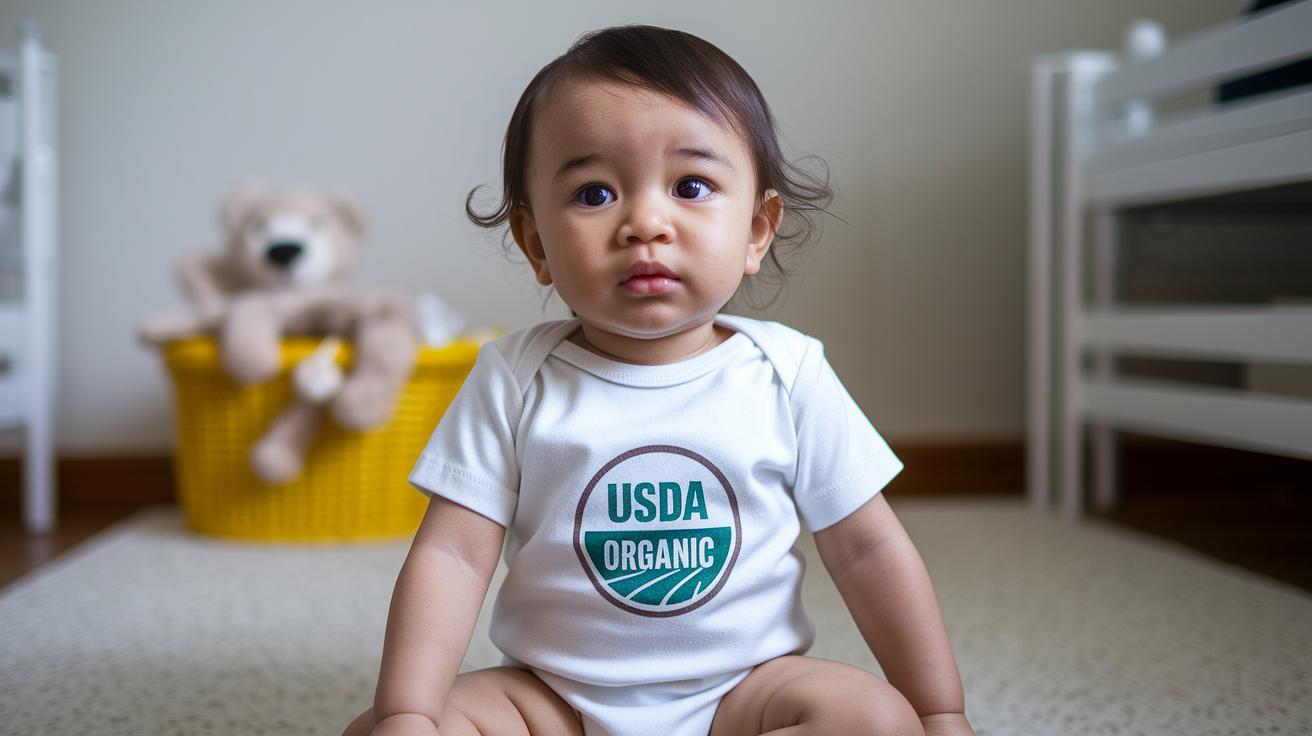
When you're picking out clothes for your little one, you might notice labels like USDA Organic, GOTS, and OEKO-TEX. Each one checks the fabric's journey in its own way. USDA Organic focuses on the material itself, making sure the cotton comes from organic sources. GOTS, on the other hand, follows the cotton from the field to the final product. And OEKO-TEX takes a close look at the fabric to make sure it's free from harmful substances and allergens.
Sometimes, a quick audit or vague labeling can be a sign to pause. Some budget brands might use the word "organic" without the full, thorough checks you’d expect. This can mean that allergens or even small traces of chemicals might still be there, despite the label.
Before making a purchase, take a moment to check the certification details and audit frequency. This simple step can help you feel confident that you're choosing a truly safe and naturally friendly fabric for your baby.
Organic Baby Clothing Myth: Certifications Are Just Marketing
Sometimes, those flashy eco-labels can be a bit misleading. They make it seem like every tag guarantees safety, but that's not always the case. It can be really confusing when a label shows up without meeting the strict standards we need. I used to believe that every organic tag meant full protection, until I learned about the extra checks behind genuine certifications.
Honestly, without clear rules, some programs slip through with unverified claims. That's why real, third-party audits matter so much, they’re the ones that truly keep our little ones safe.
| Certification | Scope | Approved Processes | Audit Frequency |
|---|---|---|---|
| GOTS | From field to finished garment, including wastewater and labor standards | Solvent-free and non-toxic processing methods | Annual factory inspections |
| USDA Organic | Focuses on fiber content and organic material sourcing | Strict agricultural practices excluding synthetic chemicals | Regular scheduled audits |
| OEKO-TEX | Checks for harmful substances in the final product | Dermatologically tested treatments with minimal chemical use | Frequent assessments to maintain safety standards |
When an independent group checks these labels, it creates trust. They stick to strict audit schedules and proven processes that really work. At the end of the day, only certifications that meet tough regulatory challenges can offer real protection for your baby.
Organic Baby Clothing Truth: How to Choose Authentic Garments
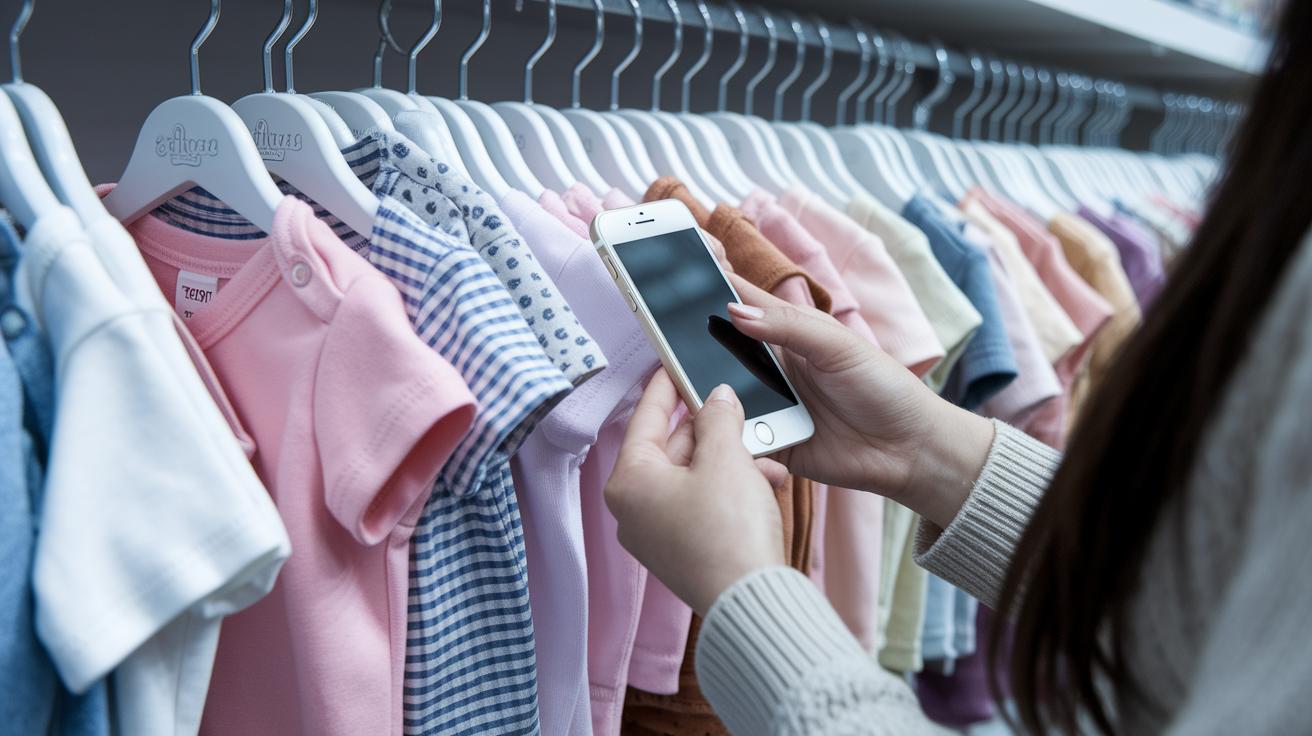
Finding truly organic baby clothes can seem overwhelming with all the different labels and bold claims out there. As a parent, you naturally want to know which tags mean a garment is made with real, natural materials and processes. When you know what details to check for, it becomes so much easier to pick out items that are gentle on your baby’s skin and kind to the planet.
Let’s break it down into four easy steps:
- Look for and verify certification logos and batch numbers.
- Compare the fiber percentages and where the materials come from.
- Check the details on dyes and finishes used.
- Read user reviews to see how the clothes perform and if they irritate sensitive skin.
Following these steps really makes a difference. Certifications like GOTS, USDA Organic, or OEKO-TEX confirm that fibers are authentic, while labels that note 100% organic cotton or bamboo, and mention dermatological testing, offer extra peace of mind. Many trusted options are now sold in well-known stores and online, proving that sustainable choices are within reach. By taking the time to review these details, you’re not just avoiding empty promises, you’re choosing pieces that truly care for your baby’s comfort and your conscience.
Final Words
In the action, we broke down key points about organic baby clothing. We compared common claims with real facts and showed how to spot trustworthy labels. Our guide shed light on what the certifications really stand for and how fair pricing supports better care. With organic baby clothing myths debunked in plain terms, you now have simple tips to make safe choices. Feel confident in choosing smart, eco-friendly options that truly protect your little one’s comfort and skin.
FAQ
Is organic clothing really necessary?
The question about whether organic clothing is necessary shows that choosing organic items can lower a baby’s exposure to pesticides and finishing chemicals, which can help protect delicate skin from irritation.
Should babies wear organic?
The query on whether babies should wear organic points to the benefit of using fabrics made without synthetic chemicals. Soft organic clothing can help soothe sensitive skin and give parents additional peace of mind.
Do babies need to wear 100% cotton?
The matter of 100% cotton touches on the idea that while cotton is soft and gentle, many organic blends offer safe, tested fabrics that can effectively protect delicate skin without needing to be pure cotton.
Are all Burt’s Bees baby clothes organic?
The inquiry about Burt’s Bees baby clothes implies that not every item from the brand is fully organic. It’s wise to check labels and certifications to confirm the use of genuine organic materials.