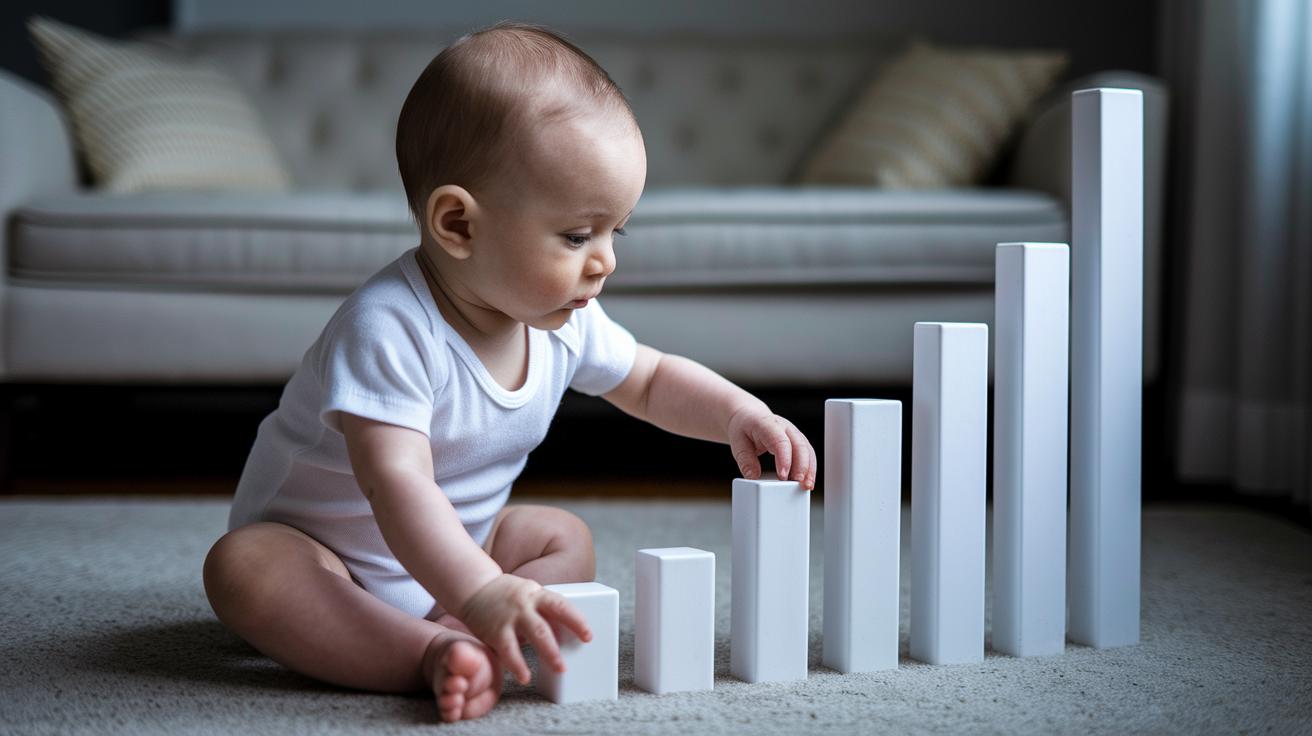
Ever wondered why so many caring parents choose organic baby clothing? It’s like wrapping your little one in a soft, natural hug every time they dress up.
More and more families are saying no to chemicals and yes to fabrics that feel gentle on delicate skin. When you pick outfits made from organic cotton and other kind-to-our-planet fibers, you’re not just choosing style, you’re giving your baby safe, skin-friendly comfort.
This trend shows that as parents, we value both safety and a little extra love in every tiny wardrobe.
Overview of Organic Baby Clothing Market Trends
The global market for organic baby clothes is alive and well, reaching about USD 4.5 billion, with nearly USD 1.2 billion coming from the US alone. Growth is looking bright too, with expectations of an 8-10% rise year after year in the coming years. Many parents are choosing eco-friendly options, and as disposable incomes go up, families are drawn to the idea of chemical-free fabrics that feel safe and pure on their baby’s skin.
Newborn essentials and sleepwear top the list when it comes to must-have items. Parents want nothing less than comfort and safety for their little ones. Think about the soothing touch of certified organic fibers like organic cotton, bamboo, hemp, organic wool, and even recycled materials. Before many families discovered the charm of these materials, few realized that switching to organic fabrics could greatly lower harmful chemical exposure, giving parents peace of mind.
Today, the push for non-toxic, skin-friendly fabrics and ethically sourced products is stronger than ever. With digital shopping making everything just a click away, many parents quickly turn to trusted labels that carry clear organic certifications. Retailers and brands are stepping in with specially chosen sustainable baby clothes that match the values of caring, modern families.
All these trends show a market that’s evolving right along with family needs, balancing style, safety, and a warm touch of nature for every tiny wardrobe.
Product Segmentation and Fabric Trends in Organic Baby Apparel
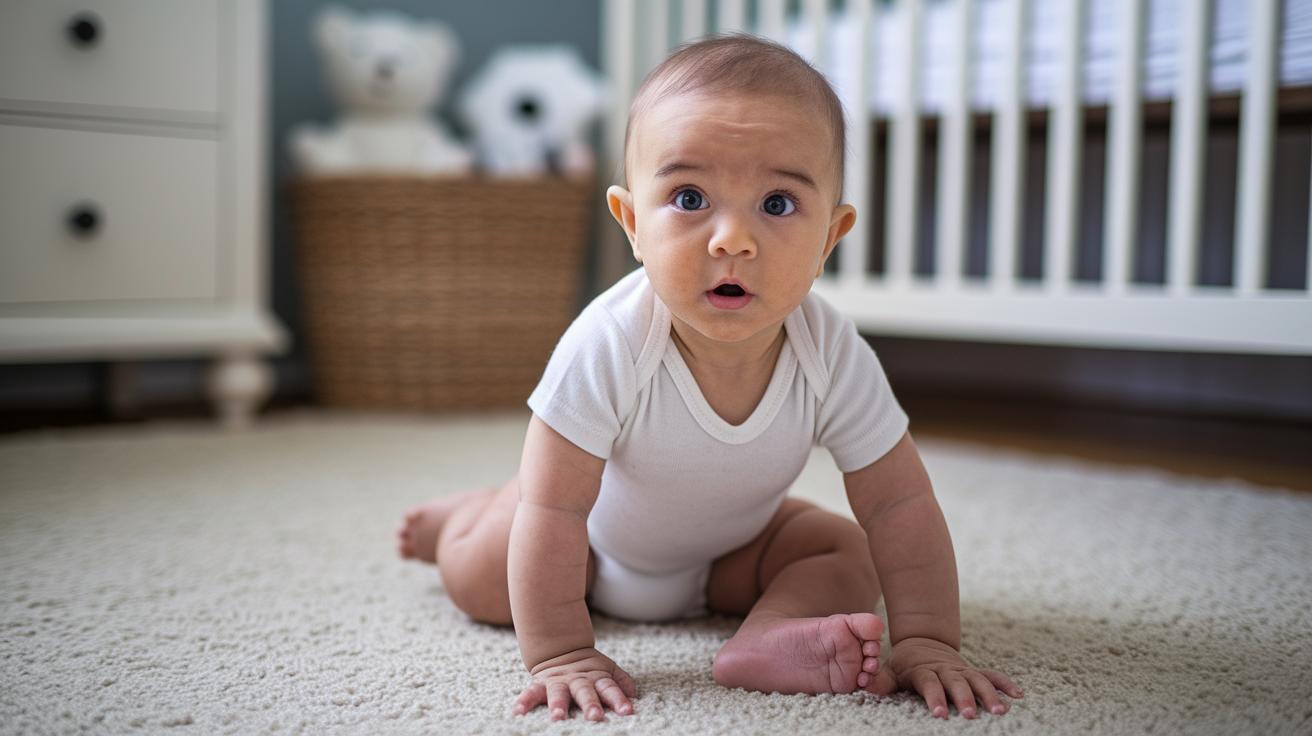
Organic cotton is still the favorite when it comes to baby clothes. Many makers now mix it with bamboo, hemp, organic wool, or even recycled fibers to create fabrics that are both gentle and tough on delicate baby skin. Onesies and pants are a must-have in many baby wardrobes because they're so comfy and easy to change as your little one grows. Just imagine a simple organic cotton onesie that feels soft on the skin and uses natural dyes to keep its bright colors, without any harsh chemicals.
Newborn essentials and sleepwear are made in large numbers since babies grow so quickly. Dresses and outerwear are also on the rise as parents look for stylish options that are super easy to wear. Makers blend different textiles to make sure the fabrics stay soft and strong, even after many washes.
The use of natural dye techniques brings out the fabric's inherent softness, giving each piece a special, nurturing touch. With these thoughtful changes in materials and design, parents can choose safe, eco-friendly, and cozy options that perfectly meet the needs of their little ones.
Growth Drivers and Consumer Behavior in the Organic Infant Wear Market
Parents today value baby clothes that are gentle and safe. They’re choosing organic options because these products are made without harsh chemicals. Clear organic certifications build trust and show that the product is made with care. With more disposable income, many families are happy to pay a little extra for non-toxic, eco-friendly fabrics that give them peace of mind.
Social media has become a trusted friend in these decisions. Online posts that highlight the soft feel and durability of organic fibers spark warm conversations among parents. New technology even makes these fabrics tougher while keeping them extra soft. It’s like sharing a secret tip with a friend, a little review or picture that reassures you that ethical baby wear really works.
Studies confirm that digital platforms are boosting ethical buying habits. Parents see real testimonials and product demos that reinforce their choice for organic clothing. This clear link between quality and care is encouraging more families to shop in a mindful way.
Distribution Channels and Pricing Trends for Organic Baby Clothes
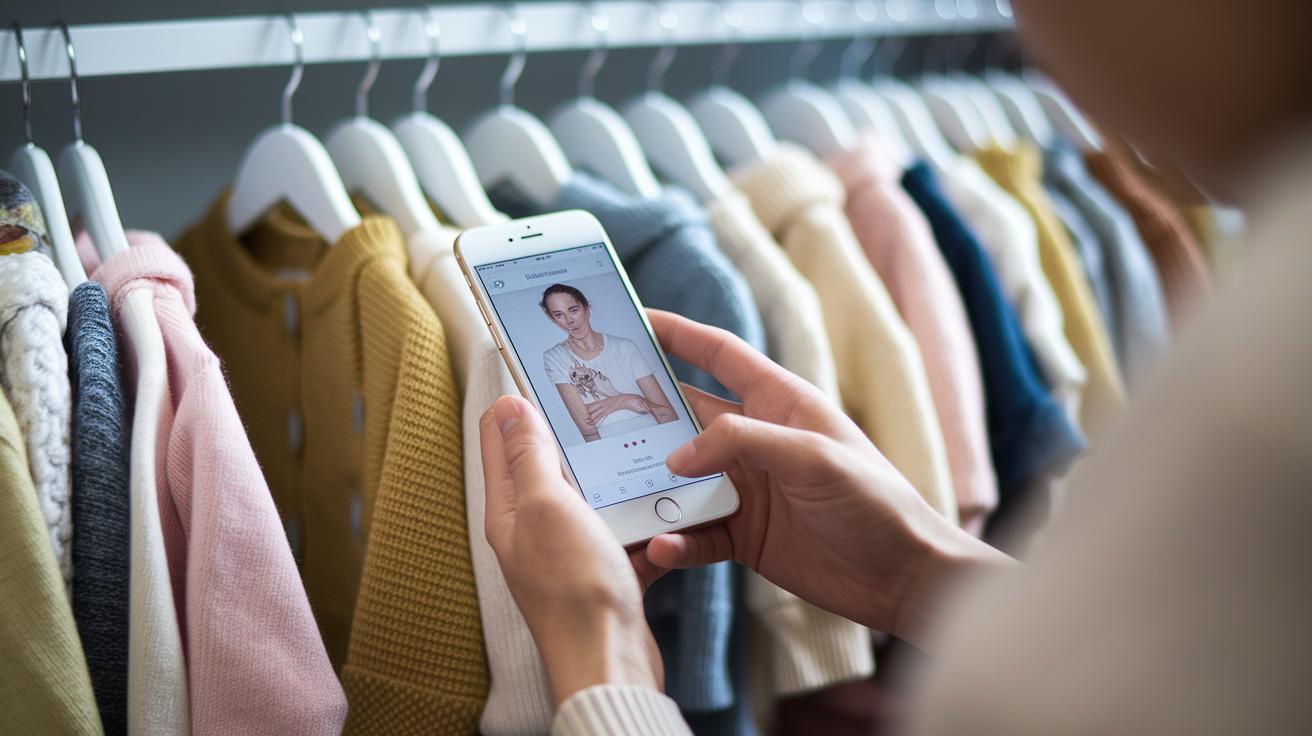
Retail choices for organic baby clothing are as varied as the smiles on a happy baby's face. Most brands now connect with tech-savvy parents through online shops and direct-to-consumer sales. But don’t worry, traditional stores and specialty boutiques still have a big part to play, letting families feel the soft, cozy fabrics they trust. Distributors also help by getting these beloved items onto more shelves, reaching even more households.
Prices for everyday baby clothes usually range between USD 14 and 21, making them a great pick for parents on the go. For extra special products like baby walkers and monitors, prices can go a bit higher, from USD 41 up to 76 for walkers, and from USD 36 to 100 for monitors. These items add a dash of style and practicality, giving families both comfort and function in one neat package.
Planning your inventory is key. Many sellers warm up the market as early as November to be ready for the January rush. Marking products clearly with organic certification not only builds trust, but also helps parents decide quickly and confidently.
Some smart strategies to reach more parents include:
| Strategy | How It Helps |
|---|---|
| Bundled Promotions | Makes purchases easier during seasonal peak times |
| Highlighting Certifications | Builds trust with clear product images and titles |
| Digital Marketing | Targets parents on social media with friendly, engaging messages |
These thoughtful approaches ensure organic baby clothing finds its way into loving homes, meeting the needs of parents who care deeply about quality and value.
Competitive Landscape and Key Players in Organic Baby Clothing
Top names in organic baby clothes, like Hanna Andersson, PACT, L’ovedbaby, Boden, Touched By Nature, Oeuf, Burt’s Bees Baby, Under The Nile, and Finn + Emma, are truly setting a high standard. They earn our trust by using their own organic certifications and eco-friendly supply chains. Picture a small label on an outfit that proudly shows its earth-friendly production process, it’s a simple gesture that reassures parents every step of the way.
Well-established brands offer a delightful mix of products, from essential newborn pieces to trendy outerwear. They work with natural dyes and eco-friendly fabrics that feel as soft as a gentle hug on delicate skin. And look, fresh direct-to-consumer brands are also making a splash by using curated directories and smart dropshipping methods to quickly bring innovative designs right to your doorstep.
Recent insights reveal that clear sustainable practices and visible certifications really help these brands stand out. They manage inventory with ease and make their sourcing open and transparent, keeping up with fast-changing trends in organic baby clothing. In truth, this blend of tradition and new ideas is growing the market while always keeping safety and care at the forefront.
Future Outlook and Forecasts for the Organic Baby Clothing Market
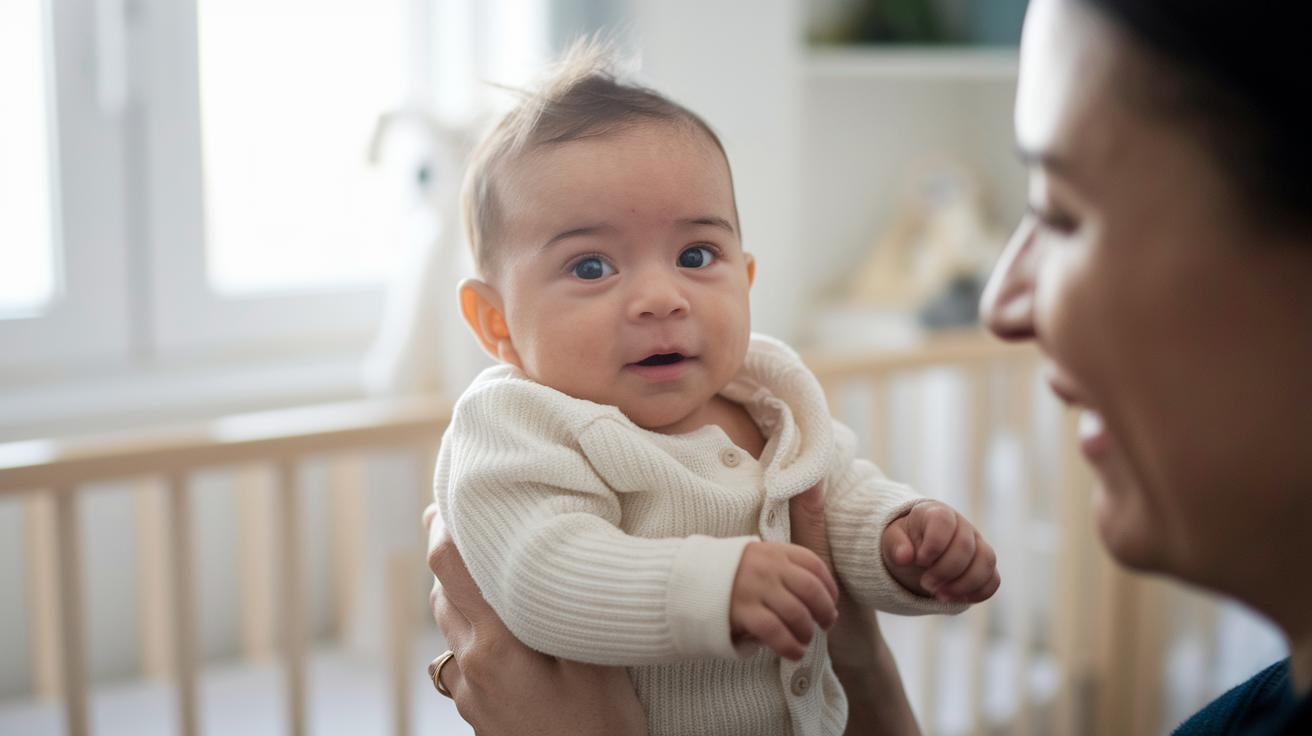
Back in 2024, the organic baby clothing market was valued at roughly USD 1.5 billion. Experts now expect that number to nearly double to about USD 3.2 billion by 2033. This steady rise, growing at about 9.5% per year between 2026 and 2033, is largely thanks to families seeking safe, chemical-free fabrics and smart, fresh designs. Areas like Asia-Pacific and Latin America are catching on quickly, fueled by rising incomes and a shift in what parents are looking for.
Support from new rules that favor chemical-free materials is giving manufacturers a clear path forward. Fresh policies and incentives help keep harmful chemicals out of the picture, which really resonates with today's thoughtful parents. Meanwhile, digital tools like AI are changing the game. On-demand production and design are now making it simpler to create the perfect baby outfit, no matter where families are located.
Certifications for sustainability and AI-powered checks on the supply chain add an extra layer of comfort. Every step of making these soft, safe clothes is carefully monitored to ensure quality and trust. These smart improvements not only make the products more appealing, but they also build lasting trust with parents who put their heart into choosing the best for their little ones. It looks like the future is set for both growth and even more nurturing, responsive manufacturing.
Final Words
In the action of exploring market size figures, fabric choices, and consumer values, this article has shown how eco-friendly baby essentials shape daily comfort and safety. The discussion covered product segmentation, consumer behavior, distribution channels, and competitive insights that drive organic baby clothing market trends. All these details help you understand the pulse of a vibrant industry, paving the way for confident, mindful choices. Embrace the positive shift as our future unfolds with more safe, stylish, and sustainable options for your little one.
FAQ
How big is the organic clothing market?
The organic baby clothing market is valued at USD 4.5 billion globally, with the U.S. segment around USD 1.2 billion. This growth comes from parents choosing chemical-free, eco-friendly options for their infants.
What trends shape the baby apparel market?
The baby apparel market trends focus on sustainable fabrics like organic cotton, bamboo, and recycled fibers. Newborn essentials and sleepwear dominate due to the constant need for safe and comfortable materials.
What is the forecast for baby clothing trends in 2025 and beyond?
The forecast for baby clothing trends highlights rising demand for eco-friendly designs, enhanced organic certifications, and technology-driven supply chains, all supporting robust market growth in the coming years.
Are baby clothes in high demand?
The demand for baby clothes remains strong as parents increasingly prioritize safety and chemical-free fabrics. This ongoing interest supports a competitive market backed by trusted organic certifications.
How profitable is selling baby clothes?
Selling baby clothes can be quite profitable with an anticipated market growth rate of 8–10% CAGR, rising disposable incomes, and a steady trend towards organic, safe apparel for infants.
What can be said about Adee baby clothing and Ade clothing?
Adee baby clothing and Ade clothing represent brands in the thriving organic market, offering sustainable options similar to well-known competitors. Shoppers benefit by exploring various trusted brands to find the perfect fit.