
Ever wondered about the little labels on baby clothes? These organic certifications are like a trusted friend helping you know your baby is wrapped in soft, safe fabrics made with extra care for your child and our planet. They tell you that every step, from choosing the best materials to putting the clothing together, has been looked over for quality.
In this read, we share what labels such as GOTS and OEKO-TEX mean. That way, you can dress your baby with the confidence that each piece is as thoughtful as your little one’s smile.
What Parents Should Know About Organic Baby Clothing Certifications
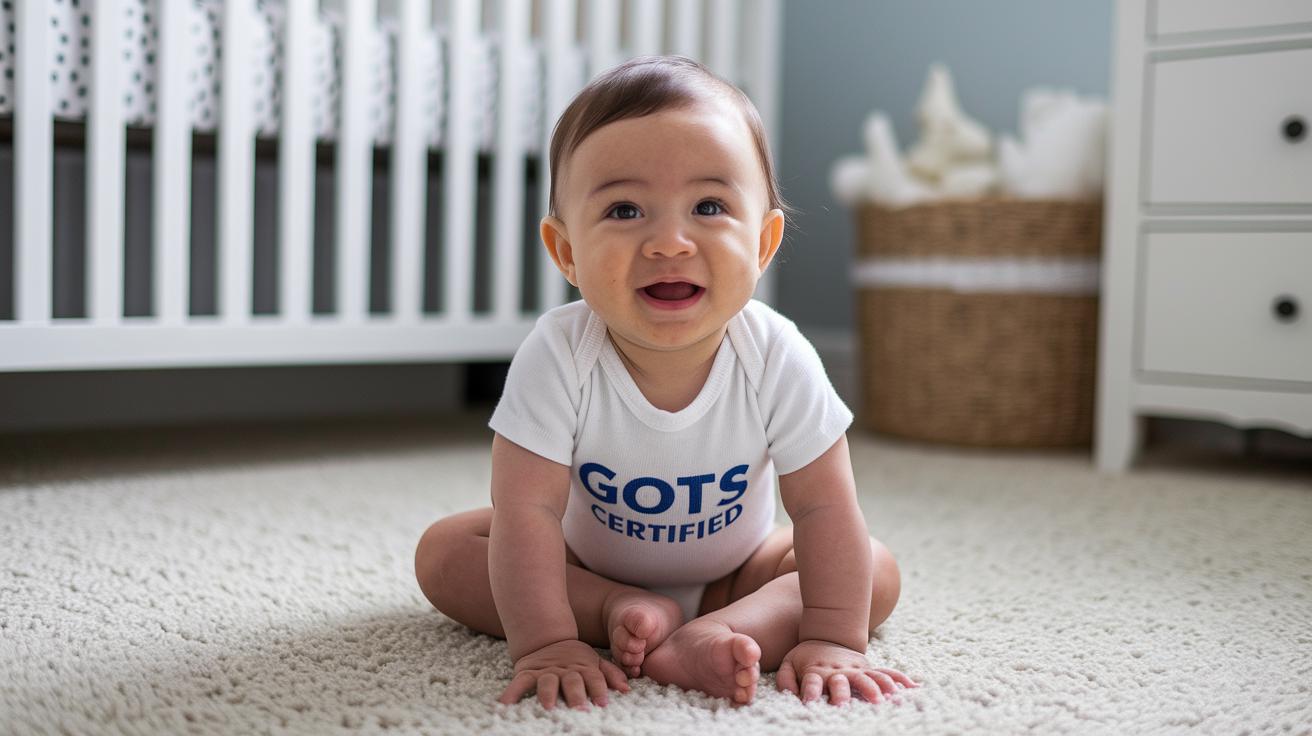
Organic baby clothing certifications are like a trusted friend, guiding you to safe and thoughtfully made clothes for your little one. These marks, like GOTS, OEKO-TEX® STANDARD 100, Fairtrade, and USDA Organic, show that the clothes meet strict rules for materials, how they’re made, and fair work practices. When you choose these certified pieces, you can feel confident that your baby is wearing fabrics that have been carefully checked for any harmful substances and unsafe practices.
GOTS, for example, makes sure that at least 70% of the fibers come from organic sources like cotton or wool. They also limit the use of strong bleaches and chemicals, and they take care of the environment by managing wastewater properly. Imagine checking a label that feels like a careful note from a trusted friend, saying, "This is safe for your baby." That assurance helps connect quality and care in a very real way.
OEKO-TEX® STANDARD 100 goes the extra mile by testing every part of the clothing, from the fabric and stitching to buttons and zippers, for over 1,000 harmful chemicals. Since little ones are always in touch with their clothes, this careful testing helps protect their sensitive skin. These thorough checks ensure that the clothes aren’t just soft and comfy, but also made in a fair way that looks out for both your child and our planet.
If you’re exploring safe choices for your baby’s wardrobe, knowing these certifications can make your shopping experience feel a lot less stressful and a lot more reassuring.
Understanding GOTS Criteria for Organic Infant Apparel
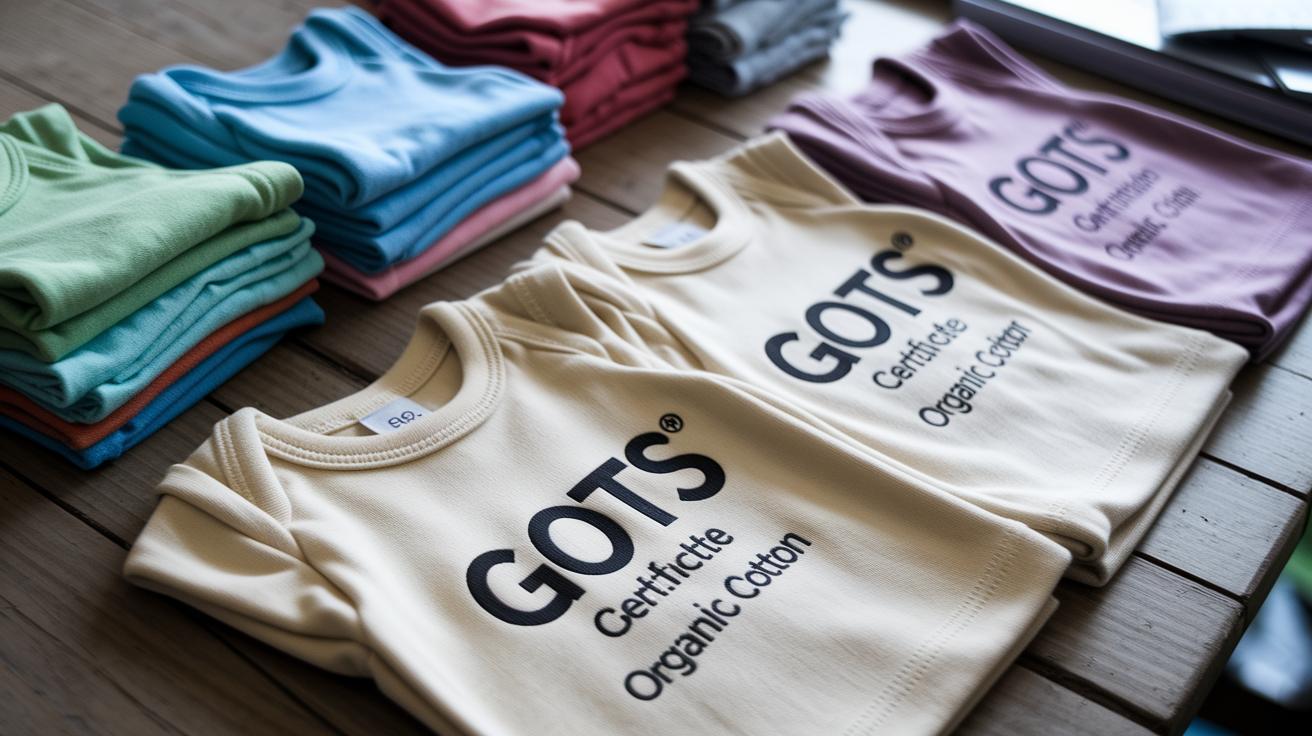
GOTS sets clear rules that help you choose baby clothes that are both safe and kind to our planet. It means at least 70% of the fibers used need to be organic. For fabrics such as cotton or wool, they must come from sources without synthetic chemicals. Plus, GOTS stops toxic bleaches and harsh additives that might irritate delicate skin. They also require that waste is treated properly during manufacturing to protect our environment.
The certification covers every step, from harvesting the fibers to spinning, dyeing, and labeling the finished product. When you spot the GOTS logo along with a unique manufacturer code, you know the clothing has been checked carefully at every stage. That special code acts like a friendly guarantee, showing that the item followed strict standards all the way through. It also means that ethical practices, such as fair wages and safe working conditions, have been part of the process.
When you’re checking out baby clothes, look for the genuine GOTS mark on care tags or labels. Think of it as a little note that assures you, from the farm to your baby's wardrobe, that every detail meets high standards for fiber quality, chemical safety, and ethical labor practices.
Decoding OEKO-TEX® STANDARD 100 for Baby Fabrics
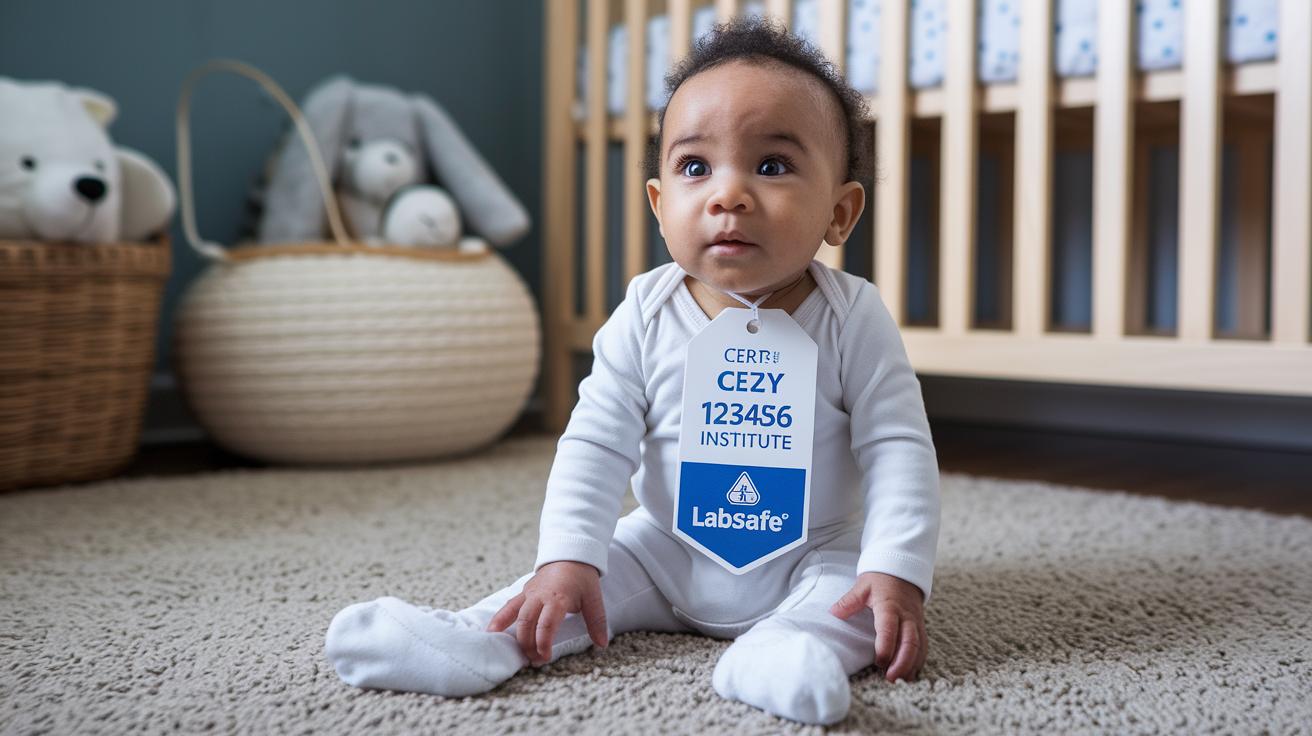
This standard makes sure every part of your baby’s clothes is safe. The process checks everything, from fabrics and threads to dyes and even little details like buttons and zippers, for more than 1,000 harmful chemicals. When you think about your baby being close to these materials almost all day, it's clear why extra care matters.
You can always confirm a product's safety by looking for its unique certification number and the testing lab's name. For instance, finding a code like "Cert# 123456, LabSafe Institute" on a tag is a comforting reminder that the product passed strict tests. It feels like getting a reassuring note that every step of making the garment was carefully watched.
Each item with the OEKO-TEX label has been checked from start to finish. This means that whether it’s the fabric during harvesting or the finished piece, you know your baby’s clothing meets tough non-toxic standards. Knowing this adds an extra layer of comfort and trust every time you make a purchase for your little one.
Comparing Leading Eco Certifications for Baby Clothing

Choosing the right baby clothes can be a thoughtful journey. Knowing what each eco certification stands for helps you feel confident in your choice. Some labels focus on organic materials and caring for the environment, while others keep a close eye on chemical safety and fair working practices. Certifications like GOTS and USDA Organic assure you that every step, from the harvesting of the fiber to the final tag, is carefully checked by trusted experts.
Below is a quick look at some leading eco labels:
| Certification Name | Scope & Criteria | Organic Content Requirement | Label Identifier |
|---|---|---|---|
| GOTS | Looks at fiber origin, restrictions on chemicals, and environmental and social rules | 70% or more organic fiber | GOTS logo with the manufacturer’s code |
| OEKO-TEX® STANDARD 100 | Checks textiles, trims, and accessories for over 1,000 harmful substances | N/A | Unique certification number and lab name |
| Fairtrade Textile Standard | Emphasizes fair pay, ethical work conditions, and environmental care | N/A | Fairtrade logo with certifying body details |
| USDA Organic | Follows organic farming rules and limits chemical use | N/A | USDA Organic seal and certifying information |
This side-by-side guide makes it simple to spot the differences. Each certification shines in its own way, all working to offer you safe and responsibly made clothes for your baby.
Health, Ethical, and Environmental Benefits of Certified Organic Baby Wear
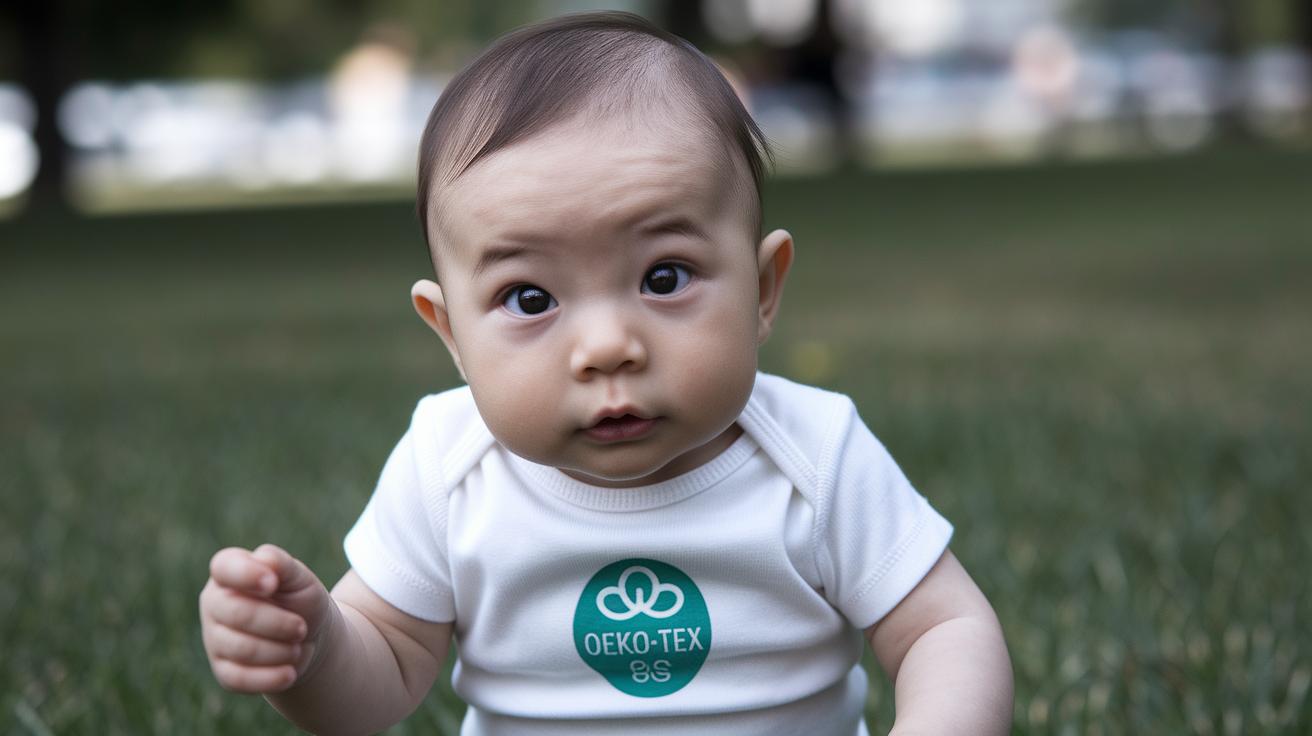
Organic baby clothes gently shield your little one from harsh chemicals and pesticides. Since babies are in constant contact with their outfits, keeping harmful substances away is so important. Imagine this: choosing certified organic clothing can reduce chemical exposure by almost half compared to regular clothes. It’s a comforting thought that every piece is carefully tested to meet trusted standards like GOTS and OEKO-TEX®.
These clothes also help support farming that cares for our planet by using fibers grown without toxic fertilizers or pesticides. Less chemical use means a healthier environment for your baby and for all of us. Plus, thanks to their high-quality fibers, organic garments often last longer, making them a smart investment even if they cost a bit more.
Ethical practices are a big part of the story too. Every certified item is made in a way that respects fair labor and safe working conditions. This commitment builds trust, knowing that your child’s comfort comes from responsible choices that also care for the workers involved.
Every purchase of organic baby wear comes with a promise of safety, environmental care, and ethical practices. It’s a small premium for peace of mind. Learn more about these advantages at https://bsnuggs.com?p=154.
How to Verify Authentic Organic Certification Labels
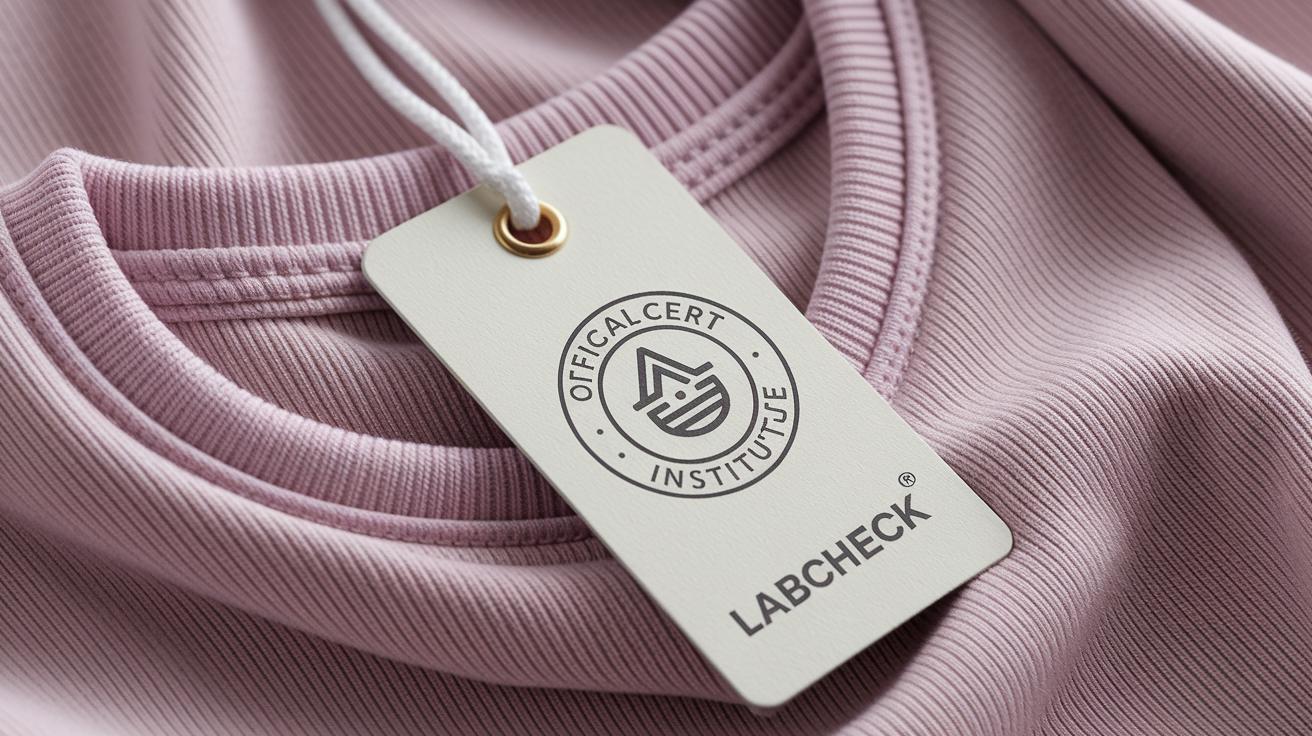
When you're picking out organic baby clothes, take a minute to inspect the tag. Find the official logo that shows the item has been tested and approved. A true label will list a unique certification number along with the certifier’s name and contact details. For example, you might see something like "Cert# 789101, LabCheck Institute" on the tag, which means the garment passed tough tests.
Here’s a quick guide to double-check authenticity:
- Make sure the label features an official seal and a special certification number.
- Visit the certifier’s website and confirm that number matches your garment’s details.
- Look for clear info like the percentage of organic materials and details about processing stages (for instance, GOTS Stage 1 vs Stage 2).
- Be wary of vague phrases such as “organic blend” if there’s no certifier info provided.
- Learn to spot well-known seals like OCS to boost your confidence in its authenticity.
Following these simple steps will help you feel sure that your baby is wearing truly safe, certified fabrics.
Final Words
In the action, this guide breaks down the essential points of organic baby clothing certifications explained. It lays out what labels like GOTS and OEKO-TEX really stand for and gives clear tips on checking authentic labels. The article shows how safe, ethically made baby apparel offers both comfort and care while keeping our planet in mind.
Take these insights to heart and rest assured knowing you’re choosing baby essentials that are safe, eco-friendly, and built to last.
FAQ
What does “Organic baby clothing certifications explained pdf” mean?
The organic baby clothing certifications explained pdf offers a clear overview of labels like GOTS and OEKO-TEX, showing how these standards keep fabrics pure, safe, and responsibly made.
What do GOTS and OEKO-TEX certified baby clothes and sheets indicate?
The GOTS and OEKO-TEX certifications mean the products—be it clothing or sheets—have met strict criteria for organic fiber content, chemical safety, and ethical production, giving parents added peace of mind.
What does it mean for baby clothes to be GOTS certified?
The GOTS certification means baby clothes are made with at least 70% organic fibers, free of harsh chemicals, and produced under fair labor conditions, ensuring safe, nurturing wear for your baby.
How do GOTS and OEKO-TEX compare for baby products?
The comparison shows both seals safeguard baby safety: GOTS focuses on organic content and fair production, while OEKO-TEX rigorously tests all parts for over 1,000 harmful substances.
What is GREENGUARD Gold Certified?
The GREENGUARD Gold Certified label shows that products meet strict indoor air quality standards by limiting chemical emissions, which adds an extra layer of safety for nurseries and living spaces.
Do I need certificates for selling baby clothes in the US?
The need for certificates varies by state and retailer, but having organic certifications can boost buyer trust and clearly signal that the baby clothes meet high safety and quality standards.
What are OEKO-TEX baby clothes?
The OEKO-TEX label on baby clothes means every fabric component has been rigorously tested for harmful chemicals, ensuring the products remain gentle and safe on your baby’s sensitive skin.