

Have you ever thought about what each ounce means for your little one's growth? Weight gain isn’t just a number, it shows that your baby is thriving. In those early weeks, even a small increase can feel like watching a tiny seed flourish into a strong plant.
This guide walks you through typical weight gains and explains why they matter for a healthy start. We’ll explore key milestones that mark steady progress, giving you reassurance and clear insight as you watch your baby bloom.
Newborn Weight Gain Benchmarks for Healthy Growth
When your little one is born, they usually come in weighing between 5 and 10 pounds. Every baby is unique, but these numbers give you a good starting point. In those first few days, you'll notice gentle changes that help you see how they start to grow. It’s like watching a tiny seed sprout into something strong and vibrant.
In the early weeks and months, babies often gain weight at a steady pace. You might see your baby add a few ounces each week, which is a reassuring sign of healthy growth. Many parents keep an eye on these changes with regular check-ups, comparing the numbers to common guidelines. For example, between 0 and 4 weeks, most infants gain about 5 to 7 ounces a week. As they grow older, the gains shift to about 1 to 2 pounds per month. Keeping track of these milestones can feel as comforting as reading your favorite bedtime story, calm, steady, and full of hope.
| Age Range | Expected Weight Gain |
|---|---|
| 0–4 weeks | ~5–7 oz/week |
| 1–3 months | ~1–2 lb/month |
| 4–6 months | ~1 lb/month |
| 6–12 months | ~0.5 lb/month |
Feeding and Newborn Weight Gain Patterns

Choosing between breast milk and formula can feel like a delicate balancing act, especially in those early days. Breast milk gently offers a naturally balanced nutrition with a softer energy boost and special immune helpers that care for your baby's tiny system. Formula, on the other hand, adds a bit more energy that can help ease any nutritional gaps and sometimes sits just right with certain little tummies. Using a loving mix of both might be exactly what your baby needs to steadily grow and thrive.
| Feeding Tips |
|---|
| Aim for about 8 to 12 feeds within every 24 hours |
| Keep an eye on the latch and gently help with breast compression |
| Consider a higher-calorie formula if your healthcare provider suggests it |
| Watch for little hunger cues like rooting or soft sucking sounds |
| Try paced bottle-feeding to keep things relaxed and easy |
Mixing the right amount of volume with how often you feed can help guide your baby’s growth naturally. Many parents find that tuning in to their baby's little hunger signals and growth phases creates a warm, nurturing routine. It’s a bit like watching your favorite lullaby slowly soothe them to sleep, each moment reassures you that you’re on the right path. By combining both breast milk and formula thoughtfully, you craft a special daily ritual that supports your baby’s immediate comfort and sets the stage for wonderful milestones ahead.
Monitoring Newborn Weight Gain with Charts and Tools
Keeping track of your baby's weight can feel like a gentle journey. Using a home scale lets you see quick changes during your weekly checks, while a clinic scale gives you trusted, certified results when you visit the doctor. Combining both methods feels like having two caring sets of eyes watching over your little one, ensuring every precious ounce is noticed.
Paper Growth Charts
For years, paper growth charts have been a reliable friend to parents. They use well-known curves from sources like the CDC and WHO to show how your baby compares with others. It’s like getting a clear snapshot of your child’s growth, making it easier to spot if their weight gain seems a bit slower than what you’d expect.
Digital Tracking Apps
Modern digital apps bring a simple way to keep up with your baby’s weight, too. They compare your baby’s measurements to a large database and send real-time alerts when something needs your attention. With just a few entries from those important early days, you can catch any slow progress or unexpected changes, so you know when it might be time to check in with your doctor.
| Tool/Method | Key Feature | Use Case |
|---|---|---|
| Home Scale | Immediate feedback | Weekly at-home checks |
| Clinic Scale | Certified accuracy | Doctor visits |
| Paper Chart | Percentile trends | Visual long-term view |
| Digital App | Database comparison | Alerts for slow gain |
Red Flags in Newborn Weight Gain and When to Seek Help
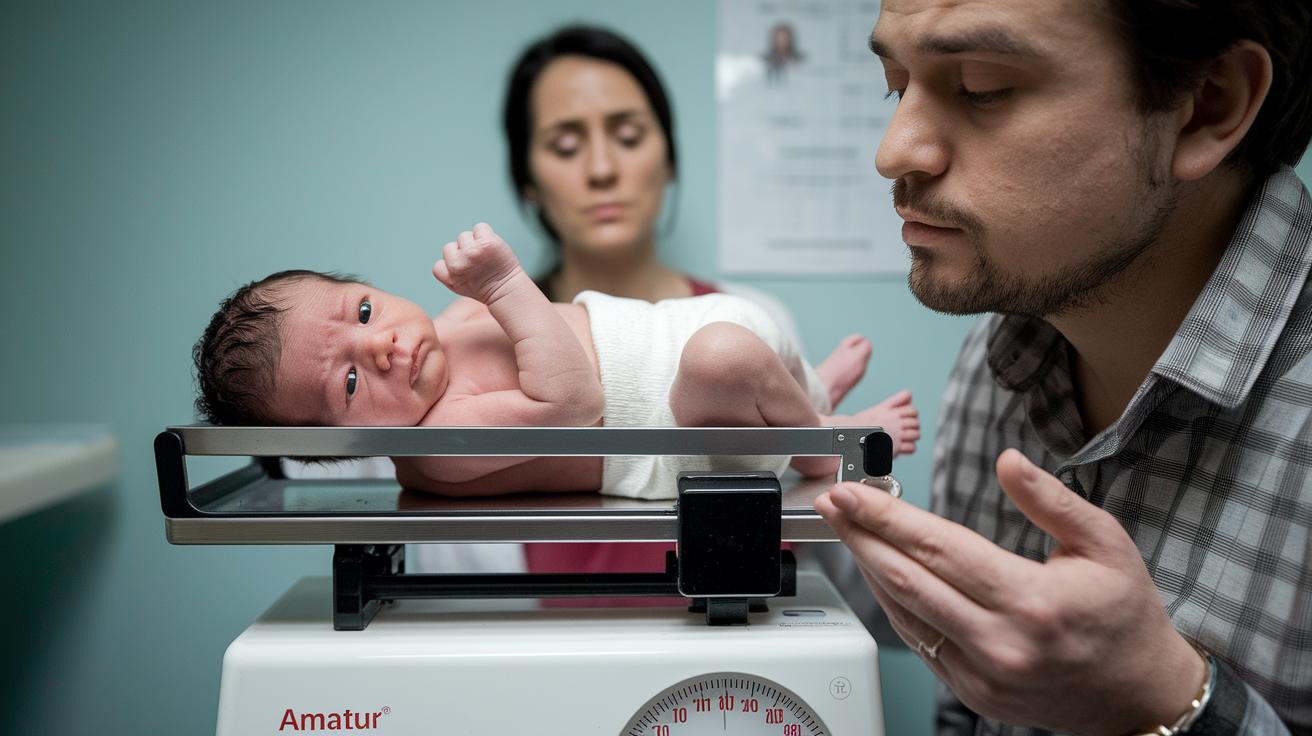
It can feel really unsettling when your baby’s weight doesn’t follow that gentle, steady curve you expect. Sometimes even small changes might be a signal that your little one needs a bit of extra care.
Here are some simple signs to watch for:
- More than 10% loss of birth weight after five days
- Still not back to your baby’s birth weight by 14 days
- Gaining less than 5 ounces per week by two months
- Fewer wet diapers, which might mean dehydration
- Persistent fussiness or not wanting to feed
- Jaundice that lasts longer than two weeks
If you notice any of these signs, please call your pediatrician without delay. It helps to share a quick feed log and your baby’s growth chart so the doctor can get a clear picture of what’s going on. This info lets them decide if more checks or a change in feeding is needed.
For more friendly advice and extra support, check out our first time parent tips page at https://bsnuggs.com?p=568. We’re here to help every step of the way.
Nutritional Strategies to Support Steady Newborn Weight Gain
When it comes to helping your little one gain weight steadily, gentle changes in feeding can make a big difference. Think of it as adding just a little extra spice to your favorite recipe; you’re boosting the nourishment without overwhelming your baby's delicate system.
By carefully increasing the fat in feeds, you're giving your baby a bit more of what they need to thrive. A small change in how you offer milk might just be the game-changer for your baby’s growth journey.
- Try using gentle breast compression to naturally increase the fat content.
- Alternate between breasts so your baby gets both the lighter foremilk and the richer hindmilk.
- If you're expressing milk, consider fortifying it with additives that your doctor approves.
- Sneak in a pumping session between feeds to help maintain your milk supply.
- Under your healthcare provider’s guidance, give supplement dropper feeds a try.
- Keep a weekly log of feed amounts and your baby’s weight changes.
These friendly steps blend easily into your everyday routine, turning feeding time into a thoughtful way to support your baby's growth. Plus, keeping an open chat with your healthcare provider means you’re always on the right track, adjusting as your baby’s needs change.
Long-Term Monitoring Beyond Newborn Weight Gain

As your little one starts exploring solid foods along with milk, routine weight checks become a monthly affair instead of weekly visits. This gentle shift not only eases your mind by reducing frequent weigh-ins but also matches your baby’s new pace of growth. Imagine that first dab of pureed carrots as a sweet signal that it’s time to check progress every month.
A digital diary or smart baby monitoring app can be a real lifesaver here. Many parents love setting gentle reminders at 3, 6, 9, and 12 months. A quick update at 3 months, for example, lets you capture those subtle changes as your baby grows, keeping you in the know every step of the way.
Final Words
In the action, we've walked through the basics of newborn weight gain benchmarks, feeding strategies, and monitoring tools that guide everyday care. We've also touched on red flags to watch for and practical nutritional tips for steady growth.
Each step reinforces a caring, safe path for little ones. With the right focus, every parent can feel confident supporting healthy development and celebrating every ounce of newborn weight gain.